



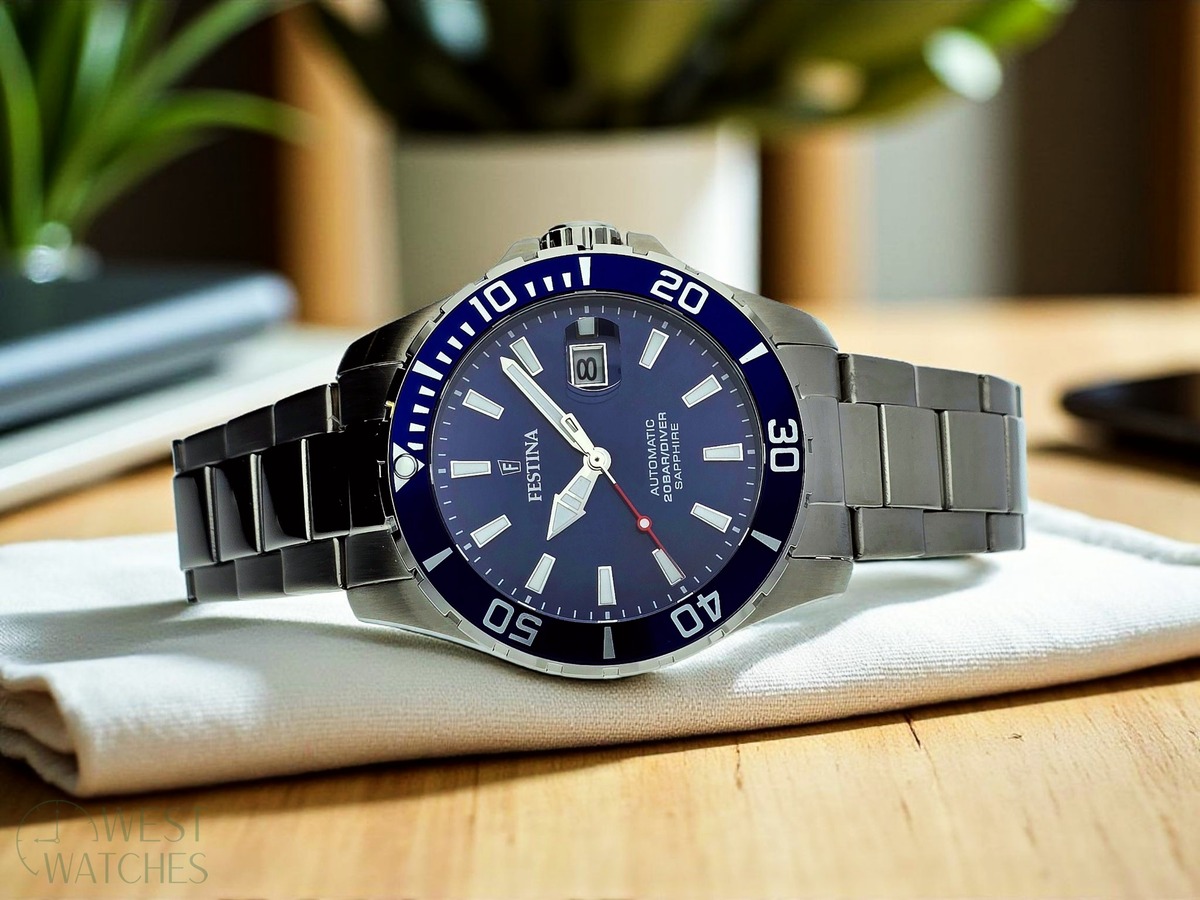
What is a watch's power reserve? We explain how this mechanism works.
Are you wondering what the mysterious-sounding "power reserve" in a watch means and whether it really matters to you? If you wear an automatic watch – men's or women's – this is a topic worth knowing. In this post, I'll show you how this mechanism works, what affects its length, and why some watches can run continuously for several weeks.
Power reserve demystified – what it really means and why it's worth understanding?
If you've ever taken off your watch for the weekend and discovered on Monday that it had stopped – there's a good chance you've encountered the topic of power reserve. This term isn't reserved only for watchmakers or collectors – quite the opposite, it's practical knowledge for anyone who wears a mechanical watch, regardless of whether it's a classic hand-wound watch or a modern automatic. Power reserve is simply the operating time of the watch after it's fully wound, before the energy is exhausted. It usually amounts to about 40 hours, though more and more models – especially the more advanced ones – offer 60, 70, or even 80 hours of continuous operation.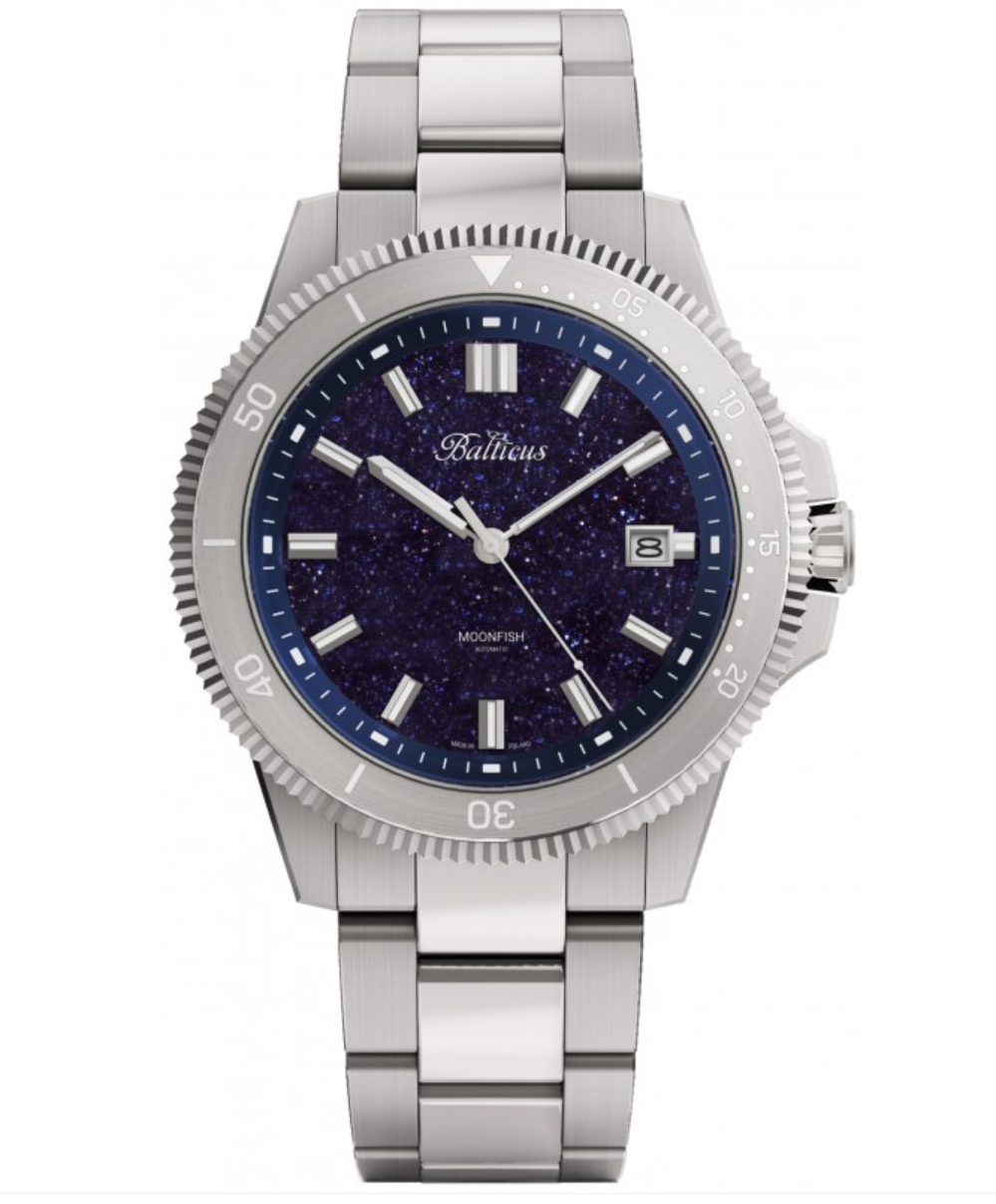
Balticus Moonfish Aventuryn Automatic 40mm BLT-BTMFBA is a unique watch with an aventurine dial whose depth and brilliance resemble a starry sky. The solid steel case and automatic movement guarantee reliability and timeless elegance.
Understanding this mechanism allows you to better match the watch to your own needs. If you wear a watch daily, you probably won't even notice the moment when the reserve runs out – especially if you're dealing with an automatic watch. But if you put it on only for special occasions or change several models during the week, it's worth knowing how long it can "sit" and still show the correct time. Watches with power reserve above the standard 40 hours give you this convenience – you can take them off for two or three days and still be sure they'll be ready to work without having to reset them. Especially in the case of men's automatic watches with many complications, each time setting the date or moon phases can be tedious – that's precisely why longer power reserve is a huge advantage.
What determines the length of power reserve? Get to know the mechanical heart of your watch
Everything depends on the mainspring – a modest but incredibly important element of every mechanical watch. It stores the energy needed to move the hands, drive the calendar, or complications like GMT. The longer and thinner the mainspring, the greater the energy reserve, and thus the longer your watch will run after full winding. Simple? Theoretically yes, but in practice it requires enormous precision, because a mainspring that's too long might not fit in the movement's barrel, and one that's too thin – won't handle proper tension. That's precisely why power reserve in a watch is always the result of compromises between size, functionality, and aesthetics.
In modern watches with power reserve, often not one, but even two or three mainspring barrels are used, working in parallel or in series to maximize operating time. The best example here is the Hublot MP-05 LaFerrari with a 50-day power reserve, which is possible thanks to using as many as 11 barrels. This is obviously an extreme, but even in everyday use, the differences between 40 and 80 hours are very noticeable. It's worth mentioning that power reserve length is not only a matter of convenience – it's also a signal of movement quality and construction sophistication. If you want a watch that won't require constant "babysitting," go for a model with longer reserve. This applies to both women's automatic watches and men's – although it must be admitted that in women's models this feature is somewhat less emphasized.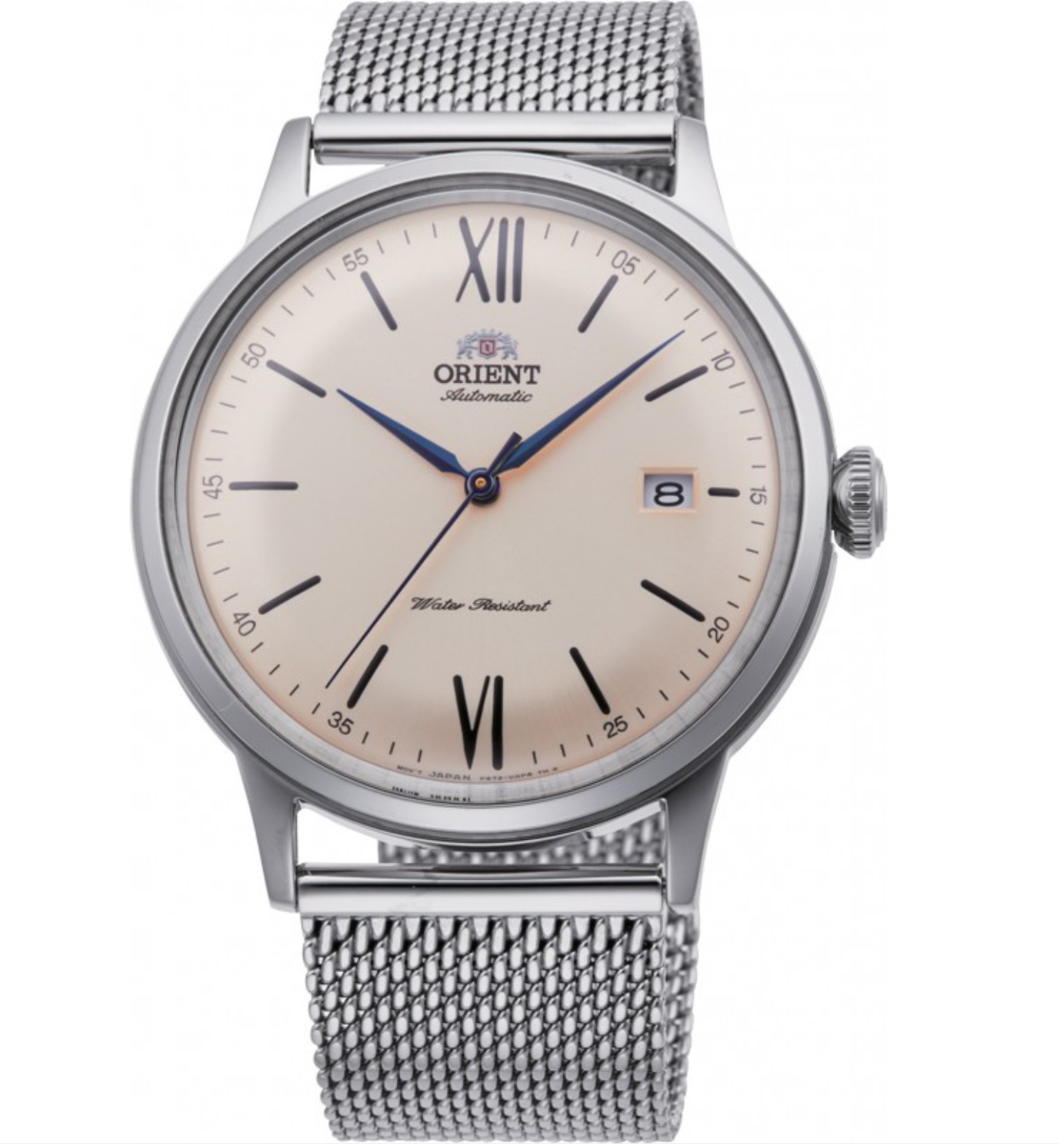
Orient Classic Automatic 41mm RA-AC0020G10B is an elegant watch with classic design, featuring a cream dial and blue-tinted hands. The automatic movement and steel mesh bracelet give it a timeless character and wearing comfort.
It's precisely with power reserve in mind that watch winders were created, which are special devices for storing and automatically winding automatic watches. If you own more than one automatic watch – especially models with shorter power reserve – a watch winder can be a very practical solution. Thanks to it, your watch remains in constant motion, even if you don't wear it daily. It's not only a matter of convenience, but also protection of the movement from stopping and starting again, which over time can affect its precision.
Watches with power reserve – which models really impress?
Some watches set a completely new level when it comes to power reserve. While the standard value still hovers around 40-50 hours, there are models that surprise even the most demanding users. You can buy watches that run for up to 31 days without needing to be wound. Sounds cosmic, but it's a real achievement in the world of watchmaking, showing that power reserve in automatics can be truly impressive.
For those who prefer more accessible but still advanced solutions, an interesting proposition is the Powermatic 80 from ETA, used in many watches from brands such as Tissot and Certina. Thanks to reducing the frequency and extending the mainspring, they managed to achieve up to 80 hours of power reserve – that is, over three days of operation without touching the watch. Interestingly, such movements are relatively affordable, so you don't need to immediately invest in a high-end watch to enjoy extended operating time. Men's automatic watches with this movement are very popular precisely because they offer an excellent price-to-functionality ratio. So if you want your watch to work even when you're taking a break – reach for models that offer something more than standard.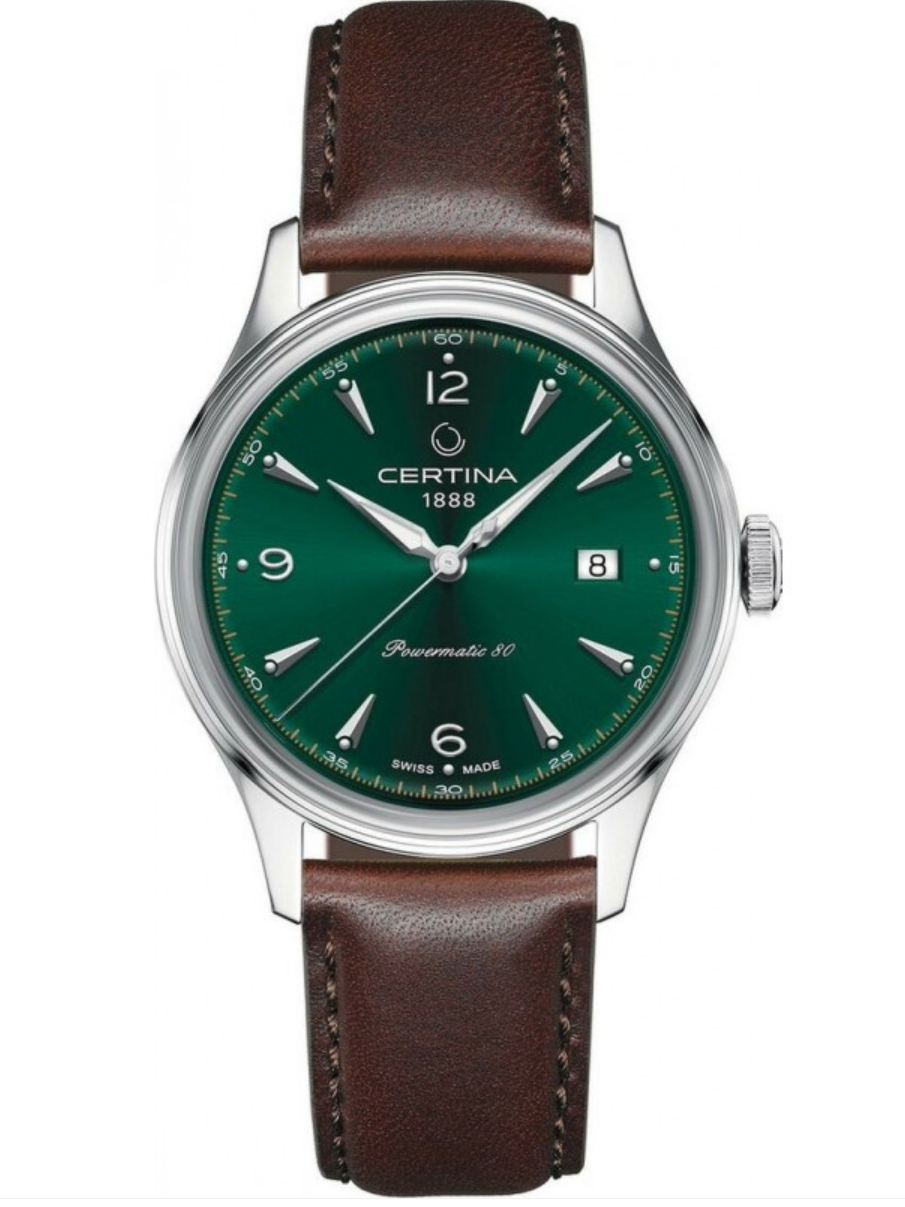
Certina DS Powermatic 80 40mm C038.407.16.097.00 is an elegant watch with a green dial and leather strap, offering up to 80 hours of power reserve. Swiss precision and classic design make it an ideal choice for any occasion.
How to check how much power is left in the watch? Power reserve indicator in practice
One of the most practical additions in a mechanical watch is the power reserve indicator – a function that allows you to check how much longer the watch will run without additional winding. In some models, it's a subtle indicator resembling a fuel gauge, in others – a full complication with a dedicated scale and elegant hand. For the user, it's a huge convenience – you don't have to guess, you don't have to count hours since the last winding. You simply glance at the dial and know whether the watch needs energy – and if it starts running low, the movement may start to run slow or fast, which affects precision.
This solution is particularly useful in the case of hand-wound watches, which don't wind themselves automatically during wear. But also in automatic watches that you wear sporadically, such an indicator gives you greater control over the device. You can treat it as a daily reminder – and at the same time as an aesthetic element, because indicators often add character and dynamics to watches. If you're planning to invest in a new watch and functionality matters to you, pay attention to the presence of a power reserve indicator – especially if you frequently change models or rarely wear one piece for several days in a row.
In the WestWatches online watch store, you'll find many elegant examples – both among women's automatic watches and classic men's models. It's a detail that may seem unnecessary at first, but you'll quickly realize how much it makes life easier. Especially if you're one of those people who like everything to work "on standby," without unnecessary setting of hours and dates every time. The power reserve indicator is precisely that small feature that makes a big difference in daily watch use.
See popular articles
Watches for seniors – the top 5 gift ideas for older people
Choosing the right watch for a senior is more than just buying a practical accessory – it’s a decision that affects an older person’s comfort in daily life and their general well-being. This selection features models that combine readability, comfort and timeless style, whilst catering to a range of needs – from elegant classics to durable sports watches.
Which battery for a wristwatch – how not to confuse SR, LR and CR?
Choosing the right battery for your watch is a topic that often seems trivial… until you find yourself standing in front of a shelf full of different labels and have no idea what to choose. SR, LR, CR, numbers like 377 or 364 – they all look similar, yet the differences are huge and have a real impact on how your watch works. If you want to avoid making the wrong purchase and ensure your watch works exactly as it should, it’s worth learning a few simple rules that will clear up most of your doubts.
Watches for girls for First Communion – a ranking of the best gift options
First Holy Communion is a special occasion that deserves an equally special gift. A watch for a girl to mark her First Holy Communion is not only an elegant accessory, but also a keepsake for years to come – a symbol of growing up, personal style and those first important moments captured in time. In this guide, you’ll find suggestions that combine beautiful design, functionality and timeless appeal.

On which wrist should you wear a ladies’ watch? Find out what’s comfortable and what’s just a matter of habit
At first glance, it may seem like a minor detail, but in practice it can make a real difference. Choosing which wrist to wear a watch on isn’t just a matter of habit or fashion – it’s about comfort, functionality and how the watch fits in with your everyday lifestyle. Some people don’t even give it a second thought, whilst others try out different options before finding the right one. If there is any doubt as to whether there is a single ‘correct’ answer – it is worth dispelling it once and for all and looking at the matter from a practical perspective.
First Communion watches for boys – a ranking of the best models for a special gift that will last for years
which can be a companion for years to come. In this guide, we’ve compiled a selection of models that combine style, functionality and timeless appeal, making it easier to find the perfect watch for a boy – one that suits his age, interests and first ‘grown-up’ choices.

How do you adjust a watch that’s running fast?
Have you noticed that your watch is running fast and are starting to lose confidence in it? Don’t worry – this doesn’t necessarily mean there’s a serious fault. In many cases, it’s a natural characteristic of the mechanism or the result of minor factors that can be quickly diagnosed. Find out what to do if your watch is running fast, when observation is enough, and when specific adjustment or a visit to a watchmaker is needed.
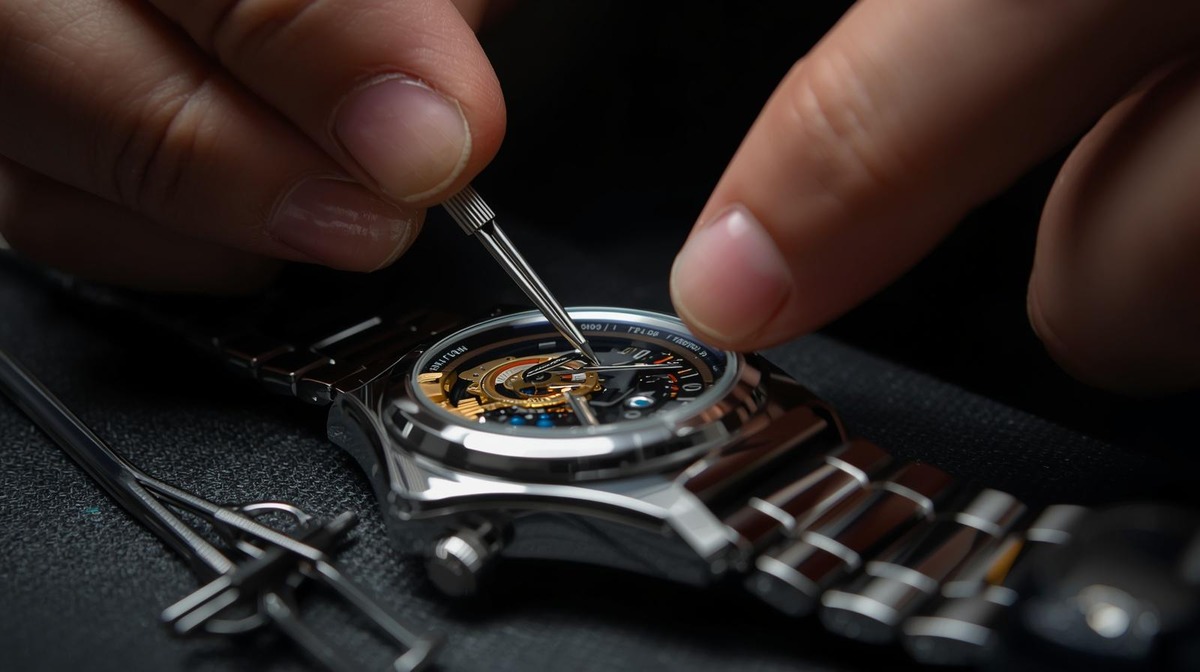
Replacing the battery and closing the watch – what should you watch out for?
Changing a watch battery seems like a simple task – a few minutes, a quick swap, and you’re done. In practice, however, this is a moment when it’s easy to make a small mistake that ends up costing far more than the battery itself. It’s not just about getting the watch working again, but about doing so in a way that’s safe for the movement, the case and… the water resistance. If you want to avoid common pitfalls and be sure that everything has been done properly – check out what you really need to pay attention to.
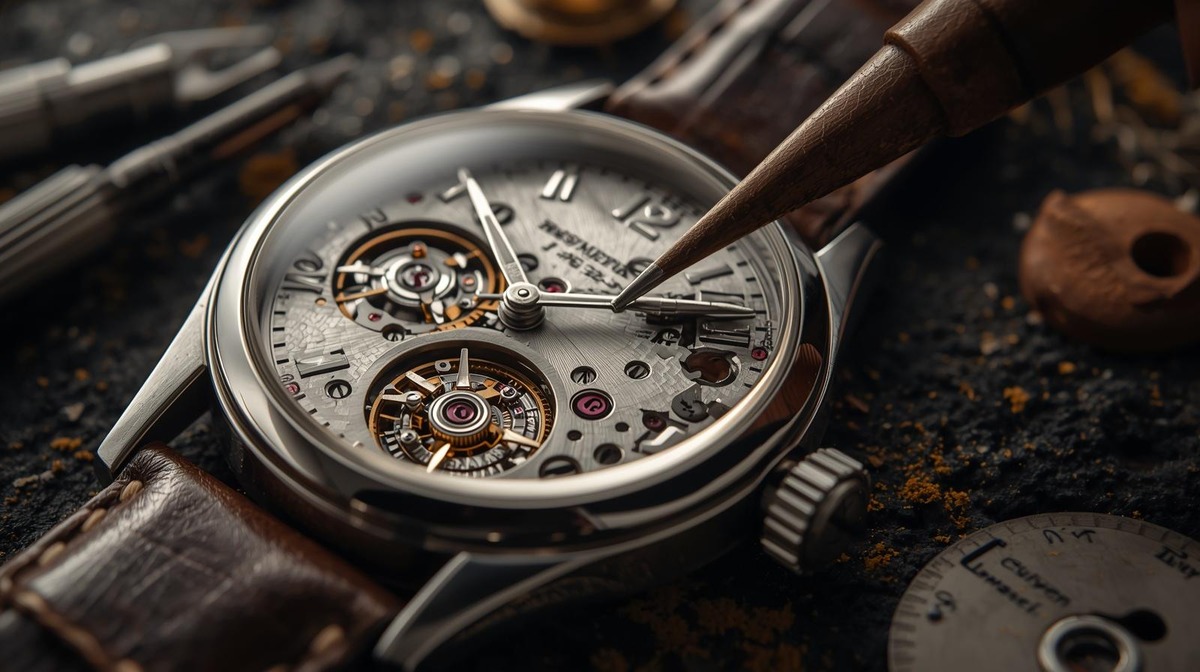
Watch dial restoration – when is it worth it, and when is it better to give it a miss?
Not every watch dial restoration is a good idea – sometimes you improve the appearance, but lose something far more important. The line between refreshing the look and losing the original character is a fine one, and a single decision can affect not only the aesthetics but also the value of the entire watch. If you’re wondering whether restoring watch dials makes sense in your case, it’s worth looking at the issue more broadly – not just in terms of ‘prettier’, but above all ‘better’.
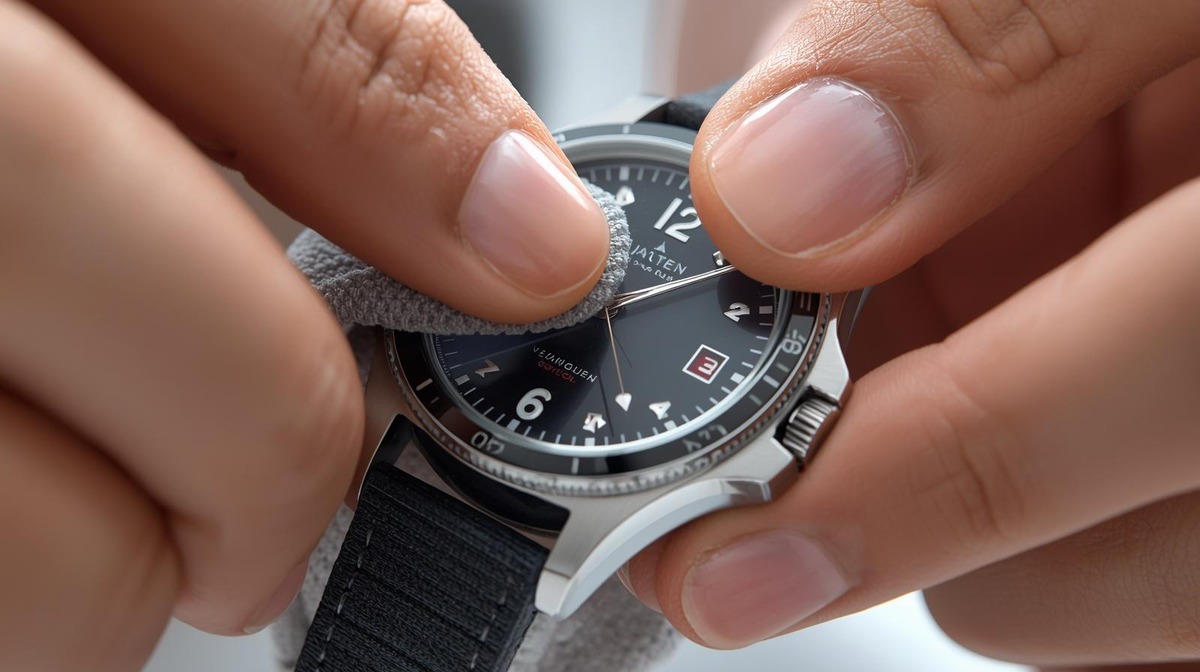
How can I clean my watch face without risking damage?
At first glance, it might seem like just a quick wipe of the glass – but in reality, it’s one of the most common mistakes, which can permanently ruin the appearance of your watch. If you want the dial to look as good as new for years to come, it’s worth knowing what to avoid at all costs and how to clean it safely – without the risk of scratches, tarnishing or costly repairs.