



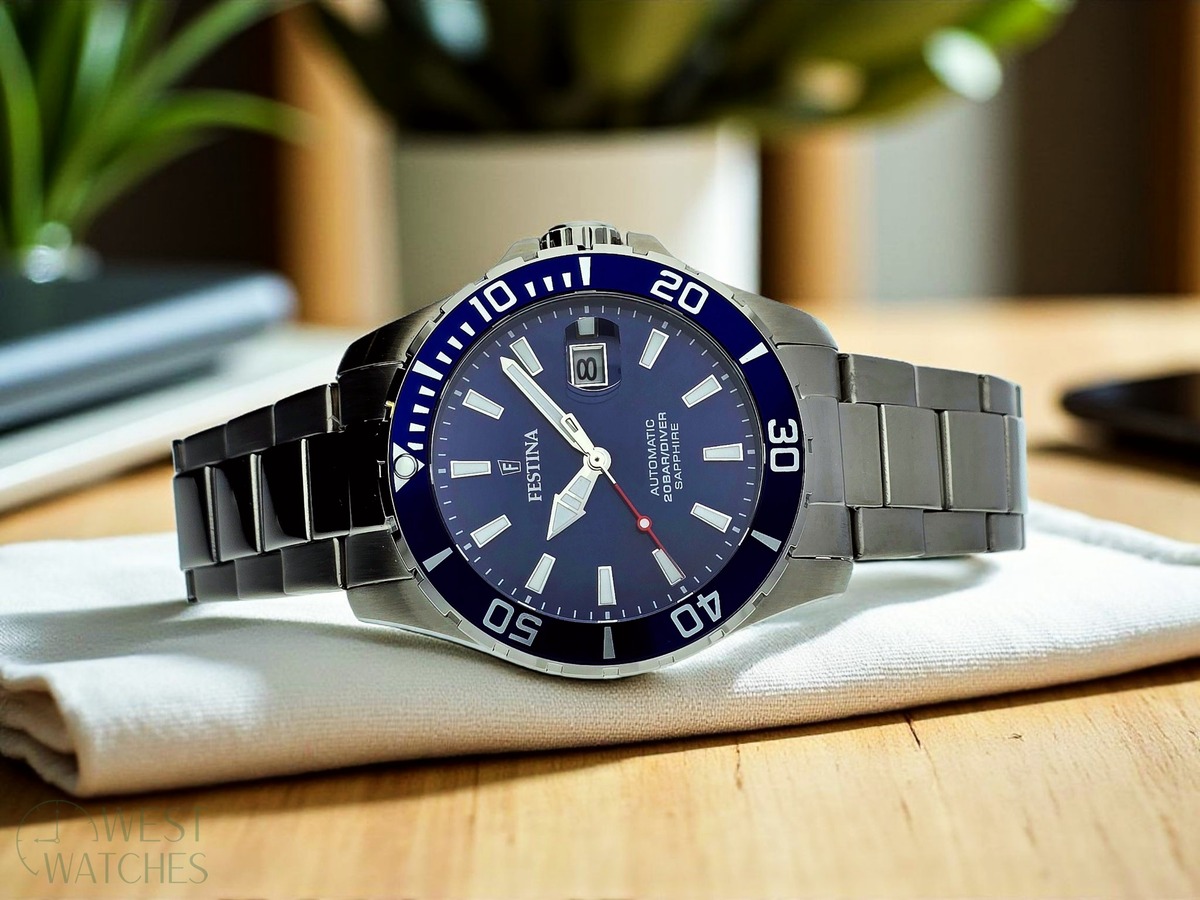
What is a watch's power reserve? We explain how this mechanism works.
Are you wondering what the mysterious-sounding "power reserve" in a watch means and whether it really matters to you? If you wear an automatic watch – men's or women's – this is a topic worth knowing. In this post, I'll show you how this mechanism works, what affects its length, and why some watches can run continuously for several weeks.
Power reserve demystified – what it really means and why it's worth understanding?
If you've ever taken off your watch for the weekend and discovered on Monday that it had stopped – there's a good chance you've encountered the topic of power reserve. This term isn't reserved only for watchmakers or collectors – quite the opposite, it's practical knowledge for anyone who wears a mechanical watch, regardless of whether it's a classic hand-wound watch or a modern automatic. Power reserve is simply the operating time of the watch after it's fully wound, before the energy is exhausted. It usually amounts to about 40 hours, though more and more models – especially the more advanced ones – offer 60, 70, or even 80 hours of continuous operation.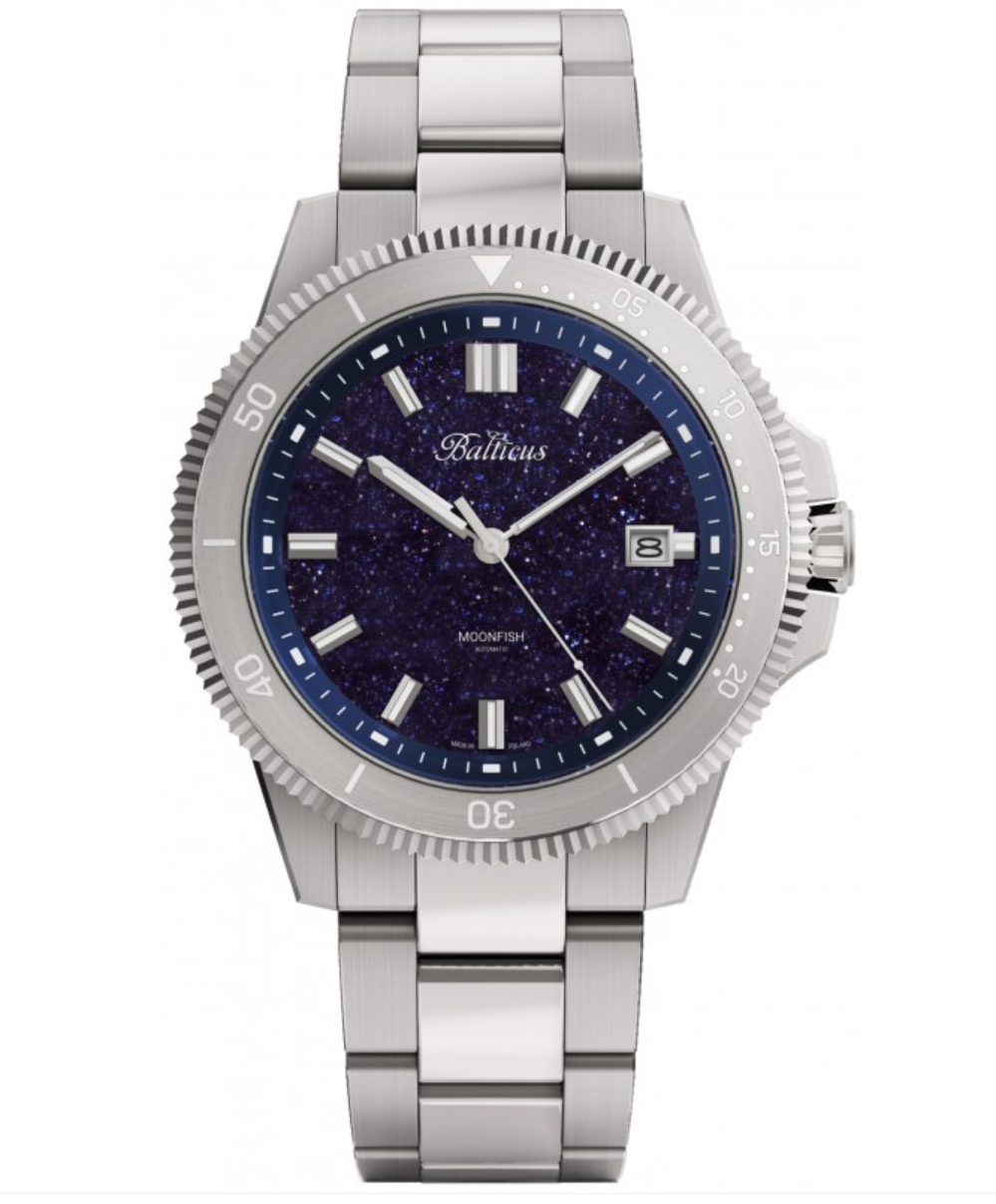
Balticus Moonfish Aventuryn Automatic 40mm BLT-BTMFBA is a unique watch with an aventurine dial whose depth and brilliance resemble a starry sky. The solid steel case and automatic movement guarantee reliability and timeless elegance.
Understanding this mechanism allows you to better match the watch to your own needs. If you wear a watch daily, you probably won't even notice the moment when the reserve runs out – especially if you're dealing with an automatic watch. But if you put it on only for special occasions or change several models during the week, it's worth knowing how long it can "sit" and still show the correct time. Watches with power reserve above the standard 40 hours give you this convenience – you can take them off for two or three days and still be sure they'll be ready to work without having to reset them. Especially in the case of men's automatic watches with many complications, each time setting the date or moon phases can be tedious – that's precisely why longer power reserve is a huge advantage.
What determines the length of power reserve? Get to know the mechanical heart of your watch
Everything depends on the mainspring – a modest but incredibly important element of every mechanical watch. It stores the energy needed to move the hands, drive the calendar, or complications like GMT. The longer and thinner the mainspring, the greater the energy reserve, and thus the longer your watch will run after full winding. Simple? Theoretically yes, but in practice it requires enormous precision, because a mainspring that's too long might not fit in the movement's barrel, and one that's too thin – won't handle proper tension. That's precisely why power reserve in a watch is always the result of compromises between size, functionality, and aesthetics.
In modern watches with power reserve, often not one, but even two or three mainspring barrels are used, working in parallel or in series to maximize operating time. The best example here is the Hublot MP-05 LaFerrari with a 50-day power reserve, which is possible thanks to using as many as 11 barrels. This is obviously an extreme, but even in everyday use, the differences between 40 and 80 hours are very noticeable. It's worth mentioning that power reserve length is not only a matter of convenience – it's also a signal of movement quality and construction sophistication. If you want a watch that won't require constant "babysitting," go for a model with longer reserve. This applies to both women's automatic watches and men's – although it must be admitted that in women's models this feature is somewhat less emphasized.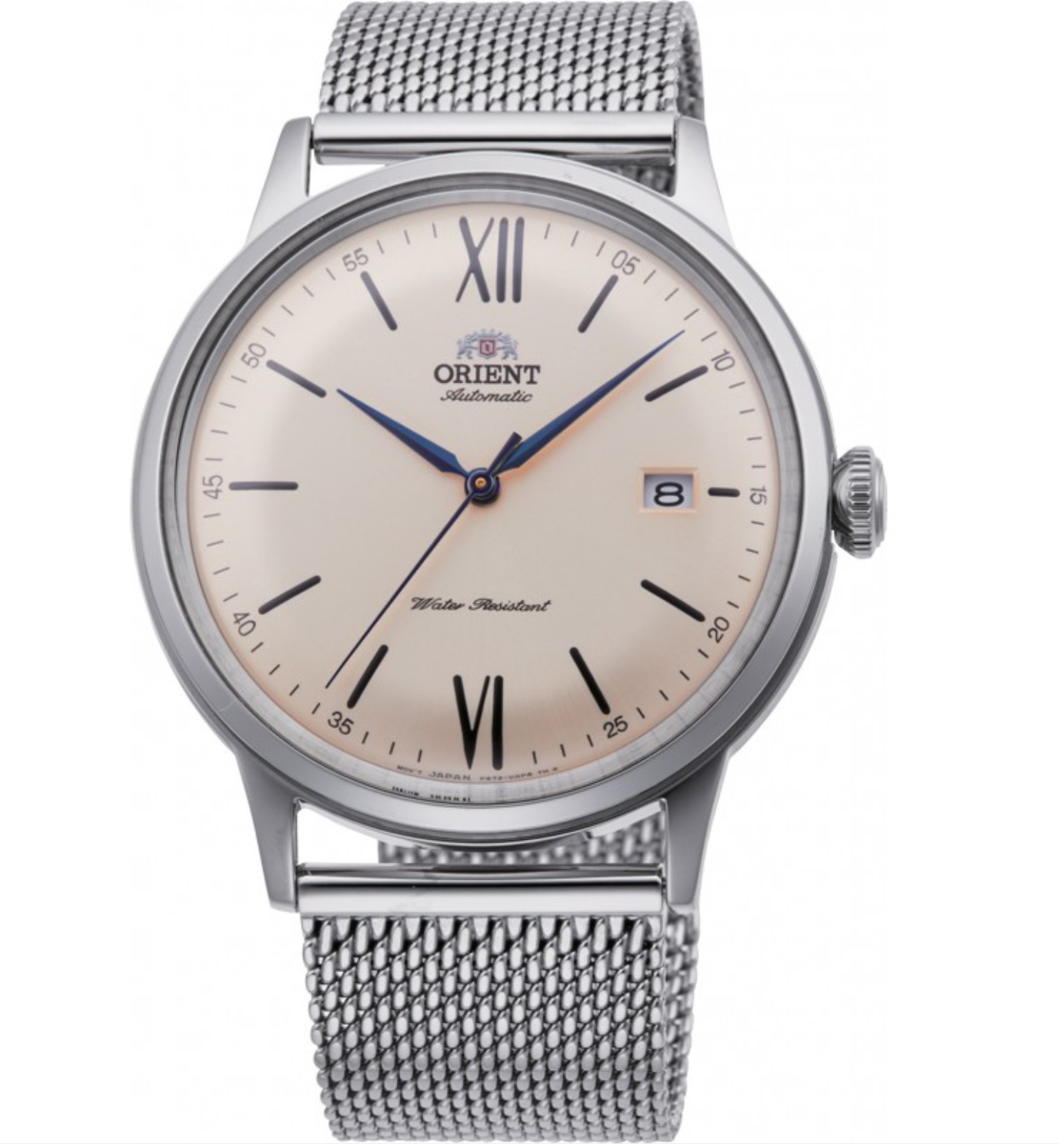
Orient Classic Automatic 41mm RA-AC0020G10B is an elegant watch with classic design, featuring a cream dial and blue-tinted hands. The automatic movement and steel mesh bracelet give it a timeless character and wearing comfort.
It's precisely with power reserve in mind that watch winders were created, which are special devices for storing and automatically winding automatic watches. If you own more than one automatic watch – especially models with shorter power reserve – a watch winder can be a very practical solution. Thanks to it, your watch remains in constant motion, even if you don't wear it daily. It's not only a matter of convenience, but also protection of the movement from stopping and starting again, which over time can affect its precision.
Watches with power reserve – which models really impress?
Some watches set a completely new level when it comes to power reserve. While the standard value still hovers around 40-50 hours, there are models that surprise even the most demanding users. You can buy watches that run for up to 31 days without needing to be wound. Sounds cosmic, but it's a real achievement in the world of watchmaking, showing that power reserve in automatics can be truly impressive.
For those who prefer more accessible but still advanced solutions, an interesting proposition is the Powermatic 80 from ETA, used in many watches from brands such as Tissot and Certina. Thanks to reducing the frequency and extending the mainspring, they managed to achieve up to 80 hours of power reserve – that is, over three days of operation without touching the watch. Interestingly, such movements are relatively affordable, so you don't need to immediately invest in a high-end watch to enjoy extended operating time. Men's automatic watches with this movement are very popular precisely because they offer an excellent price-to-functionality ratio. So if you want your watch to work even when you're taking a break – reach for models that offer something more than standard.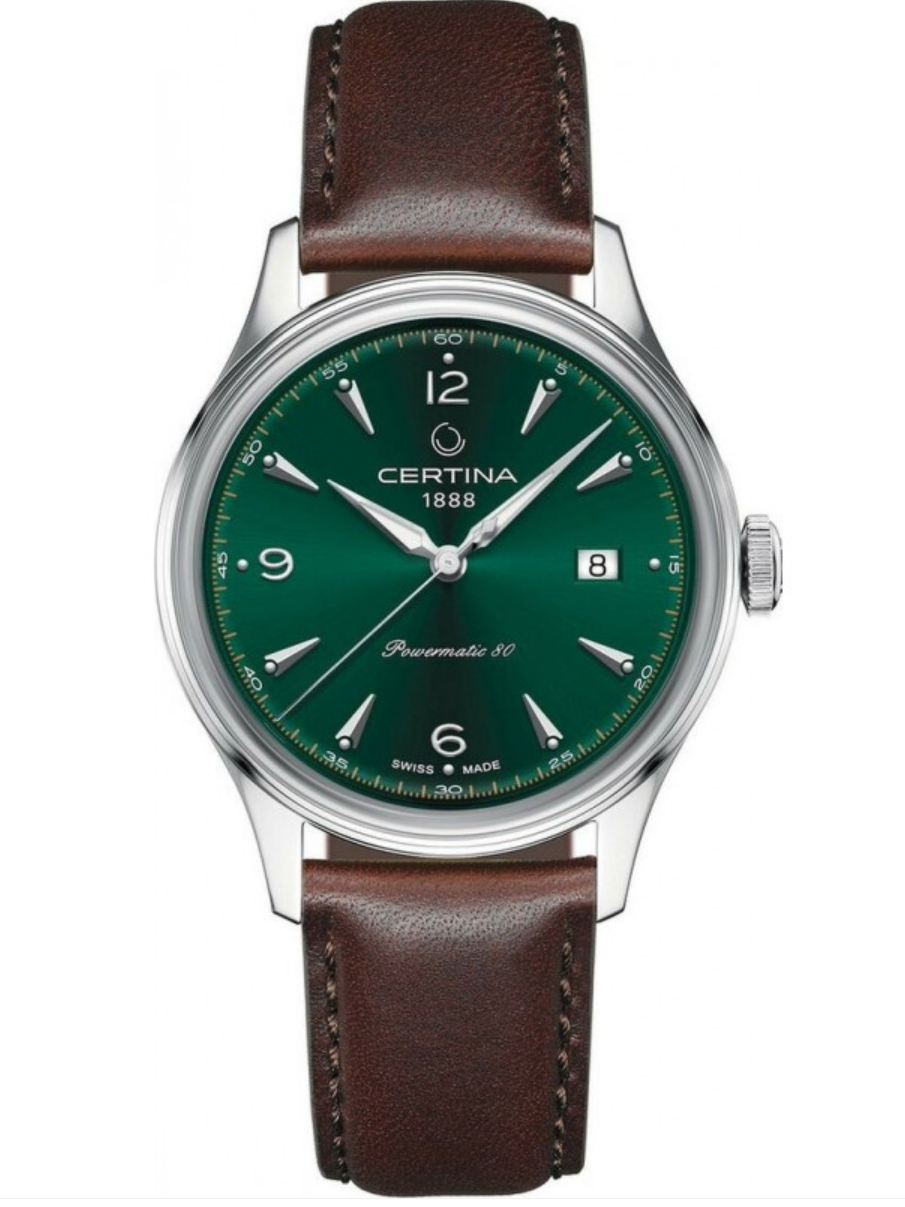
Certina DS Powermatic 80 40mm C038.407.16.097.00 is an elegant watch with a green dial and leather strap, offering up to 80 hours of power reserve. Swiss precision and classic design make it an ideal choice for any occasion.
How to check how much power is left in the watch? Power reserve indicator in practice
One of the most practical additions in a mechanical watch is the power reserve indicator – a function that allows you to check how much longer the watch will run without additional winding. In some models, it's a subtle indicator resembling a fuel gauge, in others – a full complication with a dedicated scale and elegant hand. For the user, it's a huge convenience – you don't have to guess, you don't have to count hours since the last winding. You simply glance at the dial and know whether the watch needs energy – and if it starts running low, the movement may start to run slow or fast, which affects precision.
This solution is particularly useful in the case of hand-wound watches, which don't wind themselves automatically during wear. But also in automatic watches that you wear sporadically, such an indicator gives you greater control over the device. You can treat it as a daily reminder – and at the same time as an aesthetic element, because indicators often add character and dynamics to watches. If you're planning to invest in a new watch and functionality matters to you, pay attention to the presence of a power reserve indicator – especially if you frequently change models or rarely wear one piece for several days in a row.
In the WestWatches online watch store, you'll find many elegant examples – both among women's automatic watches and classic men's models. It's a detail that may seem unnecessary at first, but you'll quickly realize how much it makes life easier. Especially if you're one of those people who like everything to work "on standby," without unnecessary setting of hours and dates every time. The power reserve indicator is precisely that small feature that makes a big difference in daily watch use.
See popular articles

What was the first watch in space? Find out what astronauts wear on their wrists
Did you know that the first watch that flew into space wasn't on a human wrist, but... attached to a dog's leg? The history of timepieces in space is a fascinating story of technological rivalry, astronaut courage, and extraordinary precision that could save lives. From the Soviet Pobeda and Gagarin's Sturmanskie to the legendary Omega Speedmaster, which passed NASA's most brutal tests – each of these watches became part of space exploration history. Discover what astronauts actually wear on their wrists and why even today, in the smartwatch era, they still choose mechanical legends.
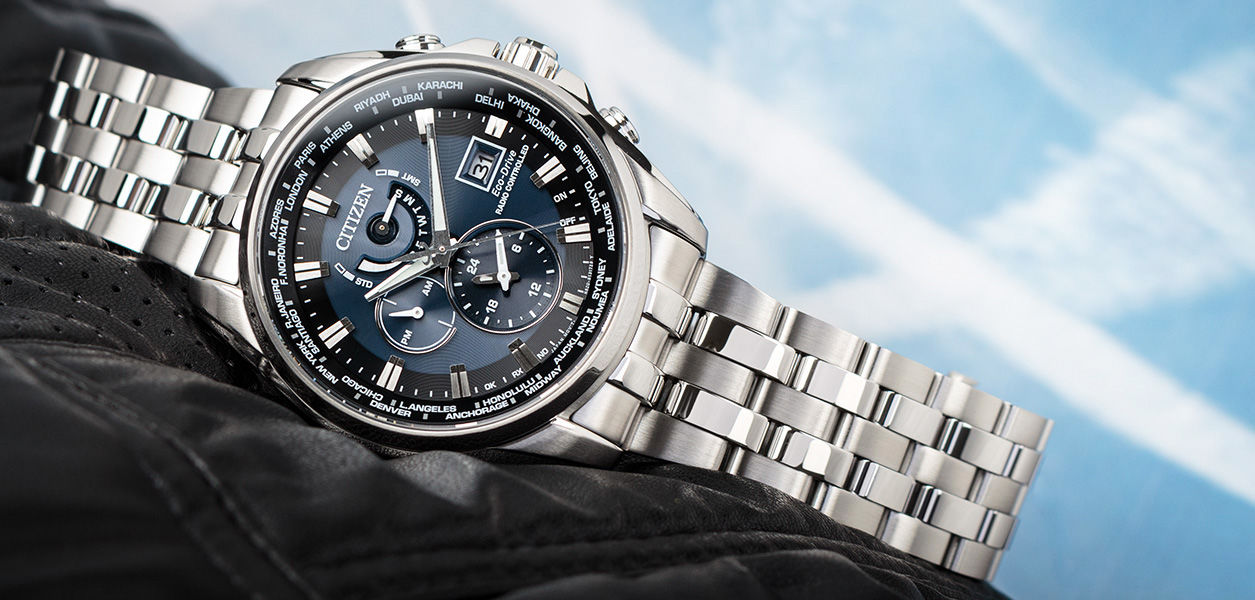
What is GMT time and how can you use this function on your watch?
Not every watch shows only one time – some can do much more. The GMT function allows you to track the time in two or even three time zones simultaneously, making it ideal for travellers, pilots and people working internationally. But before you learn how it works and what the GMT time zone actually is, it's worth learning about its history – from Greenwich, London, to modern watches with the most advanced mechanisms.
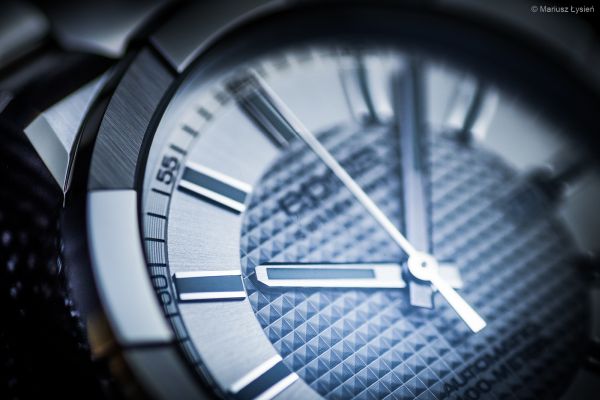
Dlaczego zmieniamy czas na zimowy w zegarkach? Tłumaczymy mechanizm i historię zmiany czasu
Dwa razy w roku cofamy lub przesuwamy wskazówki zegara, ale rzadko zastanawiasz się, po co właściwie jest zmiana czasu i dlaczego wciąż jej przestrzegamy. To nie tylko kwestia tradycji – za tym zwyczajem stoi historia, decyzje polityczne i próba lepszego wykorzystania światła dziennego. Sprawdź, jak działa mechanizm przestawienia czasu, skąd się wziął i jakie ma znaczenie dziś.
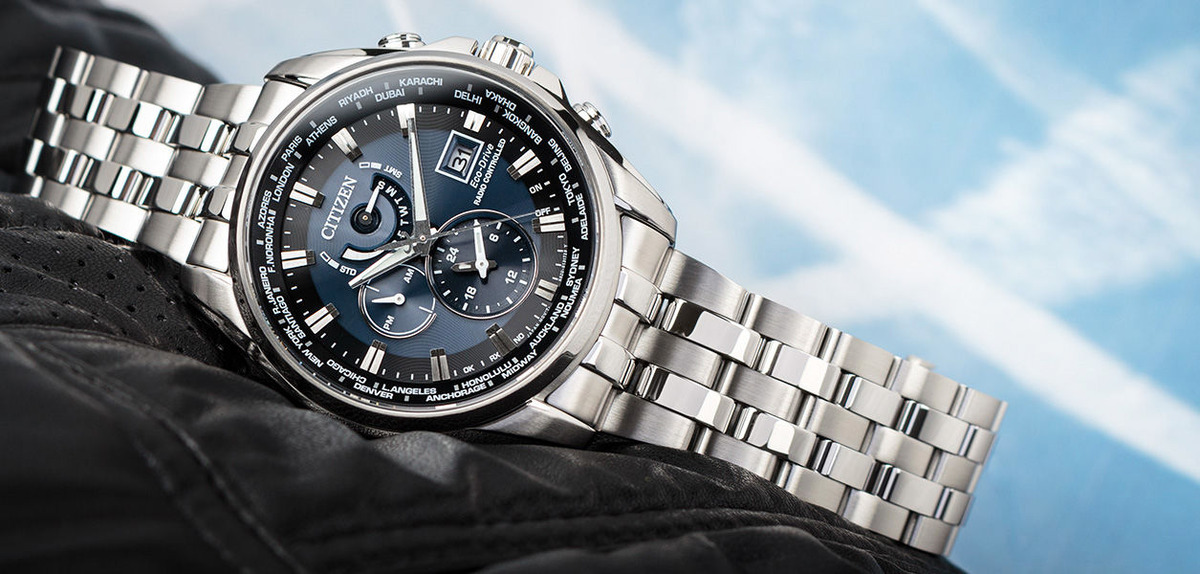
Zegarki solarne - ranking ciekawych modeli i wszystko co warto wiedzieć przed zakupem
Zegarki solarne to nowoczesne połączenie stylu i praktyczności – zasilane światłem, niezawodne i przyjazne środowisku. Dzięki wbudowanym panelom solarnym nie wymagają regularnej wymiany baterii, co czyni je wyjątkowo wygodnymi w codziennym użytkowaniu i bardziej ekologicznymi. W naszym rankingu znajdziesz modele, które wyróżniają się nie tylko atrakcyjnym designem, ale również bogatą funkcjonalnością i imponującą trwałością, idealne dla wymagających użytkowników poszukujących zegarka na lata.
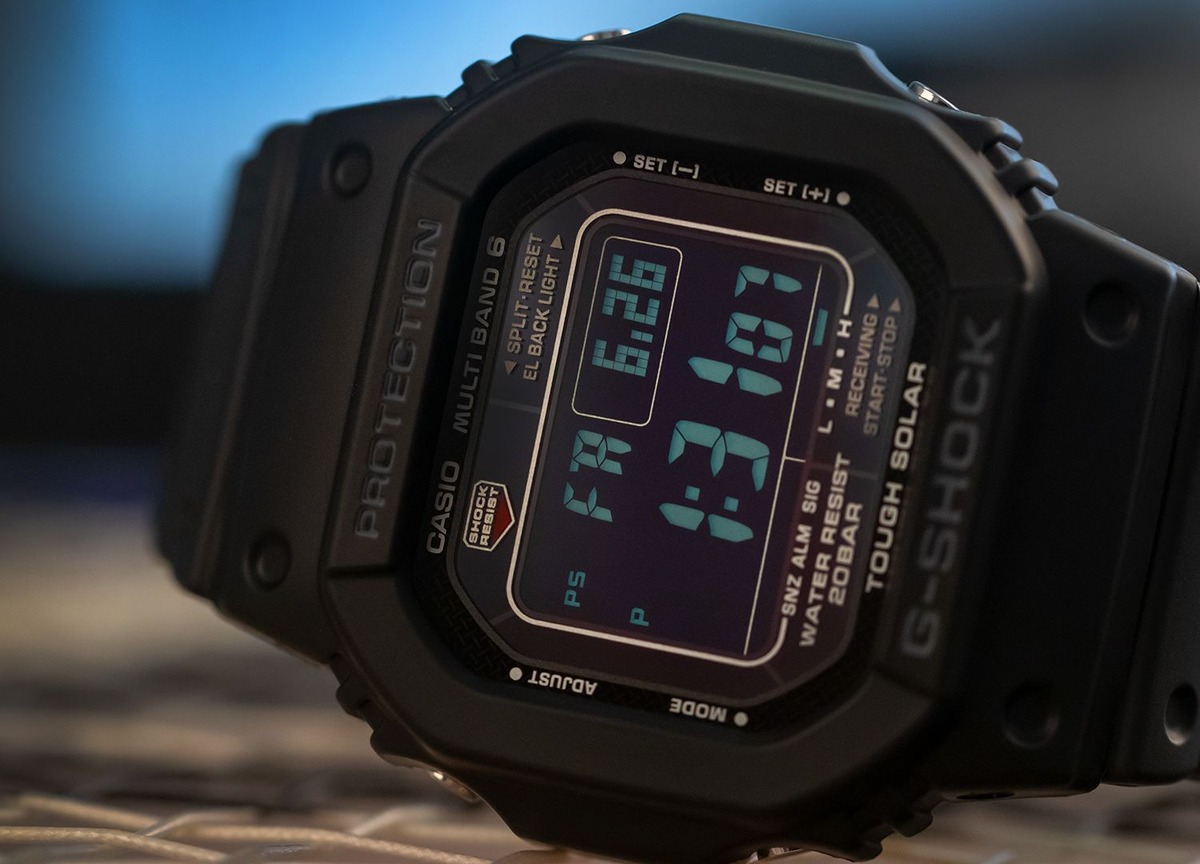
Jak zmienić czas na zimowy w Casio G Shock?
Zmiana czasu potrafi zamieszać – nie tylko w głowie, ale i na nadgarstku. Jeśli nosisz G-Shocka i chcesz szybko przestawić go na czas zimowy, nie musisz zagłębiać się w instrukcje ani zgadywać, który przycisk za co odpowiada. W tym poradniku znajdziesz konkretne wskazówki, proste kroki i sprawdzone triki, które pomogą Ci bez nerwów ustawić zegarek Casio G-Shock – niezależnie od modelu, który masz.
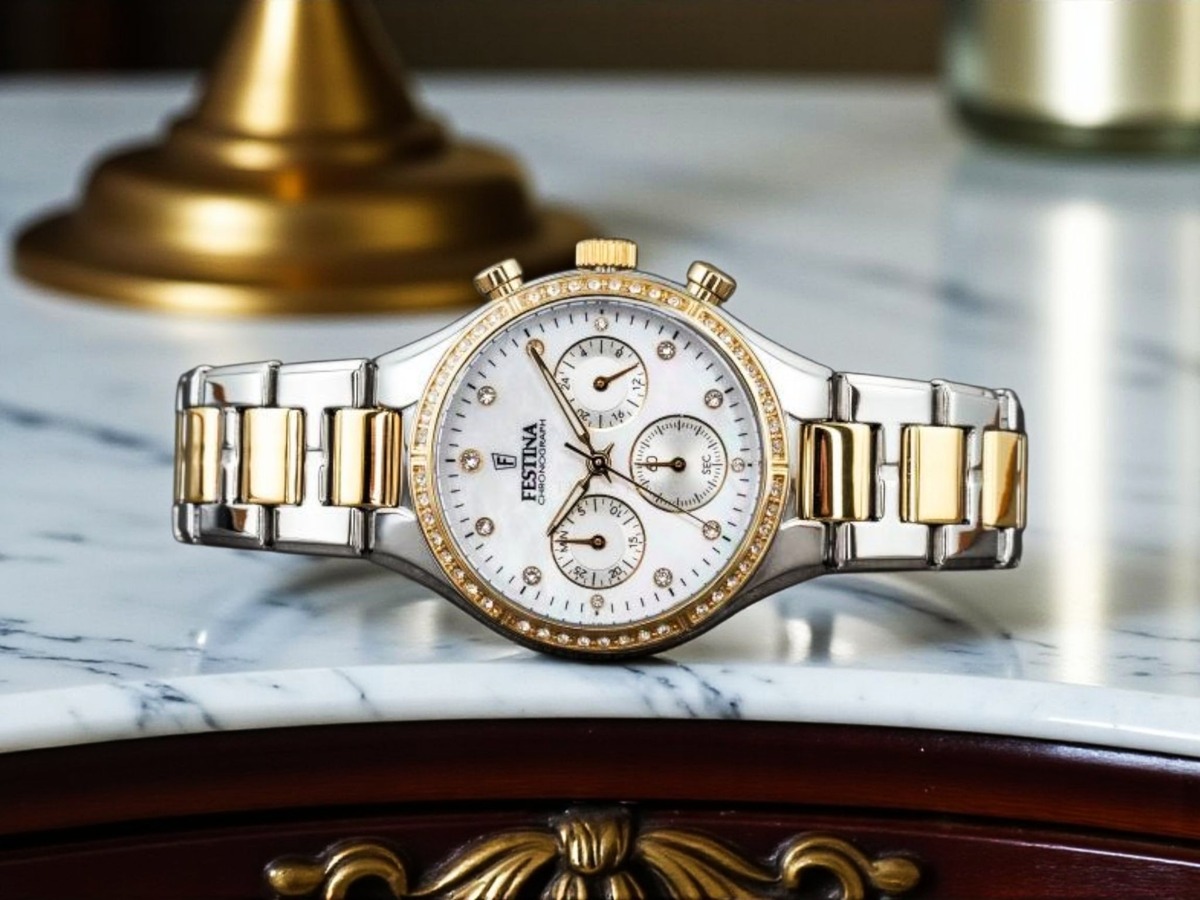
Jak dobrać biżuterię do zegarka? Zasady, inspiracje i gotowe triki stylizacyjne
Dobranie biżuterii do zegarka to nie tylko kwestia gustu, ale przede wszystkim umiejętność stworzenia spójnej, stylowej całości. Zegarek może być subtelnym tłem dla dodatków albo główną ozdobą, wokół której budujesz cały look. Sprawdź, jak łączyć metale, wybierać bransoletki i tworzyć zestawienia, które zawsze wyglądają elegancko i nowocześnie.
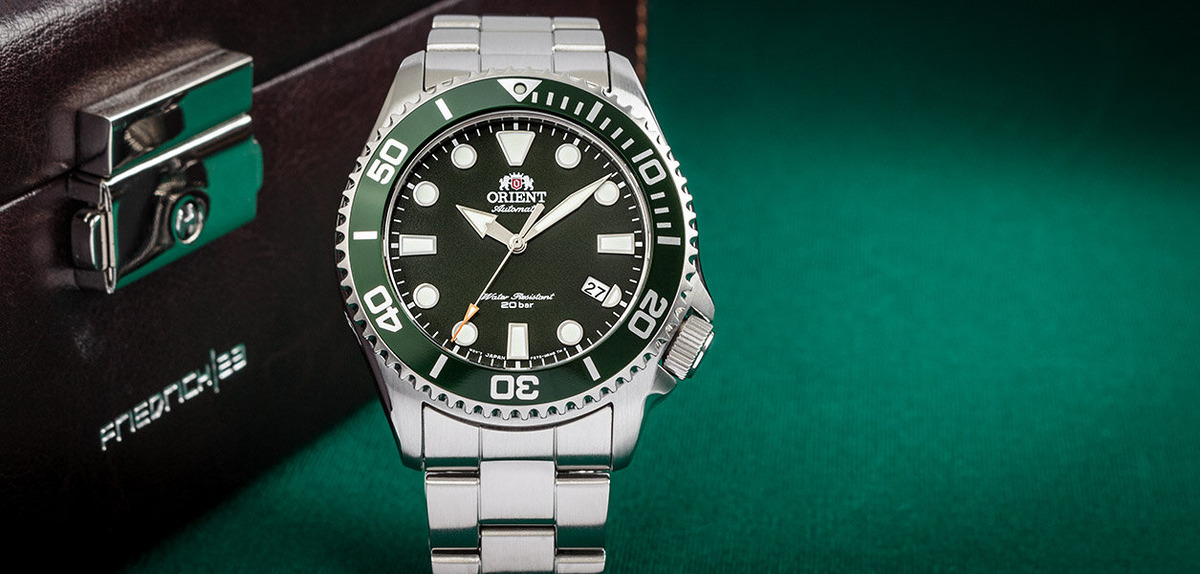
Jaki zegarek na 40 urodziny wybrać? TOP 5 wyborów
Czterdzieste urodziny to wyjątkowy moment – symboliczny etap życia, w którym zegarek może stać się nie tylko praktycznym dodatkiem, ale także wyrazem stylu, statusu i osobowości. Zegarek na 40 urodziny powinien podkreślać dojrzały gust, elegancję oraz indywidualność obdarowanego – kluczowe znaczenie ma jakość, prestiż marki oraz funkcjonalność dopasowana do codziennych aktywności Poniżej przedstawiamy TOP 5 zegarków męskich na 40 urodziny dostępnych w ofercie sklepu WestWatches – zapraszamy!
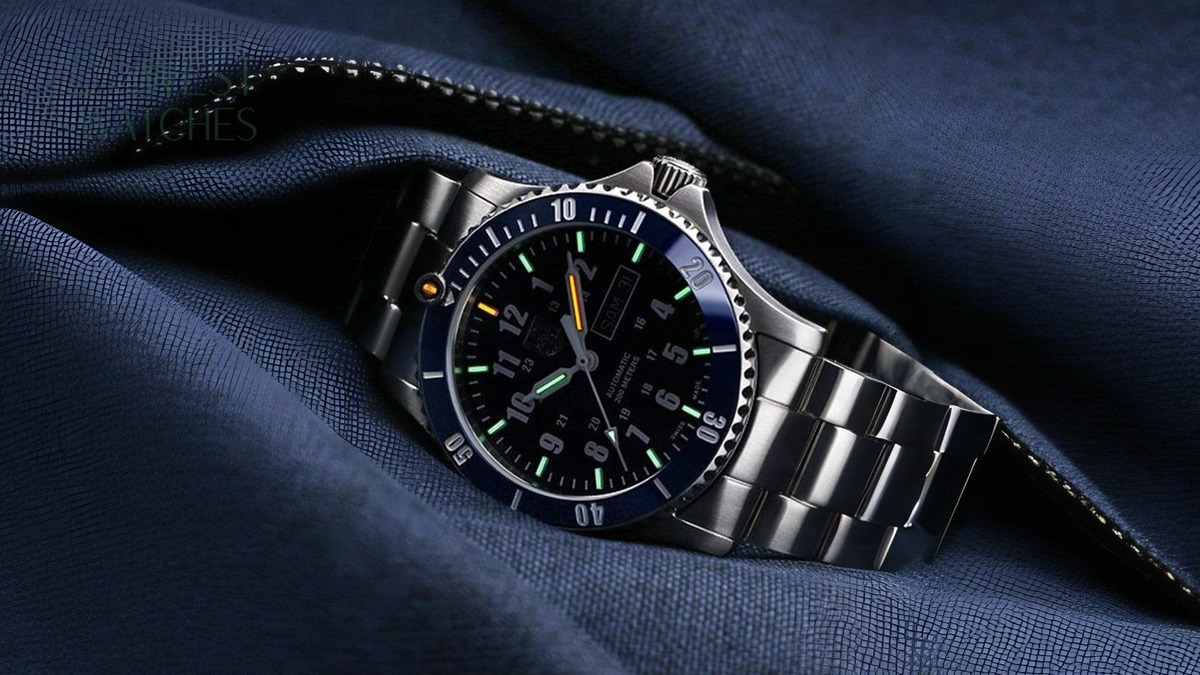
Jaki zegarek kupić na dzień chłopaka? TOP 6 propozycji od West Watches
Dzień Chłopaka to świetna okazja, aby podarować coś wyjątkowego – prezent, który będzie nie tylko praktyczny, ale i symboliczny. Zegarek to zawsze trafiony wybór – elegancki, funkcjonalny i trwały. Ważne jednak, by dopasować go do stylu oraz trybu życia obdarowywanego. Czy woli klasyczną elegancję, sportowy look, a może nowoczesne technologie? Poniżej znajdziesz sześć propozycji z oferty WestWatches.pl, które sprawdzą się jako idealny prezent.
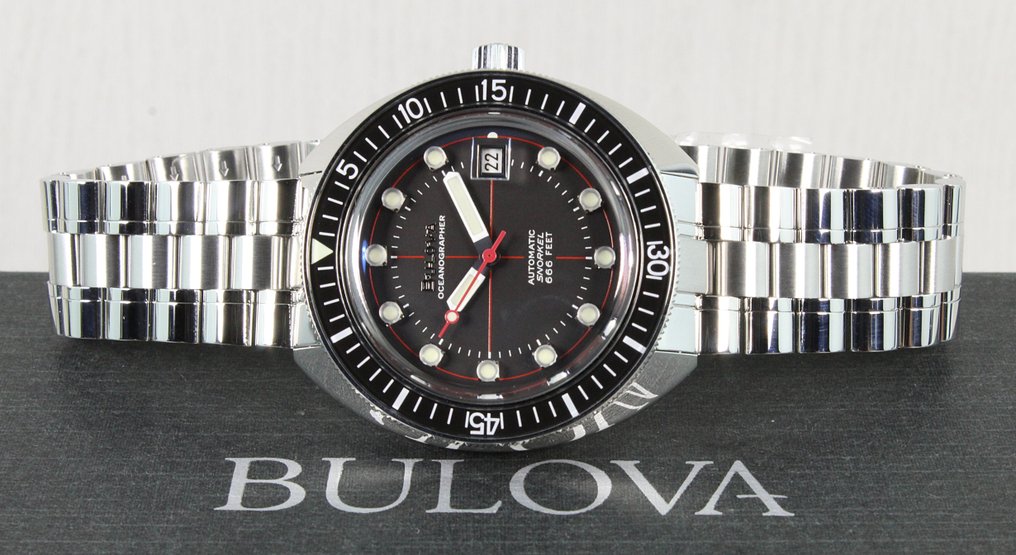
Czym jest bezel zegarka? Wyjaśniamy jego zastosowanie i zalety
Bezel to detal, który często umyka uwadze, a w rzeczywistości decyduje o funkcjonalności, stylu i bezpieczeństwie zegarka. To właśnie ten pierścień sprawia, że czasomierz staje się czymś więcej niż tylko ozdobą na nadgarstku. Dowiedz się, co to jest bezel w zegarku, jak działa i do czego możesz go wykorzystać na co dzień.