



Investing in a watch – where to start and which models retain their value?
When buying or receiving as a gift an elegant, branded men's watch, few people think of it as a potential investment. That kind of thinking is more readily associated with gold or silver bars, or bullion coins. As it turns out, however, just like other high-quality items made from the finest materials, branded watches are also worth considering for their value, which can grow over time. What should you look for to make this kind of investment genuinely worthwhile?
Investing in a watch – can you actually make money?
Investing in a watch can yield a real return, but only with a considered approach and a long-term strategy. The most recognisable models from brands such as Rolex, Patek Philippe, and Audemars Piguet have been known to generate gains of 20–50% over a 5–10 year horizon, and in the case of certain references, even more. Secondary market indices show that top watch "blue chips" have for years grown by an average of several to over ten percent annually, outpacing inflation and often matching the returns of traditional asset classes. The key, however, is choosing the right model – steel sports icons, limited editions, and pieces with a collecting history have considerably greater potential than mass-produced variants.
This does not mean, however, that every luxury watch will automatically become a profitable investment. New models often lose 10–30% of their value immediately after purchase, and the market can be susceptible to fluctuations in trends and investor sentiment – as demonstrated by the correction following the pandemic boom. There are also the costs of servicing, insurance, and the risks of counterfeits or liquidity issues when selling. For this reason, a watch as an investment works best as an element of portfolio diversification, not a quick route to profit. Those who combine market knowledge with patience and select models with a strong collecting pedigree have a genuine chance not only of preserving capital, but also of growing it.
Importantly, below a certain price threshold – typically around 20,000–30,000 PLN – it is difficult to speak of any real investment potential at all. This segment is dominated by mass-produced models which, even if branded, most often fail to generate growth that outpaces inflation and holding costs.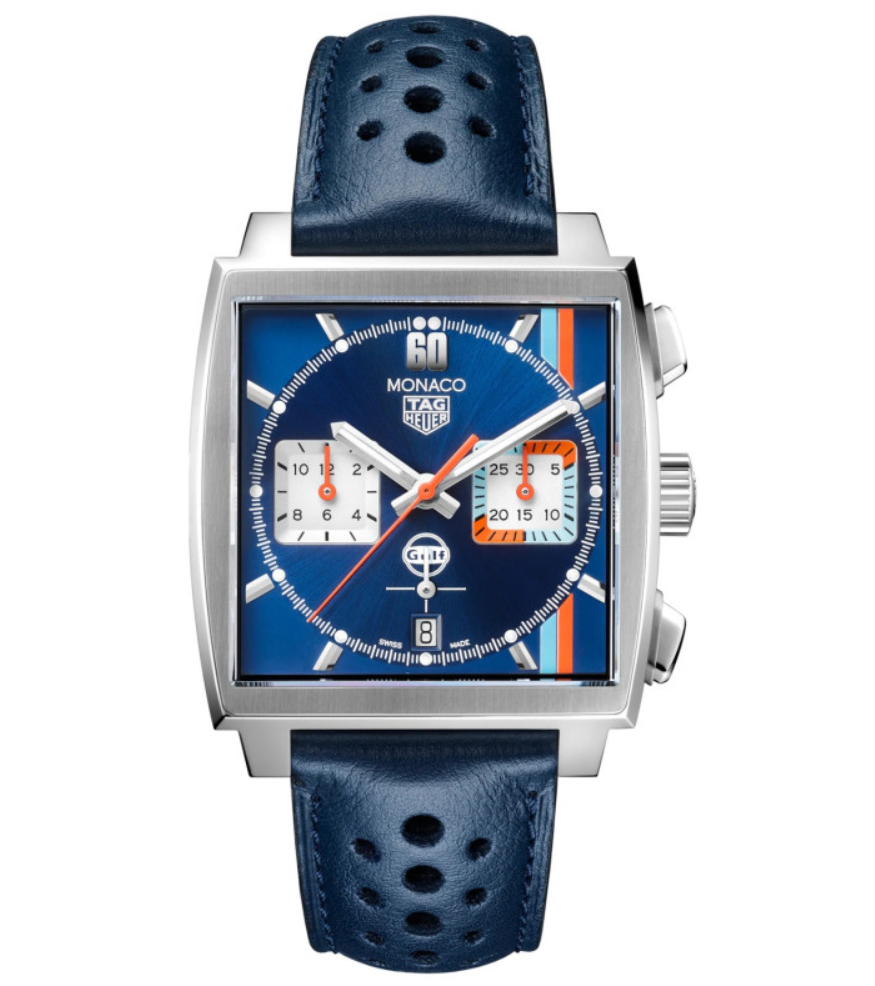
TAG Heuer Monaco x Gulf Automatic 39 mm is an icon of motorsport style, combining the legendary square case with racing colours inspired by the Gulf livery. It's a model with strong collecting potential – its recognisable design, limited-edition character, and iconic heritage make it a perfect example of a watch as an investment with personality.
Which watch is worth investing in?
There's no denying that brand is the single most important factor determining whether your men's watch will appreciate in value over time. Certain manufacturers clearly stand out from the competition. First and foremost, it's worth focusing on brands with a long heritage and strong recognition. We could mention manufacturers such as Rolex and Patek Philippe, which belong to the premium class. Watches from these brands are, however, often beyond the reach of the average buyer. If you are among those who can afford a timepiece of considerable value, don't hesitate – you'll gain not only an elegant accessory, but also a stable place to put your money.
There are also branded watches from other manufacturers available, which are noticeably more affordable, yet can still serve as an excellent basis for capital allocation. If you want to invest in good-quality luxury watches that won't lose value over time, you might consider brands such as:
- Longines – Longines watches are synonymous with luxury combined with outstanding build quality; this manufacturer's Swiss movements have been renowned since 1832,
- Tissot – a brand that has also been operating since the nineteenth century, famed for its exceptionally elegant and durable wristwatches,
- Epos – Swiss Epos watches feature movements refined down to the finest detail,
- Omega – a prestigious Swiss brand that has been producing watches since 1848, recognised worldwide and enjoyed by users and collectors alike.
It is the watch brand that is the first thing to consider when looking to allocate capital in exclusive timepieces. The better known and more highly regarded the brand, the greater the likelihood that the chosen model will appreciate in value over the coming years.
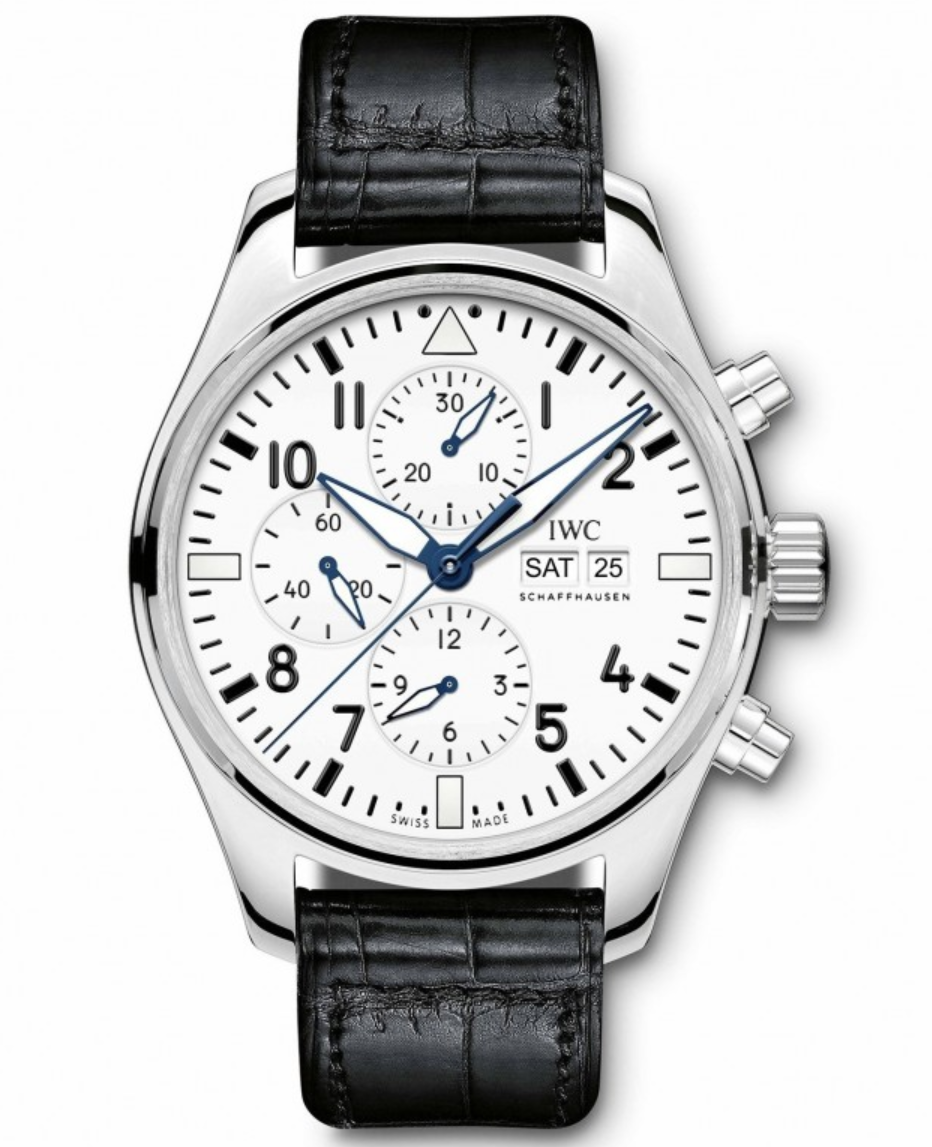
IWC Pilot's Chronograph Edition „150 Years" 43 mm is a tribute to the brand's aviation heritage, presented in an elegant anniversary guise with a classic white dial and blue hands. The limited-edition character and timeless design make this a model with solid collecting potential – particularly for enthusiasts of aviation watches with a history.
Do Omega watches lose value?
Omega watches – like most brands outside the strict "blue chip" elite – can lose value in the first years after purchase, particularly models bought at retail from an authorised dealer at catalogue price. A depreciation of 10–20% on the secondary market is not unusual, especially for regular production pieces. The picture looks different for limited editions (such as the Speedmaster Snoopy) and selected vintage models – these can hold their price or even appreciate over the long term.
Which watches don't lose value? Limited editions and vintage watches – it's not always about buying new!
If you want to approach a watch purchase purely as an investment, pay attention to models that manufacturers release in limited series. Imagine that a particular variant was produced in a run of, say, 10,000 pieces. The price will certainly be steep, but within just a few years or a decade, the value could double – and it will in all likelihood continue to rise.
The second approach, equally interesting and with something of a historical dimension, is buying pre-owned watches. Still branded, of course. Older watch models have the distinction of often being simply unique – the older the piece, the greater the likelihood that very few original, still-functioning examples from a given series remain. Moreover, there are models that may be actively sought after by collectors. Finding one – whether among inherited belongings or in an antique shop – could, quite literally, be striking gold. There is, however, one caveat that every "beginner" investor should be aware of.
Many men's watches, especially older and pre-owned ones, will come without their original packaging, proof of purchase, or certificates. Buying a second-hand model therefore carries the risk of purchasing a counterfeit, or a watch that has been repaired multiple times, is heavily worn, and consequently far less valuable. Those who don't feel confident in identifying the distinguishing characteristics of such pieces should be prepared for the need to verify authenticity and have the watch appraised by a specialist – ideally an expert who specialises specifically in wristwatches.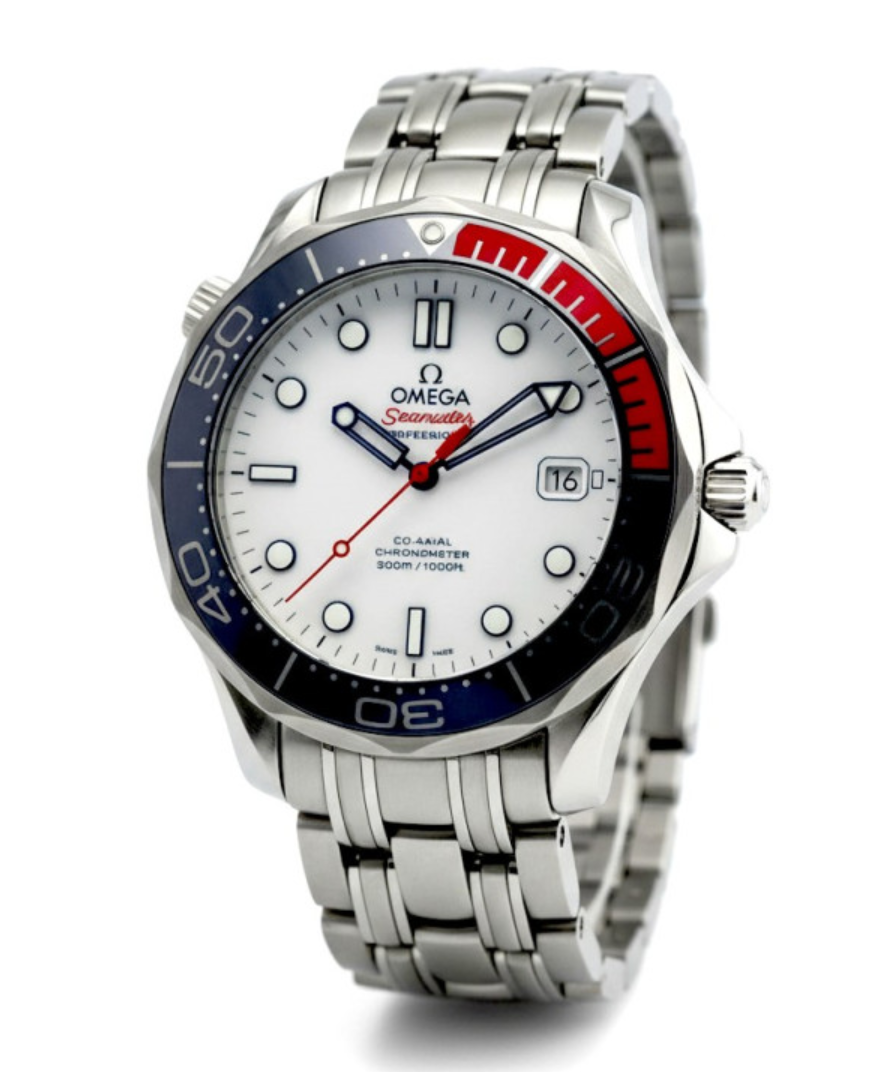
Omega Seamaster 300 Commander's Watch James Bond 41 mm is a collector's interpretation of the iconic diver in colours referencing the British Navy and the 007 character. Its limited-edition nature, strong association with a pop culture icon, and the recognised Seamaster line give it real investment potential in the segment of watches with a story.
Investing in watches – an informed decision, not a guaranteed return
This article does not constitute investment advice, and investing in watches – like any form of capital allocation – always carries risk. A watch as an investment can deliver satisfying results, but many factors influence this: brand, reference, condition, completeness of the set, market conditions, collecting trends, and the timing of both purchase and sale. The market can be volatile, and potential gains are never guaranteed – purchasing decisions should therefore be preceded by analysis and an awareness of the long-term nature of such an investment.
If, however, you are considering investing in a watch or are looking for a model with strong collecting potential, it is worth exploring the offer at the West Watches online watch store. Carefully selected models from reputable brands, verified provenance, and expert guidance allow you to enter the world of luxury watches with greater confidence – whether driven by passion or by the ambition to build a valuable timepiece portfolio.

Krzysztof Szopa
Watch Expert
An expert associated with WestWatches.pl, a destination that has been delivering watches for every occasion for years. Drawing on extensive experience in the watchmaking and jewellery industry, he shares his knowledge with passion, offering professional advice both in the online and physical store. He specialises in selecting original watches, watch accessories, and jewellery that combine exceptional quality with competitive prices. His goal is to help customers find the perfect product that meets their expectations and reflects their personal style.

See popular articles
316L, 904L and surgical steel – what is your watch made of?
Most steel watches, from affordable models to luxury constructions, are made of 316L steel. 904L steel contains more nickel, chromium and molybdenum, and therefore offers higher corrosion resistance, but in itself it does not mean greater scratch resistance. The term “surgical steel”, in turn, does not point to one strictly defined alloy. In watches it most often refers to 316L, but without a specific material designation it may simply be a marketing name. If you are choosing a watch for years, look therefore not only at the words “stainless steel”, but also at the grade of steel, which components are made of the given material and how they are finished.
Japanese or Swiss watches? We compare quality, movements and prices
If you are wondering whether Japanese or Swiss watches are better, the name of the country alone will not give you a good answer. In both cases you will find simple models for relatively little money, solid mid-range automatics and designs belonging to the world's watchmaking high end. Far more about quality will be told to you by the specific movement, the way the case and bracelet are made, the crystal, quality control, accuracy and price. Check how Japanese watches really differ from Swiss ones and what to pay attention to before you choose a model for yourself.
The lifespan of a quartz watch – how long does it really last, and when is it no longer worth repairing?
We value quartz watches above all for their accuracy, convenience and modest day-to-day demands. That does not mean, however, that they can run indefinitely and need nothing more than a new battery once every few years. Over time, the components of the movement itself also wear out, and the moment a watch starts giving trouble can look completely different depending on the model, the way it is used and the availability of parts. So how long can a quartz watch last, what wears out in it most often and when does repair still make sense? Check what its lifespan really depends on.
The second hand on a watch – why does it jump, move smoothly or stop?
The way the seconds hand moves can tell you a lot about a watch's movement, but it is not an infallible test. A single distinct jump per second most often points to quartz, several small movements per second are typical of a mechanical movement, and an almost continuous glide is associated with Spring Drive. There are exceptions, however: there is a quartz watch with a sweeping seconds hand, and a mechanical watch that makes exactly one jump per second. What is more, a stopped hand does not have to mean a fault. Check how to read these signals and when you really need a watchmaker's help.
How do you set an automatic watch? Date, time and time zone 21:00–3:00
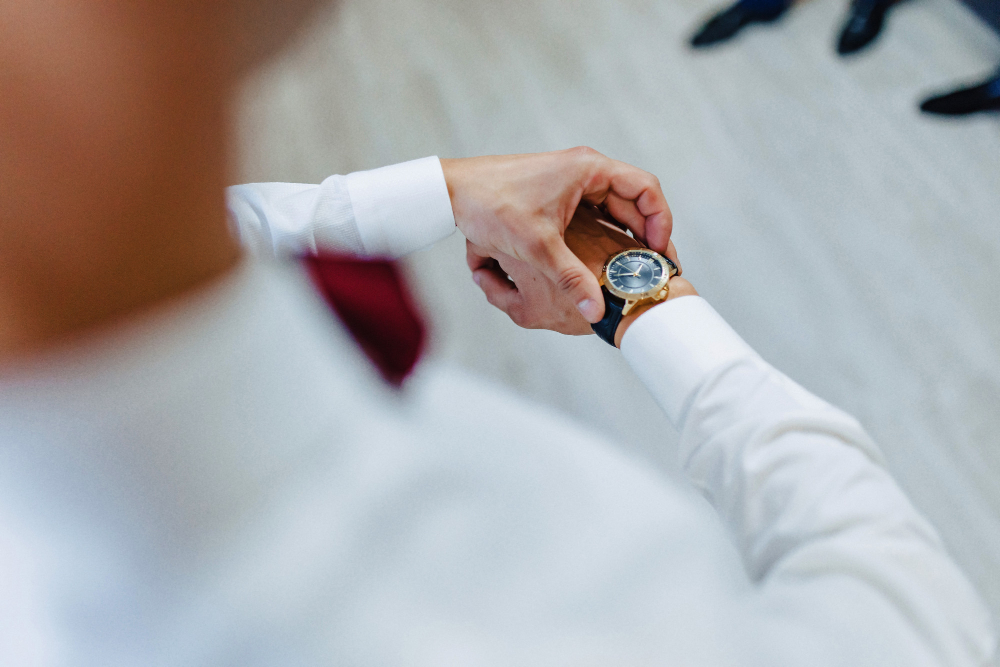
An automatic watch does not need a battery, but it does require a little knowledge from its owner. Setting the time or date seems simple, yet the wrong moment or the wrong way of using the crown can affect how the movement works. Many questions concern changing the date at night, moving the hands backwards and restarting a watch after a longer break. Check how to set an automatic watch correctly, what to pay attention to with the crown and why people often talk about particular caution between 9:00 pm and 3:00 am.

Wodoszczelność 10 ATM i 20 ATM – czy możesz pływać i nurkować z takim zegarkiem?
Co naprawdę oznacza 10 ATM lub 20 ATM na zegarku i czy takie oznaczenie pozwala bez obaw wejść do basenu, morza albo nurkować? Same liczby mogą być mylące, dlatego sprawdź, jak czytać klasę wodoszczelności i dobrać zegarek do aktywności w wodzie.
Water resistance 3 ATM – what does it mean and what can you do with it?
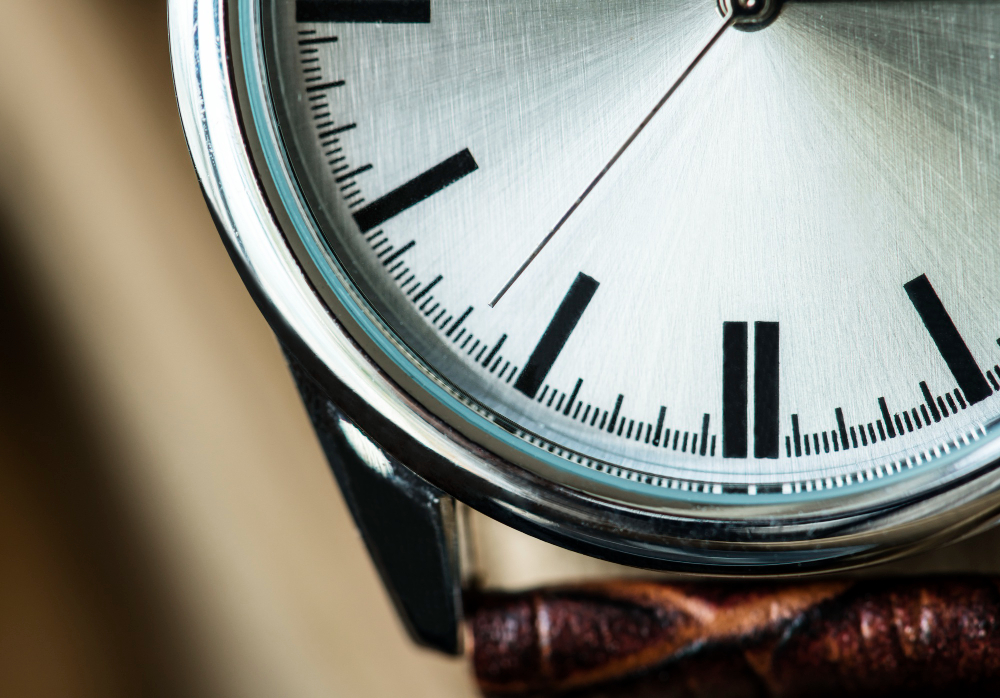
3 ATM water resistance means the watch is prepared above all for rain, accidental splashes and brief contact with water during everyday activities. It does not mean that you can swim with it, shower in it or submerge it to a depth of 30 metres. It is precisely the “30 m” marking that most often misleads. It is the result of a pressure test carried out under controlled conditions, not a declared working depth. So if you see 3 ATM, 3 bar or Water Resistant 30 m on the case back or in the specification, treat the watch as resistant to everyday moisture, but not as a watch for water activities.
Rolex-style watches – the best alternatives to the Submariner, Explorer and Datejust
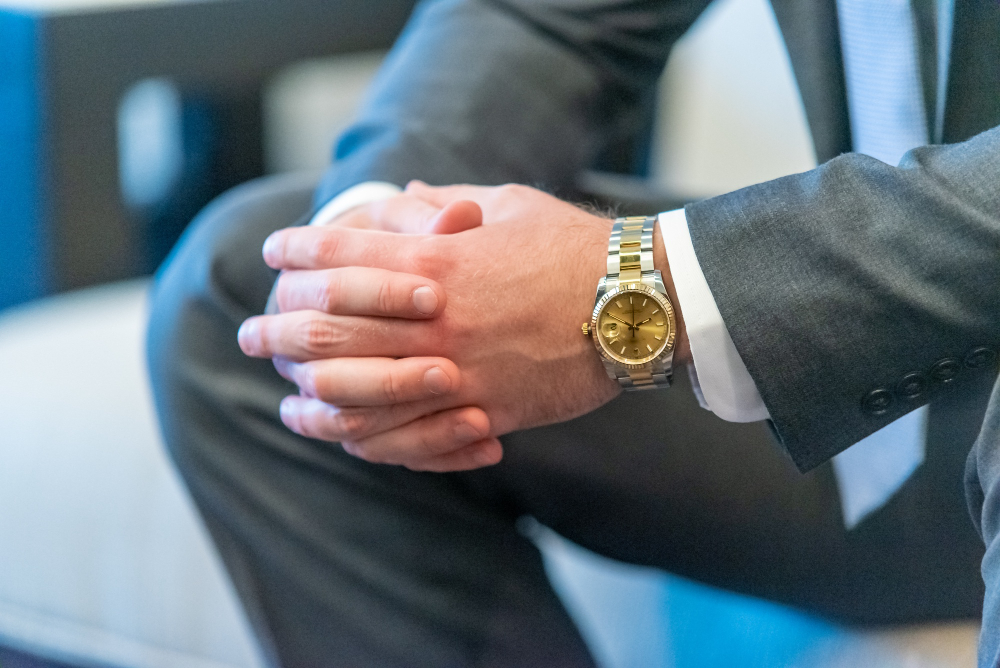
For years Rolex has been one of the most important style benchmarks in the watch world, but its price is not within everyone's reach. That is why it is worth looking at watches similar to Rolex and models inspired by its styling, which offer their own character, solid build quality and much more affordable prices. We are not talking about counterfeits here, but about legitimate watches from other brands that draw on similar solutions and design language. Check out watches inspired by Rolex's style and choose the model that suits your style and budget.
A bronze watch – why does each one change over time?
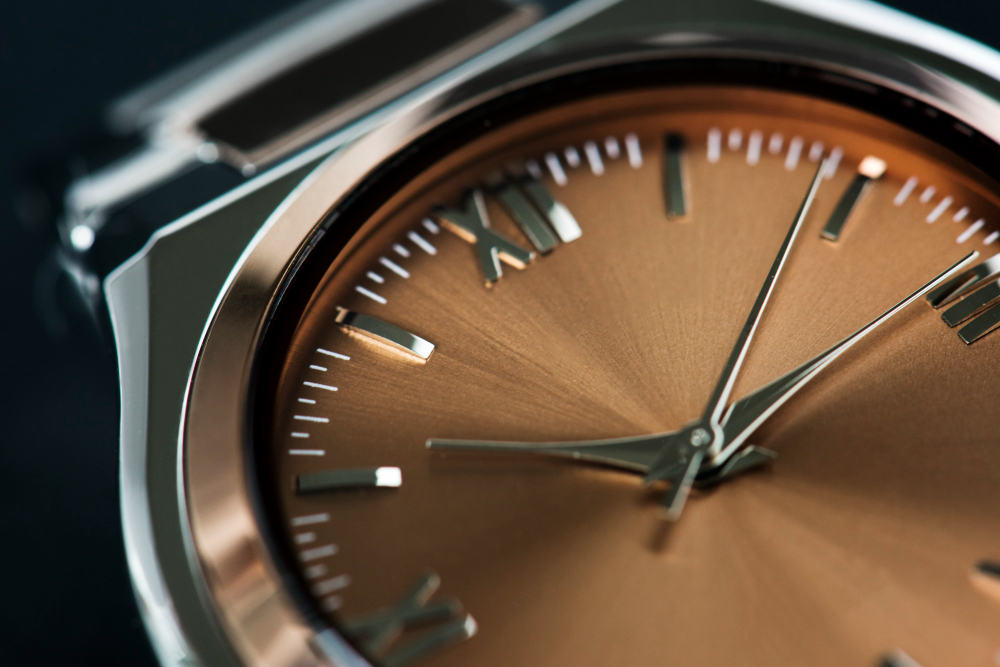
A bronze watch stands out because its appearance changes along with its owner. The case gradually darkens, turns matte and develops a patina, so two identical models can look completely different after just a few months. This is the greatest advantage of bronze, but also a trait you need to accept before buying. If you expect a watch that keeps its factory shine for years, steel may be a better direction. If, on the other hand, you like vintage looks, signs of use and the natural ageing of a material, bronze gives an effect that is hard to achieve in any other metal.