



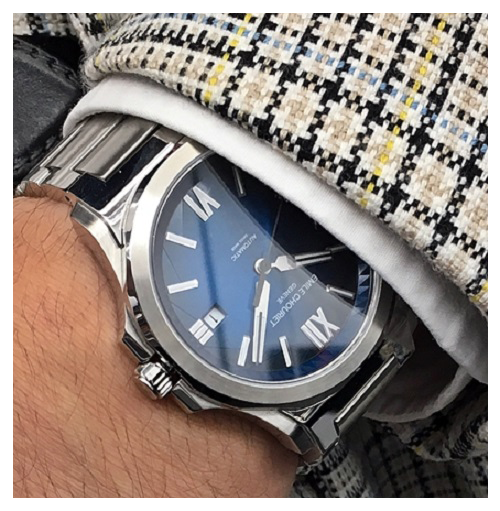
Should a watch be loose or snug? How to find the golden mean?
A watch can look great, but if after a few hours you feel like taking it off and setting it aside, something is clearly off. Fit is one of those details that makes a huge difference, even though it's often overlooked. Too tight and it can tire your wrist; too loose and it'll annoy you with every move of your hand. In this article, you'll find a simple, practical answer to the question of how to wear a watch comfortably, healthily, and without constant adjusting – so that you actually want to keep it on your wrist all day.
Watch on the wrist – how much looseness is still comfort, and how much is already a problem?
This question comes up more often than you might think, because watch fit isn't just a matter of aesthetics. It has a real impact on how you feel throughout the day, how your wrist works, and whether after a few hours you want to keep wearing the watch or take it off and put it on your desk. The sweet spot doesn't mean "by eye" or "the way others wear theirs." It's about conscious fitting, in which the watch sits stably on your wrist but doesn't cause pressure, pain, or annoying marks on your skin.
In practice, a well-fitted watch doesn't rotate freely around your hand, but it also doesn't block wrist movement. The dial stays in place, usually just above the wrist bone, and the strap allows your skin to function normally. A loose watch that keeps sliding toward your palm will quickly become a nuisance – it bangs against the desk, catches on the keyboard, and needs constant adjusting. On the other hand, a tight watch gives a false sense of "security," but over time it starts sending warning signals: discomfort, a feeling of pulsing, tension in the hand./Styczeń 2026/ZEGAREK MĘSKI ZEPPELIN ATLANTIC AUTOMATIC 40mm 8470-3.png)
Zeppelin Atlantic Automatic is an elegant watch inspired by classic aviation design, combining German precision with refined aesthetics. A 40 mm case, automatic movement, and a legible dial with an additional time display make it a stylish choice for lovers of timeless elegance.
That's exactly why the sweet spot means flexible, not rigid, fitting. A watch strap should gently work together with your hand, responding to movement, temperature, and the natural changes in wrist circumference throughout the day. A slight looseness doesn't mean sloppiness, and a gentle press doesn't have to end in pain. Style benefits too, because a watch worn "just right" simply looks cohesive – it doesn't dominate the outfit, but complements it. If a watch looks good only when you're not moving your hand, that's a sign something is wrong with the fit.
How tight should a watch be worn so it doesn't press, irritate the skin, or fly around the wrist?
If you've ever wondered whether the strap is fastened "just right," the good news is that you can check very quickly. No specialized tools, no visit to a watchmaker, and no guessing. The most important rule is the one-finger rule, which in practice works surprisingly well. After fastening the strap, you should be able to slide one finger between the strap and your wrist, without forcing it, but also without any looseness that would allow your hand to move freely.
This is exactly the point at which a tight watch stops being comfortable and a loose watch starts losing stability. If you can't even fit the tip of a finger in, the strap is probably pressing on the tissue too hard, even if you don't feel it clearly yet. On the other hand, a situation in which two fingers fit in comfortably means the watch will shift and quickly start to irritate.
The second step is the movement test, which is best done standing or sitting relaxed. Let your hand hang down and move it naturally. A well-fitted watch may shift slightly, but it shouldn't slide down onto your palm or rotate the case under your wrist. It's a simple way to check whether the strap works with the movement of your hand, rather than fighting against it.
Finally, it's worth paying attention to your skin's reaction after a few hours of wearing. Slight, temporary marks are normal, but prolonged redness, burning, or itching is a sign that something needs adjusting. Contrary to appearances, such symptoms don't always mean the strap is fastened too tightly – sometimes the culprit is the strap material or a lack of breaks in wearing./Styczeń 2026/PASEK SKÓRZANY HIRSCH LIBERTY ARTISAN L 22mm 10900210-2-22.png)
Hirsch Liberty Artisan leather watch strap made of genuine leather is hand-finished and stands out for its raw, vintage character and contrasting stitching. A width of 22 mm, solid construction, and a craftsmanlike aesthetic make it an ideal choice for pilot, field, and classic watches with soul.
Tight watch vs. loose watch – warning signs you shouldn't ignore
Your body signals very quickly when something starts to bother it – it's just that these signals are often dismissed. A tight watch can feel "fine" for a long time, until suddenly a feeling of numbness, tingling, or coldness in your hand appears. That's the moment to stop and react, rather than getting used to the discomfort. Long-term pressure in one spot is not neutral for nerves and blood vessels, even if the symptoms are subtle at first.
On the other hand, a loose watch can also cause problems, though different ones. Constant sliding across the skin increases friction, especially when the wrist sweats. As a result, irritation, abrasions, and rashes can appear, which have nothing to do with an allergy and are caused solely by movement and moisture. Additionally, a watch that hangs loosely is more prone to impacts and scratches, which affects not only appearance but also the durability of the case and glass.
It's also worth paying attention to marks left after wearing. If after taking the watch off a clear imprint remains that doesn't fade for a long time, it's a sign the strap is fastened too tightly. If, however, the watch leaves uneven redness in different spots, it's possible that it moves around too much. Each of these signals is feedback worth taking seriously, rather than ignoring. The comfort of wearing a watch shouldn't be a compromise at the expense of health or everyday convenience./Styczeń 2026/PASEK DO ZEGARKA HIRSCH ACCENT CZARNY KAUCZUK 20mm 40478850-2-20.png)
Hirsch Accent is a sports strap made of high-quality rubber, designed for maximum comfort and resistance to water and outdoor conditions. A width of 20 mm, an elastic structure, and a modern finish make it a perfect complement for dive watches and sports models for everyday use.
Leather, rubber, or bracelet – why the same fit never works the same way?
Not every watch is worn identically, even if on paper everything looks similar. The type of strap or bracelet matters a great deal, because each material behaves differently in contact with skin. A metal bracelet needs a little looseness so the links can work together with wrist movement. Too tight a fit causes the bracelet to pull the skin and wear out faster in critical spots.
Leather straps, on the other hand, require more precise fitting, because leather settles and stretches slightly over time. A new strap may feel a bit stiff, but it shouldn't cause pressure or restrict circulation. If it's very tight from the start, there's a high risk that cracks will quickly appear at the holes or the buckle.
Differences in fit also come from lifestyle. You wear a watch differently in the office, differently on a walk, and differently during a workout. That's why a universal setting rarely works for the whole day. Elastic straps, micro-adjustments in bracelets, or Velcro closures allow you to adapt to changes without constantly taking the watch off. That's exactly why it's worth choosing a solution tailored to your own habits, daily routine, and how you actually wear your watch, rather than going solely by looks. Thanks to the wide range of products at the West Watches online watch and accessories store, you can easily find a strap or bracelet that fits both your preferences and your everyday wearing style.

Krzysztof Szopa
Watch Expert
An expert associated with WestWatches.pl, a place that has been providing watches for every occasion for years. Thanks to years of experience in the watchmaking and jewelry industry, he passionately shares his knowledge, offering professional advice both in the online and stationary store. He specializes in selecting original watches, watch accessories, and jewelry pieces that combine exceptional quality with competitive prices. His goal is to help customers find the perfect product that meets their expectations and accentuates their style.

See popular articles
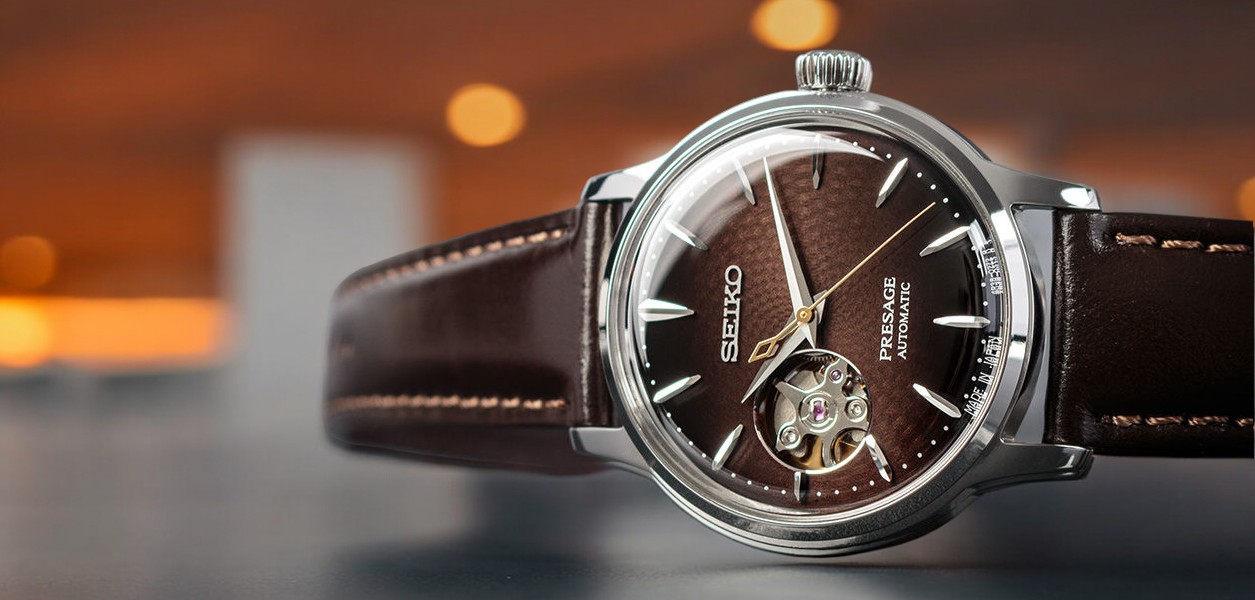
A watch for a 50th birthday – timeless style rather than fleeting trends
Your 50th birthday is the moment when style ceases to be a matter of chance and becomes a conscious choice. This is precisely when you should opt for a watch that doesn’t follow fleeting trends, but builds an image that will last for years – one that is elegant, refined and steeped in history. After all, such a gift should not only bring joy, but also highlight what matters most: experience, class and self-confidence.
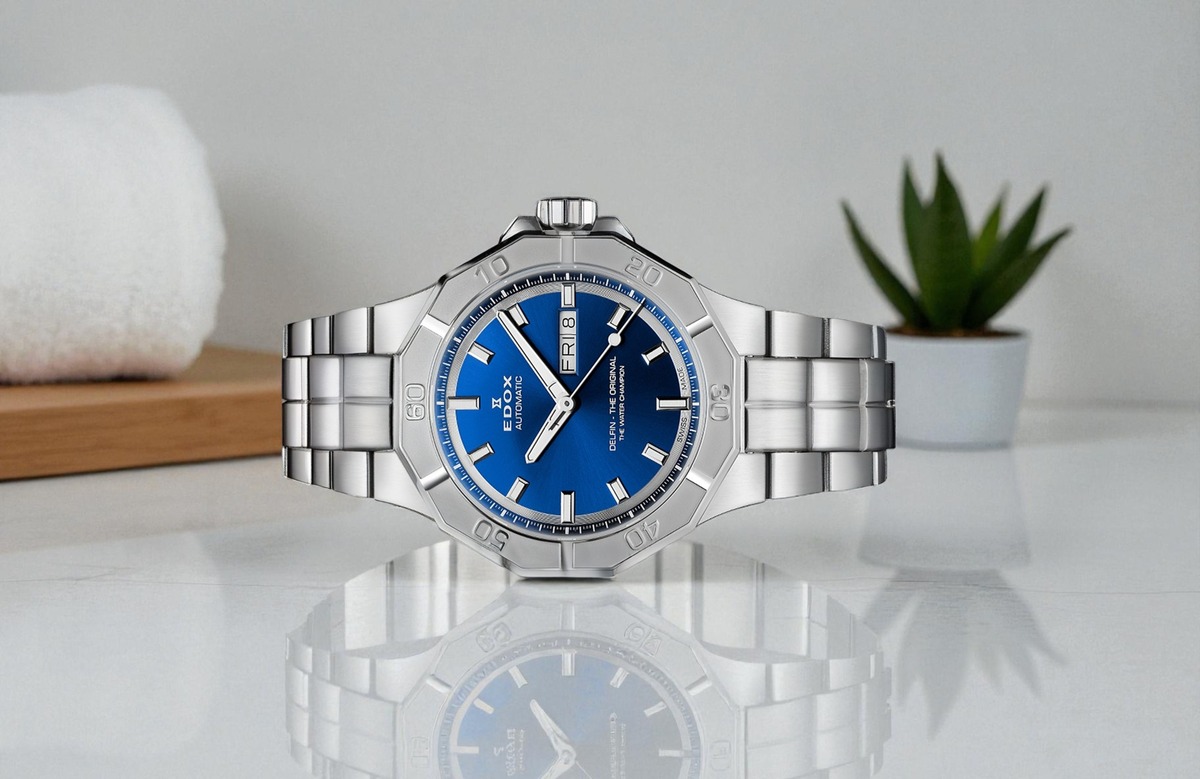
A watch for your 30th birthday – your first ‘proper’ classic timepiece
A birthday is the perfect occasion for a special gift – one that will last for years and become a part of everyday life. A watch is not just a practical accessory, but a symbol of style, maturity and thoughtful choices, which is why it’s worth choosing a model that really makes an impression. We invite you to browse our selection, which will help you find the perfect watch for this special occasion.
Anniversary watches – stylish models that make an impression
A wedding anniversary is a moment that deserves a special celebration – full of emotion, memories and symbolic gestures. Among the many gift ideas, a watch is becoming an increasingly popular choice – one that not only impresses with its elegance, but above all carries a deeper meaning. It is a gift that marks the time spent together, reminds us of the most important moments and becomes a personal keepsake for years to come. How do you choose a model that will truly make an impression and be perfectly suited to your loved one? Here are some practical tips and inspiration.
Ranking of women's sports watches – style, functionality and comfort all in one
A women’s sports watch can be not only a practical companion during exercise, but also a stylish everyday accessory. In the selection below, you’ll find a variety of models to suit different needs – and if you’re looking for the perfect watch for yourself, it’s worth checking out the full range at WestWatches, where you’ll find many more inspiring options.
The best men's sports watches for everyday wear – a ranking of practical models
Are you looking for a watch that can keep up with you in your day-to-day life, yet still perform well in more demanding conditions? Our ranking offers a comprehensive selection of tried-and-tested models – from classics to modern designs. Take a look at our suggestions and choose the sports watch that best suits your lifestyle.
Ranking of Swiss watches under 1,000 PLN – introducing the best models that combine quality and value
Are you looking for a reliable, stylish watch at a reasonable price? Take a look at our selection and see for yourself just how much Swiss models under 1,000 zł have to offer – they’re the perfect blend of quality, design and functionality. Choose the watch that best suits your style and enjoy its reliability every day.
Ranking of Swiss ladies' watches – discover models that impress with their style and precision
Swiss ladies’ watches have long been regarded as a symbol of class, precision and timeless style, which is why choosing the perfect model is often no easy task. In this selection, we have brought together watches that combine the highest quality craftsmanship with exceptional design – from elegant classics to more striking and modern styles that will enhance the character of any outfit.
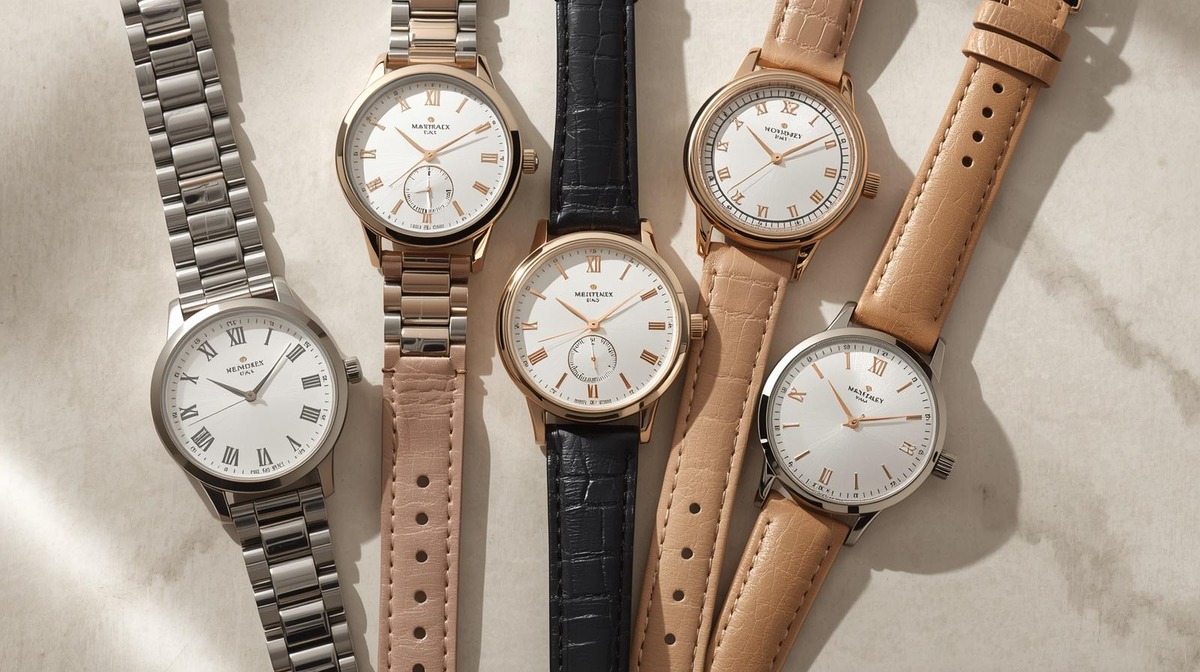
Top 5 women’s watches under 2,000 PLN – find the perfect model for you!
These days, a watch is more than just a way to tell the time – it’s a fashion statement that can highlight your personality, boost your confidence and complete any outfit. We take a look at which men’s watches under 2,000 zł are really worth keeping an eye on, and which models best combine design, quality and functionality.
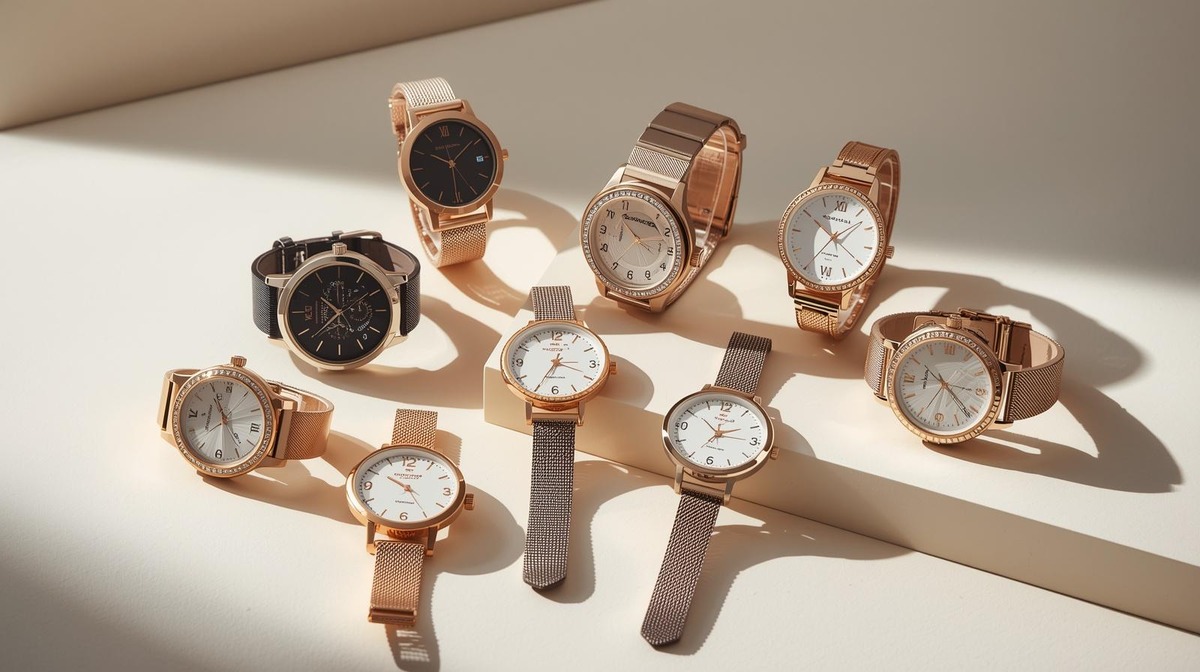
Interesting ladies’ watches under 1,000 PLN – check out our ranking of 8 standout models!
Finding a stylish and reliable watch at a reasonable price has never been easier. In the under-1,000 zł price range, there are plenty of models that will surprise you with their build quality, design and functionality. Check out our ranking of the most interesting options and see for yourself that a good ladies’ watch doesn’t have to cost a fortune.