



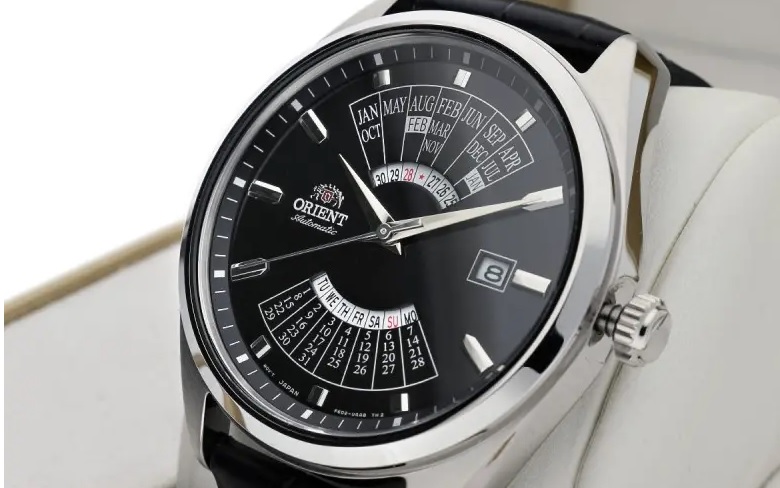
How should you wear a watch on a daily basis? Check out these simple tips
A watch has long since ceased to be treated as a mere gadget for checking the time. Today, what matters just as much is that both men's and women's watches are a special piece of jewellery that often reflects a person's class and style. A watch works equally well in formal situations and in everyday outfits worn in the comfort of one's home. How should you wear a watch so it always looks great and suits a variety of occasions? Let's talk about that!
How Should You Wear a Watch? Practical Rules, Style and Comfort in Everyday Use
Both in formal and informal situations, you can bear in mind the accepted rule that a watch is worn on the left wrist. There are, however, a few exceptions to this rule, so left-handed people for whom comfort is the top priority may want to consider buying a watch with the crown positioned on the left side of the case. This option also applies to anyone who, for various reasons, prefers wearing their timepiece on the right wrist – it is worth remembering, however, to choose an appropriately designed men's watch model.
It is worth keeping in mind that for many women a watch serves as jewellery, so it should be matched not only to their lifestyle, but also to their other accessories – particularly in terms of colour, such as gold or silver tones. Equally important is choosing the right case size for your build – more petite individuals tend to look better in watches with a diameter of 24–28 mm, while taller people can opt for larger models above 32 mm, which will be more proportional and striking.
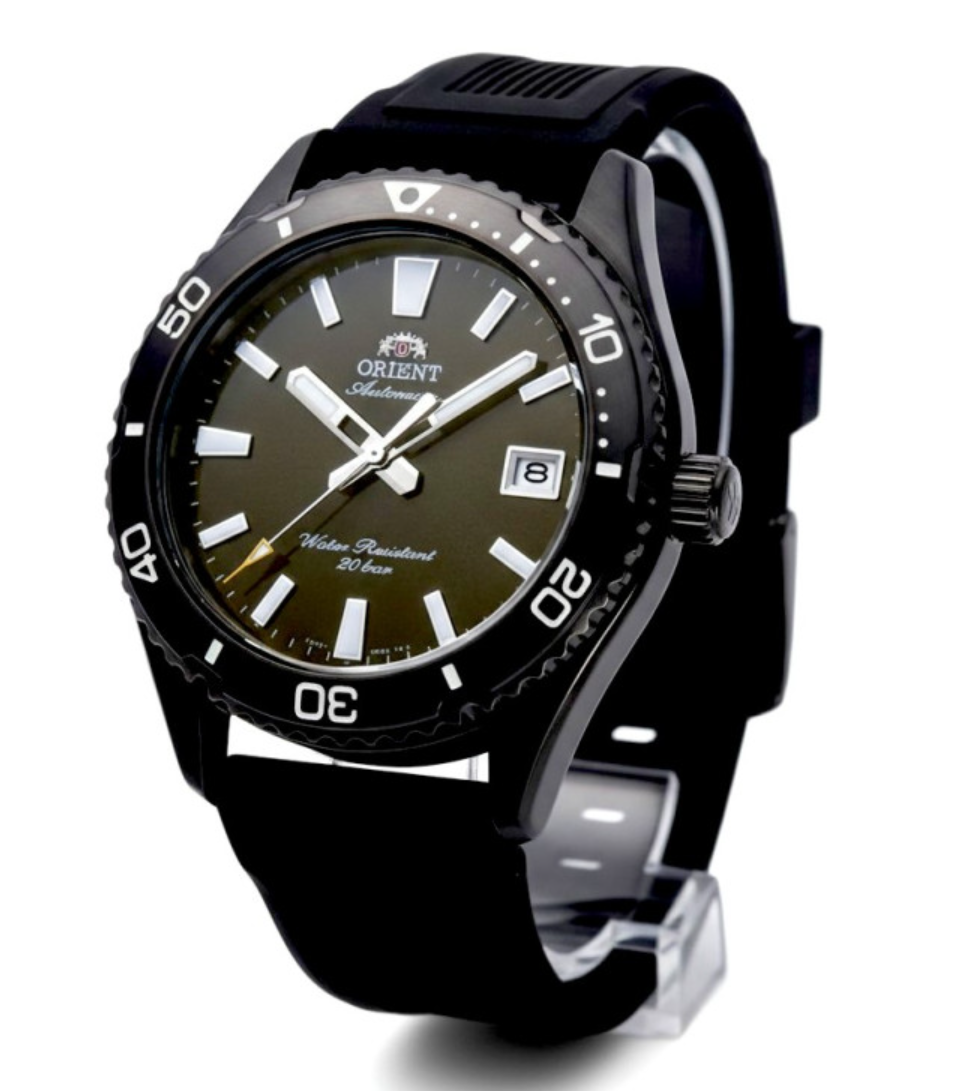
Orient Sports Mako Diver Automatic 40 mm is a proposal for men who appreciate classic design in a modern form – the universal 40 mm size means the watch sits beautifully on almost any wrist. Its solid construction, sporty character and automatic movement create a model that performs equally well in everyday wear and more demanding conditions.
How to Wear a Watch? Let's Talk About Sizes
Choosing the right watch size is one of the key factors affecting both wearing comfort and the overall aesthetic of an outfit. A case that is too large can overwhelm the wrist and look disproportionate, while one that is too small may appear ill-fitted. What matters is not only the dial diameter, but also the case thickness, strap width and the overall proportions of the watch relative to the wrist.
In practice, it is worth being guided not only by rigid rules, but also by your own style and comfort. A well-chosen watch should sit harmoniously on the wrist, not extend beyond its edges and not restrict movement. Size is not just a matter of appearance – it is also about everyday wearing comfort.
How to Wear a Men's Watch?
When it comes to men's watches, larger case diameters are the most popular choice, but matching them to wrist circumference is key. For narrower wrists, watches in the approx. 38–42 mm range tend to work best, while broader wrists can carry larger models. It is important that the lugs do not extend beyond the wrist and that the overall look is proportional.
The case diameter (the dial without the crown) should be proportional to the wrist circumference – smaller for slender wrists, larger for more substantial ones. Below is a reference table.
|
Wrist circumference |
Wrist type |
Recommended case diameter (mm) |
|
up to 16 cm |
Very slim |
36–40 |
|
16–17 cm |
Slim |
38–42 |
|
17–18 cm |
Medium |
40–44 |
|
above 18 cm |
Broad |
42–46+ |
A men's watch should also be matched to one's lifestyle – an elegant, slim dress watch is ideal with a shirt, while a larger and more substantial model will suit everyday or sporty outfits. The key is combining comfort, functionality and aesthetics.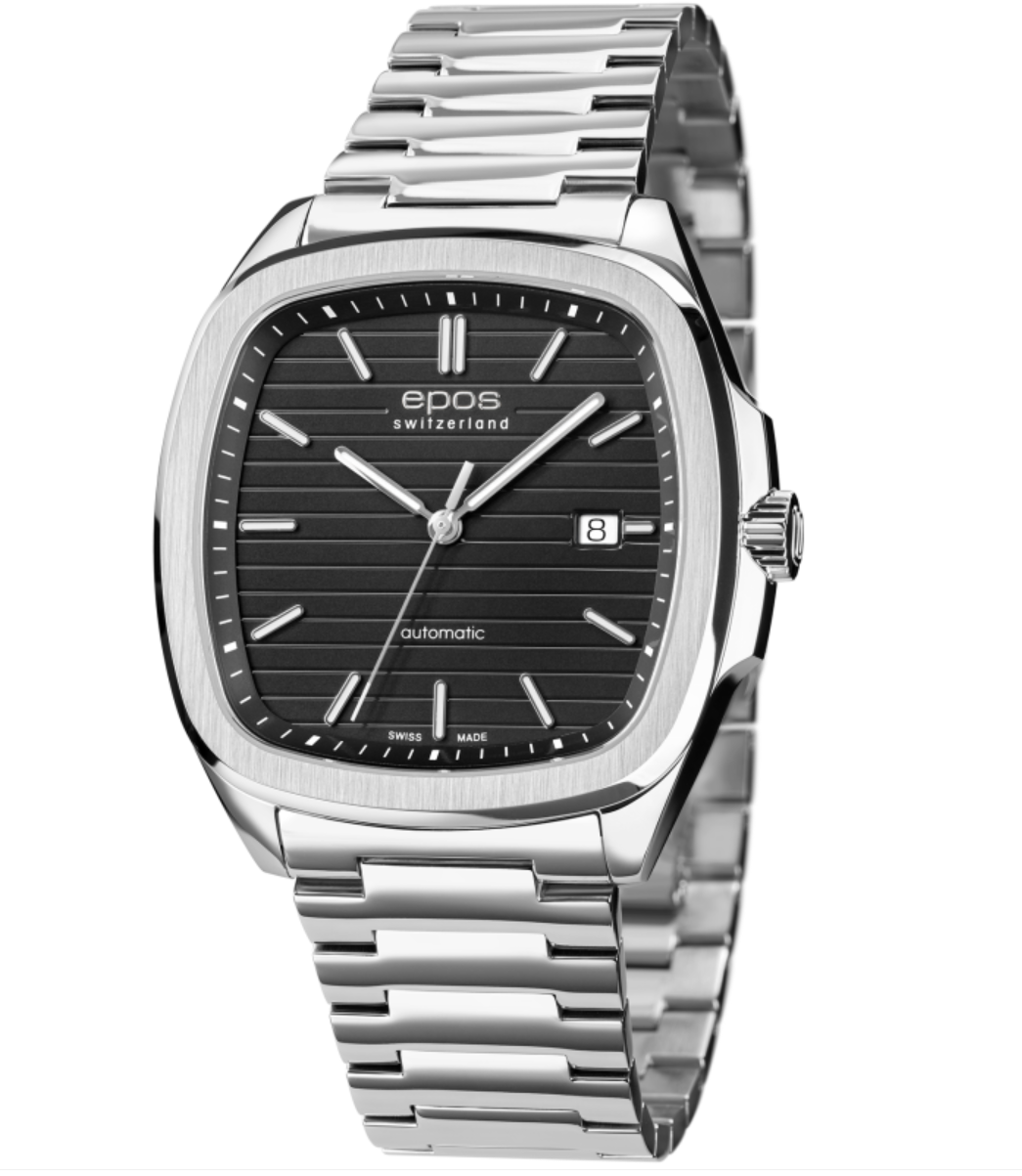
Epos Timeless Automatic 40 mm is an elegant timepiece that impresses with its simplicity and timeless aesthetics – its versatile design makes it a perfect match for everyday outfits, both casual and more formal. Its automatic movement and refined details highlight the Swiss quality that goes hand in hand with everyday wearing comfort.
How to Wear a Women's Watch?
Women's watches typically feature smaller, more delicate cases, but modern fashion allows a great deal of freedom in choosing. Women are increasingly reaching for larger unisex or oversized models, treating the watch as a statement piece in their outfit. Maintaining proportions relative to the wrist remains important, however.
With women's watches, the form also plays a significant role – slim cases, subtle straps or jewellery-style bracelets emphasise lightness and elegance. Regardless of trends, one thing remains paramount: the watch should sit well, be comfortable and match an individual's personal style.
|
Wrist circumference |
Wrist type |
Recommended case diameter (mm) |
|
up to 14 cm |
Very petite |
24–30 prisma+1 |
|
14–16 cm |
Petite |
28–34 aurifo+1 |
|
16–18 cm |
Medium |
32–38 timetrend+1 |
|
above 18 cm |
Broader |
36–42 (unisex) aurifo+1 |
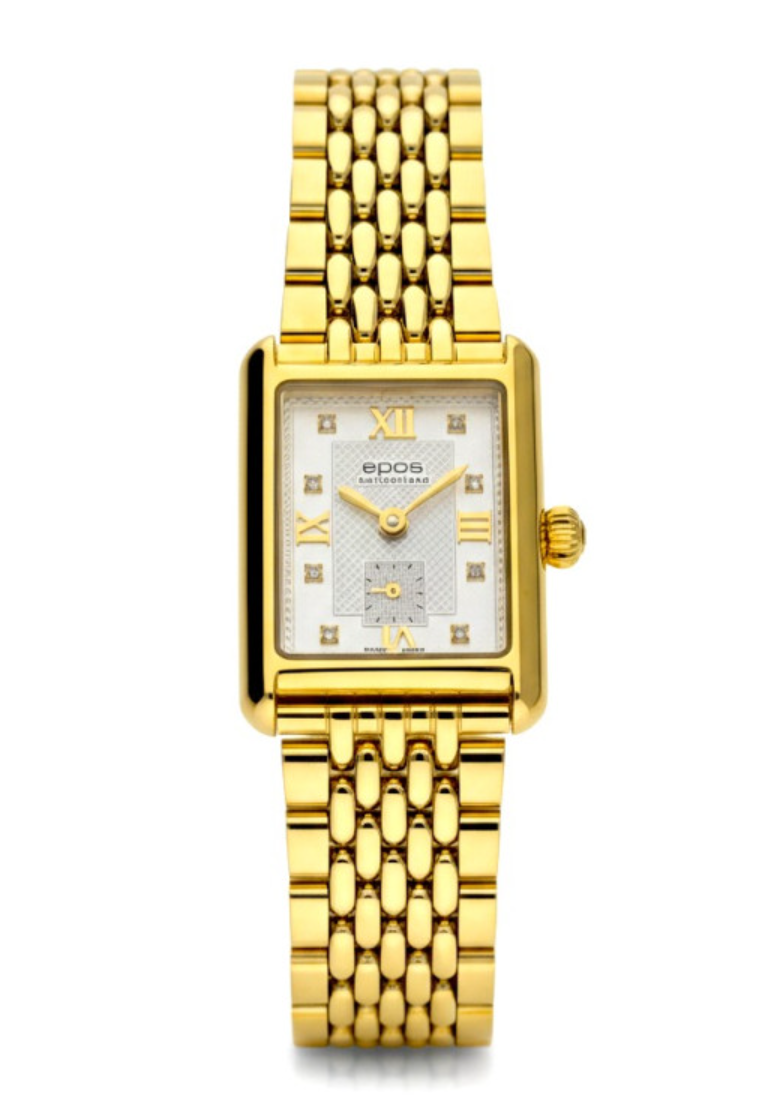
Epos Ladies Diamonds 21 mm is an exceptionally subtle and elegant watch that captivates with its jewellery-like character and refined details. The small 21 mm case means the model sits beautifully on petite wrists, providing comfort and a distinctly feminine look for everyday wear and special occasions alike.
How High Should You Wear a Watch?
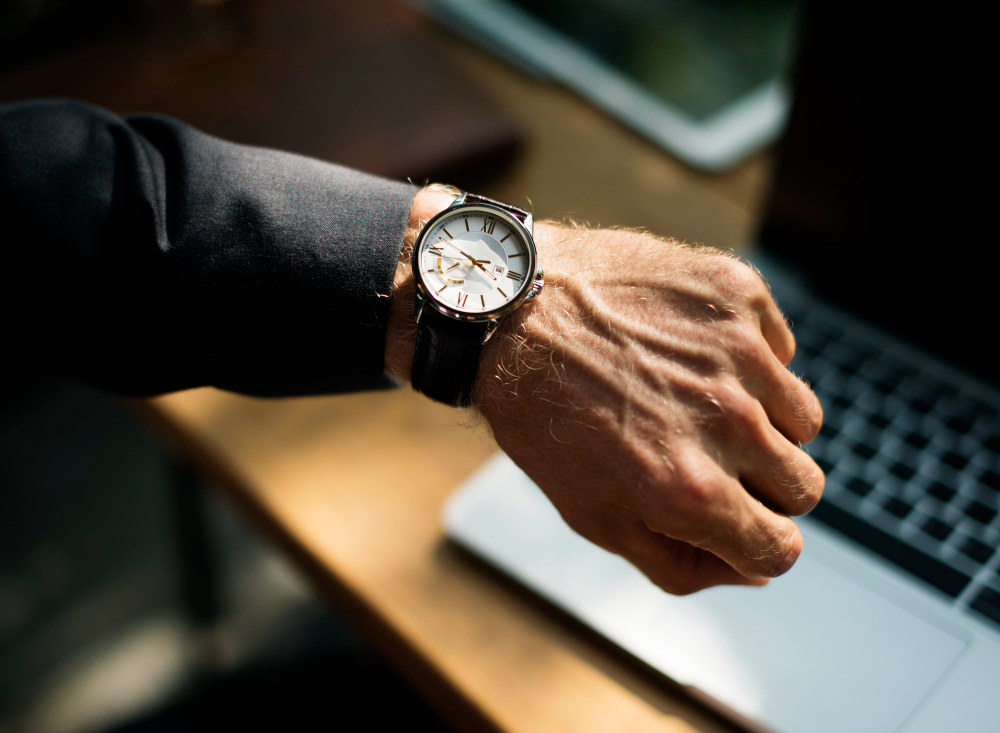
A watch should be worn just above the wrist bone (ulna), which ensures stability and prevents it from sliding during everyday movements. Positioning it too low can restrict freedom of movement in the hand, while too high looks unattractive and may conflict with a shirt cuff.
The optimal position is one where the watch sits naturally above the bone, with the dial facing upwards. This makes it comfortable to use, easy to glance at quickly and elegant-looking in any situation. It is worth remembering, however, that these are general guidelines – the most important thing is that the watch is comfortable to wear above all else.
How Loose Should a Watch Be?
A watch should be fitted in such a way that it does not press against the wrist, but does not slide freely with every movement of the hand either. Ideally, you should be able to slip a finger between the strap and your skin – this is a sign that it is loose enough while still being stable. This balance ensures all-day wearing comfort, without the feeling of tightness or the watch sliding around annoyingly.
A watch that is too loose can not only look unattractive, but also knock against the wrist, which over time simply becomes uncomfortable. Conversely, one that is too tight restricts freedom of movement, can cause pressure marks and may even affect circulation. That is why the key rule is simple – a watch should be well-fitted, but above all comfortable and barely noticeable during everyday use.
We covered this topic in more detail in another article: Should a Watch Be Loose or Fitted? How to Find the Golden Mean?
How to Wear a Watch with a Shirt? What About Cuffs?
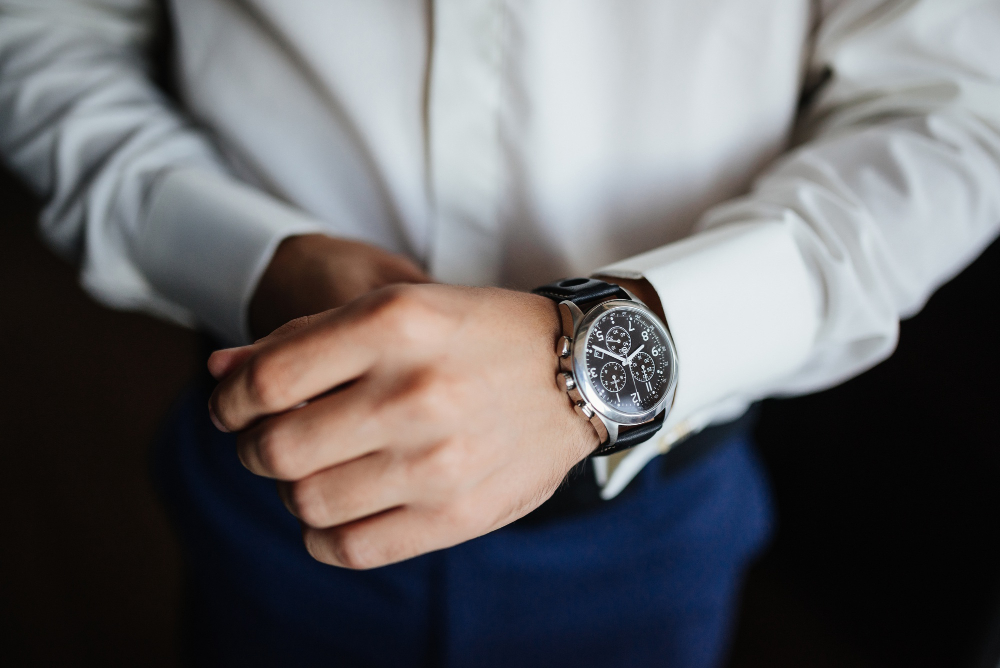
A watch worn with a shirt should subtly peek out from beneath the cuff when the arm is extended, but must not block it or pull it up excessively. Slim dress watch models work best here, as they fit effortlessly under a narrower cuff and do not disrupt the elegant line of the outfit. It is also worth considering a slightly looser cuff, which increases comfort when wearing a watch day to day.
To keep the overall look coherent and stylish, it is a good idea to match the watch strap to the colour of your shoes or belt. The classic rule states that a black watch strap pairs best with black shoes, and a brown strap with shades of brown – from lighter to darker tones. With men's watches on a bracelet, it is worth paying attention to the colour of the case and details, so they harmonise with other elements such as the belt buckle or cufflinks.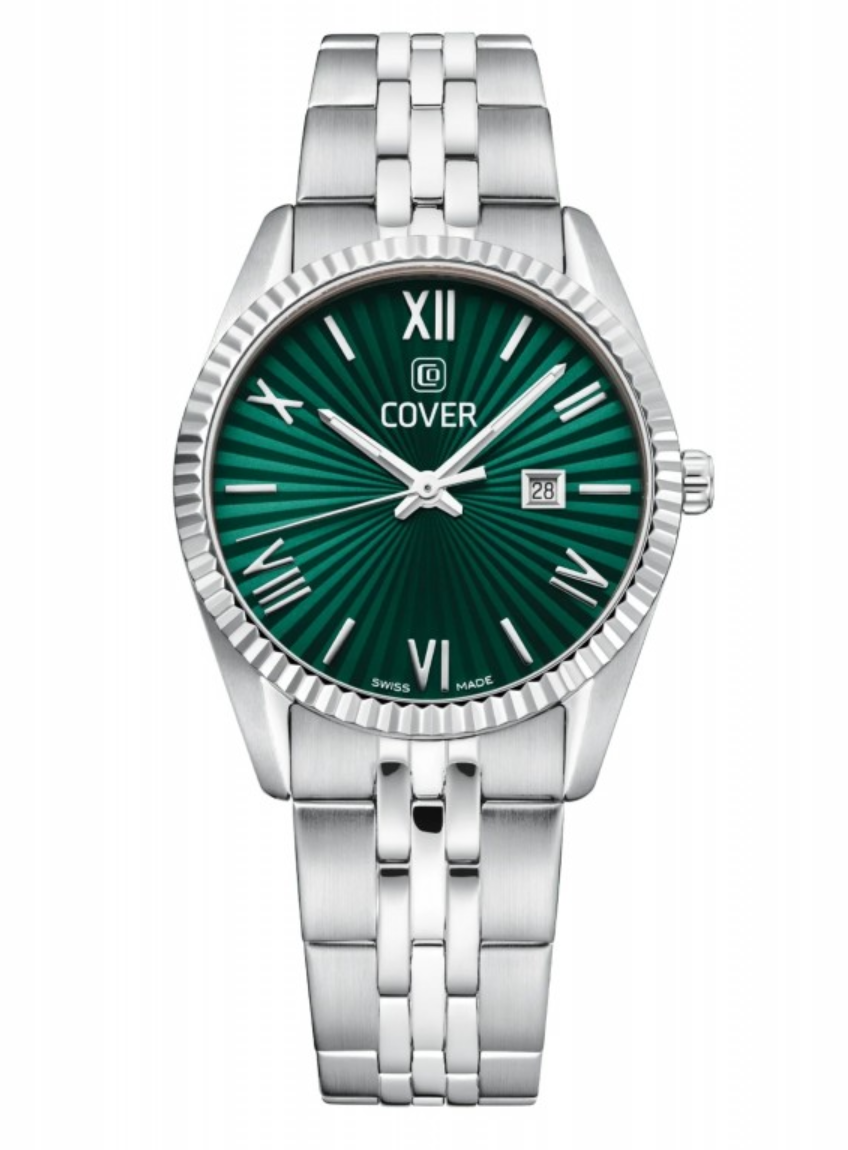
Cover Alston Lady 30 mm is an elegant watch that draws attention with its stylish green dial and timeless steel finish. The compact 30 mm case means the model sits beautifully on a feminine wrist, combining subtlety with everyday functionality.
These kinds of details build the image of a person who is style-conscious and aware of the rules of elegance, even when the overall look is kept minimalist. This way, the watch is not a random accessory, but an integral part of the outfit, emphasising its character and adding a touch of class.
Wearing a Watch Every Day – How to Choose the Right Model?
Choosing an everyday watch should be matched not only to your style of dress, but also to your lifestyle and personal preferences. Classic men's watches are an ideal choice for those who appreciate elegance and a timeless look – they pair perfectly with a shirt, suit or smart casual attire. Men's sports watches, on the other hand, suit active men who need a durable, functional accessory for everyday, more casual outfits such as jeans, a sweatshirt or sportswear. Men's vintage watches are also growing in popularity and will appeal to fans of classic style with a retro touch – they complement outfits inspired by past fashion trends, but also add character to modern looks.
For women, the choice is equally broad and depends on the effect you wish to achieve. Women's fashion watches are a great choice for those who treat a watch as a piece of jewellery – they often feature interesting designs and suit everyday, urban outfits. Women's sports watches are appropriate for active women who prioritise comfort and functionality, both during workouts and in casual ensembles. An interesting option is also women's aviation watches, which combine a distinctive character with a legible dial and larger case – ideal for women who enjoy bolder accessories and a style inspired by travel or technology. Whatever you choose, the most important thing is that the watch suits your lifestyle and is comfortable for everyday wear.
There is a growing trend of wearing a watch with bracelets or other jewellery, creating cohesive and stylish combinations. This is particularly popular in women's fashion, but is increasingly appearing in men's styling too. The key is restraint and matching colours and materials so that accessories complement one another, rather than competing for attention.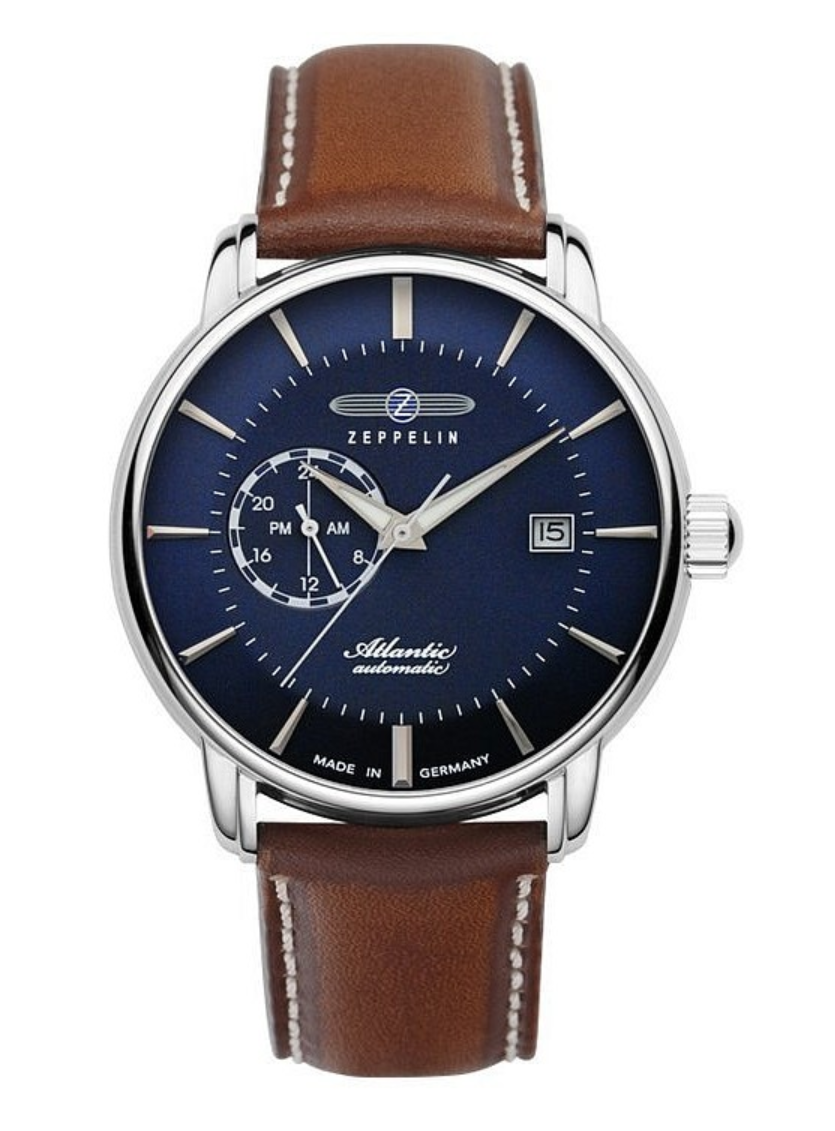
Zeppelin Atlantic Automatic 40 mm 8470-3 is an elegant watch inspired by aviation classics, captivating with its navy dial and stylish leather strap. The versatile 40 mm case means the model looks great on most wrists, combining timeless design with everyday wearing comfort.
How to Wear a Watch Correctly?
Although there are generally accepted rules for wearing a watch – such as positioning it above the wrist bone or matching it to your outfit – in practice, the most important thing is a personal approach. It is increasingly common to see people who consciously break these rules and develop their own watch-wearing style. Some examples? A watch worn loosely, almost like jewellery, sliding along the wrist. Wearing a watch on the right wrist, even if you are right-handed. Wearing large, sporty models with an elegant shirt, or conversely – minimalist watches with loose, streetwear outfits. Some people also choose to wear their watch on the same wrist as bracelets or bands. In practice, nothing holds us back – what counts is your own style, comfort and the simple fact that the watch feels good to wear.
Ultimately, the most important thing is that you simply like your watch and find it comfortable in everyday use. It is an accessory that should suit your lifestyle and personality – not confine you to rigid rules. If you are looking for the right timepiece for yourself or an idea for an elegant gift, it is worth exploring the offer at the WestWatches online watch store – you will find a truly wide selection with us!

Krzysztof Szopa
Watch Expert
An expert associated with WestWatches.pl, a place that has been delivering watches for every occasion for years. Thanks to his extensive experience in the watchmaking and jewellery industry, he passionately shares his knowledge, offering professional advice both in the online and brick-and-mortar store. He specialises in selecting original watches, watch accessories and jewellery pieces that combine exceptional quality with competitive prices. His goal is to help customers find the perfect product that meets their expectations and enhances their style.

See popular articles
316L, 904L and surgical steel – what is your watch made of?
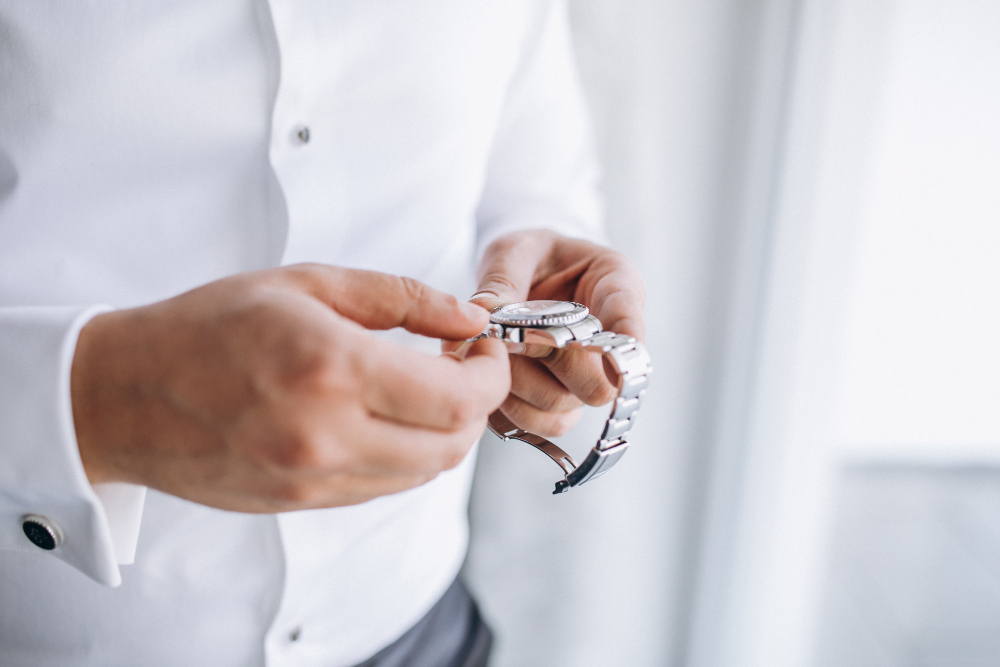
Most steel watches, from affordable models to luxury constructions, are made of 316L steel. 904L steel contains more nickel, chromium and molybdenum, and therefore offers higher corrosion resistance, but in itself it does not mean greater scratch resistance. The term “surgical steel”, in turn, does not point to one strictly defined alloy. In watches it most often refers to 316L, but without a specific material designation it may simply be a marketing name. If you are choosing a watch for years, look therefore not only at the words “stainless steel”, but also at the grade of steel, which components are made of the given material and how they are finished.
Japanese or Swiss watches? We compare quality, movements and prices
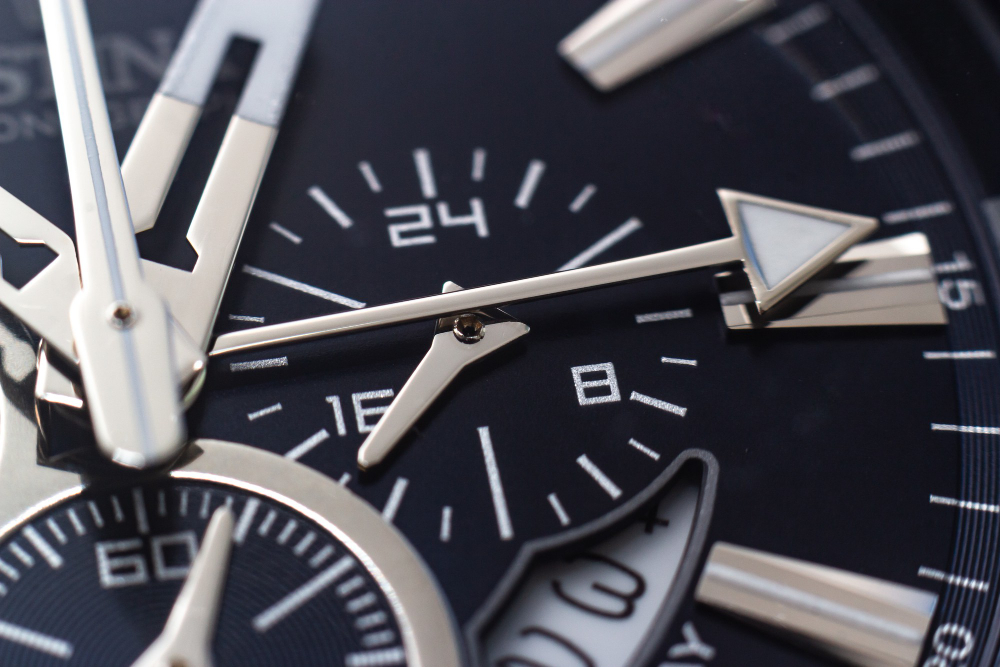
If you are wondering whether Japanese or Swiss watches are better, the name of the country alone will not give you a good answer. In both cases you will find simple models for relatively little money, solid mid-range automatics and designs belonging to the world's watchmaking high end. Far more about quality will be told to you by the specific movement, the way the case and bracelet are made, the crystal, quality control, accuracy and price. Check how Japanese watches really differ from Swiss ones and what to pay attention to before you choose a model for yourself.
The lifespan of a quartz watch – how long does it really last, and when is it no longer worth repairing?
We value quartz watches above all for their accuracy, convenience and modest day-to-day demands. That does not mean, however, that they can run indefinitely and need nothing more than a new battery once every few years. Over time, the components of the movement itself also wear out, and the moment a watch starts giving trouble can look completely different depending on the model, the way it is used and the availability of parts. So how long can a quartz watch last, what wears out in it most often and when does repair still make sense? Check what its lifespan really depends on.
The second hand on a watch – why does it jump, move smoothly or stop?
The way the seconds hand moves can tell you a lot about a watch's movement, but it is not an infallible test. A single distinct jump per second most often points to quartz, several small movements per second are typical of a mechanical movement, and an almost continuous glide is associated with Spring Drive. There are exceptions, however: there is a quartz watch with a sweeping seconds hand, and a mechanical watch that makes exactly one jump per second. What is more, a stopped hand does not have to mean a fault. Check how to read these signals and when you really need a watchmaker's help.

How do you set an automatic watch? Date, time and time zone 21:00–3:00
An automatic watch does not need a battery, but it does require a little knowledge from its owner. Setting the time or date seems simple, yet the wrong moment or the wrong way of using the crown can affect how the movement works. Many questions concern changing the date at night, moving the hands backwards and restarting a watch after a longer break. Check how to set an automatic watch correctly, what to pay attention to with the crown and why people often talk about particular caution between 9:00 pm and 3:00 am.

Wodoszczelność 10 ATM i 20 ATM – czy możesz pływać i nurkować z takim zegarkiem?
Co naprawdę oznacza 10 ATM lub 20 ATM na zegarku i czy takie oznaczenie pozwala bez obaw wejść do basenu, morza albo nurkować? Same liczby mogą być mylące, dlatego sprawdź, jak czytać klasę wodoszczelności i dobrać zegarek do aktywności w wodzie.
Water resistance 3 ATM – what does it mean and what can you do with it?
3 ATM water resistance means the watch is prepared above all for rain, accidental splashes and brief contact with water during everyday activities. It does not mean that you can swim with it, shower in it or submerge it to a depth of 30 metres. It is precisely the “30 m” marking that most often misleads. It is the result of a pressure test carried out under controlled conditions, not a declared working depth. So if you see 3 ATM, 3 bar or Water Resistant 30 m on the case back or in the specification, treat the watch as resistant to everyday moisture, but not as a watch for water activities.
Rolex-style watches – the best alternatives to the Submariner, Explorer and Datejust
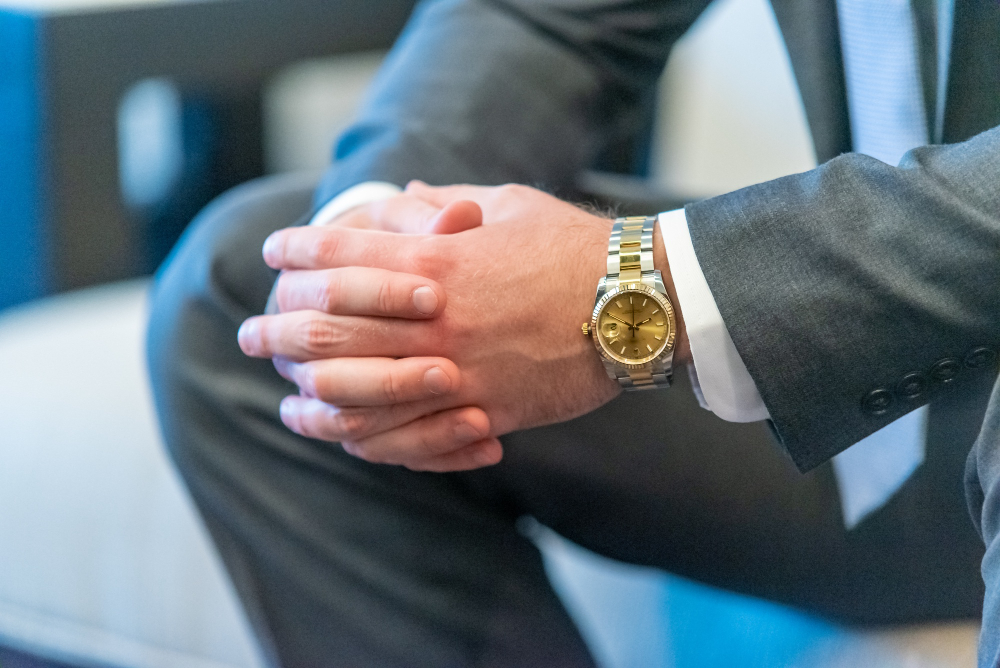
For years Rolex has been one of the most important style benchmarks in the watch world, but its price is not within everyone's reach. That is why it is worth looking at watches similar to Rolex and models inspired by its styling, which offer their own character, solid build quality and much more affordable prices. We are not talking about counterfeits here, but about legitimate watches from other brands that draw on similar solutions and design language. Check out watches inspired by Rolex's style and choose the model that suits your style and budget.
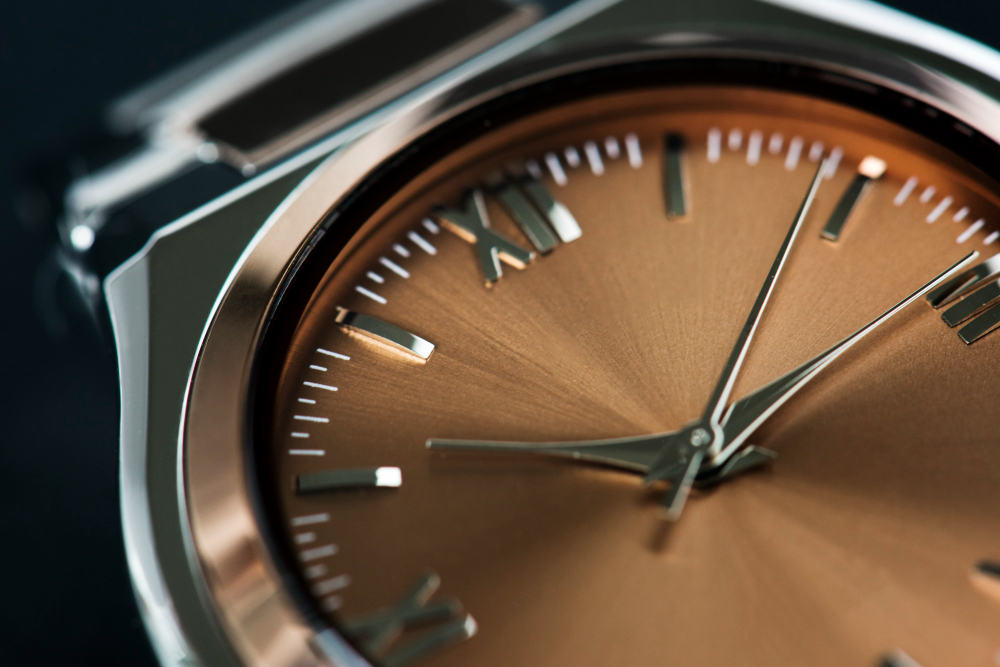
A bronze watch – why does each one change over time?
A bronze watch stands out because its appearance changes along with its owner. The case gradually darkens, turns matte and develops a patina, so two identical models can look completely different after just a few months. This is the greatest advantage of bronze, but also a trait you need to accept before buying. If you expect a watch that keeps its factory shine for years, steel may be a better direction. If, on the other hand, you like vintage looks, signs of use and the natural ageing of a material, bronze gives an effect that is hard to achieve in any other metal.