



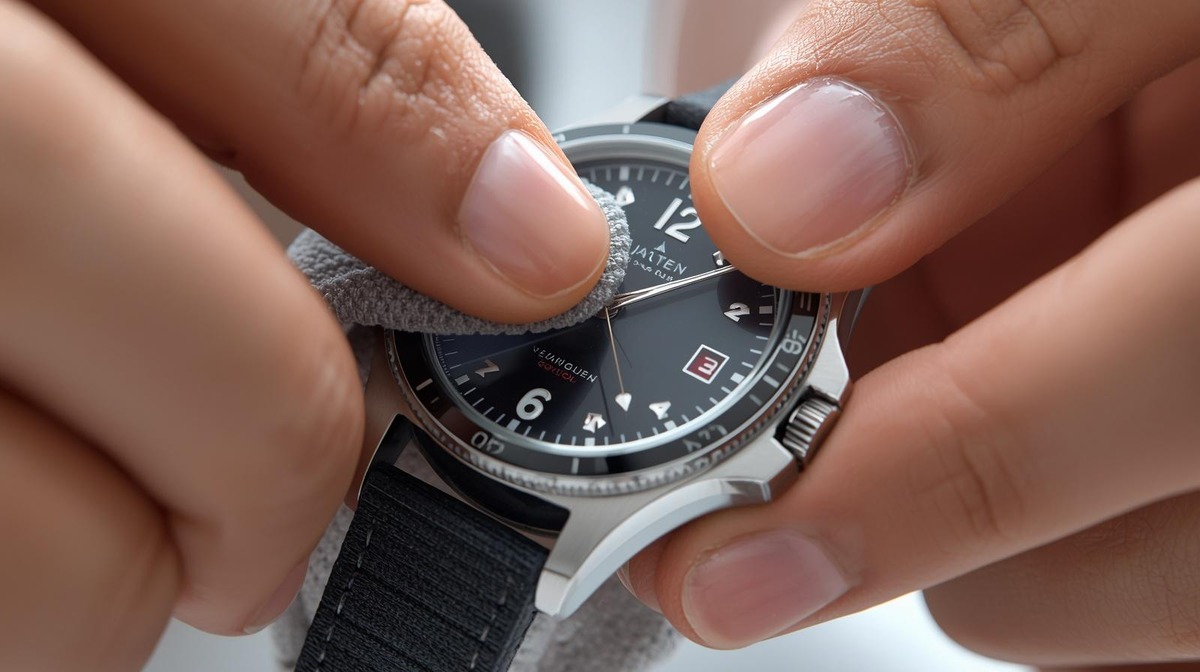
How can I clean my watch face without risking damage?
At first glance, it looks like a quick wipe of the glass – in practice, it's one of the most common mistakes that can permanently ruin the appearance of a watch. If you want your dial to look as good as new for years, it's worth knowing what to absolutely avoid and how to clean it safely – without risking scratches, dulling, and costly repairs.
Before You Touch the Dial – Check These 3 Things That Could Save Your Watch From Damage
Before you even start cleaning your watch dial, stop for a moment and check the overall technical condition of the entire piece – this is a step many people skip, only to end up with moisture under the crystal or permanent damage. Pay close attention to micro-cracks, looseness around the crown, and gaps between the crystal and the case. Even a small leak can allow water to get inside when wiping with a damp cloth, and that's a straightforward path to a costly repair. If you notice any warning signs – it's better to skip the home cleaning and take the watch to a specialist.
Equally important is knowing what type of watch you're dealing with. Water resistance rating (e.g. 3 ATM, 5 ATM or higher) and the type of watch crystal – hesalite, mineral, or sapphire – genuinely affect what you can safely do. You'll approach a delicate vintage piece very differently than a sports watch designed for water contact. It's also worth briefly removing the strap, especially if it's leather – the material absorbs moisture and can deform or discolour. This quick check before you start takes just a moment, but it helps you avoid a situation where a simple cleaning session turns into a serious problem.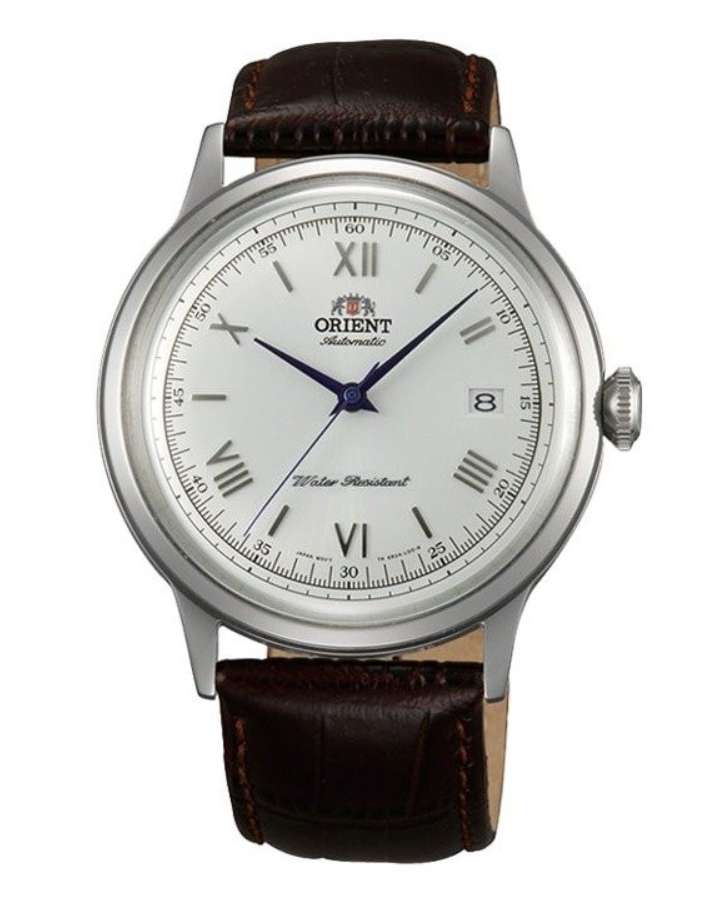
Orient Bambino 2nd Generation Automatic 40 mm draws attention with its domed mineral crystal and minimalist dial. It's worth bearing in mind that with a water resistance of 3 ATM, this model requires particular care when cleaning – gentleness and avoiding excess moisture are key here. It's a watch that rewards you with a great look, but only when you care for it with a delicate touch.
Everyday Watch Dial Cleaning – What's Worth Remembering?
Contrary to appearances, you don't need specialist equipment to keep your watch looking its best. In most cases, a soft microfibre cloth and a little patience are all you need. Start with a dry wipe – this removes dust and particles that could scratch the surface during further cleaning. Only then should you lightly dampen the cloth with water, but really sparingly – the cloth should be damp, not wet. Wipe the dial with gentle, circular motions, without pressing down. It seems like a minor detail, but it's precisely that pressure that most often causes micro-scratches.
|
Tool / Product |
Use |
Notes |
|
Microfibre or flannel cloth |
Basic wiping of the crystal and case |
Dampened with water, not wet; dry for polishing. |
|
Cotton swabs or soft cotton pads |
Cleaning crystal edges and recesses |
Gently, without pressure. |
|
Toothbrush (soft bristles) |
Tougher dirt |
Only for >5 ATM models, lightly dampened. |
|
Soft brushes (watchmaker's) |
Dust and delicate surfaces |
Dry or with water/detergent for disassembled dials. |
|
Compressed air |
Removing dust from the dial |
Without disassembly, use carefully. |
|
Gentle liquid soap |
For >5 ATM models |
Diluted with water. |
If you notice dirt around the edges of the crystal, reach for a cotton swab or soft pad. Precision matters here – don't scrub, just gently "lift" the dirt from hard-to-reach spots. Always finish with a dry microfibre cloth and carefully polish the surface. This simple ritual, performed regularly, means cleaning your watch dial stops being a chore and becomes a habit that keeps your watch in excellent condition for a long time.
Regular, gentle watch dial cleaning really makes a difference – greater than you might expect. Taking a moment every now and then to wipe the crystal and remove minor dirt prevents the build-up of sediment, greasy marks, and micro-contaminants that become harder to remove over time. In practice, this means one thing – the more consistently you care for your watch, the less often you need to resort to more invasive methods, such as intensive cleaning or dial polishing. It's regularity, not force, that matters most here – thanks to it, the dial stays clean, clear, and scratch-free for a long time, and the watch maintains its aesthetic appearance without unnecessary risk of damage.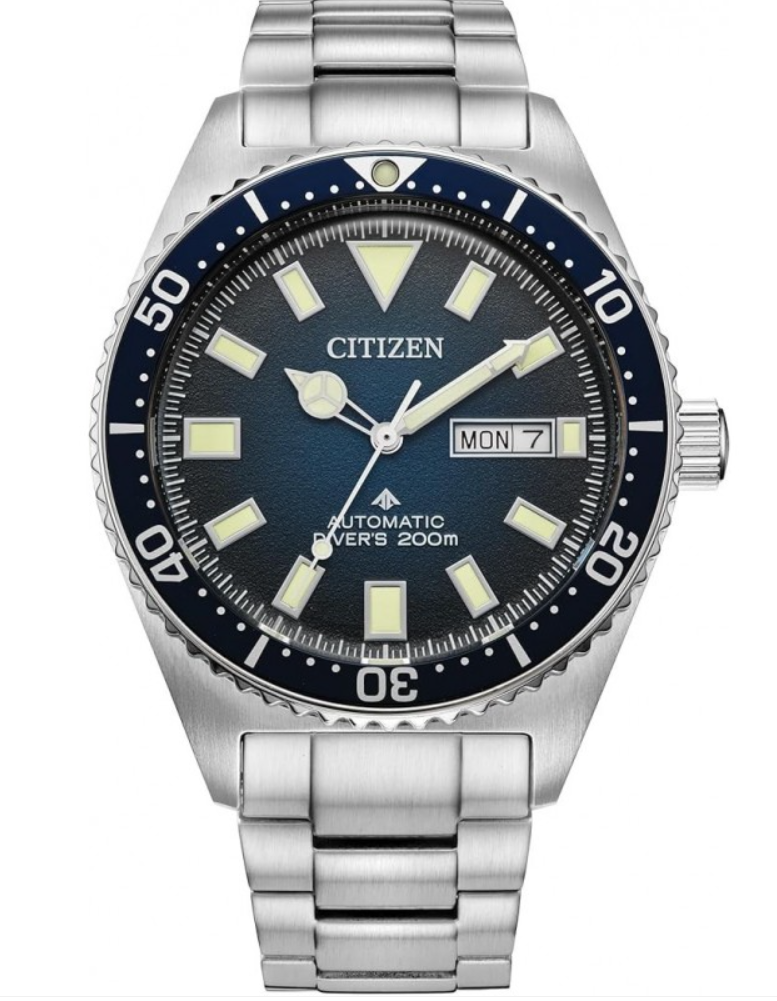
Solid, sporty and ready for more – Citizen Promaster Diver Automatic NY0129-58L is a model that, thanks to its 20 ATM water resistance, offers significantly greater freedom in everyday use and care. In practice, this means the watch can be cleaned with water without concern, keeping in mind only the basic principle of thorough drying once cleaning is complete.
Not Every Watch Cleans the Same Way – Check Whether Yours Can Handle Water Before You Start
Whether you can use water depends primarily on the watch's specifications. Models rated 0–3 ATM require particular care – here it's best to stick to dry or slightly damp cleaning and absolutely avoid contact with larger amounts of water. A water resistance rating of 5 ATM already allows for greater possibilities, but it still doesn't mean complete freedom. Any contact with water should be controlled and brief, and the watch should be thoroughly dried afterwards.
For models with higher water resistance, such as 10 ATM or 20 ATM, contact with water can be considerably less problematic and more relaxed, provided the watch is in good working order and the seals are undamaged. It's still worth exercising common sense, though – prolonged submersion shouldn't cause harm, but after cleaning it's always good to dry the watch thoroughly and make sure no moisture remains in hard-to-reach places.
It's also worth keeping in mind that different rules may apply when you want to clean a watch bracelet, especially if it's made of steel or silicone. In such cases you can often afford a bit more water contact, but thorough drying of all components after cleaning remains crucial.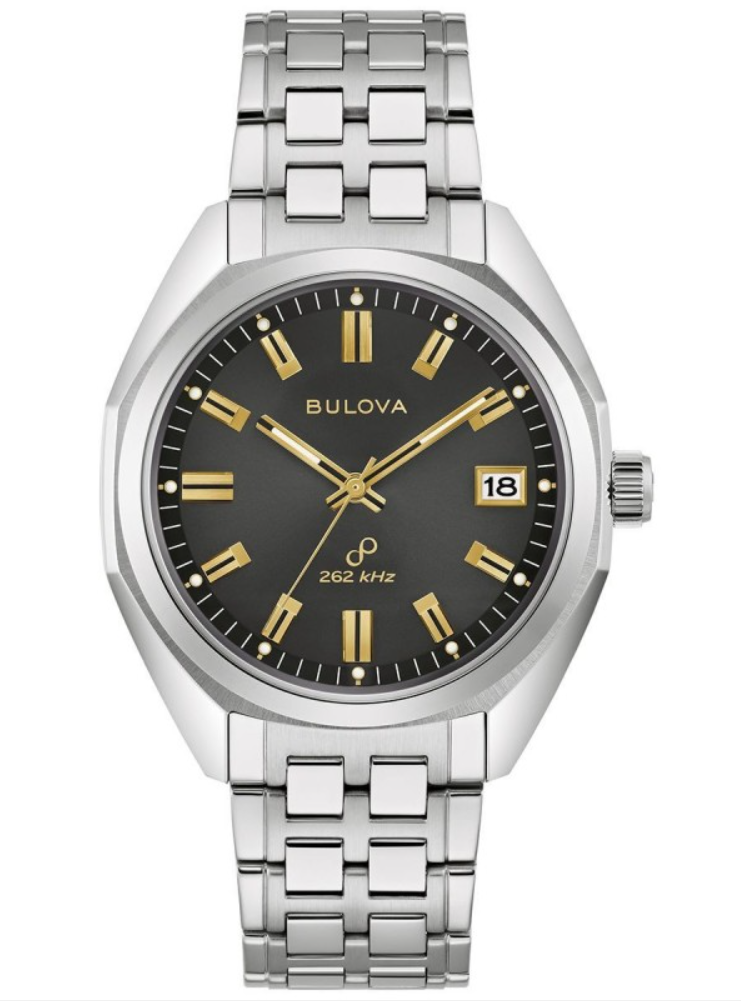
Modern, distinctive and refined in every detail – Bulova Archive Series Jet Star Precisionist 40 mm (96B415) combines a durable sapphire crystal with an elegant finish, providing greater scratch resistance during everyday cleaning. It's worth remembering, however, that at 5 ATM water resistance, caution is still required – water contact should be controlled, and cleaning should be gentle and free of excess moisture.
The Most Common Mistakes When Cleaning a Watch Dial – See If You're Making Any of Them!
One of the most common mistakes is reaching for whatever happens to be at hand. Paper towels, tissues, or even clothing can cause micro-scratches that become increasingly noticeable over time. Using the wrong products has a similar effect – alcohol, chlorine, or popular "home remedies" like toothpaste can dull the surface and permanently alter its appearance. These are things you should avoid without exception.
Equally problematic is cleaning too frequently or too intensively. It may seem like the more often you clean something, the better it looks, but with watches that's not how it works. Excessive friction and constant touch-ups increase the risk of damage, especially if you do it without proper preparation. After each cleaning, allow the watch to dry thoroughly – at least several dozen minutes, without speeding up the process with sunlight or warm air. These details make a difference and ensure that cleaning your watch dial actually works, rather than producing the opposite effect.
It's worth noting, however, that things look somewhat different for watches equipped with a sapphire crystal. This material is considerably harder and more resistant to scratches than standard mineral or acrylic glass, so the risk of micro-scratches from occasional, gentle cleaning is significantly lower. This doesn't mean it's entirely immune to damage, though – even sapphire can be dulled or damaged by aggressive chemical products or improper accessories. In practice, it simply offers a greater margin for error, but it's still worth following safe practices and treating the watch with appropriate care.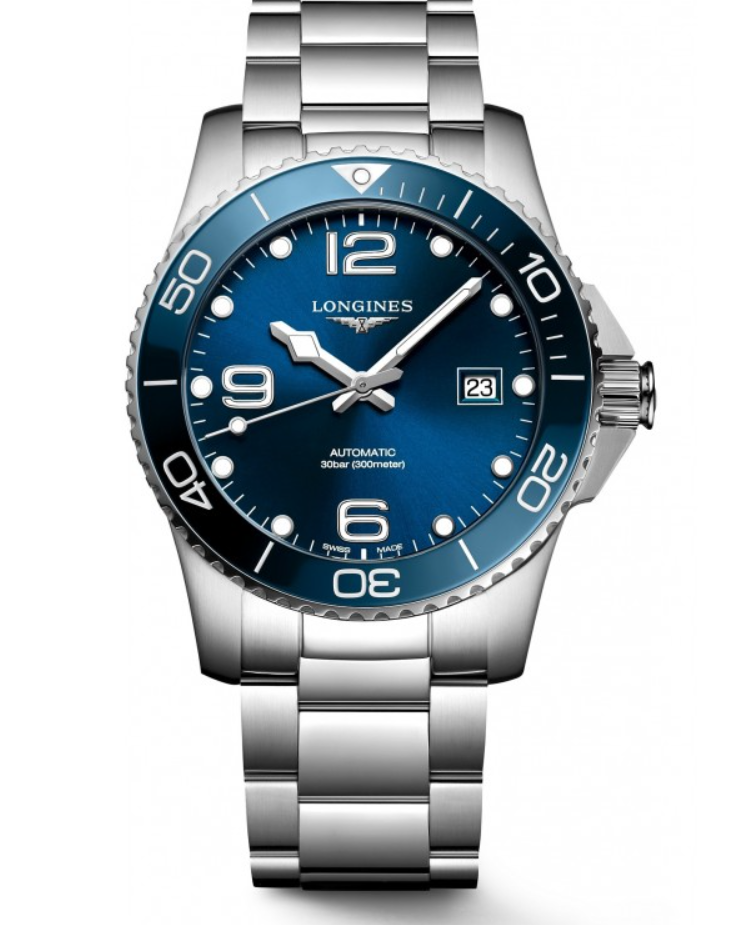
Durable, sporty and built for special tasks – Longines HydroConquest Automatic 41 mm is a model that combines a sapphire crystal, 30 ATM water resistance, and a screw-down crown, significantly increasing safety during water contact. As a result, cleaning is exceptionally comfortable – the watch handles more thorough washing without issue, and its construction minimises the risk of moisture entering the interior, even during more intensive care.
Watch Dial Polishing – When It's Worth It and When It's Better to Leave It to a Specialist?
Not every scratch requires intervention, but once they start becoming visible, the temptation to do something about them grows. For plastic (e.g. hesalite) or mineral crystals, polishing the watch dial can produce genuinely good results, provided you use the right products. Specialist polishing pastes and very fine abrasive paper are most commonly used – the important thing, however, is to work slowly, without rushing and with minimal pressure. Precision matters here, not force.
Once again, the situation is different with sapphire crystals. The material is exceptionally hard, but for that very reason extremely difficult to polish at home. DIY attempts usually yield no results or end up making things look worse. In such cases, it's far better to take the watch to a watchmaker. The same applies to luxury or vintage models – their value often lies in their original condition, and overly aggressive action can irreversibly diminish it. Sometimes less is more, and it's better to leave minor signs of wear rather than risk making things worse.
Finally, it's worth remembering one simple rule – when it comes to watches, gentleness, regularity, and common sense are what count. These are precisely what make cleaning your watch dial effective, rather than leading to damage. If you have any doubts about caring for a specific model or are looking for reliable, quality timepieces, it's worth visiting the WestWatches online watch store. It's a place where you'll find not only a wide selection of watches, but also inspiration and knowledge on how to care for them so they serve you for years and always look impeccable.

Krzysztof Szopa
Watch Expert
An expert associated with the WestWatches.pl brand, a place that has been delivering watches for every occasion for years. Drawing on extensive experience in the watchmaking and jewellery industry, he passionately shares his knowledge, offering professional advice both in the online store and at the physical location. He specialises in selecting original watches, watch accessories, and jewellery pieces that combine exceptional quality with competitive prices. His goal is to help customers find the perfect product that meets their expectations and complements their style.

See popular articles

316L, 904L and surgical steel – what is your watch made of?
Most steel watches, from affordable models to luxury constructions, are made of 316L steel. 904L steel contains more nickel, chromium and molybdenum, and therefore offers higher corrosion resistance, but in itself it does not mean greater scratch resistance. The term “surgical steel”, in turn, does not point to one strictly defined alloy. In watches it most often refers to 316L, but without a specific material designation it may simply be a marketing name. If you are choosing a watch for years, look therefore not only at the words “stainless steel”, but also at the grade of steel, which components are made of the given material and how they are finished.
Japanese or Swiss watches? We compare quality, movements and prices
If you are wondering whether Japanese or Swiss watches are better, the name of the country alone will not give you a good answer. In both cases you will find simple models for relatively little money, solid mid-range automatics and designs belonging to the world's watchmaking high end. Far more about quality will be told to you by the specific movement, the way the case and bracelet are made, the crystal, quality control, accuracy and price. Check how Japanese watches really differ from Swiss ones and what to pay attention to before you choose a model for yourself.
The lifespan of a quartz watch – how long does it really last, and when is it no longer worth repairing?
We value quartz watches above all for their accuracy, convenience and modest day-to-day demands. That does not mean, however, that they can run indefinitely and need nothing more than a new battery once every few years. Over time, the components of the movement itself also wear out, and the moment a watch starts giving trouble can look completely different depending on the model, the way it is used and the availability of parts. So how long can a quartz watch last, what wears out in it most often and when does repair still make sense? Check what its lifespan really depends on.
The second hand on a watch – why does it jump, move smoothly or stop?
The way the seconds hand moves can tell you a lot about a watch's movement, but it is not an infallible test. A single distinct jump per second most often points to quartz, several small movements per second are typical of a mechanical movement, and an almost continuous glide is associated with Spring Drive. There are exceptions, however: there is a quartz watch with a sweeping seconds hand, and a mechanical watch that makes exactly one jump per second. What is more, a stopped hand does not have to mean a fault. Check how to read these signals and when you really need a watchmaker's help.

How do you set an automatic watch? Date, time and time zone 21:00–3:00
An automatic watch does not need a battery, but it does require a little knowledge from its owner. Setting the time or date seems simple, yet the wrong moment or the wrong way of using the crown can affect how the movement works. Many questions concern changing the date at night, moving the hands backwards and restarting a watch after a longer break. Check how to set an automatic watch correctly, what to pay attention to with the crown and why people often talk about particular caution between 9:00 pm and 3:00 am.

Wodoszczelność 10 ATM i 20 ATM – czy możesz pływać i nurkować z takim zegarkiem?
Co naprawdę oznacza 10 ATM lub 20 ATM na zegarku i czy takie oznaczenie pozwala bez obaw wejść do basenu, morza albo nurkować? Same liczby mogą być mylące, dlatego sprawdź, jak czytać klasę wodoszczelności i dobrać zegarek do aktywności w wodzie.
Water resistance 3 ATM – what does it mean and what can you do with it?
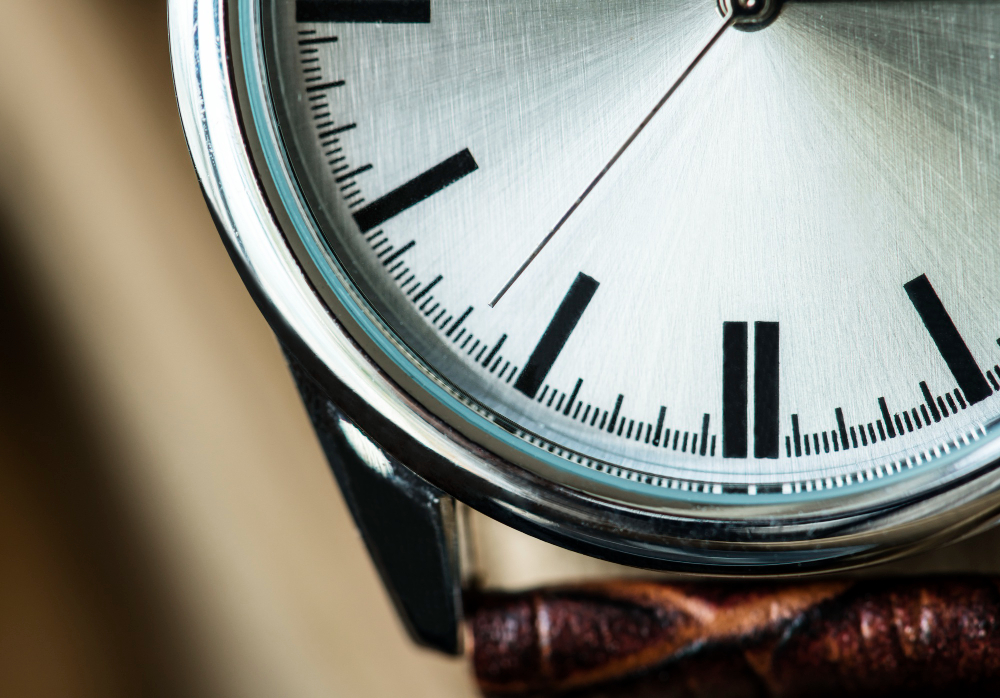
3 ATM water resistance means the watch is prepared above all for rain, accidental splashes and brief contact with water during everyday activities. It does not mean that you can swim with it, shower in it or submerge it to a depth of 30 metres. It is precisely the “30 m” marking that most often misleads. It is the result of a pressure test carried out under controlled conditions, not a declared working depth. So if you see 3 ATM, 3 bar or Water Resistant 30 m on the case back or in the specification, treat the watch as resistant to everyday moisture, but not as a watch for water activities.

Rolex-style watches – the best alternatives to the Submariner, Explorer and Datejust
For years Rolex has been one of the most important style benchmarks in the watch world, but its price is not within everyone's reach. That is why it is worth looking at watches similar to Rolex and models inspired by its styling, which offer their own character, solid build quality and much more affordable prices. We are not talking about counterfeits here, but about legitimate watches from other brands that draw on similar solutions and design language. Check out watches inspired by Rolex's style and choose the model that suits your style and budget.
A bronze watch – why does each one change over time?
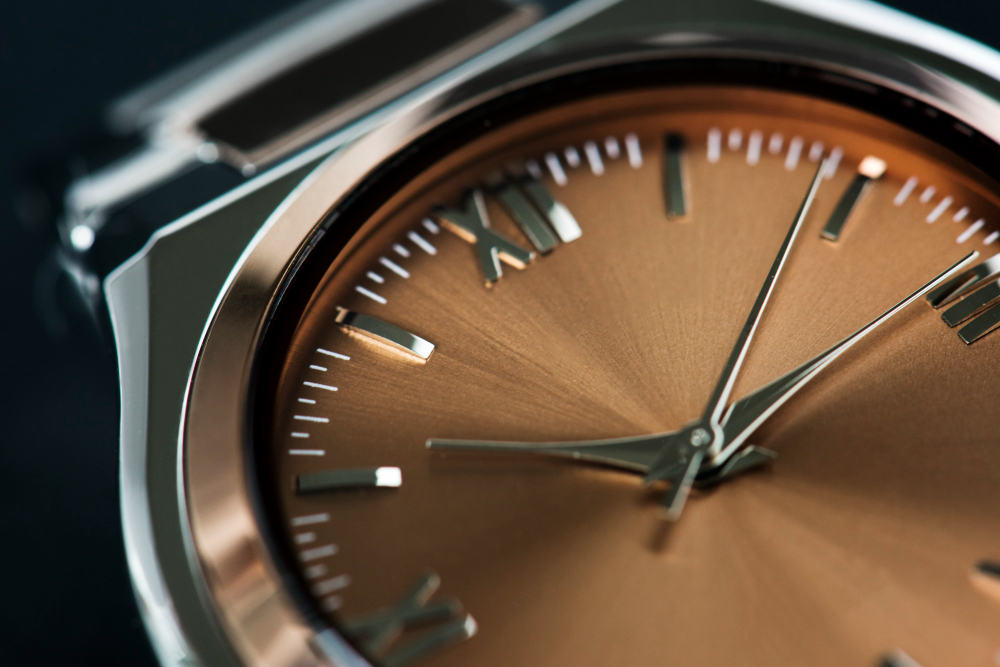
A bronze watch stands out because its appearance changes along with its owner. The case gradually darkens, turns matte and develops a patina, so two identical models can look completely different after just a few months. This is the greatest advantage of bronze, but also a trait you need to accept before buying. If you expect a watch that keeps its factory shine for years, steel may be a better direction. If, on the other hand, you like vintage looks, signs of use and the natural ageing of a material, bronze gives an effect that is hard to achieve in any other metal.