



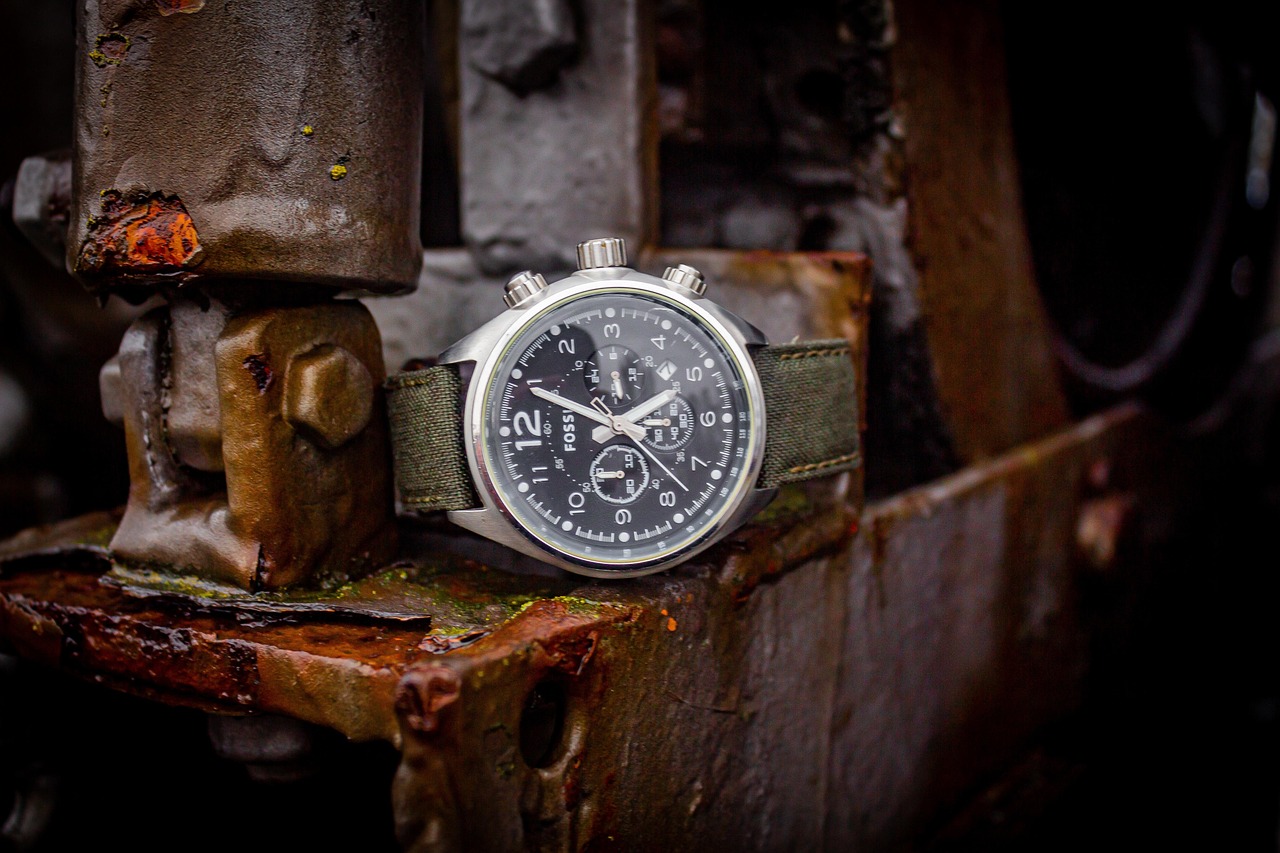
NATO Strap – How to Fit It and How Does It Differ from a Zulu? A Practical Guide
A NATO strap is a lightweight fabric watch strap that threads under the case instead of attaching separately on each side. You can fit it yourself in a few simple steps. Compared with a Zulu strap, it is usually thinner, has flatter hardware and an extra layer of material under the watch. Find out how to fit a NATO strap correctly, how the two designs differ and how to choose the right size.
Where does the NATO strap come from – the history of the British G10
The history of the NATO strap began in 1973, when the British Ministry of Defence introduced the nylon G10 strap for soldiers. The first model was 20 mm wide, came in a grey shade known as admiralty grey and had a chrome-plated brass buckle. The name G10 came from form G1098, which had to be filled in to obtain a piece of equipment. The term NATO, on the other hand, refers to the military stock numbering system – the NATO Stock Number (NSN) – rather than to the strap being developed by the Alliance itself.
Its military origins explain the strap's distinctive design. A one-piece band, an extra layer under the case and an elongated construction were meant to make it practical in use, including when worn over a uniform. Over time, new colours and patterns appeared, and NATO straps moved from military kit into everyday fashion. Today you can fit one to a simple city watch as well as a sporty diver. If you value lightness, quick fitting and the ability to change your watch's style, a classic NATO is a great place to start.
The KZ0880 1/2 burgundy 20 mm fabric strap is a choice for those who want to give their watch a bold character. The intense colour and rounded black hardware echo the military style of Zulu straps. Wondering how a NATO strap differs from a Zulu? Read our guide and find out which option suits your watch best.
How to fit a NATO strap step by step
To fit a NATO strap to a watch, simply thread its longer end through both spring bars and secure it with the additional loop. You don't need a watchmaker. Prepare your watch, a NATO strap of the right width, a soft cloth and a spring bar tool if you need to remove the current strap. A classic NATO strap has a longer section with holes, a shorter section with the buckle and metal keepers that hold everything in place.
How to fit a NATO strap? Follow these steps:
- Remove the old strap and put the spring bars back between the lugs of the case.
- Separate the two layers of the NATO strap by sliding the longer end out of the keeper on the shorter section.
- Insert the long end at the 12 o'clock side between the spring bar and the case, guiding it under the watch.
- Pull the strap under the case and bring it out through the spring bar at 6 o'clock.
- Pass the longer end through the keeper of the shorter section, creating a double layer of material.
- Centre the case, put the watch on your wrist and fasten the buckle.
- Tuck the excess strap into the keepers so the end doesn't stick out.
After fitting, check that both spring bars are properly seated and that the case doesn't slide too much along the strap. Don't force the material if the gap between the spring bar and the case is too narrow. The biggest advantage of a classic NATO is its pass-through design – if one spring bar comes loose, the watch can stay attached to the other, reducing the risk of losing it. This is especially useful during outdoor activities.
The KZ0880 1/2 brown 20 mm fabric strap is a choice for those who appreciate understated colours and a military style. The brown material combined with rounded black hardware echoes the characteristic look of Zulu straps. Looking for a comfortable strap for everyday wear? Find out how NATO and Zulu straps differ, how to fit them correctly and which model best suits your watch.
NATO vs Zulu – how do these straps differ?
A NATO strap is usually thinner and more discreet, while a Zulu strap stands out with thicker material and chunkier, rounded hardware. A classic NATO uses nylon around 1.2 mm thick, while a Zulu is often 1.4–1.8 mm. You'll feel the difference on your wrist – a NATO sits better under a sleeve, while a Zulu gives the watch a more rugged, field-ready character. Construction matters too. A traditional NATO has an extra layer under the case, whereas a three-ring Zulu has a single layer of material. However, there are also Zulu versions with five rings and an additional securing loop.
Which one should you choose? If you value lightness, comfort and a versatile look, go for a NATO strap. For a heavier diver or a large field watch, consider a chunkier Zulu. Bear in mind, though, that the names NATO and Zulu are not always used consistently by manufacturers. Before buying, check the material thickness, the shape of the hardware and how the band runs under the case. That way you'll choose a strap that not only looks good but also sits comfortably on your wrist.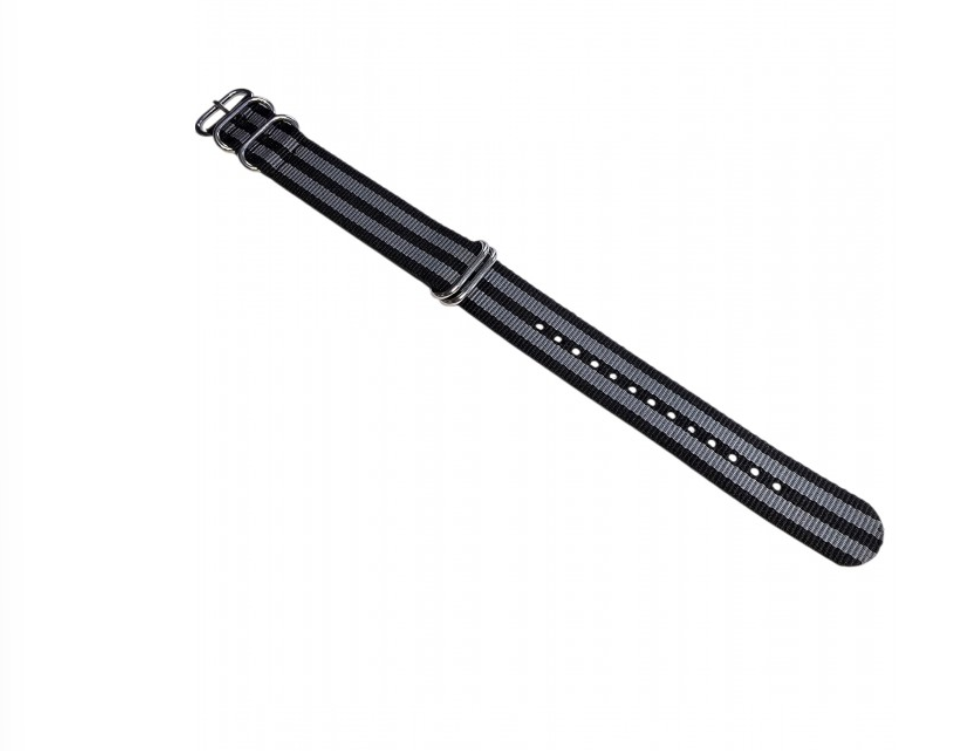
The "James Bond" Zulu 20 mm NATO watch strap is a choice for fans of classic style with a military touch. The distinctive black and grey stripes reference the style of James Bond's watches, while the metal hardware emphasises the accessory's sporty character. Wondering how a NATO strap differs from a Zulu and how to fit it correctly? Read our guide and learn how to choose a watch strap that combines comfort with a timeless look.
How to choose the width of a NATO strap and which watches does it suit?
The width of a NATO strap must match the lug width of the case, i.e. the distance between the spring bar mounting points. The most popular sizes are 18, 20 and 22 mm. Narrower straps often suit classic watches with smaller cases, while larger sports models more often use a 22 mm width. Before buying, measure the lug width with a caliper or check your watch's specifications. At WestWatches you'll find both 20 mm watch straps and 22 mm watch straps. Don't choose a band that is too wide – it may bunch up and make proper fitting difficult. Also check the strap length and the space between the spring bars and the caseback.
What do NATO straps go with? They work best with sports watches, divers, pilot models and military watches. A black or grey fabric watch strap pairs well with jeans and a T-shirt, while an olive one highlights a timepiece's field character. If you like film-inspired looks, check out the James Bond 007 Spectre 20 mm NATO strap with black and grey stripes. Among our watch straps you'll also find more subdued as well as bolder colour options. Swapping the strap lets you change your watch's character without replacing the timepiece itself.
A NATO strap is a simple way to refresh your watch's look without sacrificing comfort or security. Fitting it takes just a few minutes, and its one-piece design helps reduce the risk of losing your timepiece. If you want a lightweight, versatile accessory, choose a classic NATO. For larger, chunkier watches, a Zulu strap is a great fit. Remember to match the strap width to the lug width of the case so the watch sits comfortably on your wrist. Visit WestWatches – an online watch store with watch accessories, where you'll find NATO straps that will give your timepiece a whole new character.

Krzysztof Szopa
Watch Expert
An expert associated with WestWatches.pl, a store that has been supplying watches for every occasion for years. Drawing on many years of experience in the watchmaking and jewellery industry, he passionately shares his knowledge, offering professional advice both online and in the brick-and-mortar store. He specialises in selecting original watches, watch accessories and jewellery that combine exceptional quality with competitive prices. His goal is to help customers find the perfect product that meets their expectations and highlights their style.

See popular articles

How to Change a Watch Strap? A Simple Step-by-Step Guide
Changing a watch strap is easier than you think – all you need is the right tool, a few careful moves and a new strap that fits the case. On classic models you have to release the spring bars, while a quick-release system lets you do it without any extra tools. The whole process can take just a few minutes, and the result? Your watch gets a completely new look. Find out how to remove the old strap, fit a new one and avoid scratching the case.
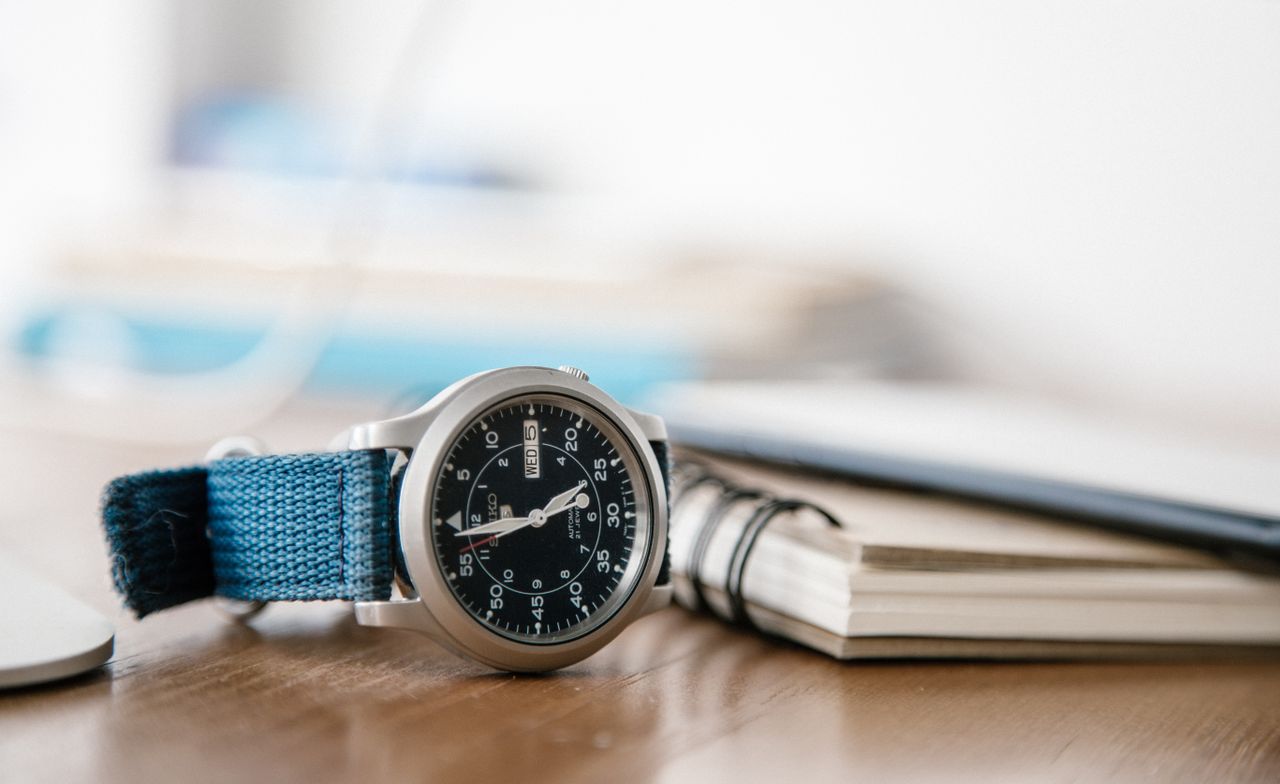
Fabric Watch Straps – How Do Perlon, Canvas, Rally and Bund Differ?
A good strap can completely change the look of a watch – but which one should you choose? Perlon is light and breathable, canvas stands out with its woven texture, rally catches the eye with sporty perforations, and bund gives a watch an aviation character. Although they are often mentioned together, not all of them are fabric straps – a rally strap is usually perforated leather, and a bund is a design with an additional pad. Find out how these four styles differ and which one suits your watch best.
NATO Strap – How to Fit It and How Does It Differ from a Zulu? A Practical Guide
A NATO strap is a lightweight fabric watch strap that threads under the case instead of attaching separately on each side. You can fit it yourself in a few simple steps. Compared with a Zulu strap, it is usually thinner, has flatter hardware and an extra layer of material under the watch. Find out how to fit a NATO strap correctly, how the two designs differ and how to choose the right size.
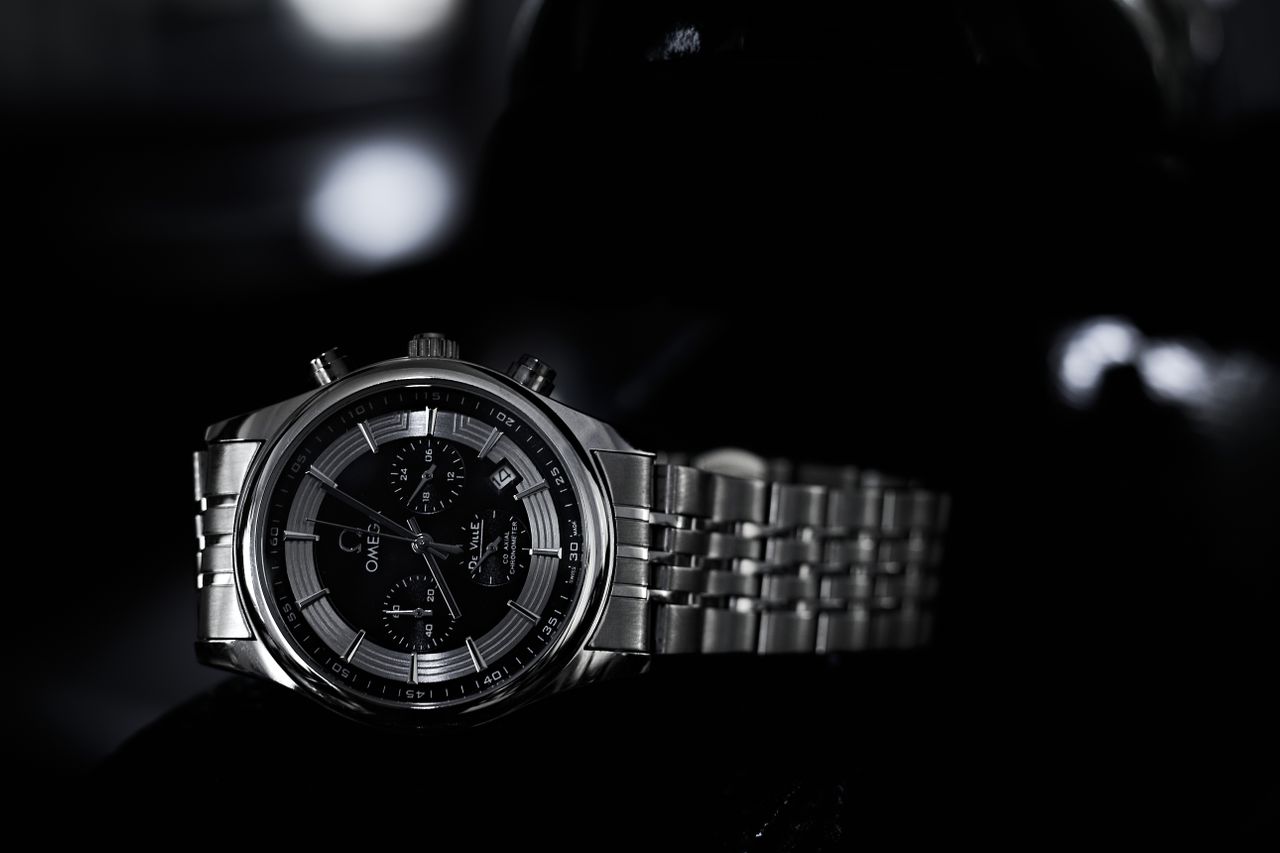
Types of Watch Bracelets – Oyster, Jubilee, President and Mesh. Which One to Choose?
Oyster works for everyday wear, Jubilee adds elegance, President emphasises a luxury character, and mesh offers lightness and flexibility. Each of these constructions sits differently on the wrist and changes the look of the watch. The differences are not just about the number of links, but also about comfort, weight and the type of clasp. Discover the main types of watch bracelets and find out which one best suits your style and your watch case.
GADA – One Watch for Work, Weekends and Travel. How to Choose It?
One watch can go with a shirt, jeans, a blazer and even the swimming pool. That is the whole idea behind GADA (Go Anywhere, Do Anything). Instead of several models for different occasions, you choose one that combines comfort, durability and a timeless look. The safest choice is a steel case of 36–41 mm, 100 m water resistance and a legible dial in a neutral colour. Find out what to look for to choose a watch you will actually wear every day.
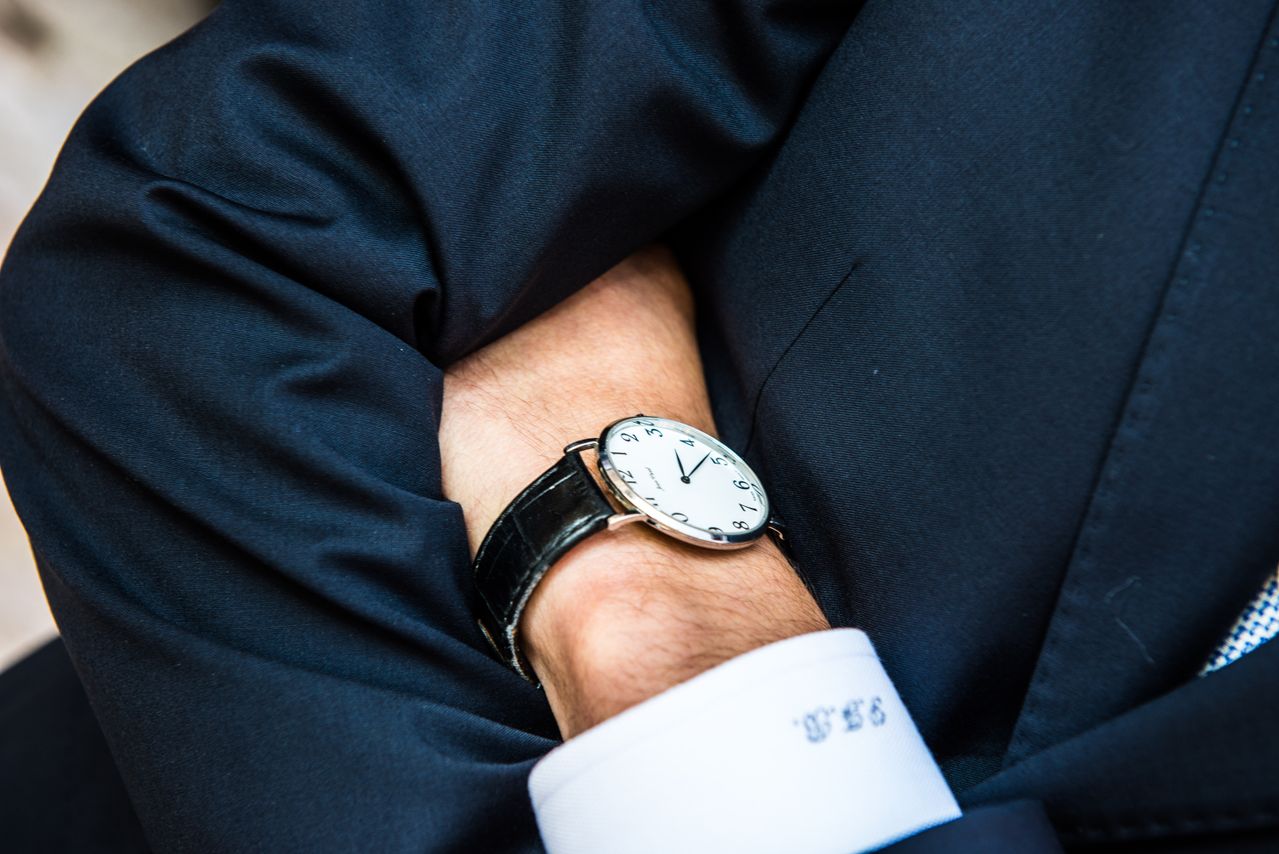
Tuxedo Watch – Black Tie and White Tie Rules
Zegarek do smokingu można nosić, ale nie każdy model pasuje do wieczorowej elegancji. Przy dress code black tie najlepiej sprawdzi się cienki zegarek na czarnym skórzanym pasku, schowany pod mankietem koszuli. White tie wymaga większej powściągliwości – do fraka tradycyjnie wybiera się zegarek kieszonkowy albo całkowicie rezygnuje z odmierzania czasu na nadgarstku. Sprawdź, jak dobrać zegarek, żeby zachować zasady etykiety i uniknąć modowego faux pas.

316L, 904L and surgical steel – what is your watch made of?
Most steel watches, from affordable models to luxury constructions, are made of 316L steel. 904L steel contains more nickel, chromium and molybdenum, and therefore offers higher corrosion resistance, but in itself it does not mean greater scratch resistance. The term “surgical steel”, in turn, does not point to one strictly defined alloy. In watches it most often refers to 316L, but without a specific material designation it may simply be a marketing name. If you are choosing a watch for years, look therefore not only at the words “stainless steel”, but also at the grade of steel, which components are made of the given material and how they are finished.
Japanese or Swiss watches? We compare quality, movements and prices
If you are wondering whether Japanese or Swiss watches are better, the name of the country alone will not give you a good answer. In both cases you will find simple models for relatively little money, solid mid-range automatics and designs belonging to the world's watchmaking high end. Far more about quality will be told to you by the specific movement, the way the case and bracelet are made, the crystal, quality control, accuracy and price. Check how Japanese watches really differ from Swiss ones and what to pay attention to before you choose a model for yourself.

The lifespan of a quartz watch – how long does it really last, and when is it no longer worth repairing?
We value quartz watches above all for their accuracy, convenience and modest day-to-day demands. That does not mean, however, that they can run indefinitely and need nothing more than a new battery once every few years. Over time, the components of the movement itself also wear out, and the moment a watch starts giving trouble can look completely different depending on the model, the way it is used and the availability of parts. So how long can a quartz watch last, what wears out in it most often and when does repair still make sense? Check what its lifespan really depends on.