




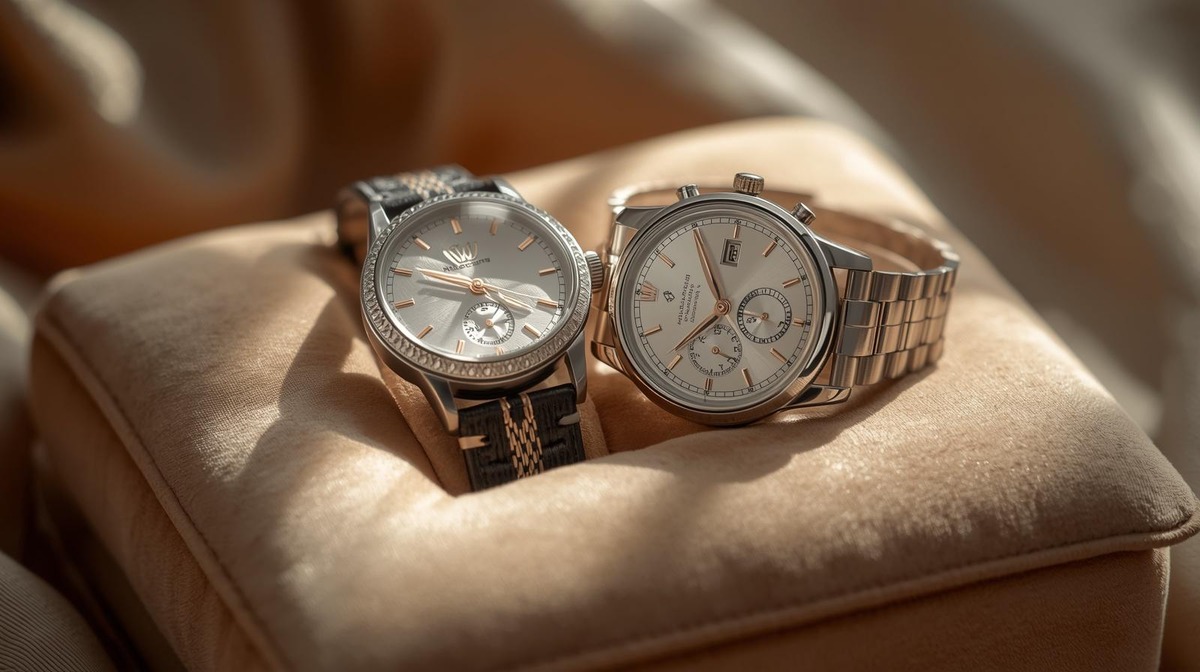
Anniversary watches – stylish models that make an impression
A wedding anniversary is a moment that deserves a special celebration – full of emotion, memories and symbolic gestures. Among the many gift ideas, a watch is becoming an increasingly popular choice – one that not only impresses with its elegance, but above all carries a deeper meaning. It is a gift that marks the time spent together, reminds us of the most important moments and becomes a personal keepsake for years to come. How do you choose a model that will truly make an impression and be perfectly suited to your loved one? Here are some practical tips and inspiration.
 0
0  0
0
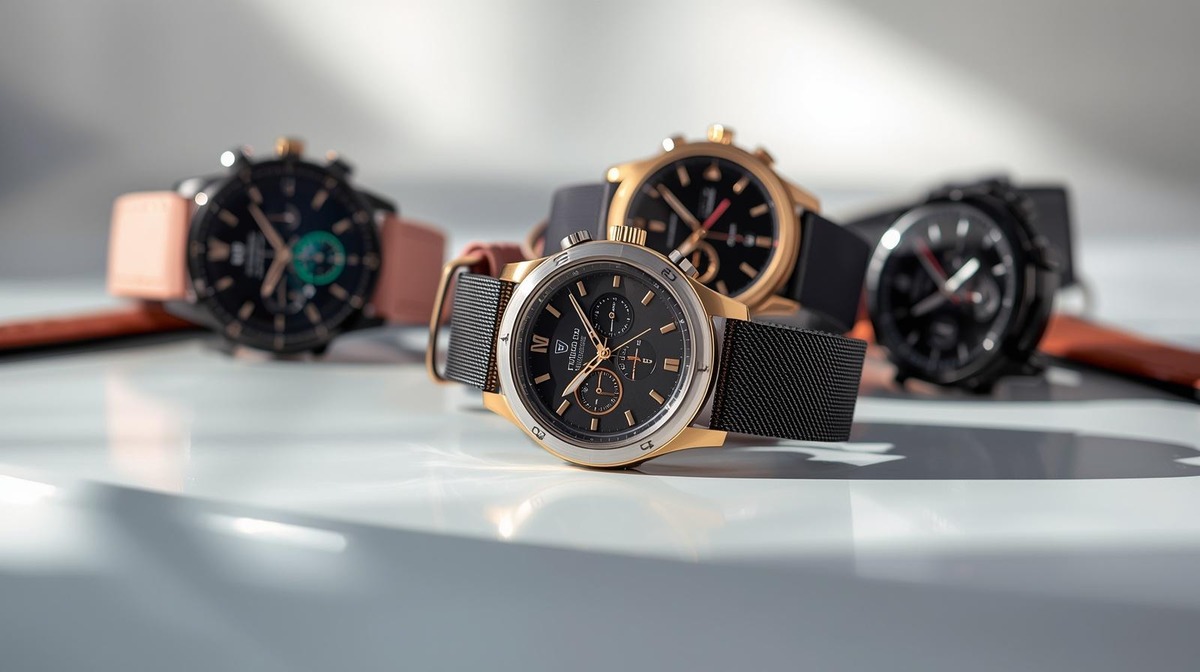
Ranking of women's sports watches – style, functionality and comfort all in one
A women’s sports watch can be not only a practical companion during exercise, but also a stylish everyday accessory. In the selection below, you’ll find a variety of models to suit different needs – and if you’re looking for the perfect watch for yourself, it’s worth checking out the full range at WestWatches, where you’ll find many more inspiring options.
0 0
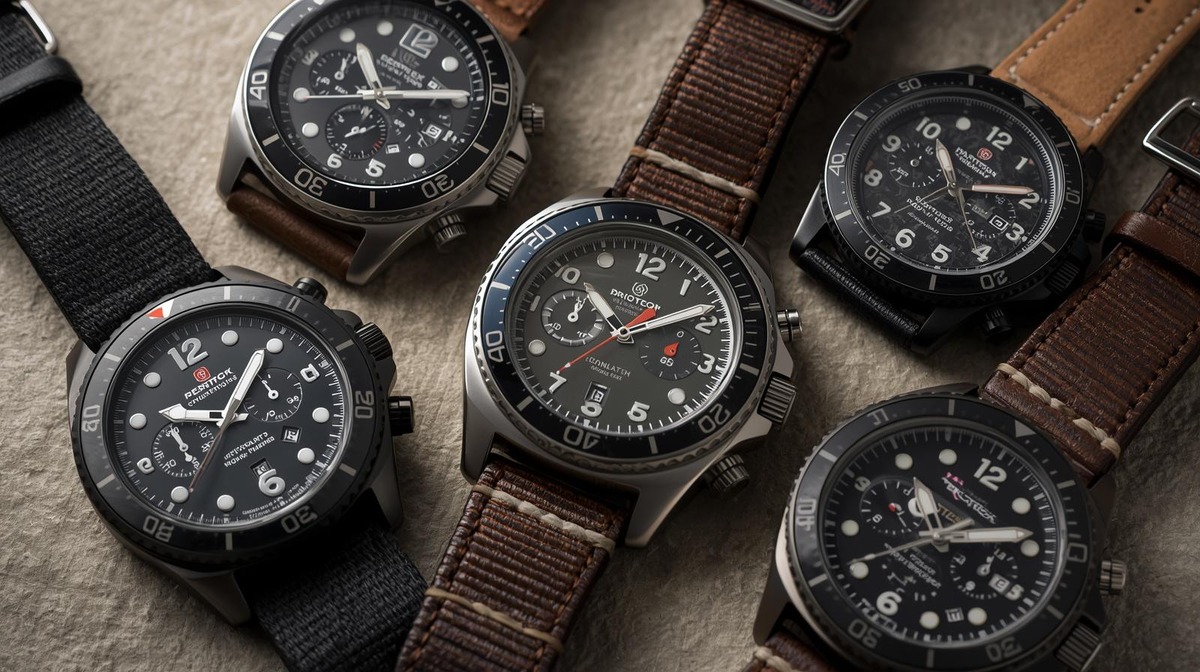
The best men's sports watches for everyday wear – a ranking of practical models
Are you looking for a watch that can keep up with you in your day-to-day life, yet still perform well in more demanding conditions? Our ranking offers a comprehensive selection of tried-and-tested models – from classics to modern designs. Take a look at our suggestions and choose the sports watch that best suits your lifestyle.
0 0
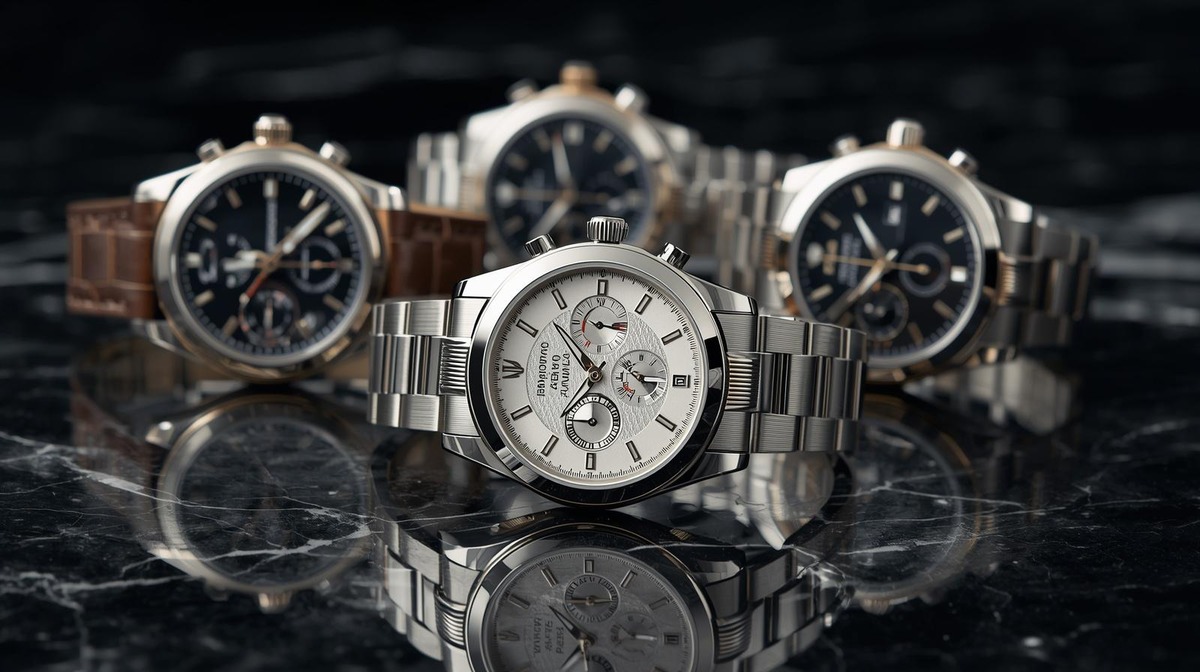
Ranking of Swiss watches under 1,000 PLN – introducing the best models that combine quality and value
Are you looking for a reliable, stylish watch at a reasonable price? Take a look at our selection and see for yourself just how much Swiss models under 1,000 zł have to offer – they’re the perfect blend of quality, design and functionality. Choose the watch that best suits your style and enjoy its reliability every day.
0 0
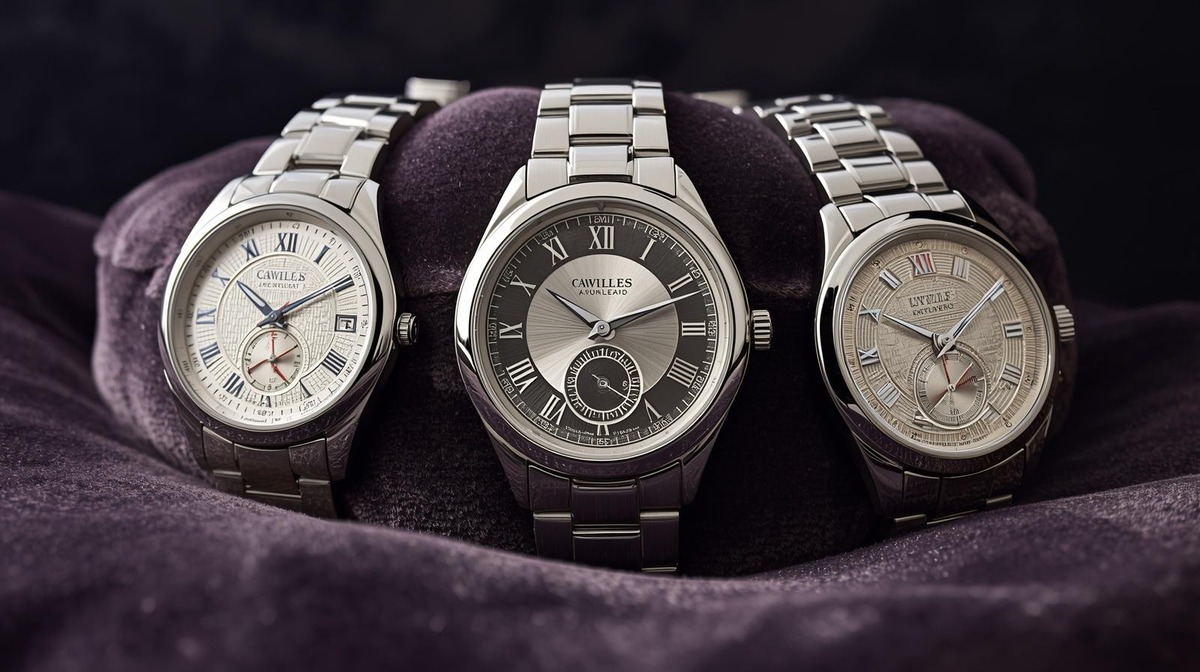
Ranking of Swiss ladies' watches – discover models that impress with their style and precision
Swiss ladies’ watches have long been regarded as a symbol of class, precision and timeless style, which is why choosing the perfect model is often no easy task. In this selection, we have brought together watches that combine the highest quality craftsmanship with exceptional design – from elegant classics to more striking and modern styles that will enhance the character of any outfit.
0 0
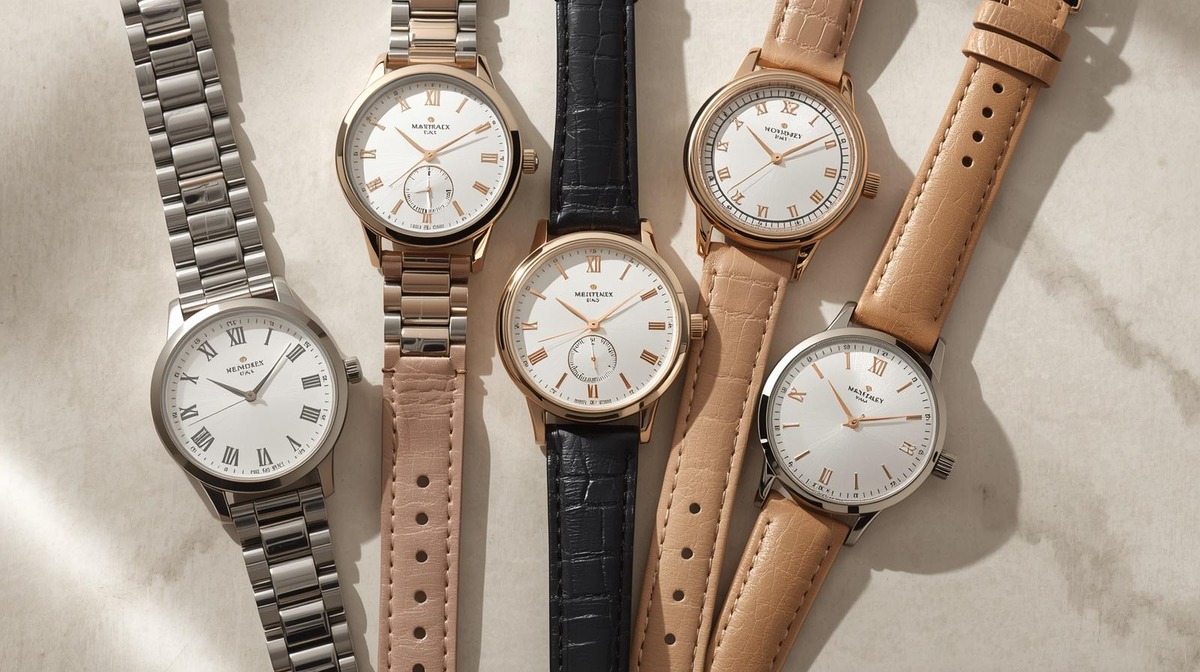
Top 5 women’s watches under 2,000 PLN – find the perfect model for you!
These days, a watch is more than just a way to tell the time – it’s a fashion statement that can highlight your personality, boost your confidence and complete any outfit. We take a look at which men’s watches under 2,000 zł are really worth keeping an eye on, and which models best combine design, quality and functionality.
0 0
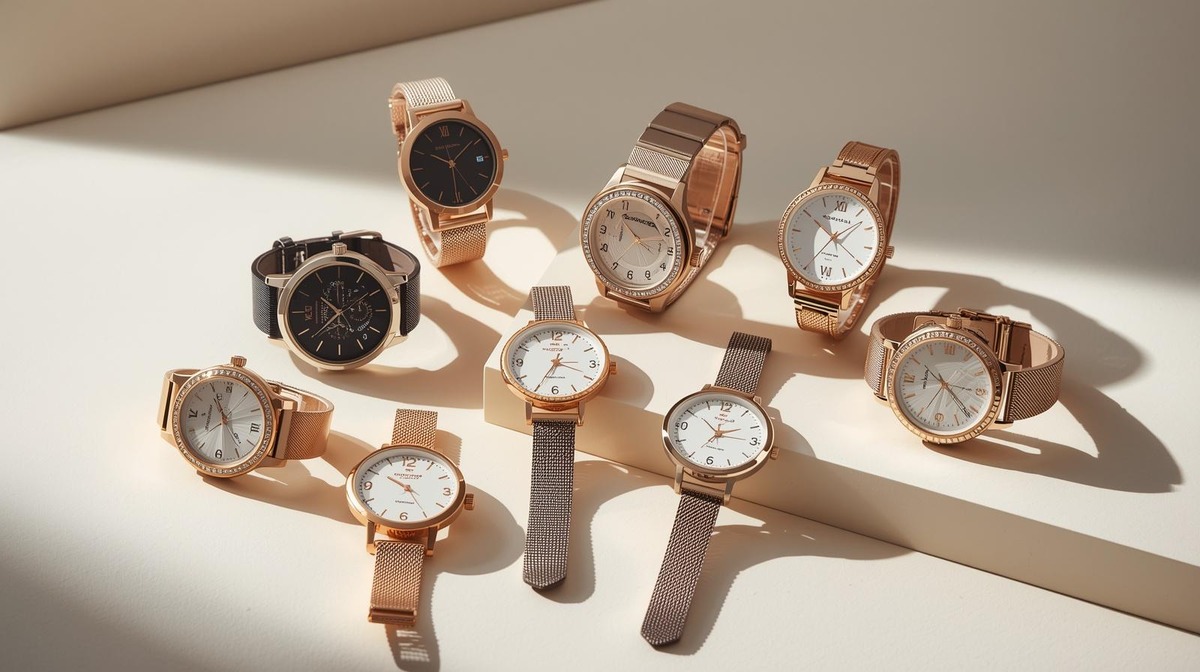
Interesting ladies’ watches under 1,000 PLN – check out our ranking of 8 standout models!
Finding a stylish and reliable watch at a reasonable price has never been easier. In the under-1,000 zł price range, there are plenty of models that will surprise you with their build quality, design and functionality. Check out our ranking of the most interesting options and see for yourself that a good ladies’ watch doesn’t have to cost a fortune.
0 0
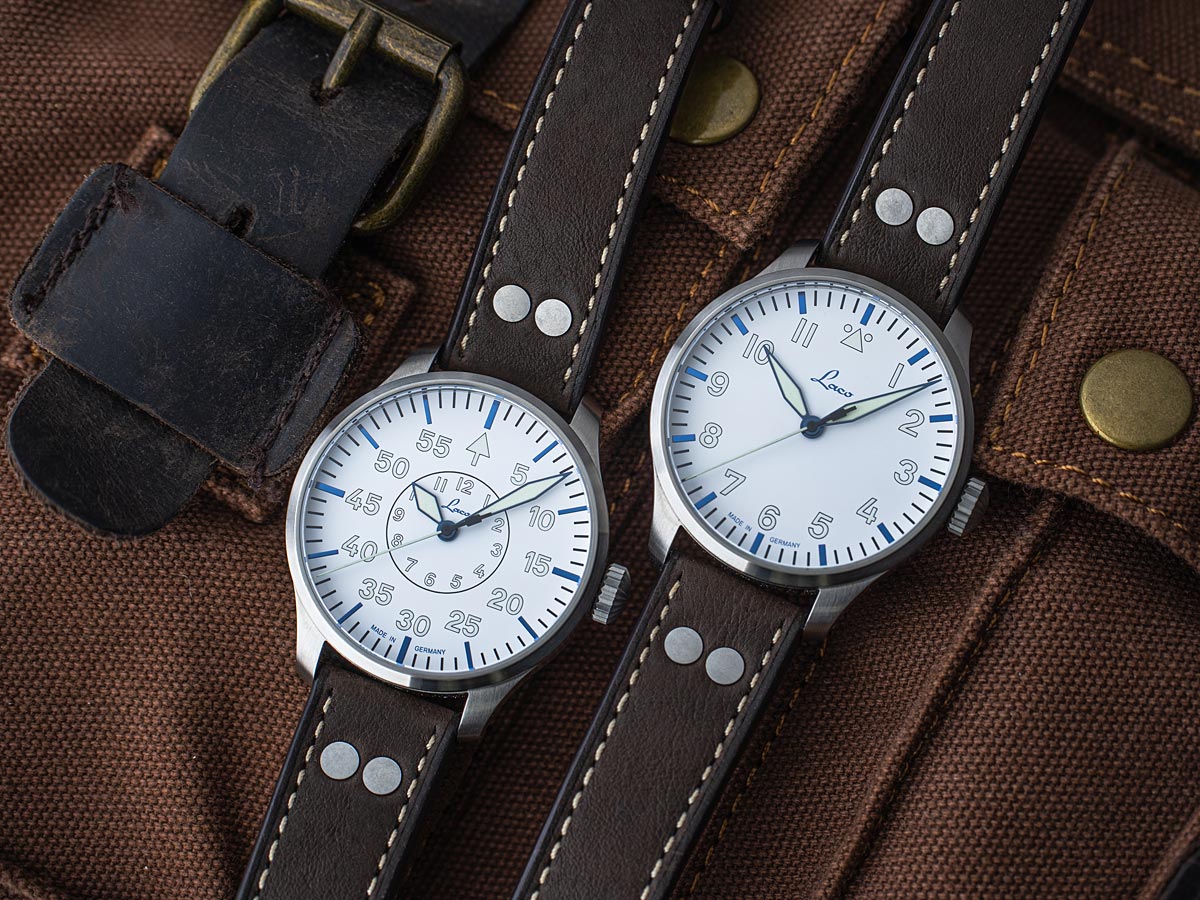
Top 5 men’s watches under 2,000 PLN – check out our recommendations!
Choosing a watch for up to 2,000 PLN has never been so exciting – it is within this price range that classic style, modern design and genuine watchmaking quality come together. If you’re wondering which model to choose and what to look out for, below you’ll find specific recommendations that show just how much you can get for your money these days.
0 0
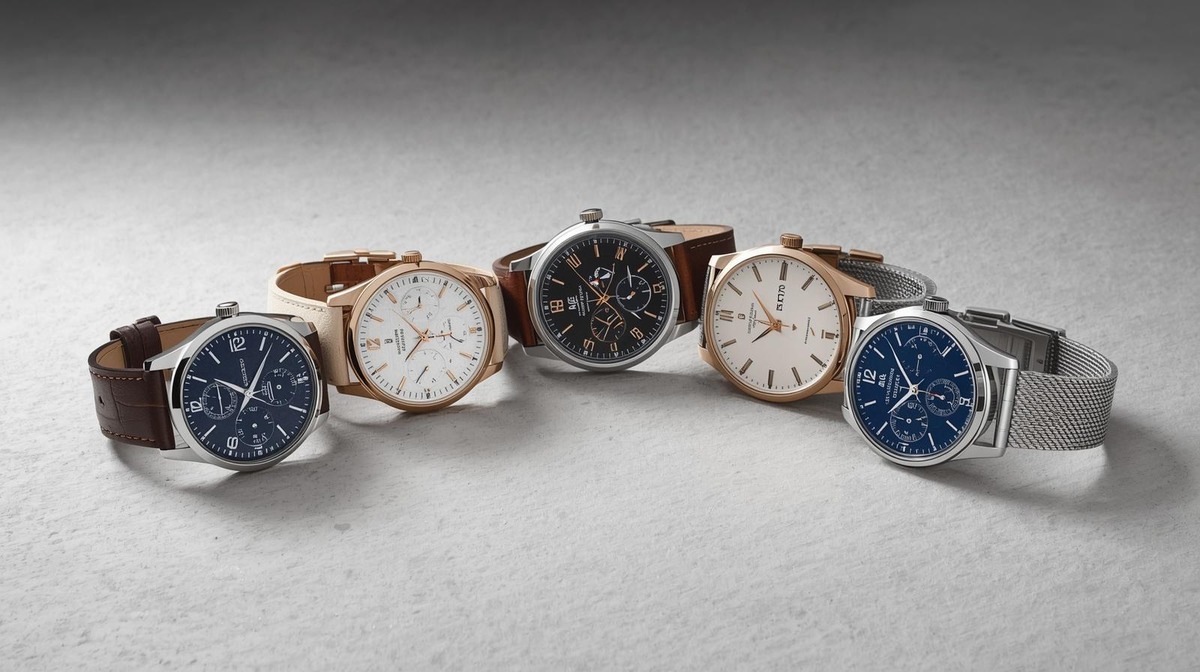
5 men's watches under PLN 5,000 – reasonable budget, serious quality
You don't have to spend a fortune to enter the world of true watchmaking. Our selection of men's watches under PLN 5,000 is a compilation of models that combine the reputation of the best brands, solid mechanics and timeless design – from classic divers, through aviation legends, to film icons and Polish gems with character. This budget is where conscious quality choices begin – watches that not only measure time, but also tell a story.
0 0
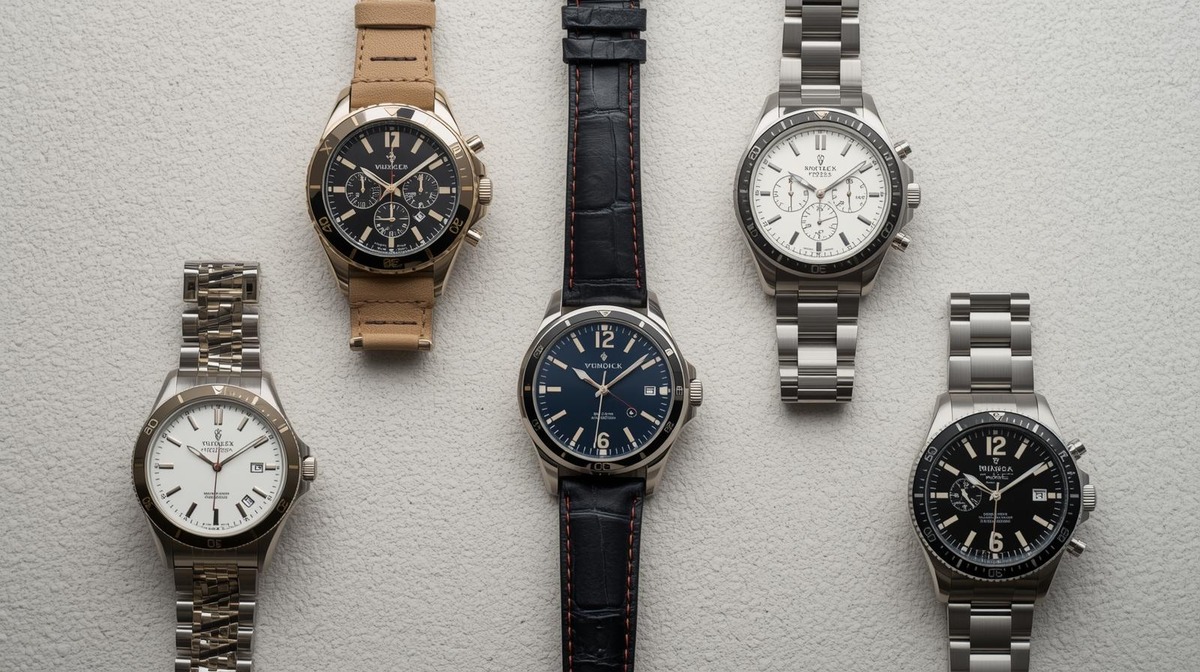
TOP 5 men's watches under PLN 4,000 – discover the offers from WestWatches!
Are you looking for a watch that is more than just an accessory? With a budget of up to PLN 4,000, the real game begins in terms of quality, character and brand reputation. This is a segment where classic meets modern, and solid mechanisms go hand in hand with refined design. Discover our suggestions and see which models really deserve a place on your wrist.
0 0
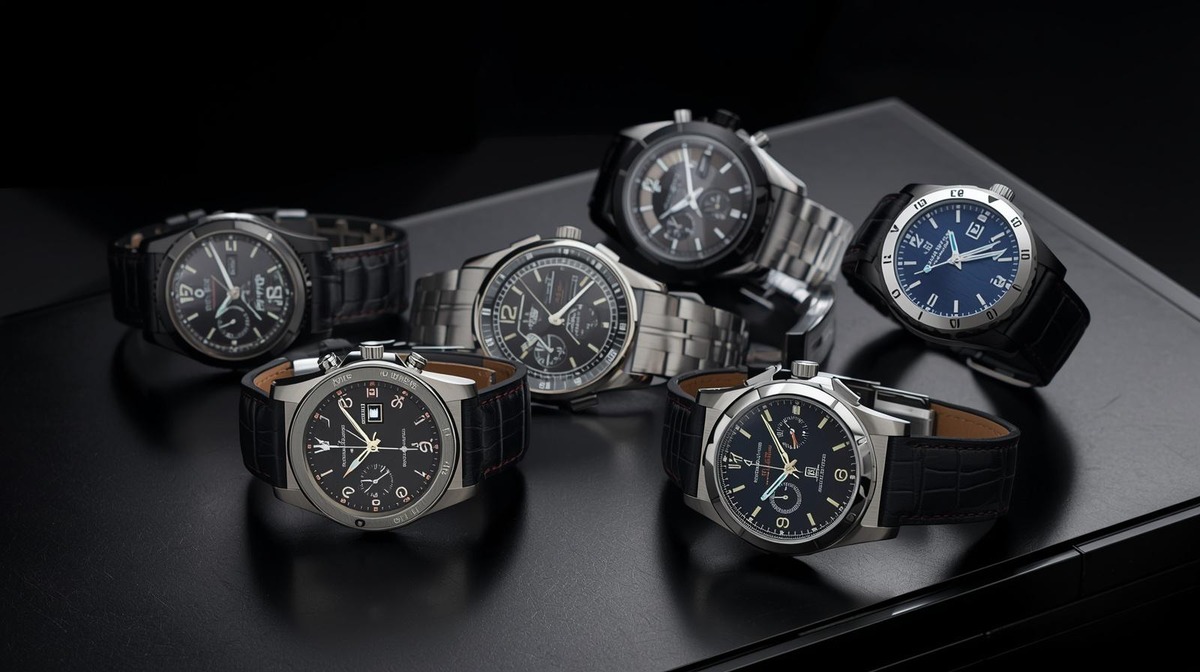
The 6 most interesting men's watches under PLN 3,000 – models that set the standard in this price range
A men's watch costing up to PLN 3,000 is no longer a compromise, but a conscious decision – in this segment, we can find classic Swiss Made models, refined Japanese automatic watches, as well as technologically advanced designs made of titanium or with radio synchronisation. Choosing the right model within a budget of up to PLN 3,000 can be a real pleasure today – this is a price range where details, solid workmanship and character matter. Here are six interesting suggestions that show how much you can expect for this price.
0 0
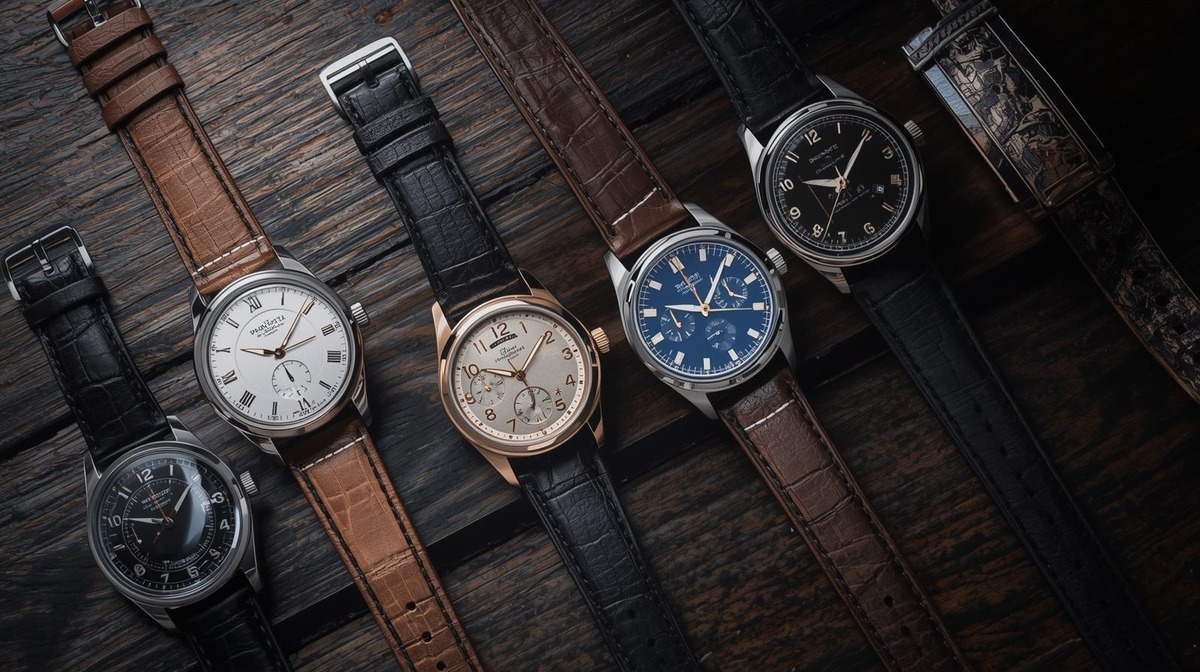
TOP 10 men's watches under PLN 1,000
Buying a watch for up to PLN 1,000 is quite a challenge for many people – on the one hand, you have to stay within your budget, and on the other, you have to choose a model that is reliable, durable and suits your style. In this price range, the choice is really wide: from classic elegant models, through sports models, to modern designs with automatic mechanisms. To make your decision easier, we have prepared a ranking with our suggestions that combine good quality, attractive design and reasonable prices.
0 0
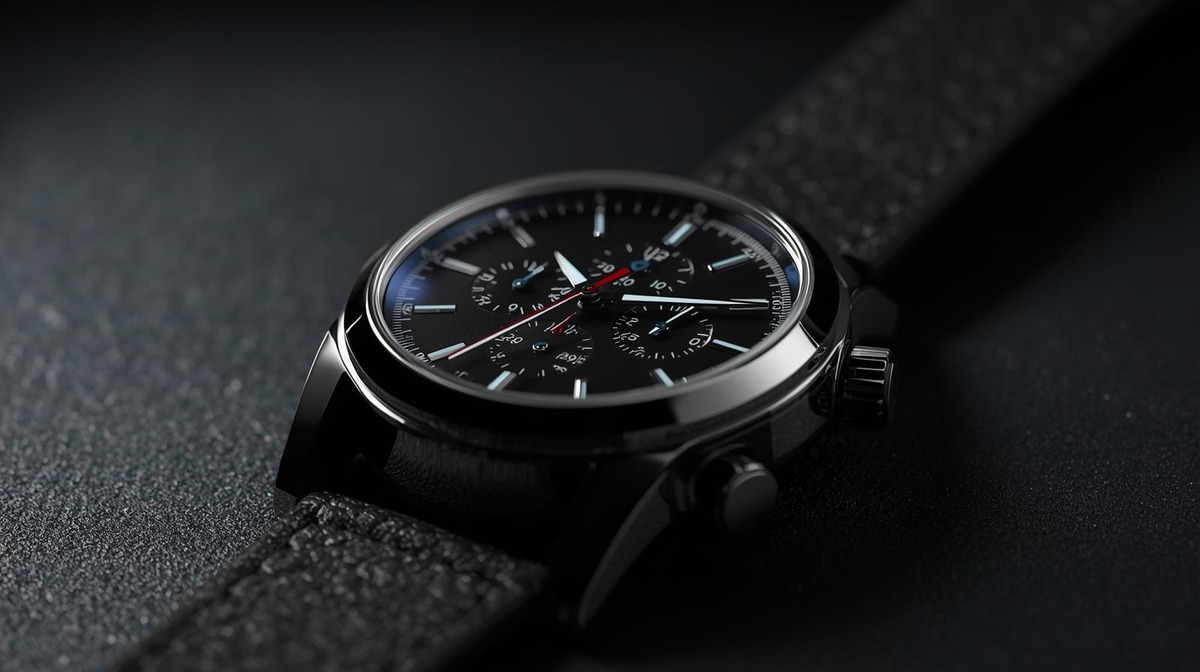
Flyback, split-seconds, rattrapante – advanced chronographs in practice
Not every chronograph in a watch works the same way – and that's where the difference lies. For some, it's an impressive complication on the dial, for others, it's a precise tool that can do much more than a regular stopwatch. Flyback reduces operations to a single decisive click, Split-Seconds allows you to measure two times simultaneously, and Rattrapante reveals the most advanced side of mechanics. If you want to understand what these names really mean and which mechanism makes sense for everyday use, read on – this is where the technical part of watchmaking begins.
0 0
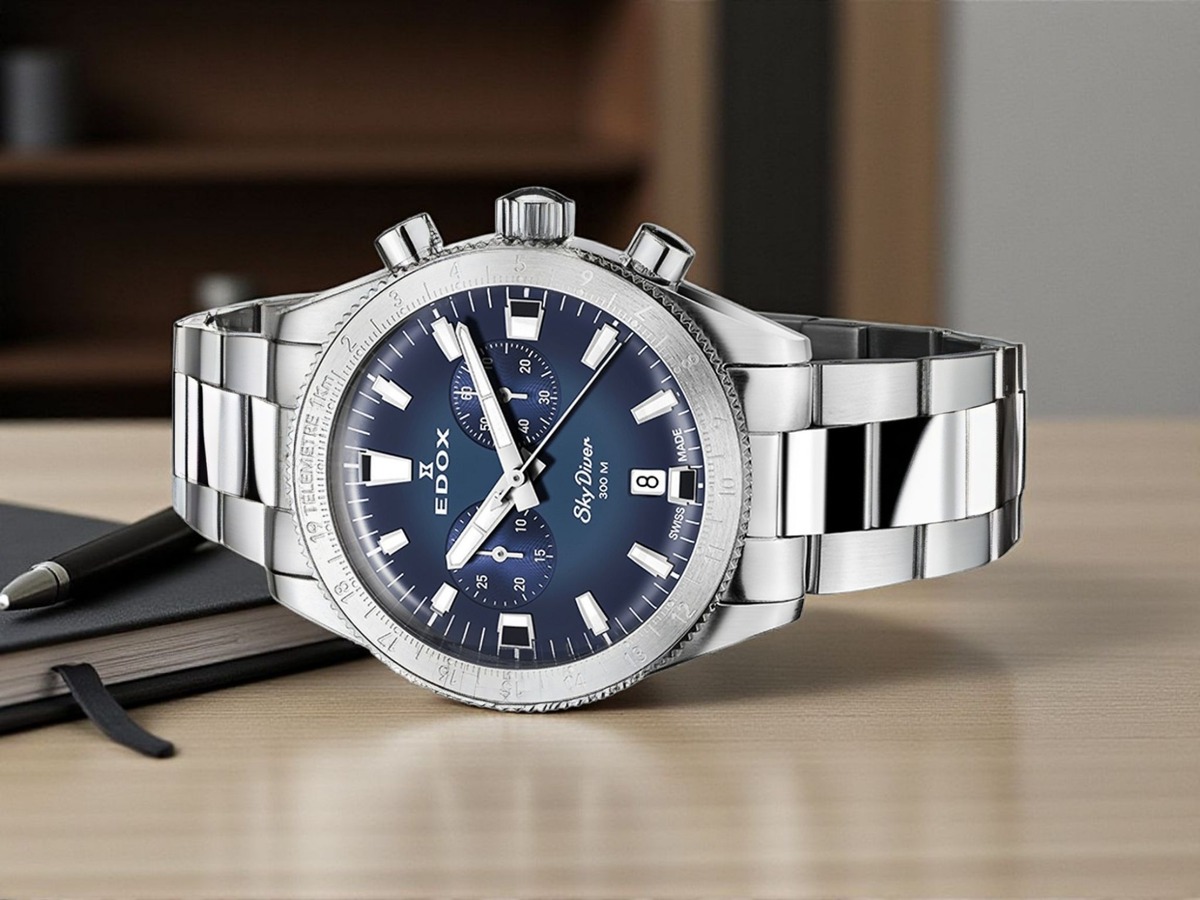
COSC certification – what does it guarantee and what does it not promise?
The COSC certificate sounds impressive and technical, and for many watch enthusiasts it is synonymous with the highest precision. After all, it is thanks to such standards that Swiss watches are considered synonymous with accuracy and quality. But do you know what COSC actually stands for, how a regular movement differs from one marked as a chronometer, and what you can – and cannot – expect from a watch with a COSC certificate in its documentation? It's time to separate fact from marketing and see how much of this prestige is backed up by real numbers.
0 0
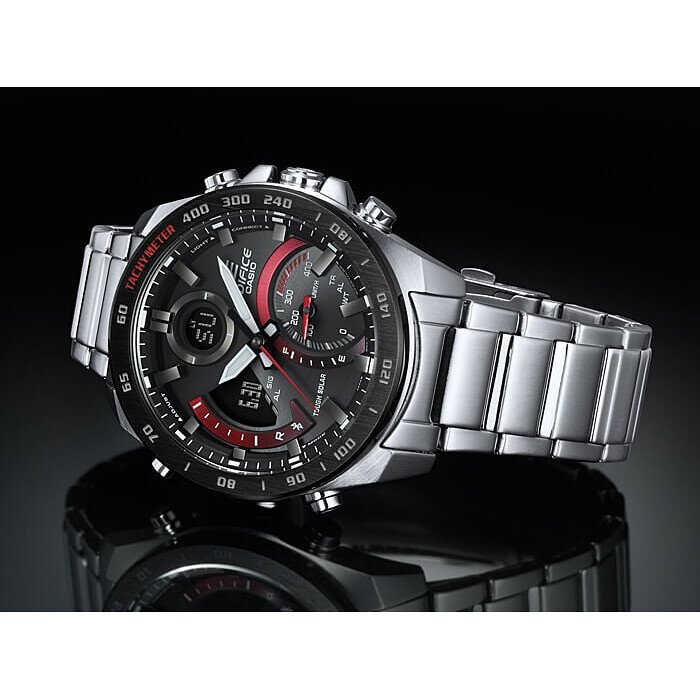
What determines the accuracy of mechanical and quartz watches?
Do you glance at your watch and see that it has "run away" by a few seconds again? This does not necessarily mean there is a problem. The accuracy of a mechanical watch is governed by different laws than that of a quartz watch, and the differences between them can be surprising. Find out what really affects the precision of your model and when a deviation is normal and when it is a sign that it is time for adjustment.
0 0
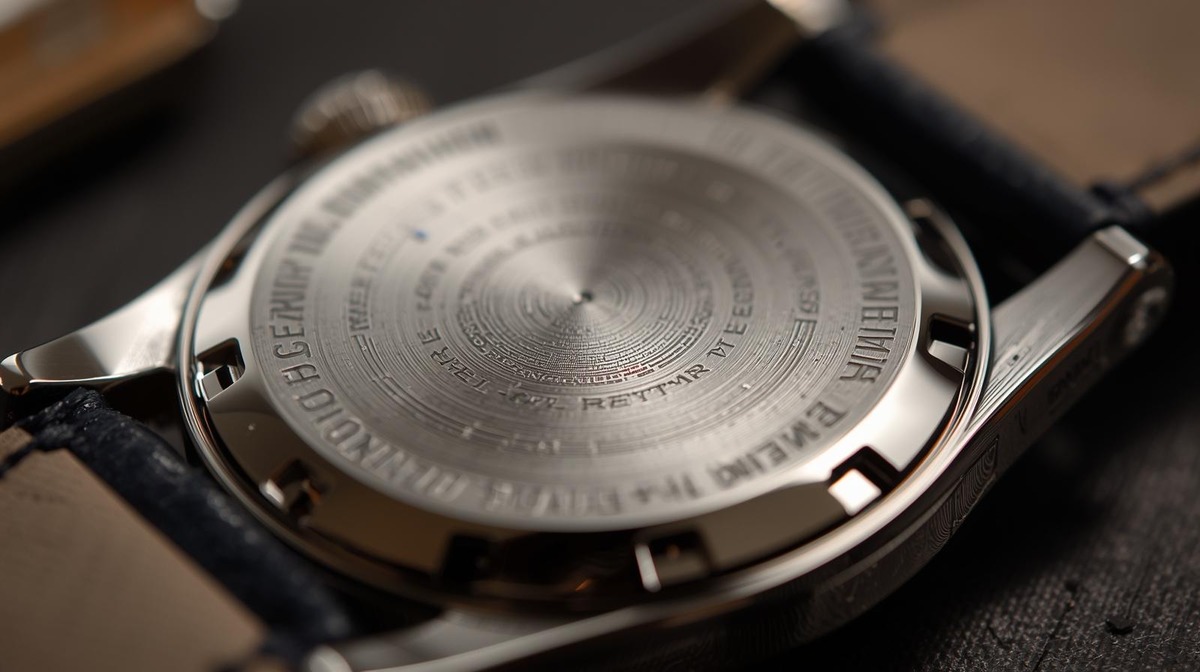
Watch reference number – where to find it and what does it tell you about the model?
Sometimes, a few characters engraved on the case are enough to tell you more about a watch than an entire page of description. The watch reference number is the key to its identity – it tells you which series it comes from, what its specifications are and whether everything is correct. If you are wondering what a watch reference number is and where it is hidden, everything will become clear in a moment. In the world of precision, there is no room for chance – every detail matters.
0 0
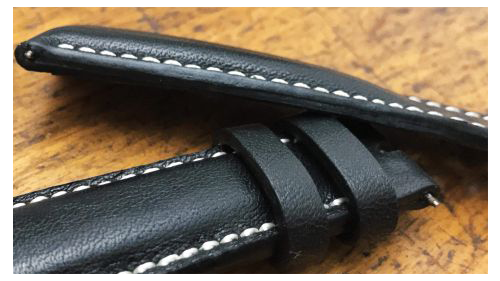
How to care for a leather watch strap so that it does not crack?
A leather strap can look great for years – but only if you treat it with care. In practice, most damage is not due to the quality of the leather, but to everyday habits: moisture, rushing to dry it, lack of waterproofing. If you want your watch to continue to look elegant and your strap to remain flexible and free from cracks, it is worth knowing how to clean it, when to waterproof it and what to avoid at all costs. Below you will find specific tips to make care simple and effective.
0 0

How to wear a watch with bracelets without overdoing it?
A watch has long ceased to be just a tool for checking the time. Today, it is an element of style – just as important as shoes or a well-tailored jacket. So, more and more often, the question arises whether a watch and a bracelet together are a good idea, and if so, how to do it with flair. In this post, you will find specific tips on how to combine accessories consciously, without exaggeration and without looking random. Because style begins where chaos ends.
0 0