



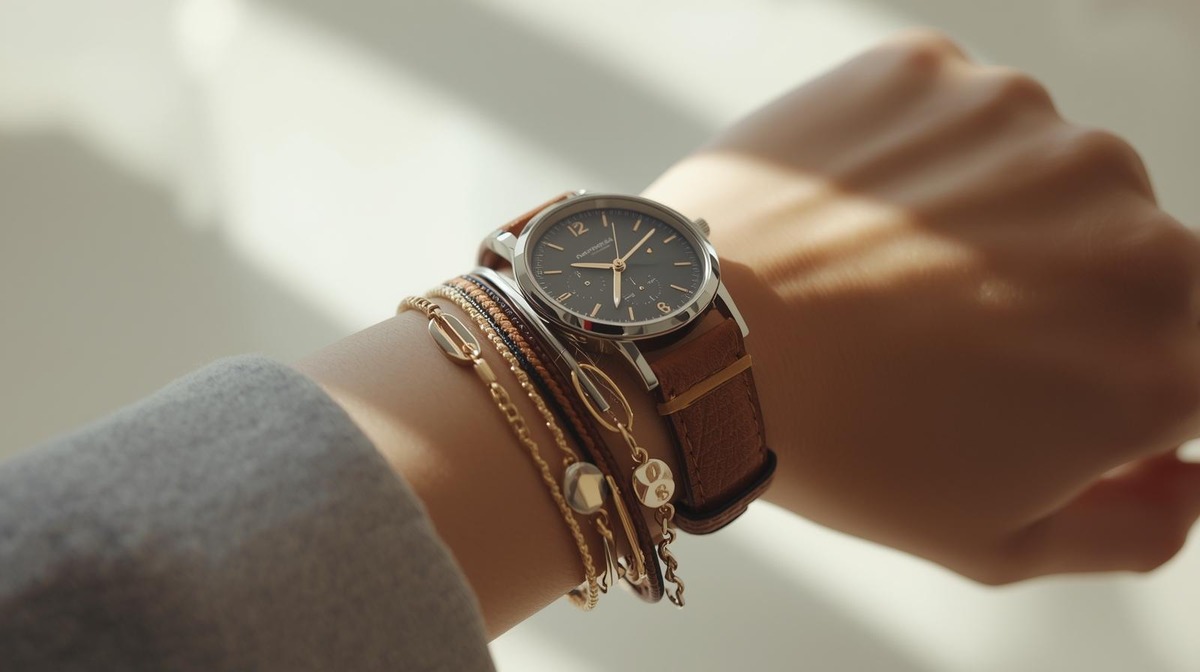
How to wear a watch with bracelets without overdoing it?
A watch stopped being just a time-telling tool long ago. Today it's a style statement – just as important as shoes or a well-tailored blazer. The question of whether to wear a watch and bracelet together comes up more and more often, and if so – how to do it tastefully. In this post you'll find practical tips to help you combine accessories consciously, without overdoing it and without a random, thrown-together look. Because style begins where chaos ends.
Watch and bracelet together – is it a good idea?
Before you start thinking about how to wear a watch with bracelets, pause for a moment on one basic rule – who plays first fiddle in this outfit? It really makes a difference. If you're wearing a bulky men's watch on a steel bracelet with a prominent dial, don't add three equally striking accessories to it. In that case, the watch and bracelet together should form a master–background relationship, not a rivalry. Choose one or two slim bracelets that will accentuate the watch's character without overpowering it.
On the other hand, if your watch is minimalist – a thin case, leather strap, understated dial – you can allow yourself a little more. This is the moment when you can confidently combine jewellery with a watch, building a delicate but noticeable set. The key is in the proportions. It's not about making everything identical – it's about making the whole look intentional. If you have a silver case, it's a good idea to match jewellery to the watch in a similar metal tone, or to echo the colour of the stones with the dial's colour.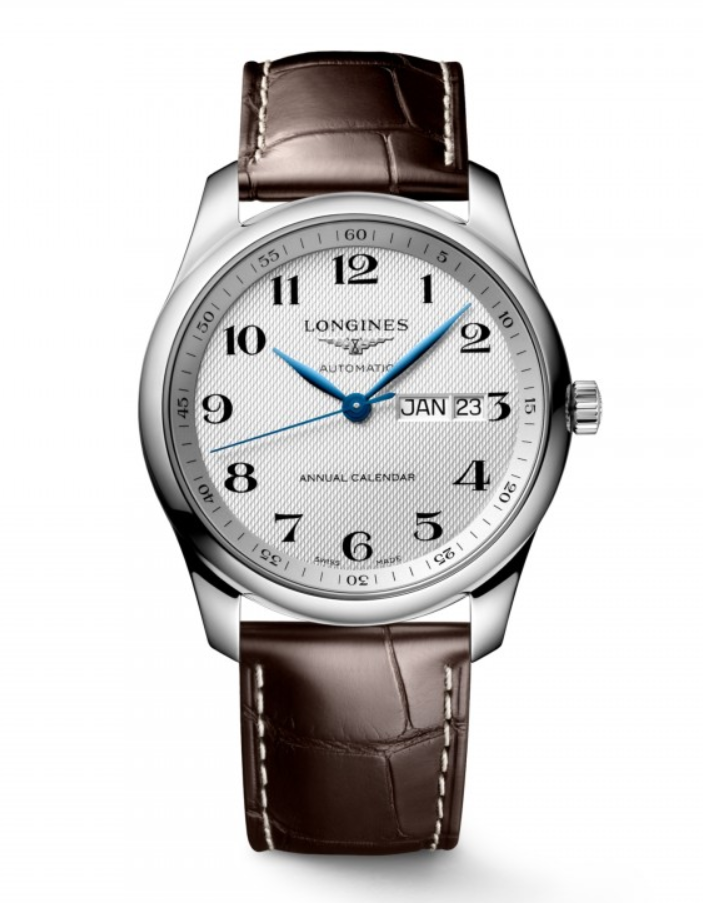
Longines Master Collection Automatic 40 mm is an elegant, classic model that looks best alongside subtle accessories. It pairs wonderfully with thin bracelets made of onyx, haematite, or smooth leather in muted tones, which emphasise its timeless character. If you decide to wear a watch and bracelet together, go for minimalism – one, or at most two delicate pieces are more than enough.
Do a quick test before leaving the house – stand in front of the mirror and look at your wrist from a distance. If the first thing you see is chaos, take one bracelet off. Minimalism almost always beats excess, especially when you want to combine watches with everyday outfits and aim for that "effortlessly stylish" effect.
How to wear a watch with bracelets on the same wrist without creating a mess?
This question comes up more often than you'd think. A watch and bracelet on the same wrist can look great – but only when you maintain consistency. The most common mistake? Mixing everything together. A classic watch on a leather strap paired with colourful beaded bracelets in several shades – that combination rarely works. Style consistency matters more than the number of accessories.
If you want your watch and bracelet together to look good, stick to one aesthetic. A sporty model? Go for simple, plain bracelets without too much shine. An elegant watch? Choose subtle stones, thin chains, or smooth forms. You don't need to create a perfect matching set, but avoid clashing styles that have nothing in common.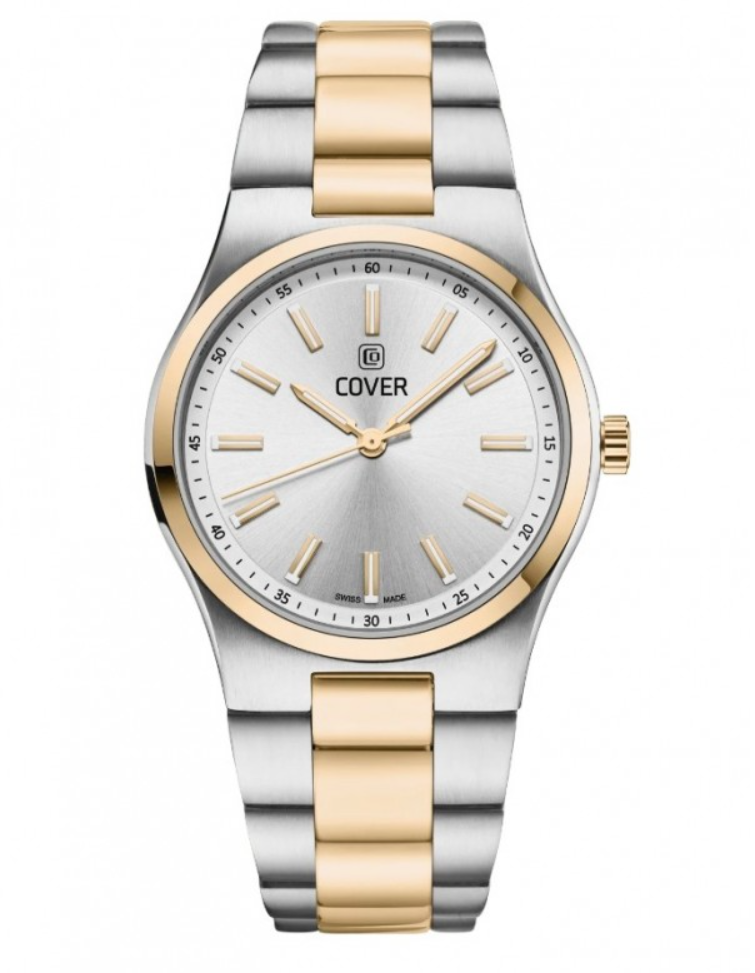
COVER Bracelet One 34 mm CO219.04 is a subtle yet expressive model in an elegant combination of steel and gold accents, practically calling for well-matched jewellery. It looks best with delicate gold-toned bracelets, thin chains, or minimalist forms with light stones that reference the warm details of the case.
In practice, the best rule is: two, or at most three bracelets maximum. Beyond that number, the watch starts to disappear and the wrist looks heavy. If you feel like a larger "stack", move some of the accessories to the other wrist. It's a very simple fix, and it delivers a much better visual result.
There's one more thing that's easy to forget – comfort. When combining jewellery with a watch, check that the pieces don't rub against the case. A scratched watch no longer looks like a stylish accessory – it starts to look neglected. Style isn't just about appearance; it's also about attention to detail.
Watch and bracelet on the same wrist – where to position them to make the wrist look slimmer? A stylist's trick
Placement matters more than you'd expect. You often focus on colour and material while forgetting exactly where each element sits. Yet the right arrangement can optically elongate the wrist and make the whole look effortless. The safest option? Watch closest to the hand, with delicate bracelets just above it, towards the forearm. Slim models with haematite, onyx, or a subtle chain work great below the watch, as they don't overpower the wrist. If, however, you have a more substantial timepiece, you can reverse the proportions and opt for a wider bracelet above it – but only when both pieces carry a similar visual weight. Balance is key.
In practice, it's worth experimenting for a moment. Put on your watch and bracelet on the same wrist, move your hand around, and see how they sit with natural movement. If something shifts awkwardly or looks accidental, change the order. Sometimes a small adjustment is all it takes for everything to start looking cohesive. Especially ladies' watches with a smaller case require a sensitive touch, as it's easy to overwhelm them with overly bold jewellery. That's exactly why it's best to pair them with subtle, proportionate accessories that highlight their character instead of dominating it.
Remember too that you can choose jewellery to match a watch so that it underscores its character. A blue dial? A subtle stone in a similar shade will look consistent. A black case? Dark, matte bracelets will add depth. Details build an effect that's visible from a distance, even when it's not loud.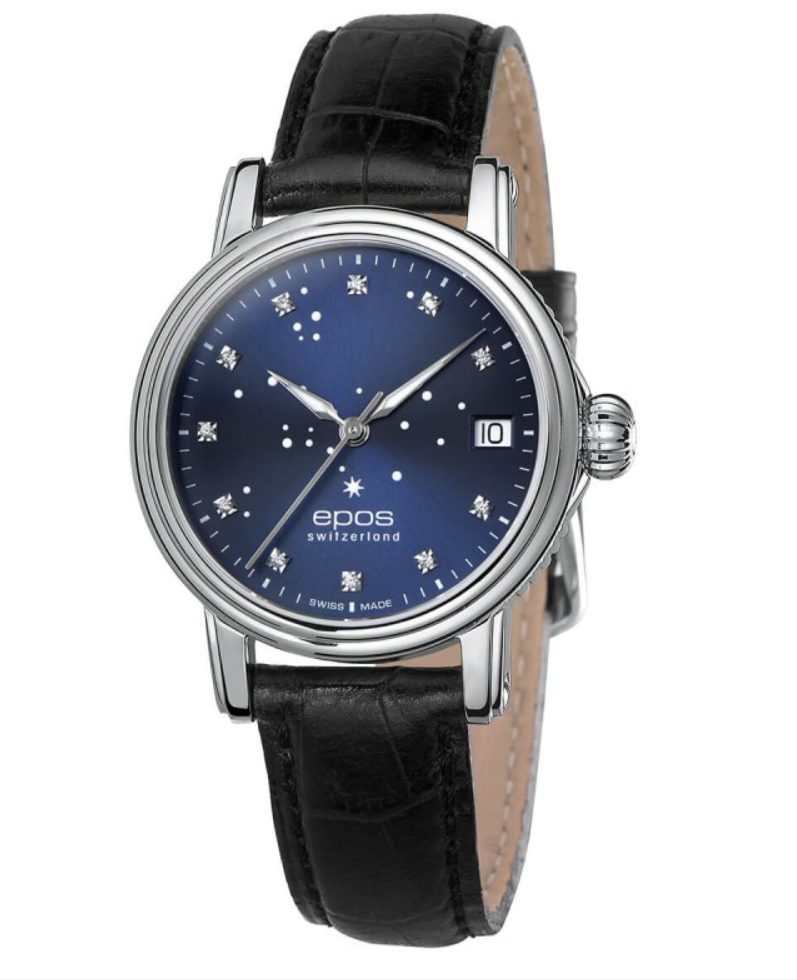
EPOS North Star Automatic 34 mm 4390.152.20.96.15 captivates with its deep navy dial and subtle jewellery-like details that instantly draw the eye. This model pairs best with delicate silver bracelets, thin chains, or understated forms with a navy accent that echoes the dial's colour – the overall look should be light and cohesive.
How to wear a watch and bracelet so it looks stylish, not forced?
Sometimes everything seems correct yet something still feels off. That's the moment to ask yourself one question – does this styling feel natural to you? Because even the best-matched combination won't hold up if you feel uncomfortable in it. Style shouldn't be forced.
When combining watches with everyday outfits, think about context. A set worn with a shirt and blazer will look different from one worn with a T-shirt and jeans. For formal occasions, the watch alone will often work better. In more relaxed situations you can allow yourself more freedom and combine a watch and bracelet together in a more casual way.
Do a simple test – take one bracelet off and see whether the combination doesn't look better. If the difference is obvious, that's a sign there was too much going on before. If you don't notice a change, you've probably kept the proportions right. It really works. Ultimately, the goal is for the watch and bracelet to form a considered duo, not a random collection of accessories. Less is more, especially at the wrist. Once you learn to consciously combine jewellery with a watch, you'll stop wondering whether something "looks right". You'll simply know that it does.

Krzysztof Szopa
Watch Expert
An expert associated with WestWatches.pl, a destination that has been delivering watches for every occasion for years. Drawing on extensive experience in the watchmaking and jewellery industry, he passionately shares his knowledge, offering professional advice both in the online store and in the brick-and-mortar shop. He specialises in selecting original watches, watch accessories, and jewellery pieces that combine exceptional quality with competitive prices. His goal is to help customers find the perfect product that meets their expectations and enhances their personal style.

See popular articles
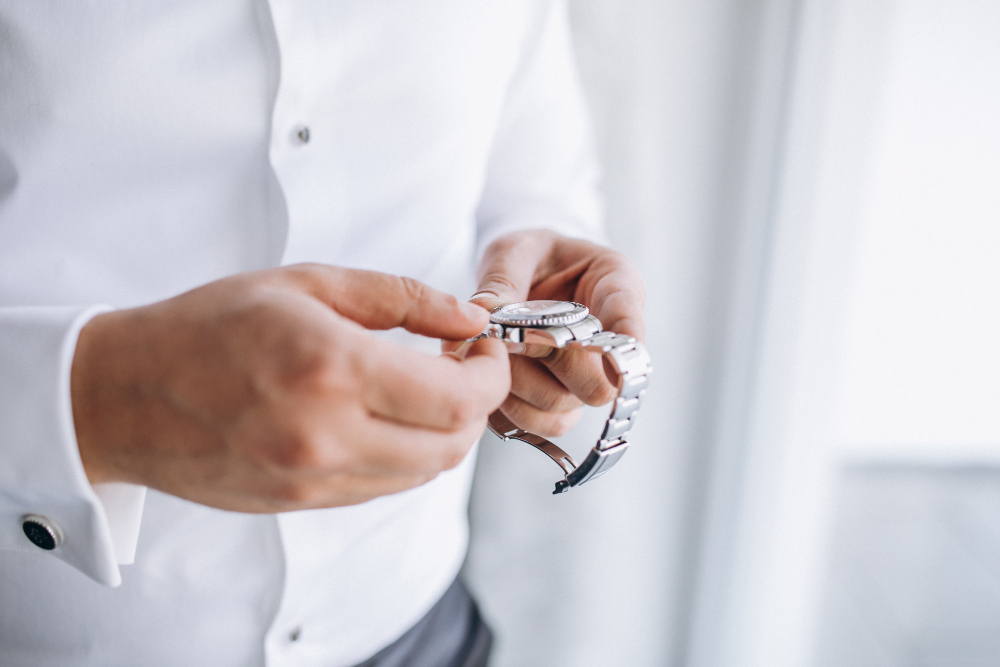
316L, 904L and surgical steel – what is your watch made of?
Most steel watches, from affordable models to luxury constructions, are made of 316L steel. 904L steel contains more nickel, chromium and molybdenum, and therefore offers higher corrosion resistance, but in itself it does not mean greater scratch resistance. The term “surgical steel”, in turn, does not point to one strictly defined alloy. In watches it most often refers to 316L, but without a specific material designation it may simply be a marketing name. If you are choosing a watch for years, look therefore not only at the words “stainless steel”, but also at the grade of steel, which components are made of the given material and how they are finished.
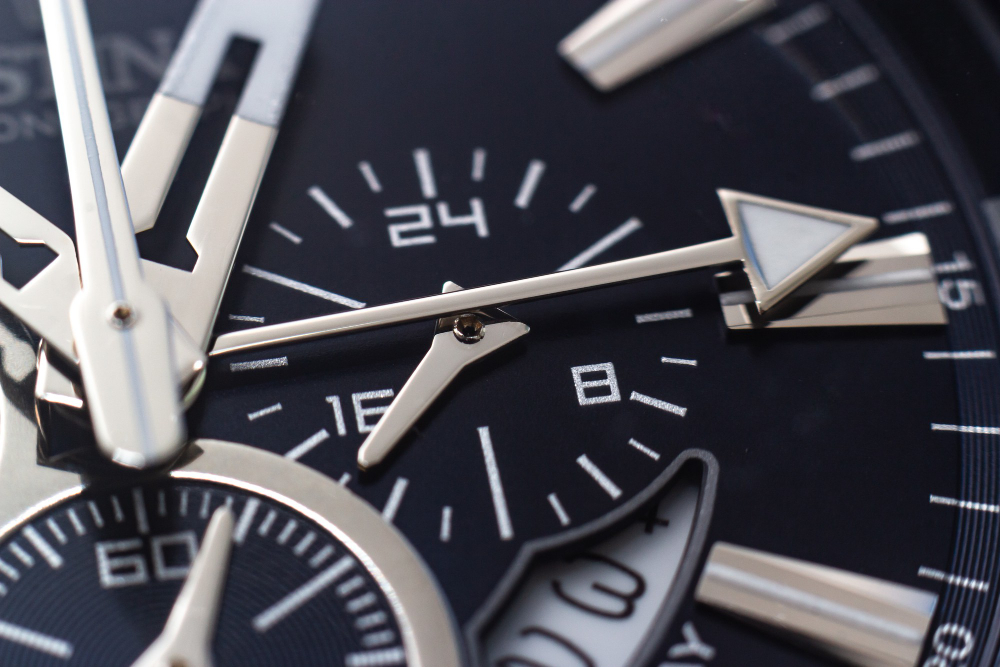
Japanese or Swiss watches? We compare quality, movements and prices
If you are wondering whether Japanese or Swiss watches are better, the name of the country alone will not give you a good answer. In both cases you will find simple models for relatively little money, solid mid-range automatics and designs belonging to the world's watchmaking high end. Far more about quality will be told to you by the specific movement, the way the case and bracelet are made, the crystal, quality control, accuracy and price. Check how Japanese watches really differ from Swiss ones and what to pay attention to before you choose a model for yourself.
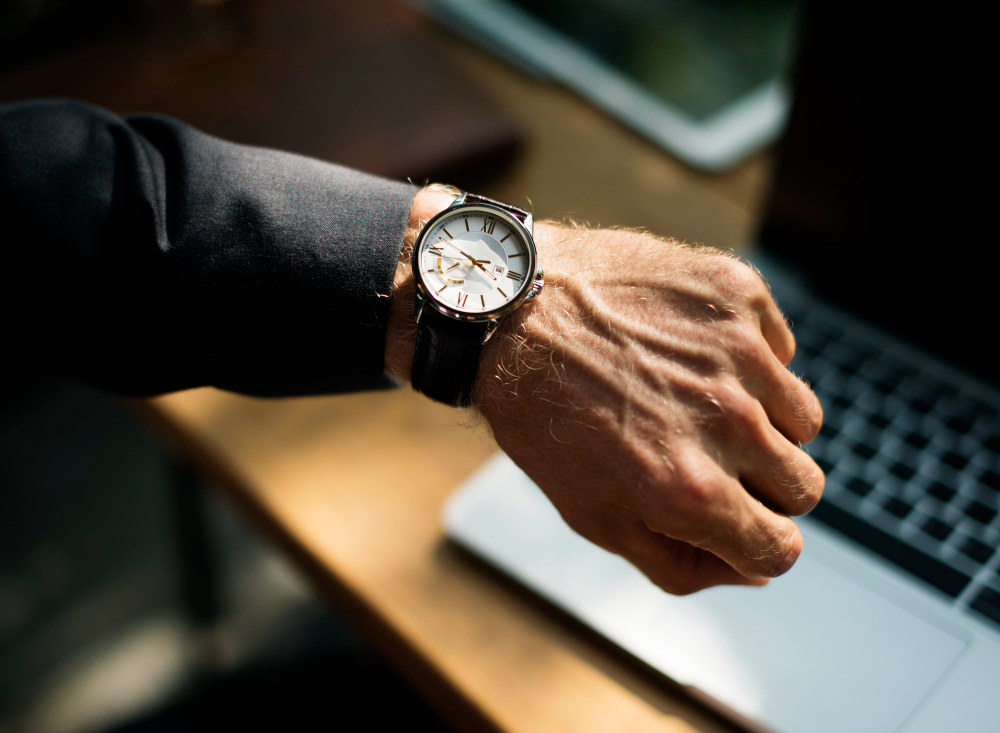
The lifespan of a quartz watch – how long does it really last, and when is it no longer worth repairing?
We value quartz watches above all for their accuracy, convenience and modest day-to-day demands. That does not mean, however, that they can run indefinitely and need nothing more than a new battery once every few years. Over time, the components of the movement itself also wear out, and the moment a watch starts giving trouble can look completely different depending on the model, the way it is used and the availability of parts. So how long can a quartz watch last, what wears out in it most often and when does repair still make sense? Check what its lifespan really depends on.
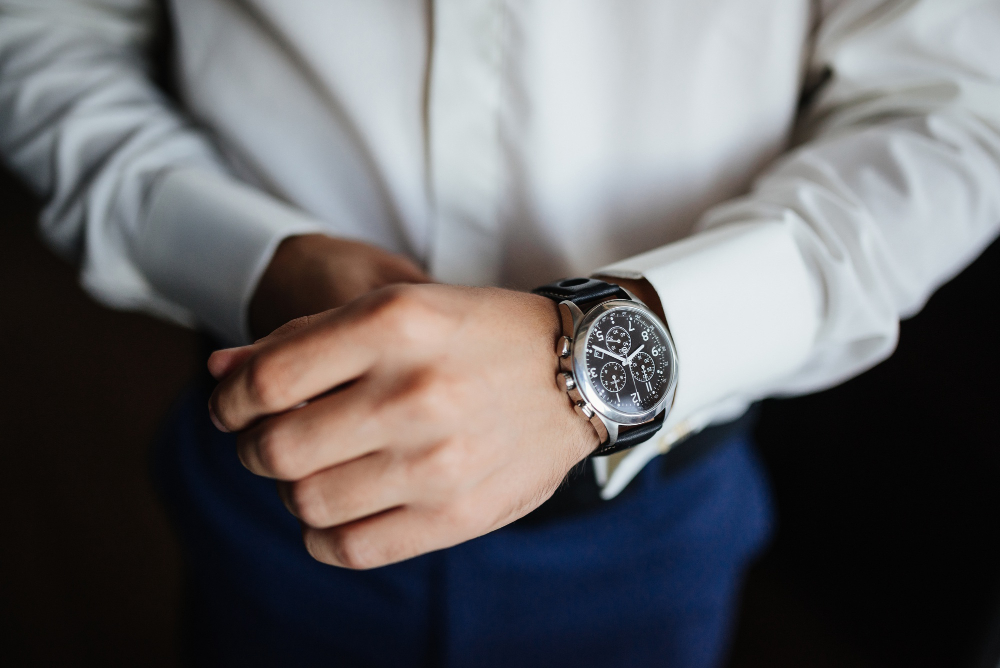
The second hand on a watch – why does it jump, move smoothly or stop?
The way the seconds hand moves can tell you a lot about a watch's movement, but it is not an infallible test. A single distinct jump per second most often points to quartz, several small movements per second are typical of a mechanical movement, and an almost continuous glide is associated with Spring Drive. There are exceptions, however: there is a quartz watch with a sweeping seconds hand, and a mechanical watch that makes exactly one jump per second. What is more, a stopped hand does not have to mean a fault. Check how to read these signals and when you really need a watchmaker's help.

How do you set an automatic watch? Date, time and time zone 21:00–3:00
An automatic watch does not need a battery, but it does require a little knowledge from its owner. Setting the time or date seems simple, yet the wrong moment or the wrong way of using the crown can affect how the movement works. Many questions concern changing the date at night, moving the hands backwards and restarting a watch after a longer break. Check how to set an automatic watch correctly, what to pay attention to with the crown and why people often talk about particular caution between 9:00 pm and 3:00 am.

Wodoszczelność 10 ATM i 20 ATM – czy możesz pływać i nurkować z takim zegarkiem?
Co naprawdę oznacza 10 ATM lub 20 ATM na zegarku i czy takie oznaczenie pozwala bez obaw wejść do basenu, morza albo nurkować? Same liczby mogą być mylące, dlatego sprawdź, jak czytać klasę wodoszczelności i dobrać zegarek do aktywności w wodzie.
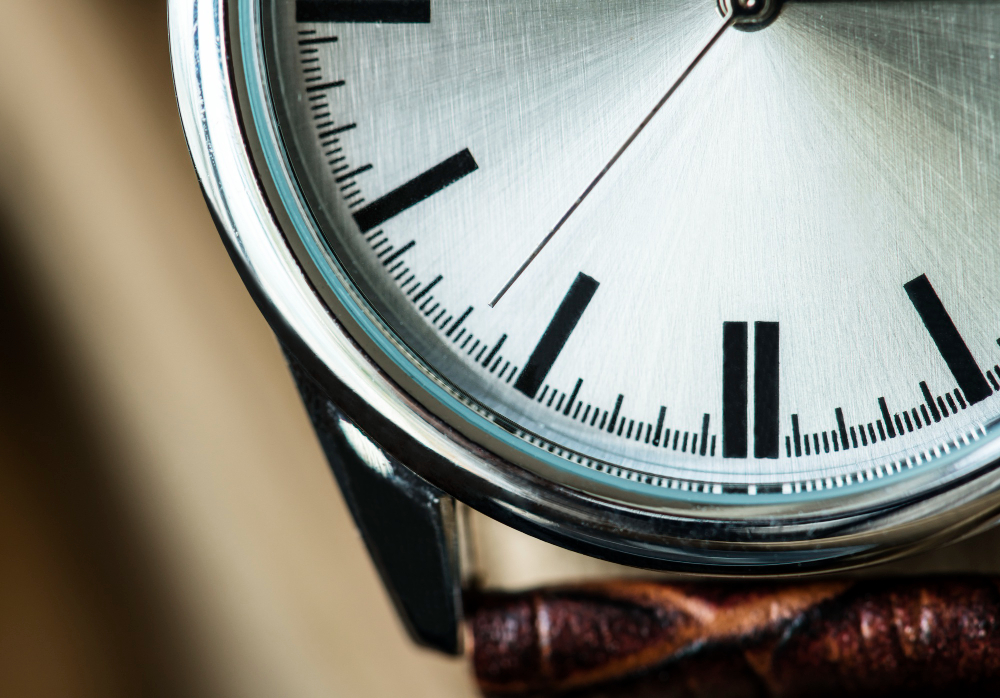
Water resistance 3 ATM – what does it mean and what can you do with it?
3 ATM water resistance means the watch is prepared above all for rain, accidental splashes and brief contact with water during everyday activities. It does not mean that you can swim with it, shower in it or submerge it to a depth of 30 metres. It is precisely the “30 m” marking that most often misleads. It is the result of a pressure test carried out under controlled conditions, not a declared working depth. So if you see 3 ATM, 3 bar or Water Resistant 30 m on the case back or in the specification, treat the watch as resistant to everyday moisture, but not as a watch for water activities.

Rolex-style watches – the best alternatives to the Submariner, Explorer and Datejust
For years Rolex has been one of the most important style benchmarks in the watch world, but its price is not within everyone's reach. That is why it is worth looking at watches similar to Rolex and models inspired by its styling, which offer their own character, solid build quality and much more affordable prices. We are not talking about counterfeits here, but about legitimate watches from other brands that draw on similar solutions and design language. Check out watches inspired by Rolex's style and choose the model that suits your style and budget.
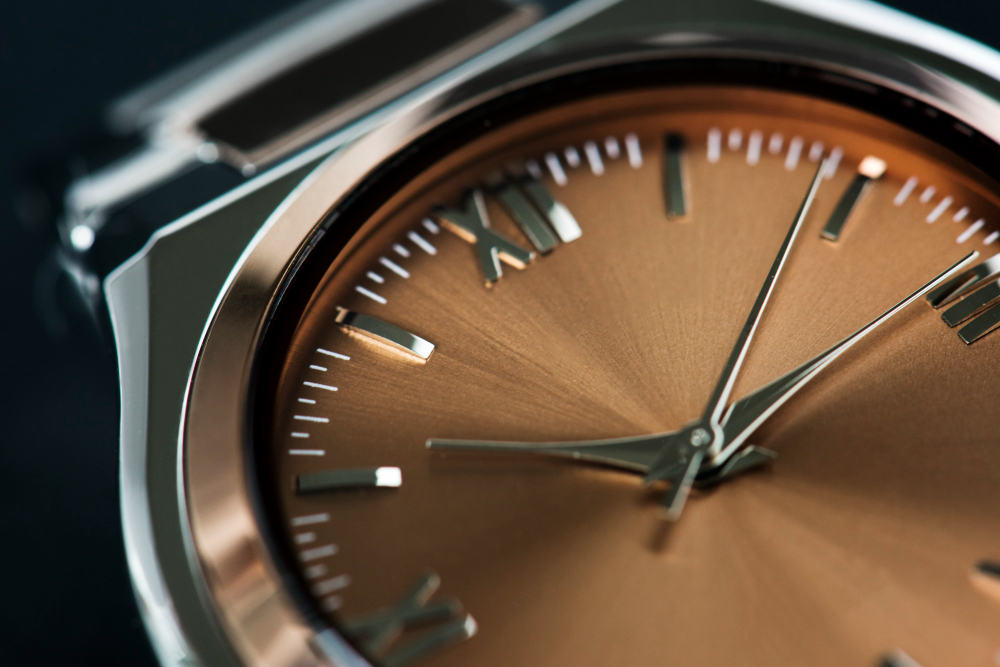
A bronze watch – why does each one change over time?
A bronze watch stands out because its appearance changes along with its owner. The case gradually darkens, turns matte and develops a patina, so two identical models can look completely different after just a few months. This is the greatest advantage of bronze, but also a trait you need to accept before buying. If you expect a watch that keeps its factory shine for years, steel may be a better direction. If, on the other hand, you like vintage looks, signs of use and the natural ageing of a material, bronze gives an effect that is hard to achieve in any other metal.