



Can Winding an Automatic Watch Damage the Mechanism?
Automatic watches are prized for their uniqueness and convenience compared to hand-wound mechanical watches. They function effortlessly by being worn, as wrist movements provide the energy required to power the watch. The mechanism relies on a rotor that moves with your wrist, driving a gear train that winds the mainspring. As the spring stores energy, it powers the watch for a certain period, known as the power reserve.
Manual Winding of Automatic Watches via the Crown
Many manufacturers include mechanisms that allow manual winding of automatic watches by turning the crown in one direction. This feature is especially common in mechanisms that come in various versions with different additional functions.
Does this mean you should always use it? It depends on the situation and your overall use of the watch. First, let’s review some practical aspects of automatic mechanisms.
Automatic Watches Are Designed for Wrist Movement
An automatic mechanism is fundamentally designed to be powered by wrist movements. Its intricate assembly of hundreds of components works optimally when energy is generated by the rotor rather than the crown. Therefore, it’s best to use the watch as intended. Ironically, manually winding an automatic watch may do more harm than good.
The Mechanism Has a Maximum Energy Capacity
The power reserve applies to all mechanical watches, meaning they can only store a specific amount of energy. Manually winding via the crown can cause excessive tension in the mainspring, potentially reducing its lifespan. Automatic mechanisms are designed to prevent this scenario during wrist movement, where certain components slip rather than over-tighten the spring.
Overworking the Mechanism Through Manual Winding
Manual winding forces the watch to work in ways it wasn’t optimized for. Instead of naturally cycling through winding and releasing energy, the mechanism remains perpetually wound, making the rotor’s operation redundant. This can lead to accelerated wear on various components.
When Should You Manually Wind an Automatic Watch?
Manual winding is helpful when the power reserve has been fully depleted, and you want to use the watch immediately. In such cases, carefully wind the watch by turning the crown 7–10 times back and forth, but avoid winding to its maximum capacity. Always consult the user manual to ensure proper operation, as some mechanisms don’t support manual winding.
How to Prevent the Mechanism from Stopping
The ideal solution is to prevent the watch mechanism from stopping. Wear your favorite automatic watches as often as possible! For those not worn regularly, consider using a watch winder. This device keeps the mechanism running and serves as a secure way to display your collection while maintaining optimal storage conditions.
4 Key Tips for Maintaining an Automatic Watch
- Temperature: Avoid exposing the watch to extreme temperatures, as they can damage internal components and alter the properties of protective lubricants.
- Magnetic Fields: Keep your watch away from electronics and magnetic devices, which may affect its accuracy by causing it to run fast or slow.
- Shocks and Vibrations: Avoid dropping or exposing the watch to strong vibrations, which can harm the balance wheel, mainspring, or gear train.
- Regular Servicing: Have your automatic watch serviced every 3–5 years to maintain its longevity.
A quality watch can accompany you for years or even decades if properly cared for. We hope this guide helps you keep your timepiece in peak condition. Ready to expand your collection? Explore our range of automatic watches today!
See popular articles

Watches for seniors – the top 5 gift ideas for older people
Choosing the right watch for a senior is more than just buying a practical accessory – it’s a decision that affects an older person’s comfort in daily life and their general well-being. This selection features models that combine readability, comfort and timeless style, whilst catering to a range of needs – from elegant classics to durable sports watches.
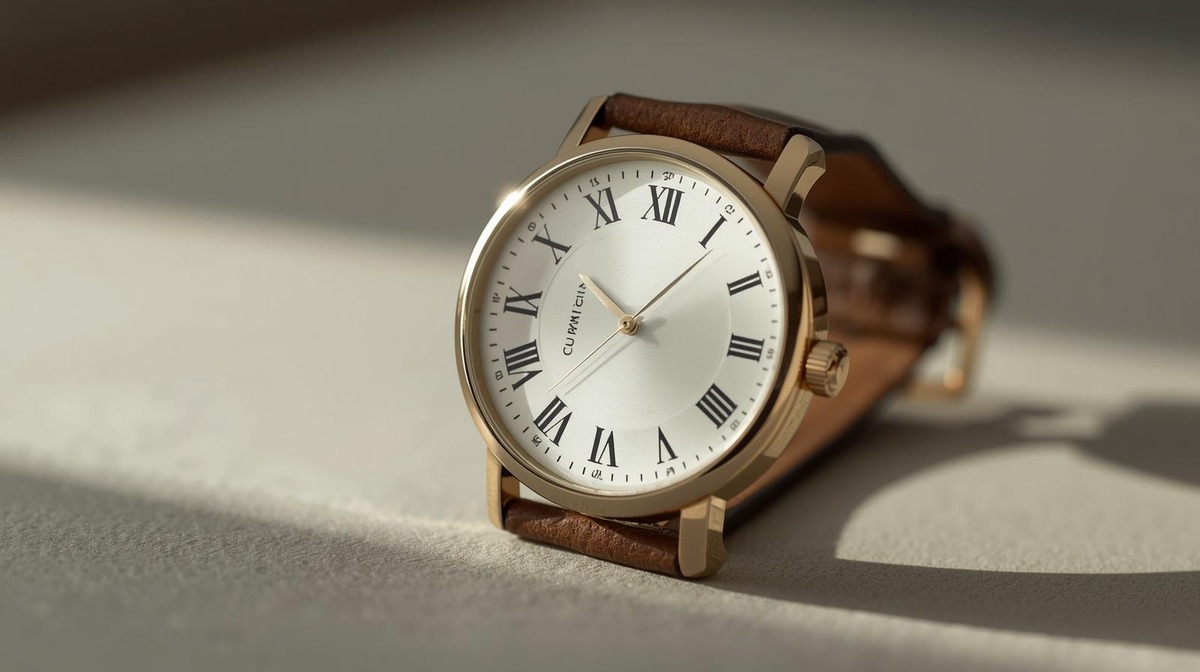
Which battery for a wristwatch – how not to confuse SR, LR and CR?
Choosing the right battery for your watch is a topic that often seems trivial… until you find yourself standing in front of a shelf full of different labels and have no idea what to choose. SR, LR, CR, numbers like 377 or 364 – they all look similar, yet the differences are huge and have a real impact on how your watch works. If you want to avoid making the wrong purchase and ensure your watch works exactly as it should, it’s worth learning a few simple rules that will clear up most of your doubts.
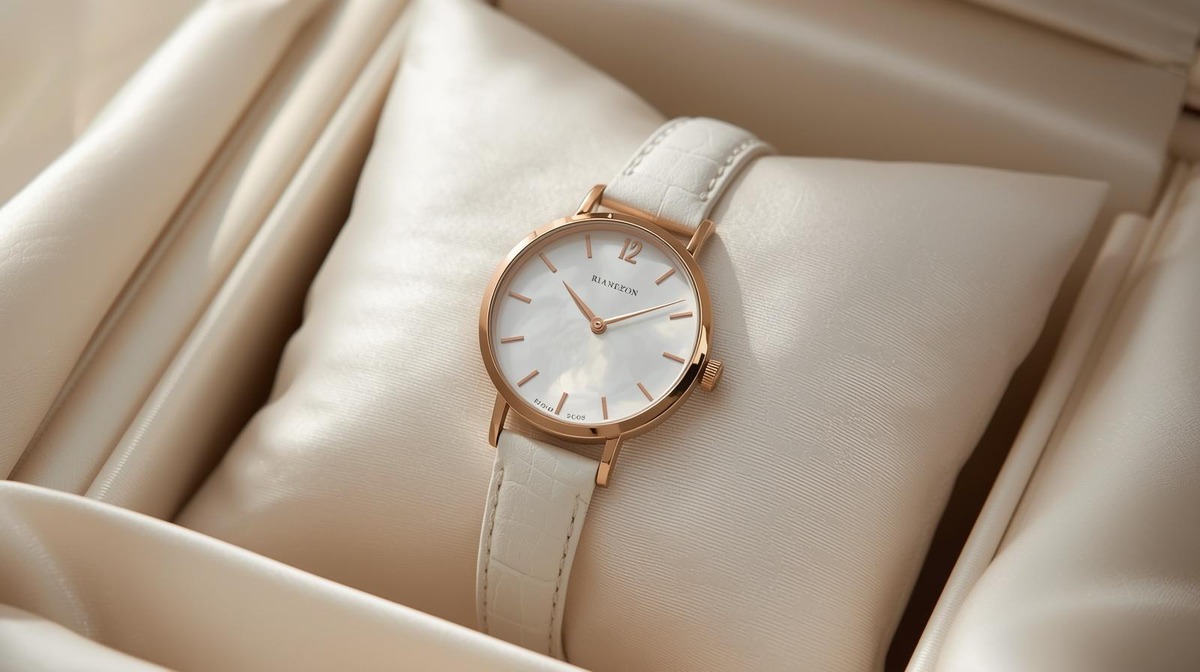
Watches for girls for First Communion – a ranking of the best gift options
First Holy Communion is a special occasion that deserves an equally special gift. A watch for a girl to mark her First Holy Communion is not only an elegant accessory, but also a keepsake for years to come – a symbol of growing up, personal style and those first important moments captured in time. In this guide, you’ll find suggestions that combine beautiful design, functionality and timeless appeal.

On which wrist should you wear a ladies’ watch? Find out what’s comfortable and what’s just a matter of habit
At first glance, it may seem like a minor detail, but in practice it can make a real difference. Choosing which wrist to wear a watch on isn’t just a matter of habit or fashion – it’s about comfort, functionality and how the watch fits in with your everyday lifestyle. Some people don’t even give it a second thought, whilst others try out different options before finding the right one. If there is any doubt as to whether there is a single ‘correct’ answer – it is worth dispelling it once and for all and looking at the matter from a practical perspective.
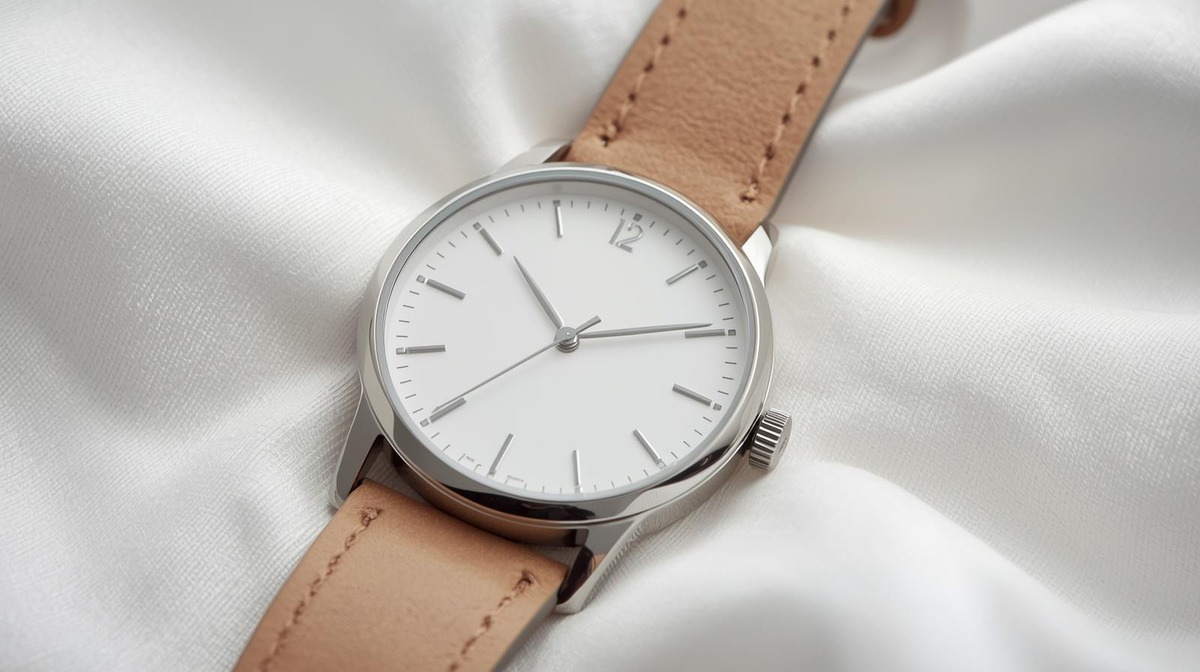
First Communion watches for boys – a ranking of the best models for a special gift that will last for years
which can be a companion for years to come. In this guide, we’ve compiled a selection of models that combine style, functionality and timeless appeal, making it easier to find the perfect watch for a boy – one that suits his age, interests and first ‘grown-up’ choices.
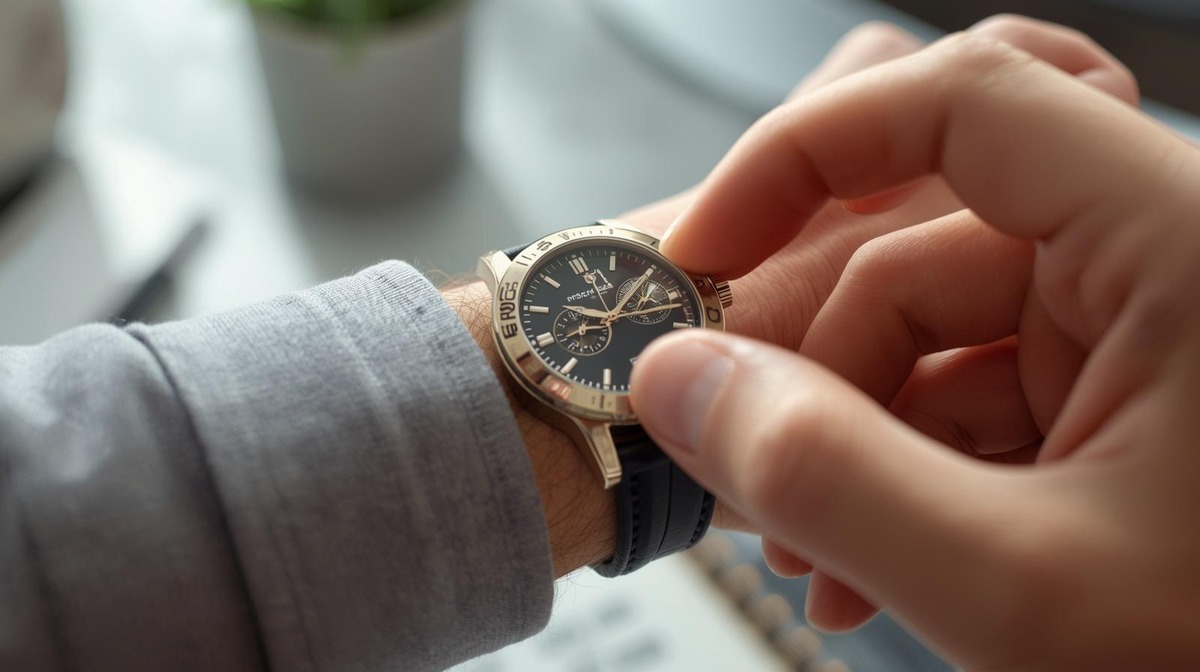
How do you adjust a watch that’s running fast?
Have you noticed that your watch is running fast and are starting to lose confidence in it? Don’t worry – this doesn’t necessarily mean there’s a serious fault. In many cases, it’s a natural characteristic of the mechanism or the result of minor factors that can be quickly diagnosed. Find out what to do if your watch is running fast, when observation is enough, and when specific adjustment or a visit to a watchmaker is needed.

Replacing the battery and closing the watch – what should you watch out for?
Changing a watch battery seems like a simple task – a few minutes, a quick swap, and you’re done. In practice, however, this is a moment when it’s easy to make a small mistake that ends up costing far more than the battery itself. It’s not just about getting the watch working again, but about doing so in a way that’s safe for the movement, the case and… the water resistance. If you want to avoid common pitfalls and be sure that everything has been done properly – check out what you really need to pay attention to.
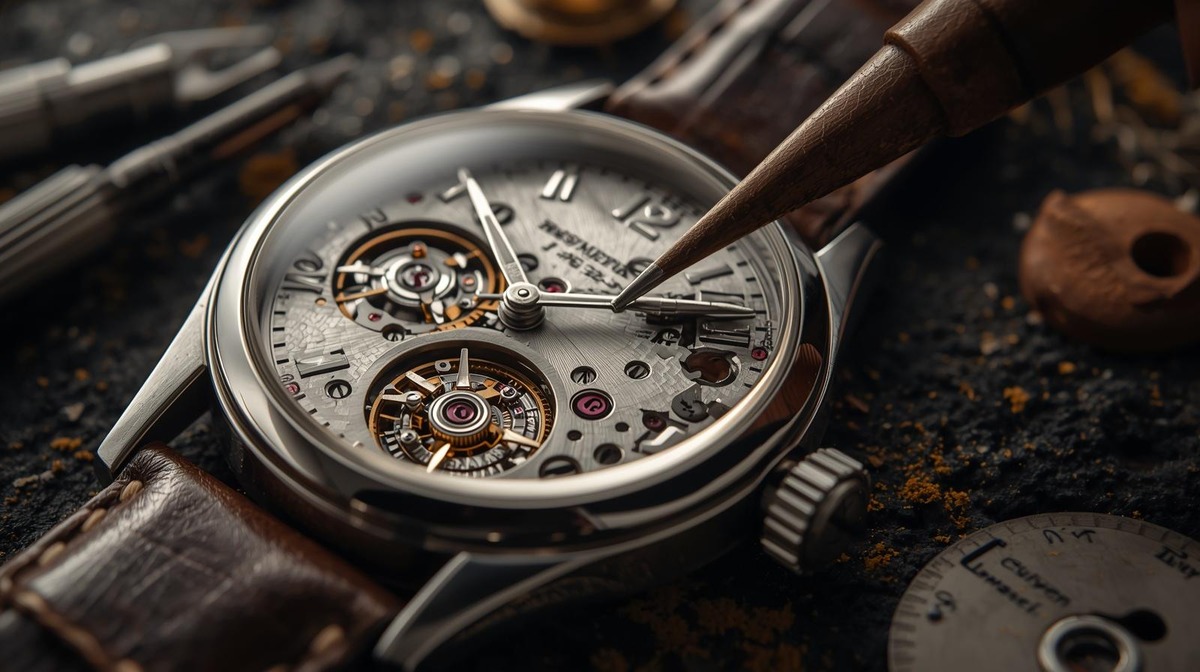
Watch dial restoration – when is it worth it, and when is it better to give it a miss?
Not every watch dial restoration is a good idea – sometimes you improve the appearance, but lose something far more important. The line between refreshing the look and losing the original character is a fine one, and a single decision can affect not only the aesthetics but also the value of the entire watch. If you’re wondering whether restoring watch dials makes sense in your case, it’s worth looking at the issue more broadly – not just in terms of ‘prettier’, but above all ‘better’.
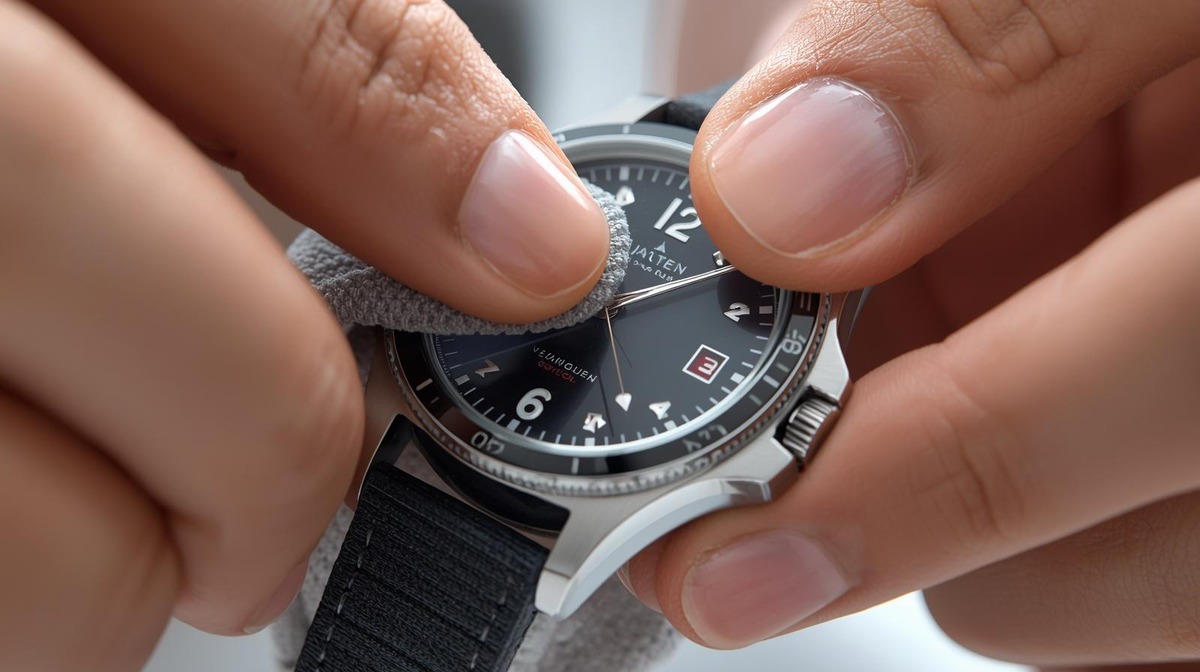
How can I clean my watch face without risking damage?
At first glance, it might seem like just a quick wipe of the glass – but in reality, it’s one of the most common mistakes, which can permanently ruin the appearance of your watch. If you want the dial to look as good as new for years to come, it’s worth knowing what to avoid at all costs and how to clean it safely – without the risk of scratches, tarnishing or costly repairs.