



Choose the Perfect Men's Watch – Sporty, Classic, or Diver?
The watch market offers a dazzling array of options. If you don’t have a clear idea of the style you’re looking for, stepping into a store can feel overwhelming. From designs, features, and colors to sizes, functions, and prices, the diversity is immense. To find the perfect men's watch, it’s essential to ask yourself one key question: What kind of lifestyle do I lead?
Sporty Watches – Follow Modern Trends
Are you an active individual? Do you enjoy running, cycling, or other sports? If you’re always on the move, a sporty watch is the ideal choice.
Sport watches come packed with a variety of features:
- Popular Functions: Stopwatch, chronograph, date display, 24-hour time.
- Advanced Tools: Heart rate monitor, pulse oximeter, sleep tracker, GPS, and training software.
- Durable Design: Made with robust synthetic materials, offering shock resistance and excellent readability.
- Water Resistance: Most models are highly water-resistant, making them perfect for outdoor adventures.
With sporty watches, you get both functionality and style, designed to keep up with an active lifestyle.
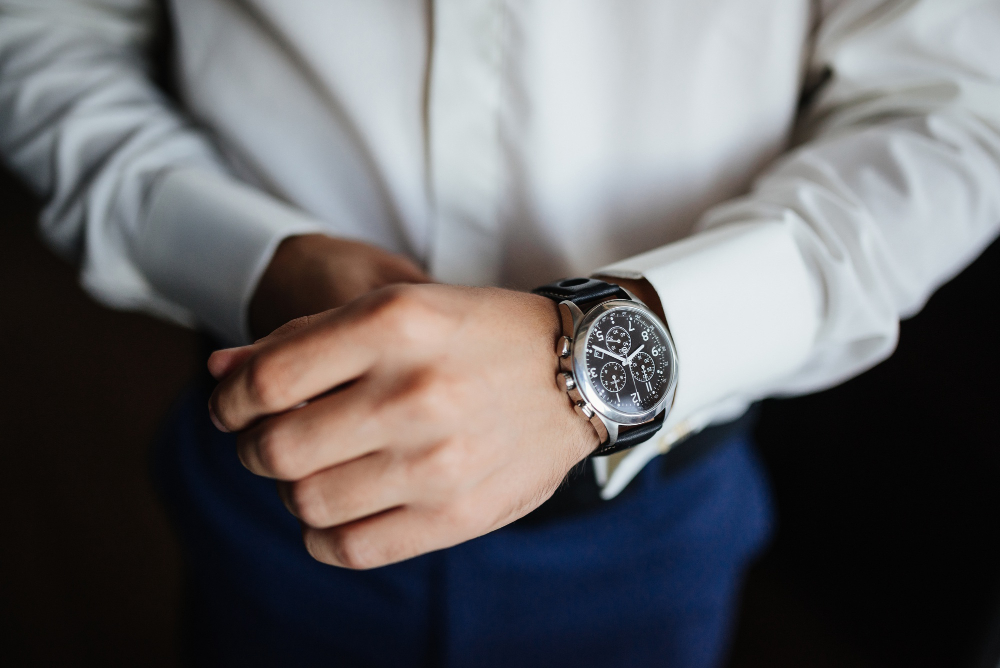
Classic Watches – Timeless Elegance
Do you often attend business meetings or prefer a formal wardrobe? A classic watch might be your perfect accessory.
Classic watches are defined by their:
- Minimalist Design: Clean, timeless aesthetics that suit both day and evening wear.
- Color Palette: Neutral tones like white, black, gold, silver, or gray for versatile styling.
- Premium Materials: Leather straps, gold or silver cases, and stainless steel finishes.
Luxury classic watches often incorporate precious metals such as gold and platinum, while others use titanium or brass for a sophisticated look. They exude elegance and pair seamlessly with formal attire.
Diver Watches – For Water Sports Enthusiasts
Do you love water sports or diving? A diver watch might be just what you need.
Key features of diver watches include:
- Durability: Metal cases resistant to damage and deformation.
- Water Resistance: High water resistance levels, often with sealed case backs and screw-down crowns.
- Enhanced Readability: Large dials, luminescent hands, and bold indices ensure visibility underwater.
- Unique Design: Rotating bezels with minute markers and rubber straps for comfort and durability.
While diver watches share many traits with sporty models, their distinct features make them stand out as a reliable choice for aquatic adventures.
Finding Your Ideal Watch
Answering the question, “What lifestyle do I lead?” will quickly guide you to the right watch style.
At our store, we offer a wide range of watches from world-renowned brands. Whether you're looking for sporty, classic, or diver models, or even aviation, military, or luxury designs, we’ve got you covered.
Explore our collection to find a timepiece that perfectly matches your style and needs!
See popular articles
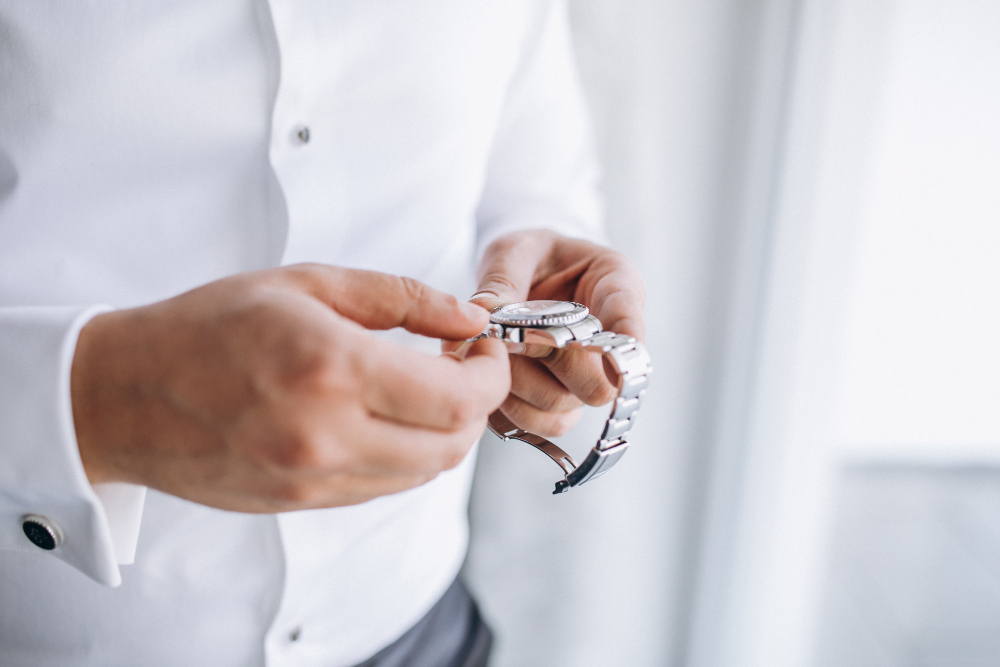
316L, 904L and surgical steel – what is your watch made of?
Most steel watches, from affordable models to luxury constructions, are made of 316L steel. 904L steel contains more nickel, chromium and molybdenum, and therefore offers higher corrosion resistance, but in itself it does not mean greater scratch resistance. The term “surgical steel”, in turn, does not point to one strictly defined alloy. In watches it most often refers to 316L, but without a specific material designation it may simply be a marketing name. If you are choosing a watch for years, look therefore not only at the words “stainless steel”, but also at the grade of steel, which components are made of the given material and how they are finished.
Japanese or Swiss watches? We compare quality, movements and prices
If you are wondering whether Japanese or Swiss watches are better, the name of the country alone will not give you a good answer. In both cases you will find simple models for relatively little money, solid mid-range automatics and designs belonging to the world's watchmaking high end. Far more about quality will be told to you by the specific movement, the way the case and bracelet are made, the crystal, quality control, accuracy and price. Check how Japanese watches really differ from Swiss ones and what to pay attention to before you choose a model for yourself.
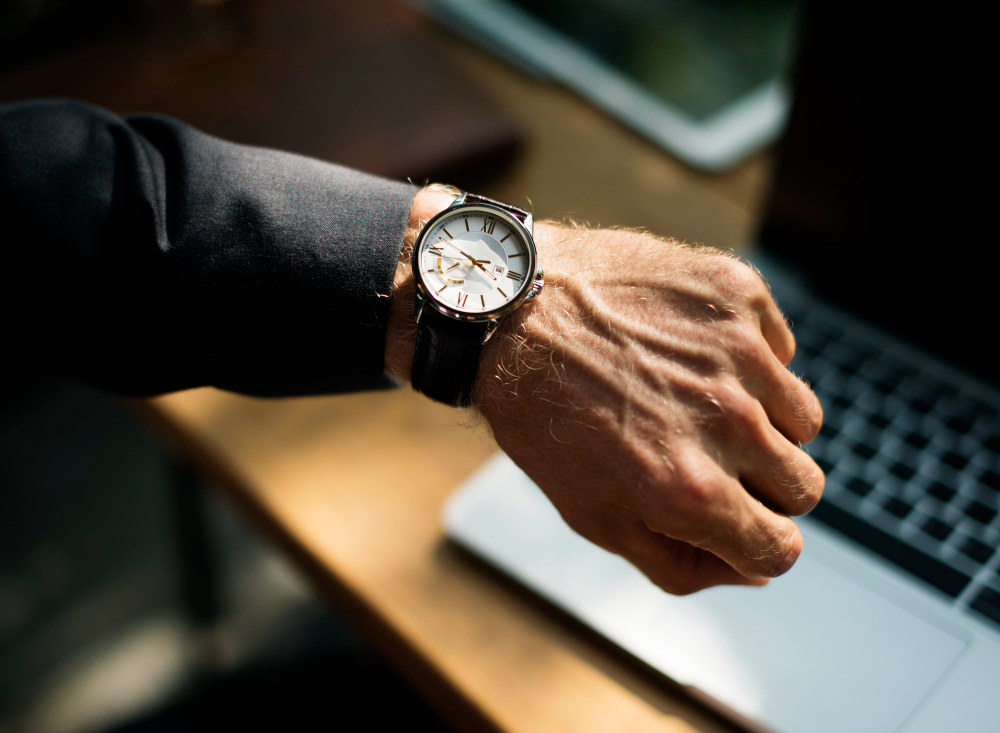
The lifespan of a quartz watch – how long does it really last, and when is it no longer worth repairing?
We value quartz watches above all for their accuracy, convenience and modest day-to-day demands. That does not mean, however, that they can run indefinitely and need nothing more than a new battery once every few years. Over time, the components of the movement itself also wear out, and the moment a watch starts giving trouble can look completely different depending on the model, the way it is used and the availability of parts. So how long can a quartz watch last, what wears out in it most often and when does repair still make sense? Check what its lifespan really depends on.
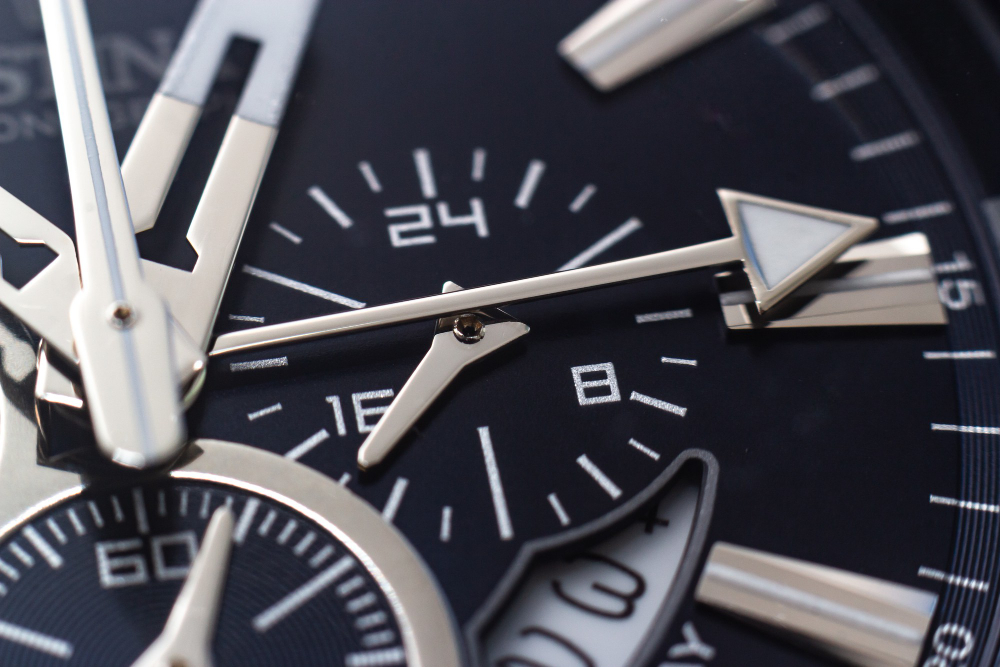
The second hand on a watch – why does it jump, move smoothly or stop?
The way the seconds hand moves can tell you a lot about a watch's movement, but it is not an infallible test. A single distinct jump per second most often points to quartz, several small movements per second are typical of a mechanical movement, and an almost continuous glide is associated with Spring Drive. There are exceptions, however: there is a quartz watch with a sweeping seconds hand, and a mechanical watch that makes exactly one jump per second. What is more, a stopped hand does not have to mean a fault. Check how to read these signals and when you really need a watchmaker's help.

How do you set an automatic watch? Date, time and time zone 21:00–3:00
An automatic watch does not need a battery, but it does require a little knowledge from its owner. Setting the time or date seems simple, yet the wrong moment or the wrong way of using the crown can affect how the movement works. Many questions concern changing the date at night, moving the hands backwards and restarting a watch after a longer break. Check how to set an automatic watch correctly, what to pay attention to with the crown and why people often talk about particular caution between 9:00 pm and 3:00 am.

Wodoszczelność 10 ATM i 20 ATM – czy możesz pływać i nurkować z takim zegarkiem?
Co naprawdę oznacza 10 ATM lub 20 ATM na zegarku i czy takie oznaczenie pozwala bez obaw wejść do basenu, morza albo nurkować? Same liczby mogą być mylące, dlatego sprawdź, jak czytać klasę wodoszczelności i dobrać zegarek do aktywności w wodzie.
Water resistance 3 ATM – what does it mean and what can you do with it?
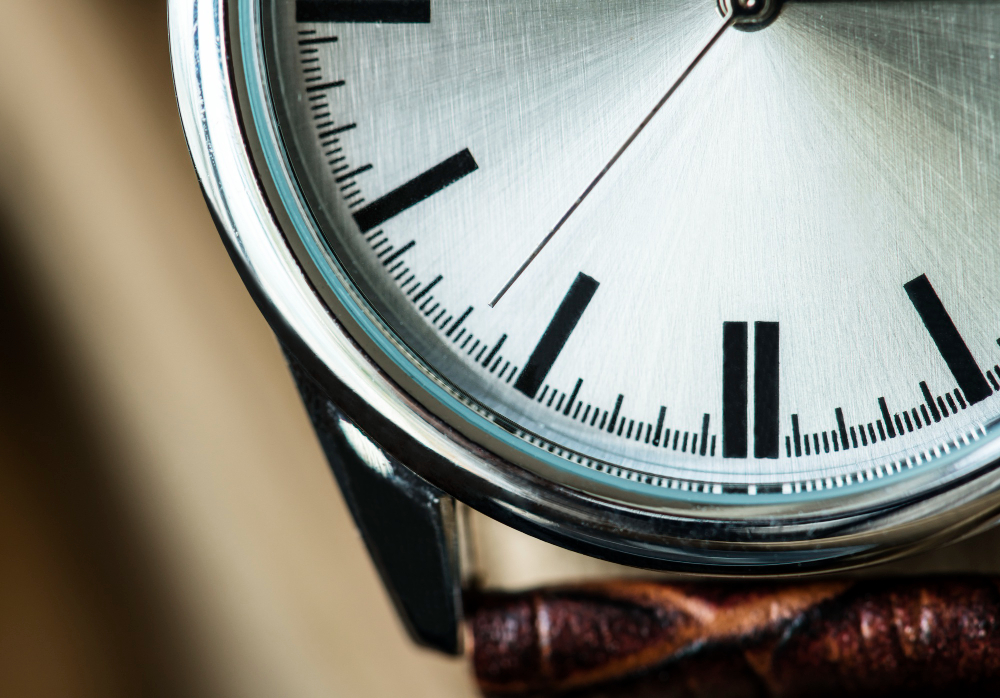
3 ATM water resistance means the watch is prepared above all for rain, accidental splashes and brief contact with water during everyday activities. It does not mean that you can swim with it, shower in it or submerge it to a depth of 30 metres. It is precisely the “30 m” marking that most often misleads. It is the result of a pressure test carried out under controlled conditions, not a declared working depth. So if you see 3 ATM, 3 bar or Water Resistant 30 m on the case back or in the specification, treat the watch as resistant to everyday moisture, but not as a watch for water activities.

Rolex-style watches – the best alternatives to the Submariner, Explorer and Datejust
For years Rolex has been one of the most important style benchmarks in the watch world, but its price is not within everyone's reach. That is why it is worth looking at watches similar to Rolex and models inspired by its styling, which offer their own character, solid build quality and much more affordable prices. We are not talking about counterfeits here, but about legitimate watches from other brands that draw on similar solutions and design language. Check out watches inspired by Rolex's style and choose the model that suits your style and budget.
A bronze watch – why does each one change over time?
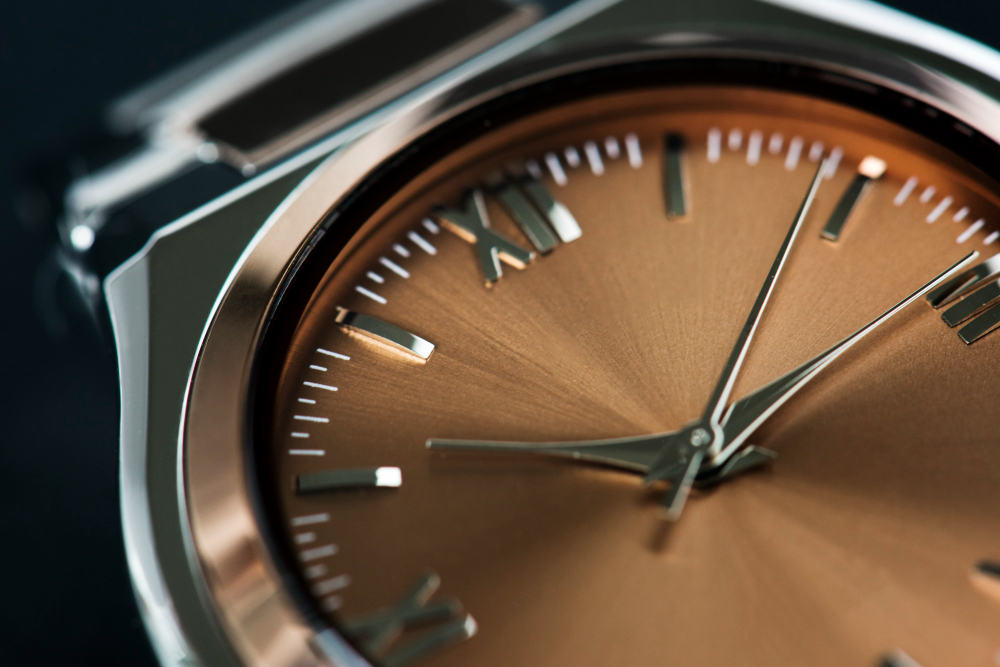
A bronze watch stands out because its appearance changes along with its owner. The case gradually darkens, turns matte and develops a patina, so two identical models can look completely different after just a few months. This is the greatest advantage of bronze, but also a trait you need to accept before buying. If you expect a watch that keeps its factory shine for years, steel may be a better direction. If, on the other hand, you like vintage looks, signs of use and the natural ageing of a material, bronze gives an effect that is hard to achieve in any other metal.