



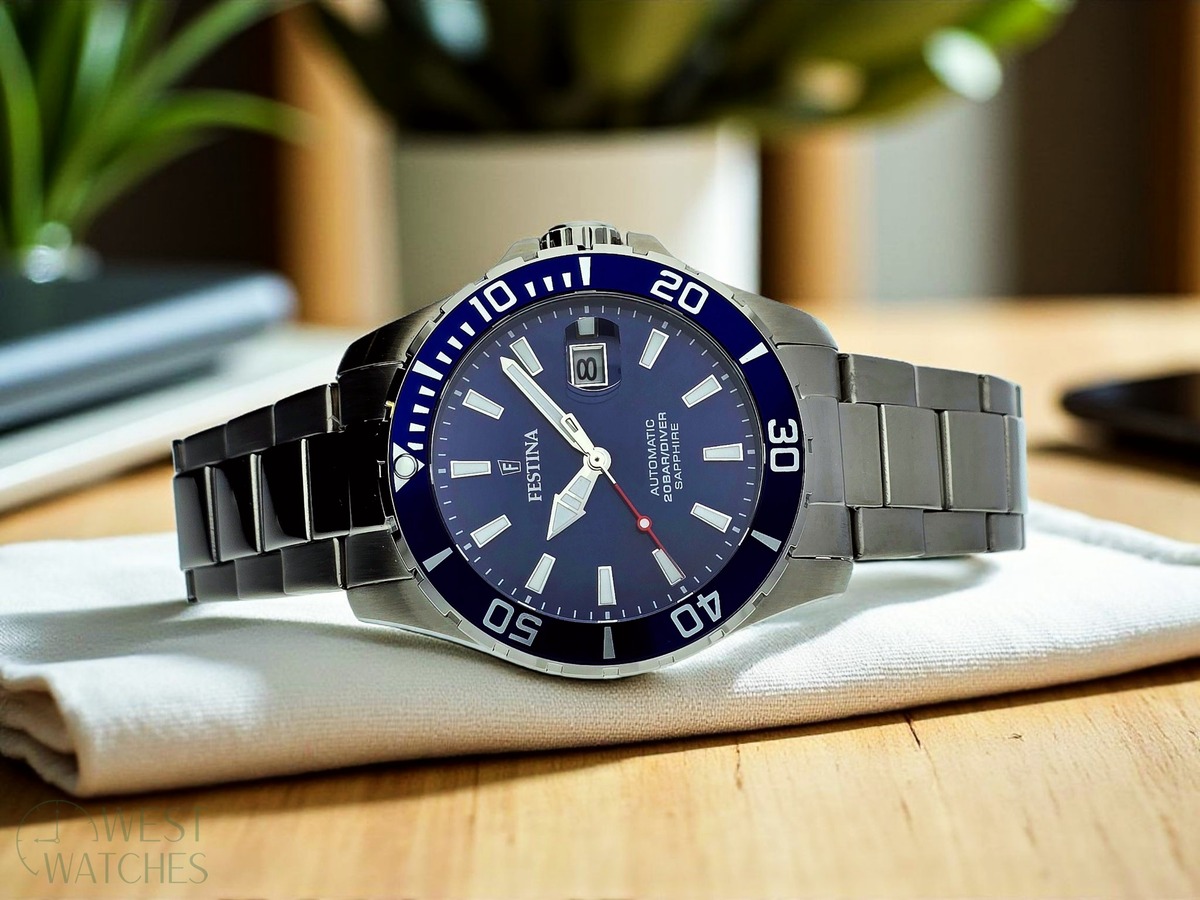
Fogged watch glass – what to do when steam appears under the glass?
A fogged-up watch glass can surprise you when you least expect it - in the morning before going out, after a walk in winter or after a hot bath. It does not always mean failure, but it is never worth ignoring. Find out exactly what a fogged up watch means, where the steam under the glass comes from and how to deal with it effectively - before it's too late.
Fogged up watch? Don't panic - check what you can do before you call the watchmaker!
A fogged up glass in a watch can cause a little anxiety, especially if your watch has never caused problems until now. The sight of fog under the glass most often raises fears of a serious malfunction, but does not always mean dramatic consequences. In fact, in many cases you have the chance to react immediately - quickly, effectively and without the need to return the watch to service. With just a few simple steps, you can see if it's a one-time occurrence resulting from a sudden change in temperature, or something more complex.
Before you reach for the phone and start looking for a watchmaker, put the watch in a warm, dry place and give it some time. Sometimes that really is enough. If you don't want to take risks, you can use a proven method with a moisture absorber - gentle, natural ways can do more than you think. The most important thing is not to act rashly: do not open the envelope, do not apply the dryer at close range, do not leave the watch on the heater. This will only make things worse. Acting calmly and watching for symptoms is the best first step.
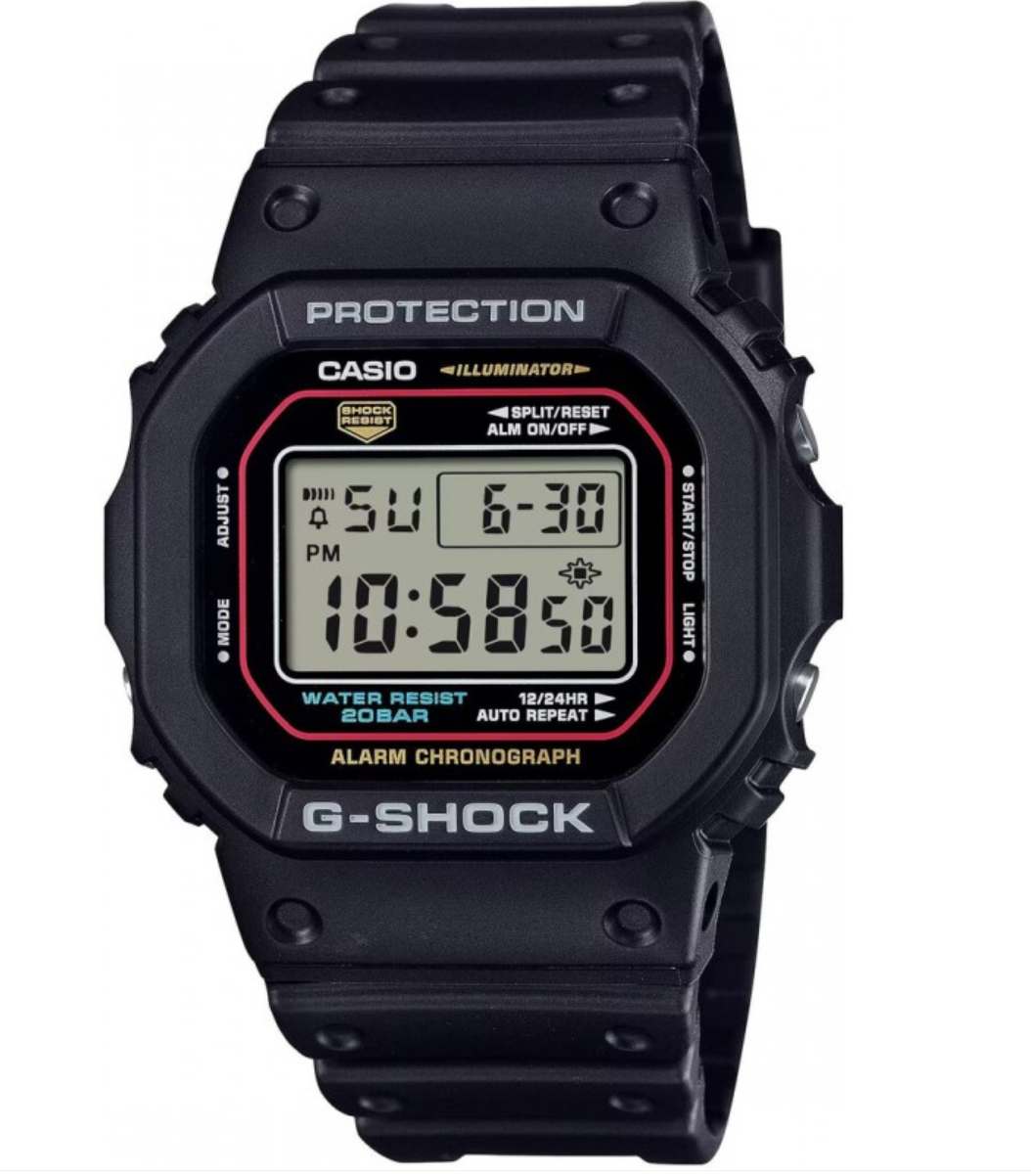
The Casio G-Shock DW-5600RL-1ER is an iconic watch with a retro design that combines legendary ruggedness with modern features and water resistance up to 200 meters.
Cold, heat, steam! How do temperature changes damage your watch and how to defend against it?
If you have ever noticed a fogged-up watch glass just after entering a warm room, you know how surprising this phenomenon can be. Rapid temperature differences are the most common cause of evaporation - even in very good, reputable watches. All it takes is a moment: a walk in winter, stepping onto a hot bus, stepping out of the shower with the watch on your hand - and already the characteristic haze under the glass appears. This is not a manufacturer's error, but the effect of physical thermal shock, which even advanced seals may not cope with.
A fogged men's watch does not always mean a leak - sometimes it is simply a reaction to external conditions. That's why it's a good idea to protect it from extreme temperature changes, for example, by hiding it under the cuff of a jacket during winter or taking it off before entering a sauna. It is also worth knowing that even men's watches with a high waterproof rating can fog up if they are exposed to too rapid changes in temperature.
Why can even an expensive, waterproof watch fog up? Here's the whole truth without the marketing rubbish
This is one of the more common myths: that a high-end waterproof watch has no right to fog up. In reality, it doesn't quite work that way. The waterproof rating specifies resistance to water under pressure, but it does not mean that the envelope is completely airtight. A fogged up waterproof watch is nothing unusual, especially after several years of use. The seals get old, microcracks are invisible to the naked eye, and daily use does its job.
Stylish and ultra-durable - CASIO G-SHOCK GMA-P2100ST-7AER is a women's timepiece that combines elegant design with the legendary ruggedness of G-SHOCK.

If you have invested in a watch with a water resistance rating of 5 ATM or more and saw steam under the glass, do not feel cheated. A fogged up glass in a watch is not a judgment, just a warning signal. It means that moisture has found its way inside, but may not have done much damage yet. Therefore, it is worth reacting - the sooner, the better. Also, do not suggest what the manufacturer promises - the actual conditions of use will always be different from those of the laboratory. If you have doubts about the tightness of your watch, do a simple test at a watchmaker - the cost is only a dozen zlotys, and can save you from more serious expenses.
Rice, grit, sachet - what really works when it gets foggy under the glass?
The moment you notice a fogged-up watch glass, it is natural to start looking for a rescue on your own. Home methods can sometimes be surprisingly effective, but it is also easy to misunderstand here. Rice actually works as a moisture absorber, but it is not a miracle remedy for every case. It is worth using it only if the steam appeared after a sudden change in temperature and no water droplets can be seen inside the watch.
Another, often more effective option is silica gel sachets - those small bags that are often found in boxes of shoes or electronics. Just put the watch in a tightly sealed container together with a few such sachets and leave for a few hours. The effects can sometimes be really satisfactory. For some, special pellets for the litter box turn out to be equally effective - it sounds strange, but they also absorb moisture. However, it is important not to sprinkle them directly on the watch and not to use scented versions.
Either method works better if the watch has not been exposed to water for a long time. If the haze disappears within a day, you have most likely saved the situation. If not - it is better to return the watch to service before the steam turns into real damage .
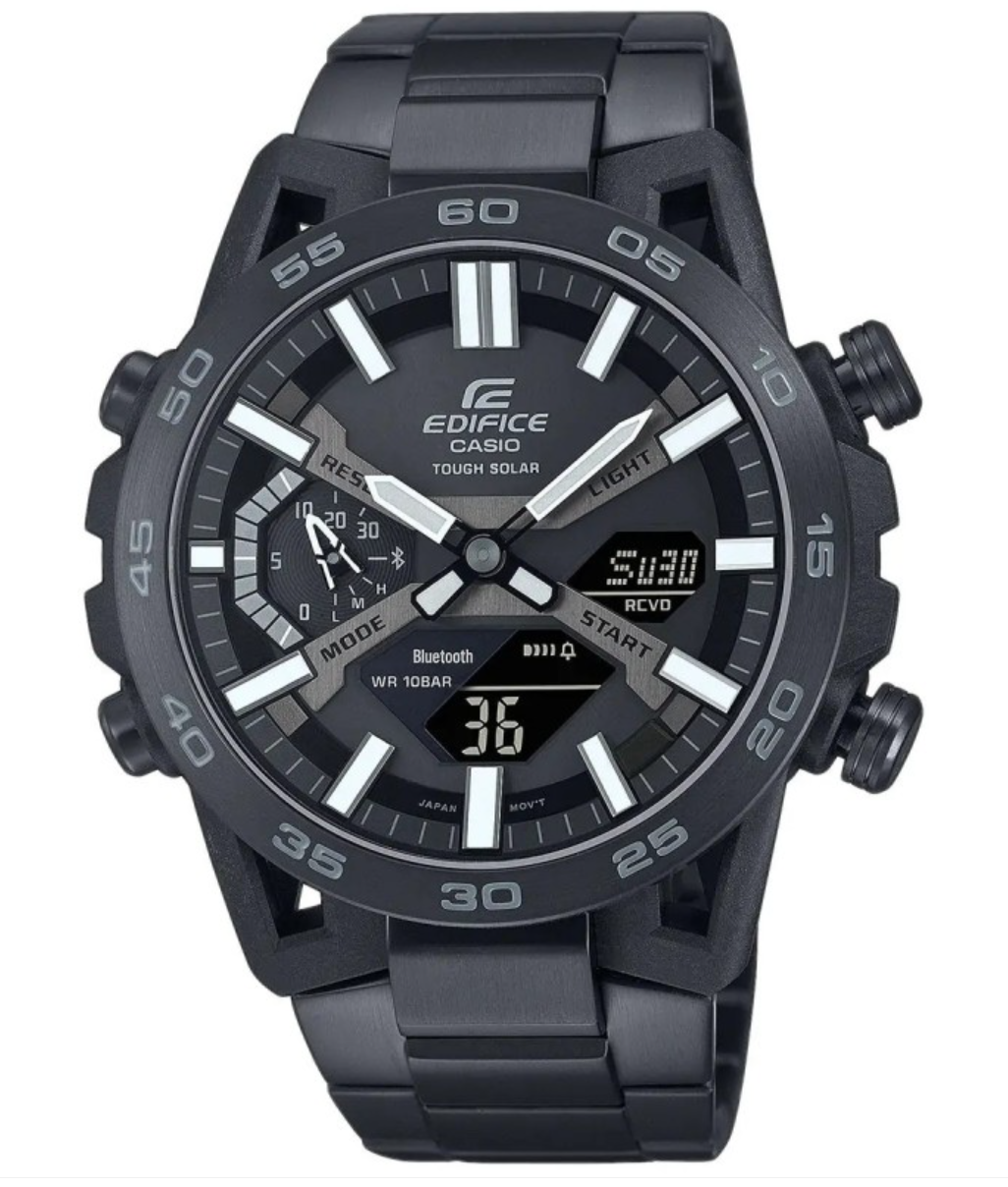
Modern, solar and waterproof - the CASIO Edifice ECB-2000DC-1BEF is a watch that combines sporty style with reliable everyday functionality.
What never to do with a fogged up watch?
If you have just noticed that your watch has fogged up, the worst thing you can do is to act impulsively. And unfortunately, that's exactly how many people react. The desire to "dry it quickly" often leads to decisions that can only worsen the situation. Under no circumstances should you dry your watch with hot air from close range, such as from a hair dryer set at maximum temperature. This can not only deform the seals, but also damage the mechanism.
An equally serious mistake is to open the watch yourself. Even if you have the tools and feel up to the task - opening the envelope without sterile conditions and technical knowledge can destroy the watch irretrievably. There are a lot of precision components inside the watch that can become contaminated with dust, moisture from the air or grease from your fingers. And then, instead of a simple steam problem, you'll have a costly repair on your hands. Also, don't underestimate the problem by assuming it will "go away on its own." A fogged up watch is not a whim - it's a signal that something is going on with its watertightness or conditions of use. The sooner you react, the better the chance that everything will end without loss. It's better to act sensibly than to later regret the loss of your favorite timepiece or unplanned service expenses.
Although a fogged up glass in a watch can happen to anyone, the class of manufacture of the timepiece is of great importance in the context of resistance to moisture and temperature fluctuations. Models from proven manufacturers that focus on the quality of components and precise sealing, much less often succumb to such problems. h. Women 's watches and men's watches that meet the highest standards can be found at the WestWatches online watch store, where quality goes hand in hand with reliability.
See popular articles

316L, 904L and surgical steel – what is your watch made of?
Most steel watches, from affordable models to luxury constructions, are made of 316L steel. 904L steel contains more nickel, chromium and molybdenum, and therefore offers higher corrosion resistance, but in itself it does not mean greater scratch resistance. The term “surgical steel”, in turn, does not point to one strictly defined alloy. In watches it most often refers to 316L, but without a specific material designation it may simply be a marketing name. If you are choosing a watch for years, look therefore not only at the words “stainless steel”, but also at the grade of steel, which components are made of the given material and how they are finished.
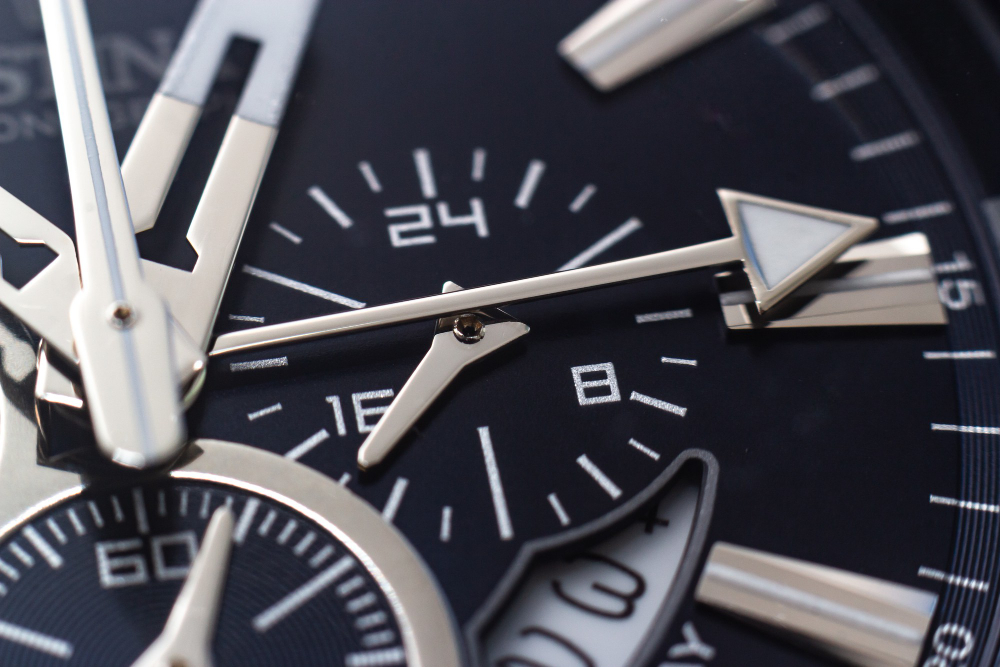
Japanese or Swiss watches? We compare quality, movements and prices
If you are wondering whether Japanese or Swiss watches are better, the name of the country alone will not give you a good answer. In both cases you will find simple models for relatively little money, solid mid-range automatics and designs belonging to the world's watchmaking high end. Far more about quality will be told to you by the specific movement, the way the case and bracelet are made, the crystal, quality control, accuracy and price. Check how Japanese watches really differ from Swiss ones and what to pay attention to before you choose a model for yourself.
The lifespan of a quartz watch – how long does it really last, and when is it no longer worth repairing?
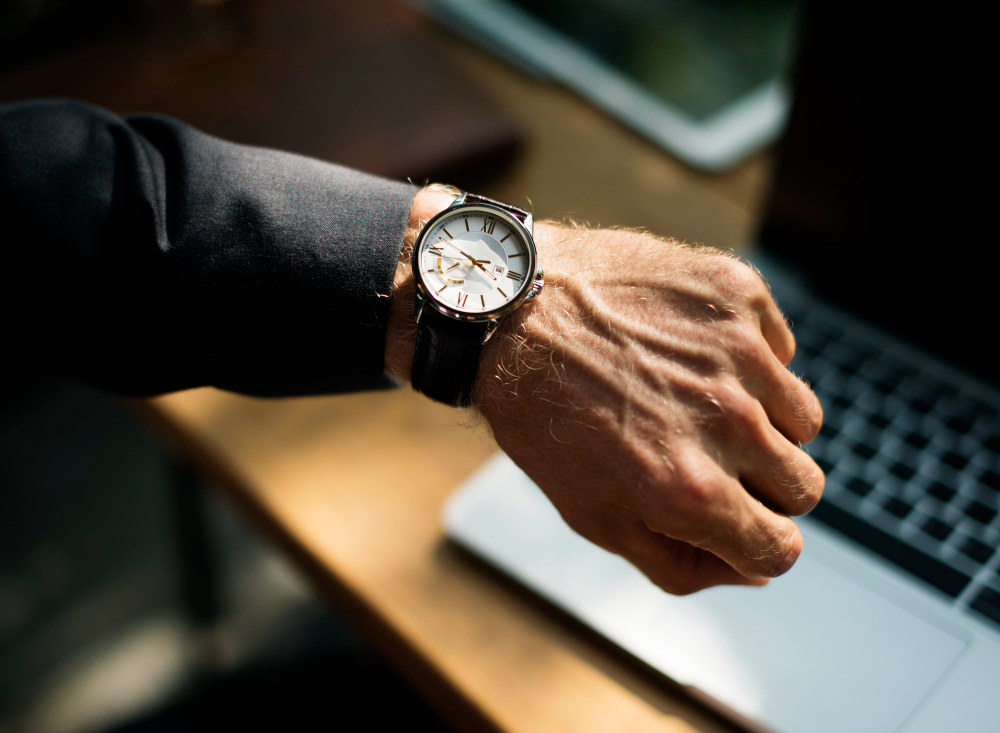
We value quartz watches above all for their accuracy, convenience and modest day-to-day demands. That does not mean, however, that they can run indefinitely and need nothing more than a new battery once every few years. Over time, the components of the movement itself also wear out, and the moment a watch starts giving trouble can look completely different depending on the model, the way it is used and the availability of parts. So how long can a quartz watch last, what wears out in it most often and when does repair still make sense? Check what its lifespan really depends on.
The second hand on a watch – why does it jump, move smoothly or stop?
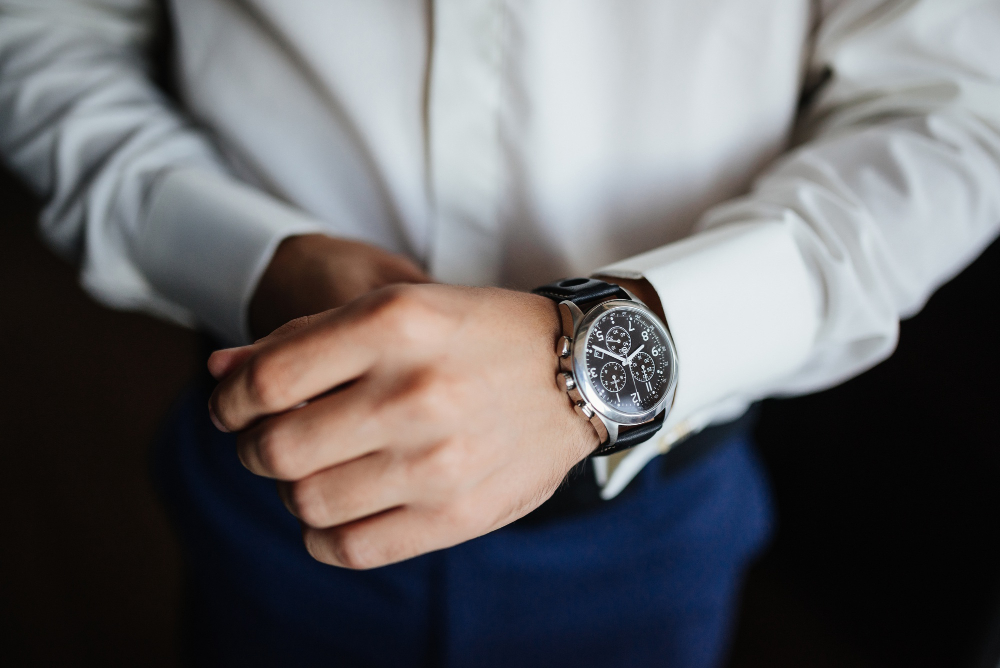
The way the seconds hand moves can tell you a lot about a watch's movement, but it is not an infallible test. A single distinct jump per second most often points to quartz, several small movements per second are typical of a mechanical movement, and an almost continuous glide is associated with Spring Drive. There are exceptions, however: there is a quartz watch with a sweeping seconds hand, and a mechanical watch that makes exactly one jump per second. What is more, a stopped hand does not have to mean a fault. Check how to read these signals and when you really need a watchmaker's help.

How do you set an automatic watch? Date, time and time zone 21:00–3:00
An automatic watch does not need a battery, but it does require a little knowledge from its owner. Setting the time or date seems simple, yet the wrong moment or the wrong way of using the crown can affect how the movement works. Many questions concern changing the date at night, moving the hands backwards and restarting a watch after a longer break. Check how to set an automatic watch correctly, what to pay attention to with the crown and why people often talk about particular caution between 9:00 pm and 3:00 am.

Wodoszczelność 10 ATM i 20 ATM – czy możesz pływać i nurkować z takim zegarkiem?
Co naprawdę oznacza 10 ATM lub 20 ATM na zegarku i czy takie oznaczenie pozwala bez obaw wejść do basenu, morza albo nurkować? Same liczby mogą być mylące, dlatego sprawdź, jak czytać klasę wodoszczelności i dobrać zegarek do aktywności w wodzie.
Water resistance 3 ATM – what does it mean and what can you do with it?
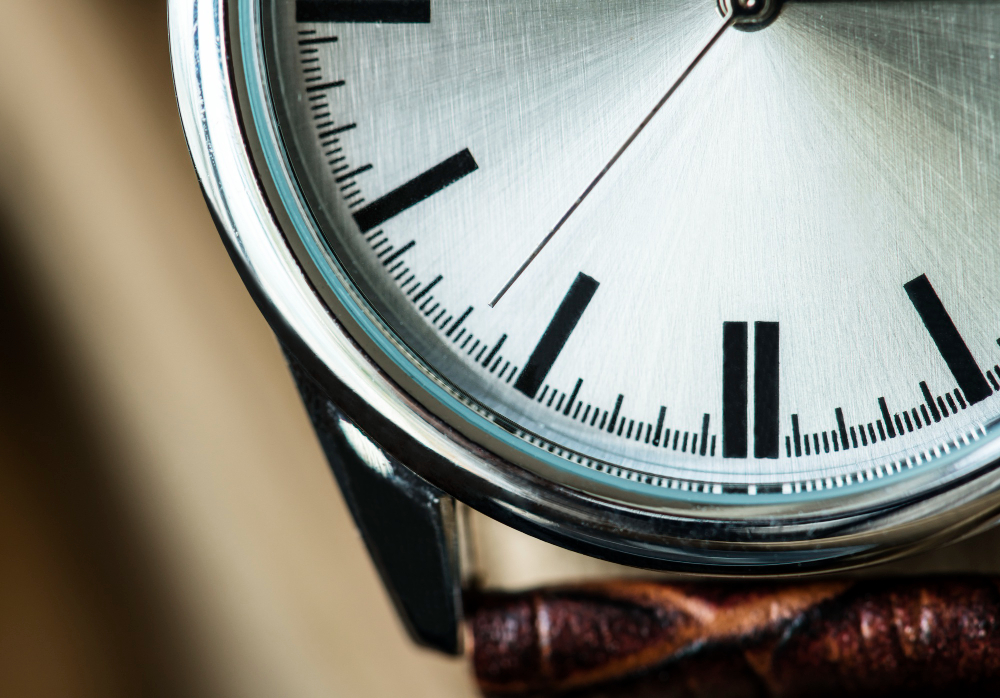
3 ATM water resistance means the watch is prepared above all for rain, accidental splashes and brief contact with water during everyday activities. It does not mean that you can swim with it, shower in it or submerge it to a depth of 30 metres. It is precisely the “30 m” marking that most often misleads. It is the result of a pressure test carried out under controlled conditions, not a declared working depth. So if you see 3 ATM, 3 bar or Water Resistant 30 m on the case back or in the specification, treat the watch as resistant to everyday moisture, but not as a watch for water activities.

Rolex-style watches – the best alternatives to the Submariner, Explorer and Datejust
For years Rolex has been one of the most important style benchmarks in the watch world, but its price is not within everyone's reach. That is why it is worth looking at watches similar to Rolex and models inspired by its styling, which offer their own character, solid build quality and much more affordable prices. We are not talking about counterfeits here, but about legitimate watches from other brands that draw on similar solutions and design language. Check out watches inspired by Rolex's style and choose the model that suits your style and budget.
A bronze watch – why does each one change over time?
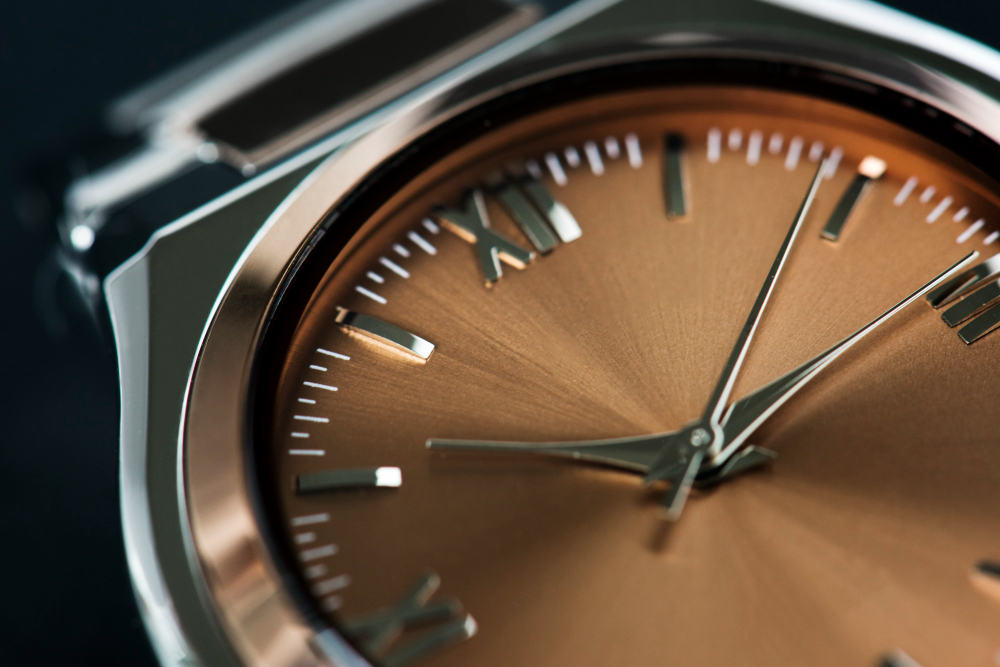
A bronze watch stands out because its appearance changes along with its owner. The case gradually darkens, turns matte and develops a patina, so two identical models can look completely different after just a few months. This is the greatest advantage of bronze, but also a trait you need to accept before buying. If you expect a watch that keeps its factory shine for years, steel may be a better direction. If, on the other hand, you like vintage looks, signs of use and the natural ageing of a material, bronze gives an effect that is hard to achieve in any other metal.