



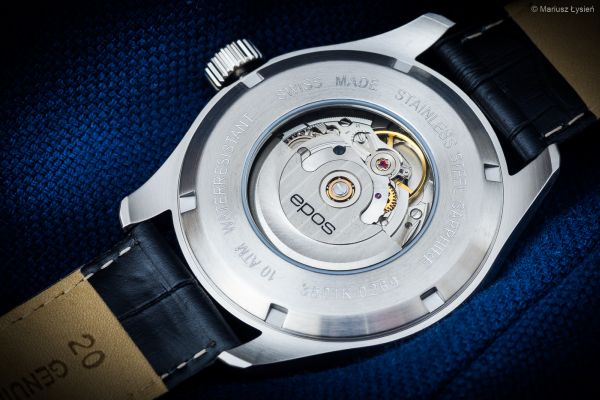
How to become a watchmaker? We advise you on where to acquire the necessary knowledge and skills!
The profession of watchmaker is something more than work – it's a way of life where calmness, precision, and passion for details matter. Although it sounds like a craft from bygone years, in reality watchmakers are still very much needed, and their skills increasingly valued. Check how to become a watchmaker step by step, where to find the best watchmaking courses in Poland, and how much you can really earn working in this extremely precise but satisfying industry.
From passion to precision – what does a watchmaker's career path really look like in Poland?
The profession of watchmaker is one of those professions that – although quiet and barely visible – has something incredibly satisfying about it. It requires patience, focus, and a perfect eye for detail, but in return provides enormous satisfaction from work that combines craft, technique, and tradition. If you're wondering what the path to becoming a watchmaker looks like, you need to know it's not a job for everyone. Manual skills, a certain dose of calmness, and willingness to learn through practice are needed. In this profession, theory is just the beginning – real knowledge is born at the workshop table, in contact with tiny elements and mechanisms that must be learned almost by heart.
In Poland, this profession is still considered niche but stable, and specialists with experience enjoy enormous trust. Interestingly, more and more people choose a watchmaker course not out of necessity but from pure fascination. For some it's a way to change career paths, for others – to develop a passion for mechanical or collectible watches. A modern watchmaker today is not only a craftsman but also an advisor and expert who can assess a timepiece's value, advise clients, and bring decades-old models back to life.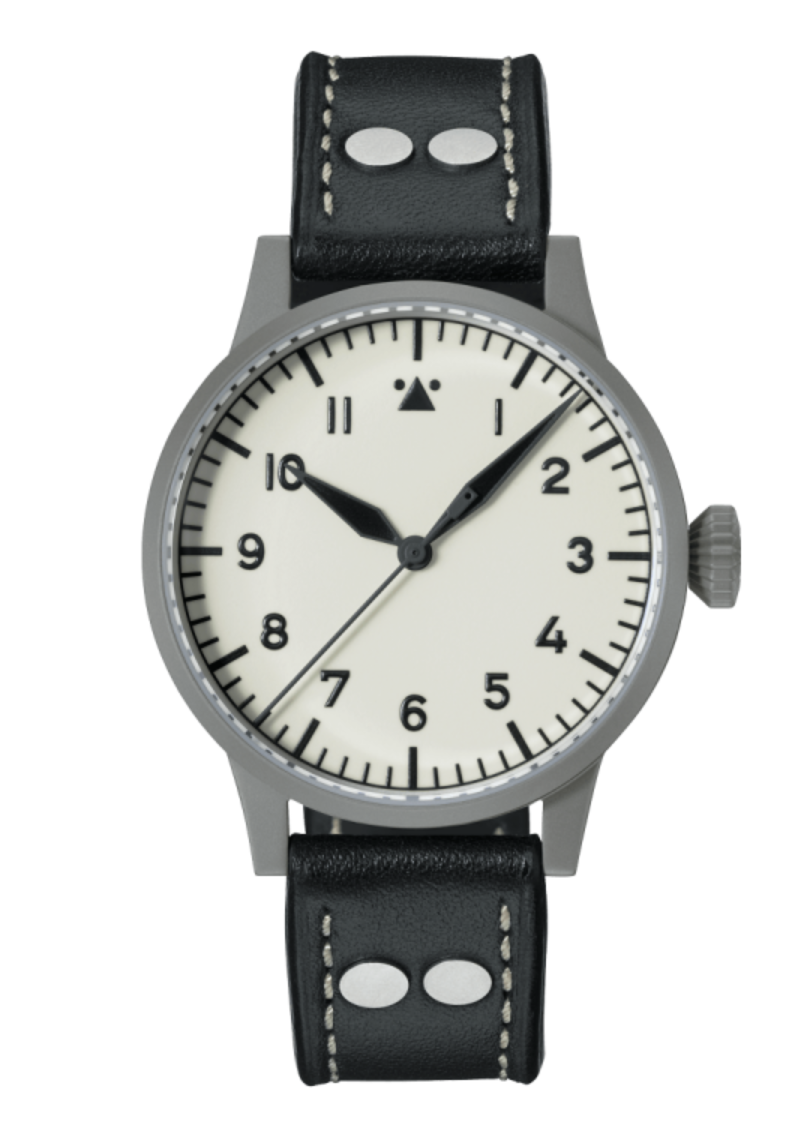
Laco Original Pilot Typ-A Florenz Automatic Full Lume 39mm 862176 is a classic aviation watch in a modern edition, inspired by historical pilot models from the 1940s. Equipped with an automatic movement and readable dial with full Full Lume illumination, it guarantees excellent visibility in all conditions. The matte stainless steel case, large crown, and solid leather strap with rivets emphasize its raw, aviation character.
Watchmaking course step by step – where to enroll and what you'll learn in practice
Before you decide on a watchmaking course, it's worth knowing it's not just learning theory about mechanisms, but above all practice. During classes you learn the construction of quartz watches, mechanical and electronic ones, you learn to disassemble them into parts, clean, lubricate, and reassemble them. Sounds like something from bygone years, right? And yet these are still living and needed skills. A good course also includes classes on watchmaking history, learning to recognize defects, and basics of servicing contemporary models. After completing the training, you gain not only knowledge but above all steady hands and awareness that you can independently repair a watch that for many would seem already lost.
In Poland, several institutions operate that offer both watchmaking courses for beginners and advanced workshops for practitioners. Training is organized by, among others, the Lower Silesian Chamber of Crafts, Swatch Group (Omega brand), as well as private schools in Warsaw, Wrocław, and Kraków. You can choose an intensive weekend course, online classes, or full-time learning – everything depends on your daily schedule and commitment. Many participants emphasize that these are classes that teach not only the profession but also patience and precision in every movement. After such training, it's easier to decide if you want to go further – to the journeyman exam or even open your own workshop.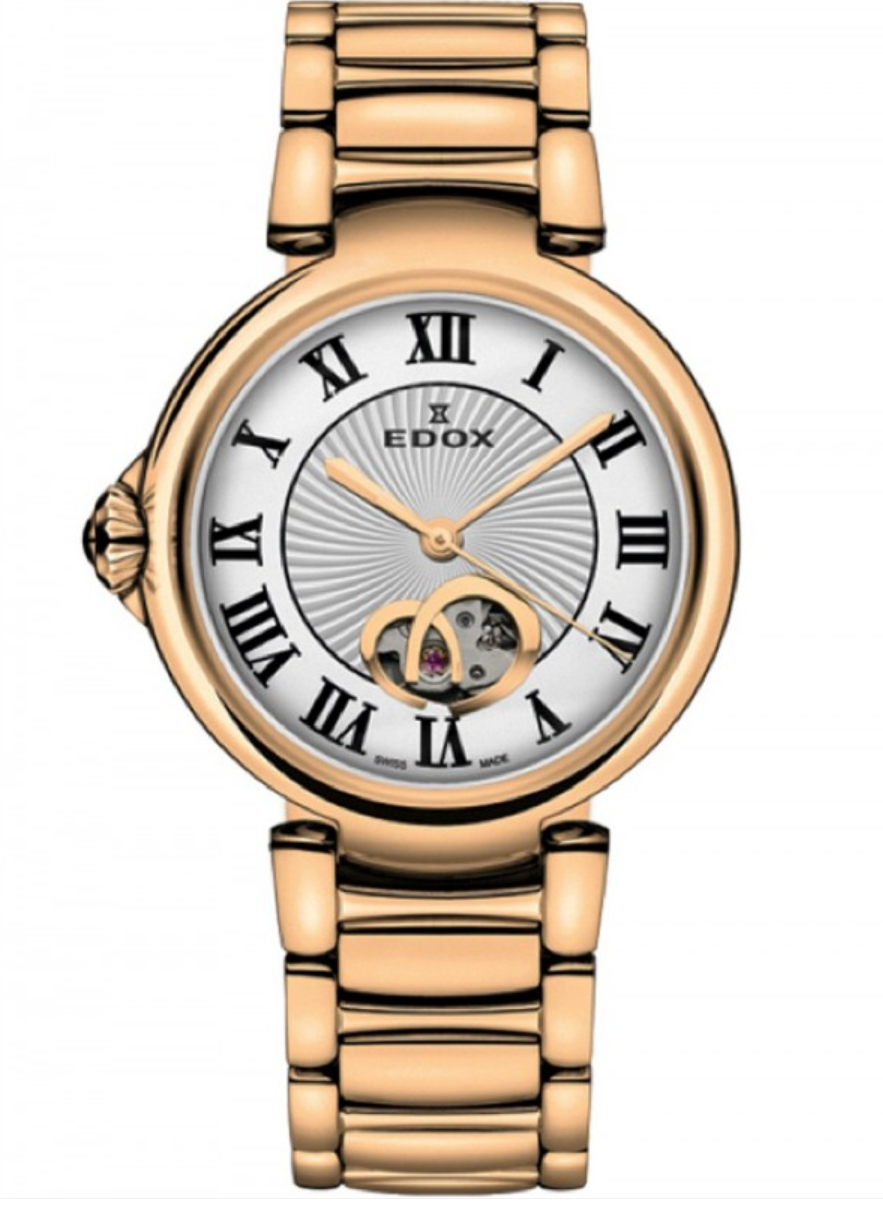
Edox La Passion Automatic 33mm 85025 37RM ARR is an exceptional women's watch that combines elegance, femininity, and Swiss precision. Its case and bracelet in rose gold shade give the whole a luxurious character, while the silver dial with Roman numerals and subtle radiant pattern emphasizes classic style. The open heart aperture reveals the automatic movement's work, adding unique charm to the watch. It's an excellent choice for women who value refined details and timeless beauty.
Watchmaking school or weekend course? Comparing paths for future masters of time
The choice between a full learning cycle and a shorter course is one of the first decisions you must make. A watchmaking school in Poland is an option for those who want to acquire the profession comprehensively. Learning takes several years, includes both theory and practice, and after completion you can take a professional exam and obtain the title of journeyman or master. Such schools operate in Łódź, Wrocław, Kraków, and Szczecin, among others. Their graduates are sought after by watch service centers, jewelry establishments, and timepiece manufacturers because they simply can do everything – from repair to adjustment of complicated mechanisms.
On the other hand, watchmaking courses in weekend form are an ideal solution for people who don't want to commit to school for years. They're shorter, often take place in small groups, and are led by practitioners with many years of experience. Such training allows you to learn the basics in a friendly atmosphere and check if you actually want to tie your future to watchmaking. For some it's an introduction to more serious learning, for others – a way to develop a passion. Many participants emphasize that even after a few days of workshops they start looking at watches completely differently – with respect for the precision and craftsmanship behind their operation.
Work for a watchmaker – how much can you really earn and where to look for orders after the course?
After completing a course or school comes the moment when you need to answer yourself one question: what next? Work for a watchmaker today is something much more than just sitting at a table with a magnifying glass. You can find employment in authorized watch service centers, jewelry establishments, specialty stores, and even companies producing luxury models. Working for yourself is also increasingly popular – many watchmakers open small workshops or work as freelancers, providing repair and renovation services. In this profession, precision and reputation matter most, so with experience the number of clients grows, and with it – earnings.
If you're interested in men's watches and women's watches, and you're fascinated by the art of watchmaking and the precision hidden behind each mechanism – visit our WestWatches online watch store. You'll find there carefully selected models, both classic and modern, as well as unique limited editions that will delight every time enthusiast. It's an ideal place for people who value quality, craftsmanship, and the unique character of each timepiece.

Krzysztof Szopa
Watch Expert
An expert associated with the WestWatches.pl brand, a place that has been providing watches for every occasion for years. Thanks to many years of experience in the watchmaking and jewelry industry, he passionately shares his knowledge, offering professional advice both in the online and physical store. He specializes in selecting original watches, watch accessories, and jewelry products that combine exceptional quality with competitive prices. His goal is to help customers find the ideal product that will meet their expectations and emphasize their style.

See popular articles
316L, 904L and surgical steel – what is your watch made of?
Most steel watches, from affordable models to luxury constructions, are made of 316L steel. 904L steel contains more nickel, chromium and molybdenum, and therefore offers higher corrosion resistance, but in itself it does not mean greater scratch resistance. The term “surgical steel”, in turn, does not point to one strictly defined alloy. In watches it most often refers to 316L, but without a specific material designation it may simply be a marketing name. If you are choosing a watch for years, look therefore not only at the words “stainless steel”, but also at the grade of steel, which components are made of the given material and how they are finished.
Japanese or Swiss watches? We compare quality, movements and prices
If you are wondering whether Japanese or Swiss watches are better, the name of the country alone will not give you a good answer. In both cases you will find simple models for relatively little money, solid mid-range automatics and designs belonging to the world's watchmaking high end. Far more about quality will be told to you by the specific movement, the way the case and bracelet are made, the crystal, quality control, accuracy and price. Check how Japanese watches really differ from Swiss ones and what to pay attention to before you choose a model for yourself.
The lifespan of a quartz watch – how long does it really last, and when is it no longer worth repairing?
We value quartz watches above all for their accuracy, convenience and modest day-to-day demands. That does not mean, however, that they can run indefinitely and need nothing more than a new battery once every few years. Over time, the components of the movement itself also wear out, and the moment a watch starts giving trouble can look completely different depending on the model, the way it is used and the availability of parts. So how long can a quartz watch last, what wears out in it most often and when does repair still make sense? Check what its lifespan really depends on.
The second hand on a watch – why does it jump, move smoothly or stop?
The way the seconds hand moves can tell you a lot about a watch's movement, but it is not an infallible test. A single distinct jump per second most often points to quartz, several small movements per second are typical of a mechanical movement, and an almost continuous glide is associated with Spring Drive. There are exceptions, however: there is a quartz watch with a sweeping seconds hand, and a mechanical watch that makes exactly one jump per second. What is more, a stopped hand does not have to mean a fault. Check how to read these signals and when you really need a watchmaker's help.
How do you set an automatic watch? Date, time and time zone 21:00–3:00
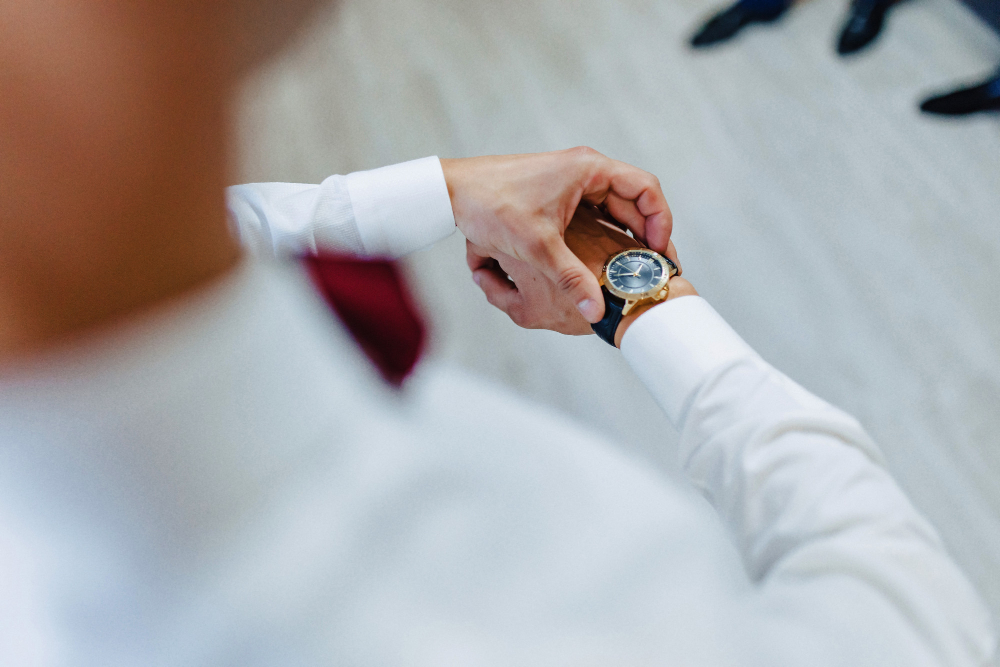
An automatic watch does not need a battery, but it does require a little knowledge from its owner. Setting the time or date seems simple, yet the wrong moment or the wrong way of using the crown can affect how the movement works. Many questions concern changing the date at night, moving the hands backwards and restarting a watch after a longer break. Check how to set an automatic watch correctly, what to pay attention to with the crown and why people often talk about particular caution between 9:00 pm and 3:00 am.

Wodoszczelność 10 ATM i 20 ATM – czy możesz pływać i nurkować z takim zegarkiem?
Co naprawdę oznacza 10 ATM lub 20 ATM na zegarku i czy takie oznaczenie pozwala bez obaw wejść do basenu, morza albo nurkować? Same liczby mogą być mylące, dlatego sprawdź, jak czytać klasę wodoszczelności i dobrać zegarek do aktywności w wodzie.
Water resistance 3 ATM – what does it mean and what can you do with it?
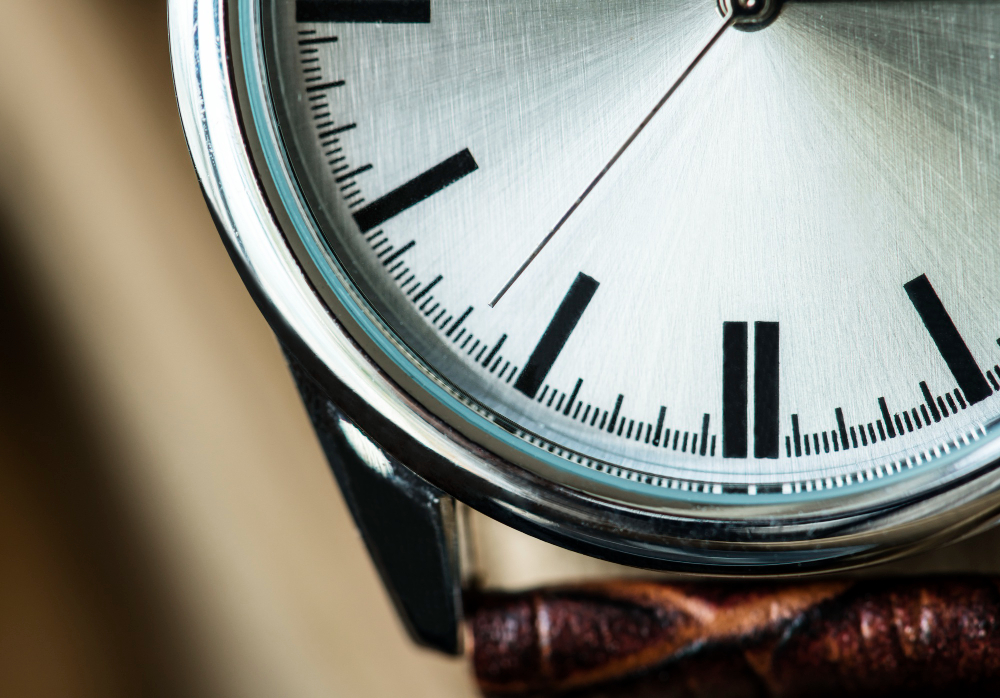
3 ATM water resistance means the watch is prepared above all for rain, accidental splashes and brief contact with water during everyday activities. It does not mean that you can swim with it, shower in it or submerge it to a depth of 30 metres. It is precisely the “30 m” marking that most often misleads. It is the result of a pressure test carried out under controlled conditions, not a declared working depth. So if you see 3 ATM, 3 bar or Water Resistant 30 m on the case back or in the specification, treat the watch as resistant to everyday moisture, but not as a watch for water activities.
Rolex-style watches – the best alternatives to the Submariner, Explorer and Datejust
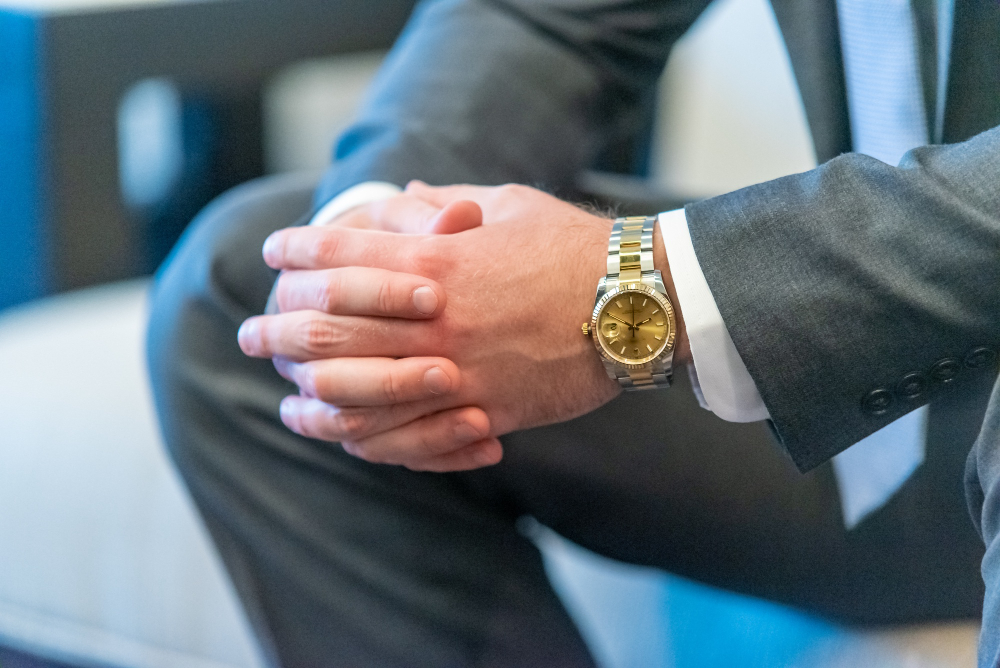
For years Rolex has been one of the most important style benchmarks in the watch world, but its price is not within everyone's reach. That is why it is worth looking at watches similar to Rolex and models inspired by its styling, which offer their own character, solid build quality and much more affordable prices. We are not talking about counterfeits here, but about legitimate watches from other brands that draw on similar solutions and design language. Check out watches inspired by Rolex's style and choose the model that suits your style and budget.
A bronze watch – why does each one change over time?
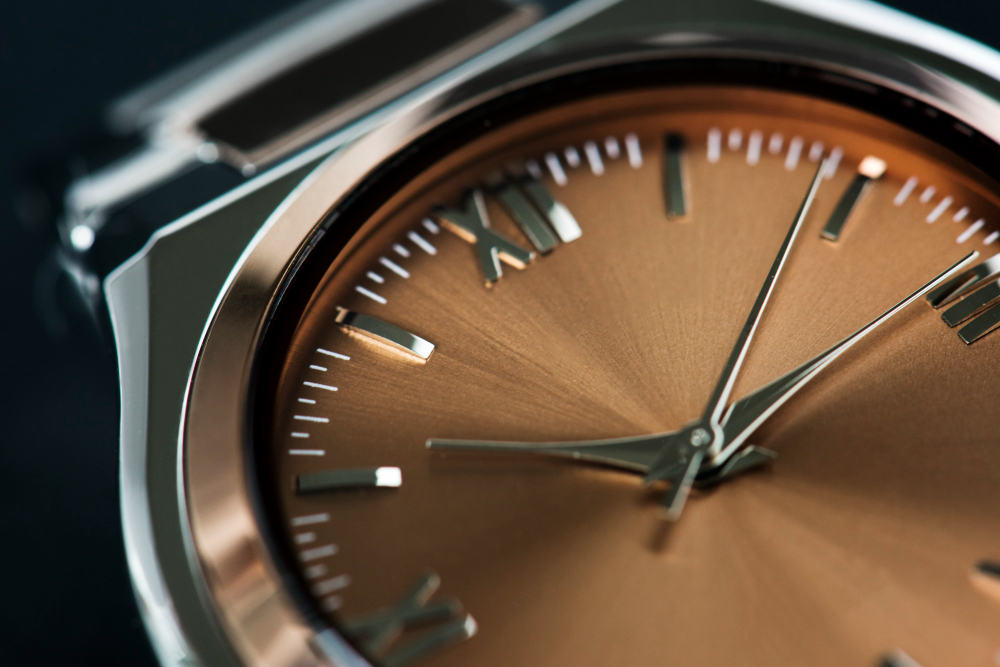
A bronze watch stands out because its appearance changes along with its owner. The case gradually darkens, turns matte and develops a patina, so two identical models can look completely different after just a few months. This is the greatest advantage of bronze, but also a trait you need to accept before buying. If you expect a watch that keeps its factory shine for years, steel may be a better direction. If, on the other hand, you like vintage looks, signs of use and the natural ageing of a material, bronze gives an effect that is hard to achieve in any other metal.