



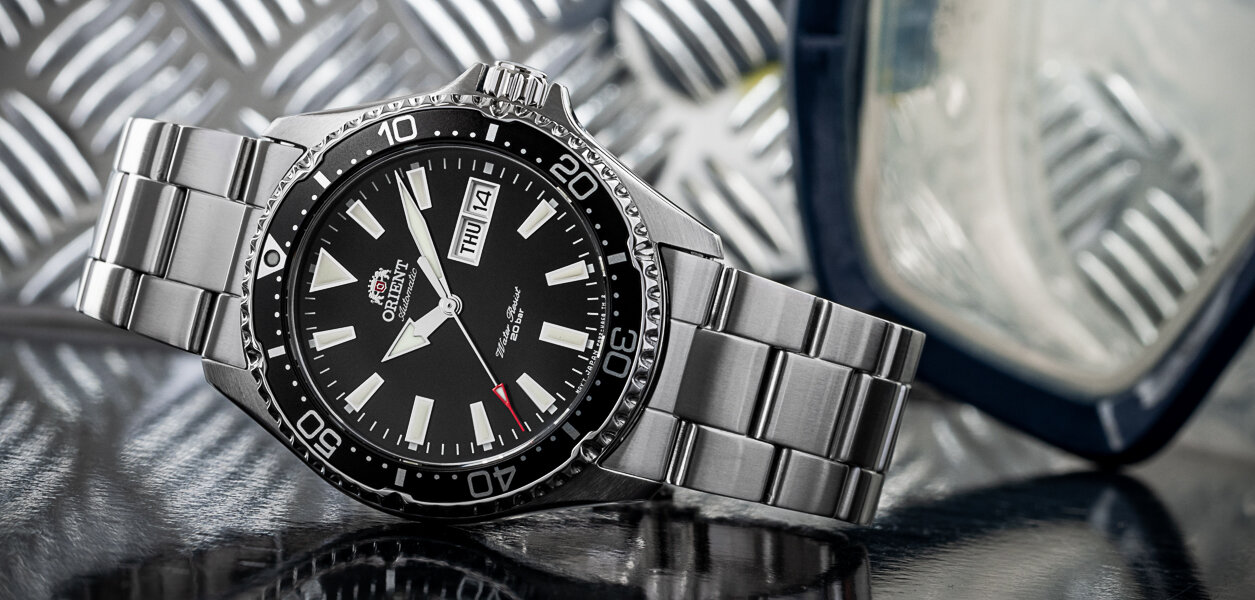
How to care for an automatic watch so that it will serve you for years?
An automatic watch requires more than just occasional wear on your wrist. The way you wear, clean, and store it has a real impact on its durability, precision, and trouble-free operation for years to come. A few mindful habits are all it takes to keep the movement running smoothly and reliably. Below you'll find specific tips to help you take care of your automatic watch — without overdoing it, but with real intention.
Wearing is fuel for the movement – automatic watch: how to care for your automatic watch so it truly "lives"
An automatic watch works best when worn regularly, not just taken out for special occasions. The movement needs the motion of your wrist to operate in a stable rhythm and maintain an adequate power reserve. A few hours a day is the minimum that allows the mainspring to reach a sensible reserve. If the watch ends up on your wrist only sporadically, the movement has no chance to "warm up" naturally, and over time this affects the accuracy of the timekeeping and the overall condition of the internals. In practice, this means the more the watch is a part of your daily routine, the better for it. It's not about wearing it without a break, but about a certain regularity that gives the movement stable working conditions.
It's also worth taking a longer-term view here. Maintaining an automatic watch starts with everyday habits, not a visit to the watchmaker. A watch that is running is less susceptible to oil stagnation and micro-damage caused by prolonged inactivity. If you know you won't be wearing it for a few days, watch winders are a good solution, which keep the movement in motion without the need to wear the watch on your wrist. This is especially practical with models featuring a date complication or other added functions, where constantly resetting the hands can simply become tiresome.
It's worth pointing out, however, that an unworn automatic watch will not be damaged in the sense of physically destroying the movement – lack of motion does not cause immediate failures or permanent damage. The problem is not the watch simply sitting still, but rather prolonged inactivity, which promotes the thickening of lubricants and a deterioration of the movement's working conditions, which over time can affect the precision of the timekeeping and the comfort of use after being restarted./Styczeń 2026/ZEGAREK DAMSKI DAVOSA TERNOS MEDIUM AUTOMATIC CALIFORNIA 36mm 166-199-60.png)
Davosa Ternos Medium Automatic California is an elegant ladies' diver that combines sporty functionality with a subtle, jewellery-like character and Swiss precision. A 36 mm case, an automatic movement, and 200 m water resistance make it a stylish choice for both everyday wear and an active lifestyle.
Dirt, sweat, and salt do more damage than you think – cleaning a stainless steel watch without risk
A watch on your wrist is in constant contact with skin, sweat, dust, and pollutants, which over time begin to accumulate in the least obvious places. Cleaning a stainless steel watch is not a cosmetic procedure, but a real element of protection. Dirt settling between the bracelet links or around the case not only ruins the appearance but can also accelerate the wear of small parts and gaskets. Regular wiping with a soft cloth is the absolute basics, but from time to time it's worth dedicating a moment to a more thorough refresh of the whole watch. It's important to do this gently, without aggressive products that can leave micro-scratches or damage the finish.
A well-done cleaning gives something more than just an aesthetic effect. The watch looks better, feels more comfortable to wear, and wears out more slowly, and you have full control over its condition. Special attention should be paid to the areas around the crown, the clasp, and the bezel edges – these are the places where residue most often collects. After washing, always make sure to dry it thoroughly, because moisture left in the gaps is one of the quiet enemies of the movement. Such a simple routine, repeated every few weeks, genuinely affects the longevity of the watch and means you don't have to mask neglect with frequent trips to the service centre./Styczeń 2026/ZEGAREK MĘSKI G-GERLACH MARSZAŁEK PIŁSUDSKI POWER RESEVE AUTOMATIC 43mm.png)
G. Gerlach Marszałek Piłsudski Power Reserve is a limited-edition automatic watch inspired by Polish history, combining an elegant form with technical precision and an expressive, navy-blue dial. The 43 mm case and the power reserve indicator underline its collectible character, making it an exceptional choice for lovers of watches with soul.
Can you wind an automatic watch? Yes – but only when you know how much and how
A lot of myths have grown up around the topic of winding, and many of them lead to unnecessary mistakes. Winding an automatic watch is permitted, as long as the movement is designed for it, but it requires a gentle touch and patience. It's not something you do impulsively or "to the max," because excessive force can cause more harm than good. The best approach is to treat it as a short, repeatable routine, performed at the same time of day, with around a dozen smooth turns of the crown. This way you top up the energy without overloading the mainspring or subjecting delicate components to unnecessary stress.
Equally important is sensing the moment when you should stop. A gentle resistance is a sign that the movement already has enough energy, and further winding serves no purpose. The watch doesn't need maximum tension every day – only stable working conditions. If you wear it regularly, manual winding can be occasional or even unnecessary. If it has been sitting for a few days, a brief wind will bring it back to life without stressing the movement. This kind of awareness helps you avoid anxious movements and gives you a sense of control over what's happening inside the case./Styczeń 2026/ZEGAREK MĘSKI ORIENT BAMBINO SMALL SECONDS AUTOMATIC 40,50mm RA-AP0002S30B.png)
Orient Bambino Small Seconds is the essence of classic elegance, in which a subtle dial with a small seconds hand and a leather strap create a timeless, suit-ready style. The 40.5 mm case and automatic movement make it an ideal choice for men who value tradition, minimalism, and everyday comfort.
Servicing, storage, and peace of mind for years – maintaining an automatic watch in practice
Even the best-used watch will sooner or later require professional attention. Servicing an automatic watch is not a sign of failure, but part of responsible ownership. Every few years the movement should be disassembled, cleaned, and re-lubricated so that it operates with the right precision. Oils lose their properties over time, and small impurities can affect the accuracy of the timekeeping. Regular servicing also means checking the water resistance and protecting against problems that might only come to light when the repair has become costly or complicated.
Equally important is where and how the watch rests when it's not being worn. A dry place, a stable temperature, and the absence of magnetic fields are hugely important for the longevity of the movement. Storing the watch on a dedicated cushion or in a case prevents strap deformation and accidental damage. If the watch is going to be out of use for a while, it's a good idea to make sure it isn't completely run down. Watch winders work perfectly here, keeping the movement in motion and minimising the risk of stagnation. Thanks to such simple decisions you gain something priceless – peace of mind and the certainty that the watch will work precisely when you reach for it.
How long an automatic watch will run without problems is determined to the greatest extent by the quality of the movement itself. Even the best habits cannot compensate for a weak movement, low manufacturing precision, or cutting corners on key components. It is solid construction, proven technology, and a reliable movement that make the watch still keep time after years and don't require constant servicing interventions. That's why choosing the right model from the start matters enormously. At the WestWatches online watch store you can find high-quality men's automatic watches and ladies' automatic watches, based on proven movements that, with proper care, can serve you for many years – exactly as a well-designed automatic watch should.

Krzysztof Szopa
Watch Expert
An expert associated with WestWatches.pl, a place that has been supplying watches for every occasion for years. Thanks to his many years of experience in the watchmaking and jewellery industry, he passionately shares his knowledge, offering professional advice both online and in store. He specialises in helping customers find original watches, watch accessories, and jewellery pieces that combine exceptional quality with competitive prices. His goal is to help customers find the perfect product that will meet their expectations and complement their style.

See popular articles

316L, 904L and surgical steel – what is your watch made of?
Most steel watches, from affordable models to luxury constructions, are made of 316L steel. 904L steel contains more nickel, chromium and molybdenum, and therefore offers higher corrosion resistance, but in itself it does not mean greater scratch resistance. The term “surgical steel”, in turn, does not point to one strictly defined alloy. In watches it most often refers to 316L, but without a specific material designation it may simply be a marketing name. If you are choosing a watch for years, look therefore not only at the words “stainless steel”, but also at the grade of steel, which components are made of the given material and how they are finished.
Japanese or Swiss watches? We compare quality, movements and prices
If you are wondering whether Japanese or Swiss watches are better, the name of the country alone will not give you a good answer. In both cases you will find simple models for relatively little money, solid mid-range automatics and designs belonging to the world's watchmaking high end. Far more about quality will be told to you by the specific movement, the way the case and bracelet are made, the crystal, quality control, accuracy and price. Check how Japanese watches really differ from Swiss ones and what to pay attention to before you choose a model for yourself.
The lifespan of a quartz watch – how long does it really last, and when is it no longer worth repairing?
We value quartz watches above all for their accuracy, convenience and modest day-to-day demands. That does not mean, however, that they can run indefinitely and need nothing more than a new battery once every few years. Over time, the components of the movement itself also wear out, and the moment a watch starts giving trouble can look completely different depending on the model, the way it is used and the availability of parts. So how long can a quartz watch last, what wears out in it most often and when does repair still make sense? Check what its lifespan really depends on.
The second hand on a watch – why does it jump, move smoothly or stop?
The way the seconds hand moves can tell you a lot about a watch's movement, but it is not an infallible test. A single distinct jump per second most often points to quartz, several small movements per second are typical of a mechanical movement, and an almost continuous glide is associated with Spring Drive. There are exceptions, however: there is a quartz watch with a sweeping seconds hand, and a mechanical watch that makes exactly one jump per second. What is more, a stopped hand does not have to mean a fault. Check how to read these signals and when you really need a watchmaker's help.

How do you set an automatic watch? Date, time and time zone 21:00–3:00
An automatic watch does not need a battery, but it does require a little knowledge from its owner. Setting the time or date seems simple, yet the wrong moment or the wrong way of using the crown can affect how the movement works. Many questions concern changing the date at night, moving the hands backwards and restarting a watch after a longer break. Check how to set an automatic watch correctly, what to pay attention to with the crown and why people often talk about particular caution between 9:00 pm and 3:00 am.

Wodoszczelność 10 ATM i 20 ATM – czy możesz pływać i nurkować z takim zegarkiem?
Co naprawdę oznacza 10 ATM lub 20 ATM na zegarku i czy takie oznaczenie pozwala bez obaw wejść do basenu, morza albo nurkować? Same liczby mogą być mylące, dlatego sprawdź, jak czytać klasę wodoszczelności i dobrać zegarek do aktywności w wodzie.
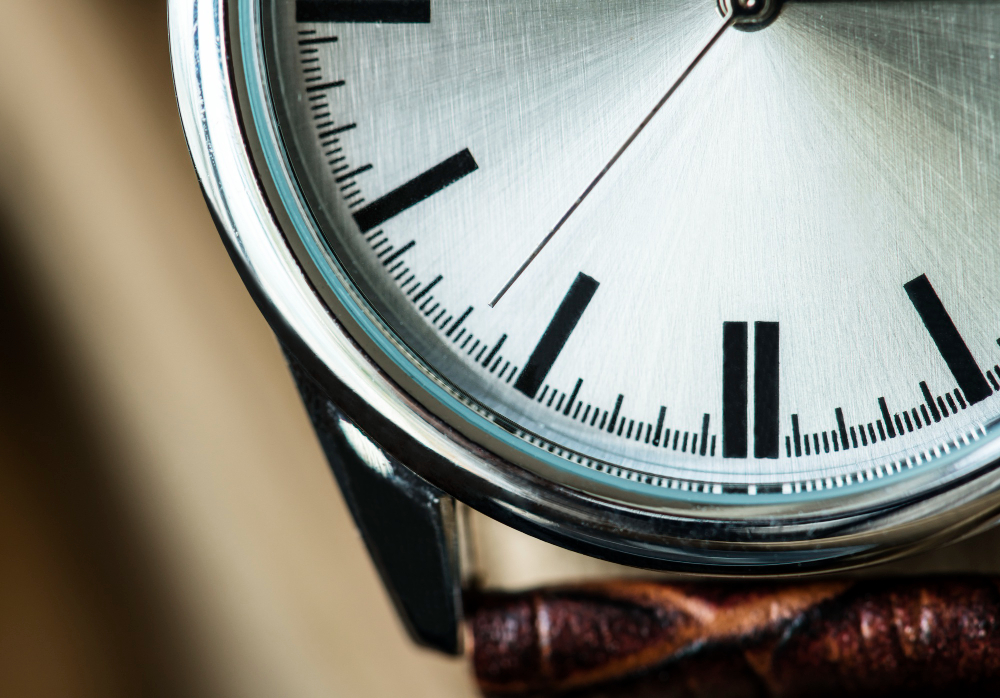
Water resistance 3 ATM – what does it mean and what can you do with it?
3 ATM water resistance means the watch is prepared above all for rain, accidental splashes and brief contact with water during everyday activities. It does not mean that you can swim with it, shower in it or submerge it to a depth of 30 metres. It is precisely the “30 m” marking that most often misleads. It is the result of a pressure test carried out under controlled conditions, not a declared working depth. So if you see 3 ATM, 3 bar or Water Resistant 30 m on the case back or in the specification, treat the watch as resistant to everyday moisture, but not as a watch for water activities.

Rolex-style watches – the best alternatives to the Submariner, Explorer and Datejust
For years Rolex has been one of the most important style benchmarks in the watch world, but its price is not within everyone's reach. That is why it is worth looking at watches similar to Rolex and models inspired by its styling, which offer their own character, solid build quality and much more affordable prices. We are not talking about counterfeits here, but about legitimate watches from other brands that draw on similar solutions and design language. Check out watches inspired by Rolex's style and choose the model that suits your style and budget.
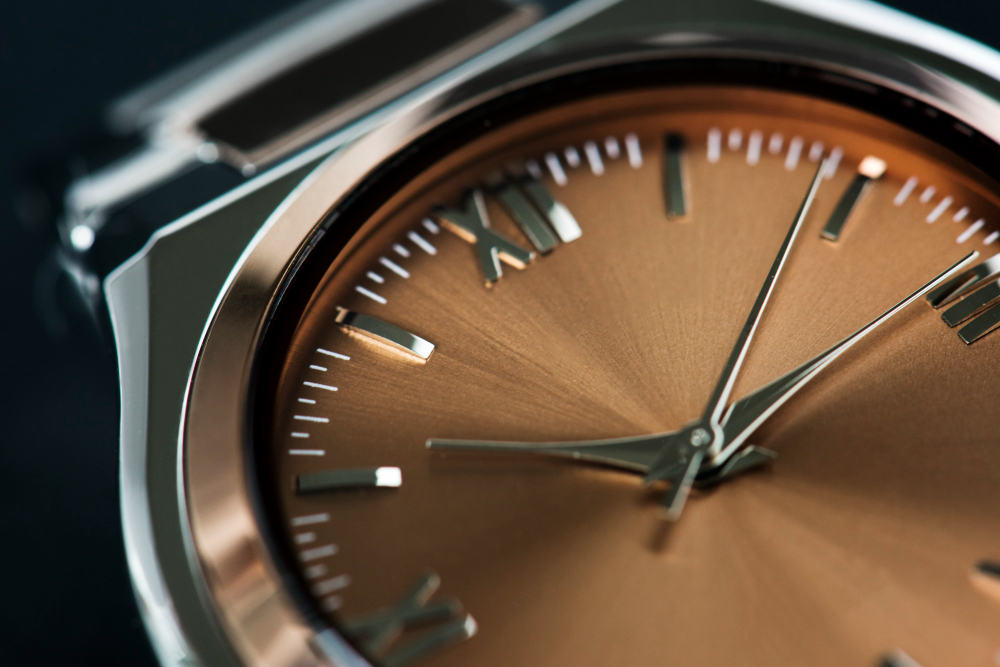
A bronze watch – why does each one change over time?
A bronze watch stands out because its appearance changes along with its owner. The case gradually darkens, turns matte and develops a patina, so two identical models can look completely different after just a few months. This is the greatest advantage of bronze, but also a trait you need to accept before buying. If you expect a watch that keeps its factory shine for years, steel may be a better direction. If, on the other hand, you like vintage looks, signs of use and the natural ageing of a material, bronze gives an effect that is hard to achieve in any other metal.