



Learn How to Measure Watch Case Dimensions to Choose the Perfect Model
If you're wondering how to choose the perfect watch that will match your wrist and outfit, you will surely pay attention to many factors such as color, material, or brand. However, one of the most important elements is its size. The size of the watch case significantly impacts its appearance and comfort of use. Therefore, it is crucial to choose the right case size that suits your needs and preferences. In this article, we will guide you on how to measure the watch case dimensions to find the perfect model. You will learn how to measure your wrist and discover the most popular watch sizes.
What Is a Watch Case? The Basics to Start With
Before we move on to measuring, it is essential to understand what exactly the watch case is. It is one of the most critical components of a watch, often determining its character and style. The watch case is simply the housing of the movement, protecting it from damage, moisture, and other harmful factors. When discussing case borders, we refer to the bezel or ring in the case of classic watches. On the other hand, sports watches like the Diver type use a bezel – made of aluminum, steel, or ceramic insert. It may be movable, rotating counterclockwise or in both directions, depending on the watch's functionality.
The watch case consists of several key elements that are worth knowing before making a purchase.
- Case frame – the outer part that gives watches their distinctive shape (most commonly round but can also be square, rectangular, or more complex in geometry).- Case lugs – protruding elements where the strap or bracelet is attached.
- Case back – the back part of the case, often screwed or snapped on, allowing access to the movement.
- Crystal – the transparent cover protecting the dial, made of mineral glass, sapphire, or acrylic.
- Crown – the component used to wind the movement or set the time.
Watch cases can be made from various materials such as stainless steel, titanium, gold, ceramic, and even plastics, which also impact their weight, durability, and price. Another important term to know is the watch profile, which refers to the internal construction of the case and the arrangement of movement components. However, in everyday language, it is often confused with case diameter.
Why Is the Watch Case Size Important?
Today, the market offers a variety of women's and men's watches in different sizes – from miniature to oversized, so it is essential to know the most popular case dimensions and how to measure them accurately. This way, you can choose the right model.
The size of the watch case is a crucial element to consider when selecting the right model. The case size has a significant impact on the appearance of the watch on your wrist and its comfort. A case that is too large may appear heavy and disproportionate to your wrist, while a case that is too small can be difficult to read and disrupt symmetry. That is why choosing the correct case size is so important.
Watch Dimensions Are Not Just About Width!
It is worth remembering that watch dimensions include not just the case width but also its thickness, which significantly affects comfort.
How to Measure Your Wrist Circumference?
To select the right watch case size, you must first measure your wrist circumference. You can do this using a tailor's measuring tape or a ruler with a piece of string. How to do it?
Measure at the spot where you usually wear your watch, just above the wrist bone. It is important to measure it accurately because even a slight difference in measurement can significantly impact the watch's appearance and comfort.
How to Measure the Watch Case? Step-By-Step Guide!
Do you want to check the watch case size? It is easier than it seems! Follow these simple steps:
1. Measuring the Case Diameter
Watch case diameter is the primary measurement defining watch size. To measure it:
- Place the watch on a flat surface,- Use calipers or a ruler with millimeter markings,
- Measure the distance from the left to the right edge of the case (excluding the crown),
- Record the result in millimeters.
2. Measuring the Case Thickness
The thickness of the watch case has a significant impact on how the watch looks on the wrist and how well it fits under a cuff:
- Place the watch on its side,- Measure the distance from the bottom of the case back to the top edge of the crystal,
- Pay attention to whether a domed crystal is exaggerating the measurement.
3. Measuring the Lug-to-Lug Distance
This is an important dimension that is often overlooked but is crucial for ensuring the watch fits comfortably on the wrist:
- Measure the distance between the extreme points of the opposite lugs of the case,- This dimension should be smaller than the width of the upper part of your wrist.
4. Measuring the Strap/Bracelet Width
This refers to the width of the strap or bracelet at the point where it connects to the case:
- Measure the distance between the inner edges of the lugs,- This dimension is essential if you plan to replace the strap with another one.
5. Measuring the Dial Size
The size of the watch dial is not the same as the case diameter:
- Measure the visible part of the dial without the case frame,- The diameter of the watch dial is always smaller than the case diameter.
Knowing all these dimensions will help you better assess whether a particular watch will look good on your wrist and whether it will be comfortable to wear.
Most Popular Watch Case Sizes – Which One to Choose?
If you're wondering what watch case size to choose, it's worth knowing the most popular sizes available on the market. This will give you a better idea of which size is best for you.
There are many watch case sizes, but the most common ones are:
- Medium size: from 38 to 42 mm (suitable for most men);- Large size: over 43 mm (suitable for men with larger wrists);
- Small size: below 37 mm (suitable for women and men with smaller wrists).
It's also worth noting that the size of a watch case can also depend on its style and type. For example, sports watches tend to have larger case sizes because they are designed to be more visible and easier to read during physical activity. Meanwhile, classic elegant watches may have smaller sizes as they are meant for everyday wear or formal occasions.
How to Choose a Watch as a Gift?
The size of the watch case is a crucial factor to consider when selecting the right model. To choose the appropriate size, you should measure your wrist circumference and take into account your preferences, as well as the style and type of the watch. This way, you can enjoy a comfortable and elegant watch that fits your wrist and outfit. If you are buying a watch as a gift, make sure to choose a size that suits the recipient.
If you’re unsure which model to pick, check out our ranking of the best Swiss watches, which stand as a class of their own. Enjoy!

Krzysztof Szopa
Watch Expert
An expert associated with WestWatches.pl, a brand that has been delivering watches for every occasion for years. With extensive experience in the watchmaking and jewelry industry, he passionately shares his knowledge, offering professional advice both online and in-store. He specializes in selecting original watches, watch accessories, and jewelry pieces that combine exceptional quality with competitive prices. His goal is to help customers find the perfect product that meets their expectations and complements their style.

See popular articles
Watches for seniors – the top 5 gift ideas for older people
Choosing the right watch for a senior is more than just buying a practical accessory – it’s a decision that affects an older person’s comfort in daily life and their general well-being. This selection features models that combine readability, comfort and timeless style, whilst catering to a range of needs – from elegant classics to durable sports watches.
Which battery for a wristwatch – how not to confuse SR, LR and CR?
Choosing the right battery for your watch is a topic that often seems trivial… until you find yourself standing in front of a shelf full of different labels and have no idea what to choose. SR, LR, CR, numbers like 377 or 364 – they all look similar, yet the differences are huge and have a real impact on how your watch works. If you want to avoid making the wrong purchase and ensure your watch works exactly as it should, it’s worth learning a few simple rules that will clear up most of your doubts.
Watches for girls for First Communion – a ranking of the best gift options
First Holy Communion is a special occasion that deserves an equally special gift. A watch for a girl to mark her First Holy Communion is not only an elegant accessory, but also a keepsake for years to come – a symbol of growing up, personal style and those first important moments captured in time. In this guide, you’ll find suggestions that combine beautiful design, functionality and timeless appeal.
On which wrist should you wear a ladies’ watch? Find out what’s comfortable and what’s just a matter of habit
At first glance, it may seem like a minor detail, but in practice it can make a real difference. Choosing which wrist to wear a watch on isn’t just a matter of habit or fashion – it’s about comfort, functionality and how the watch fits in with your everyday lifestyle. Some people don’t even give it a second thought, whilst others try out different options before finding the right one. If there is any doubt as to whether there is a single ‘correct’ answer – it is worth dispelling it once and for all and looking at the matter from a practical perspective.
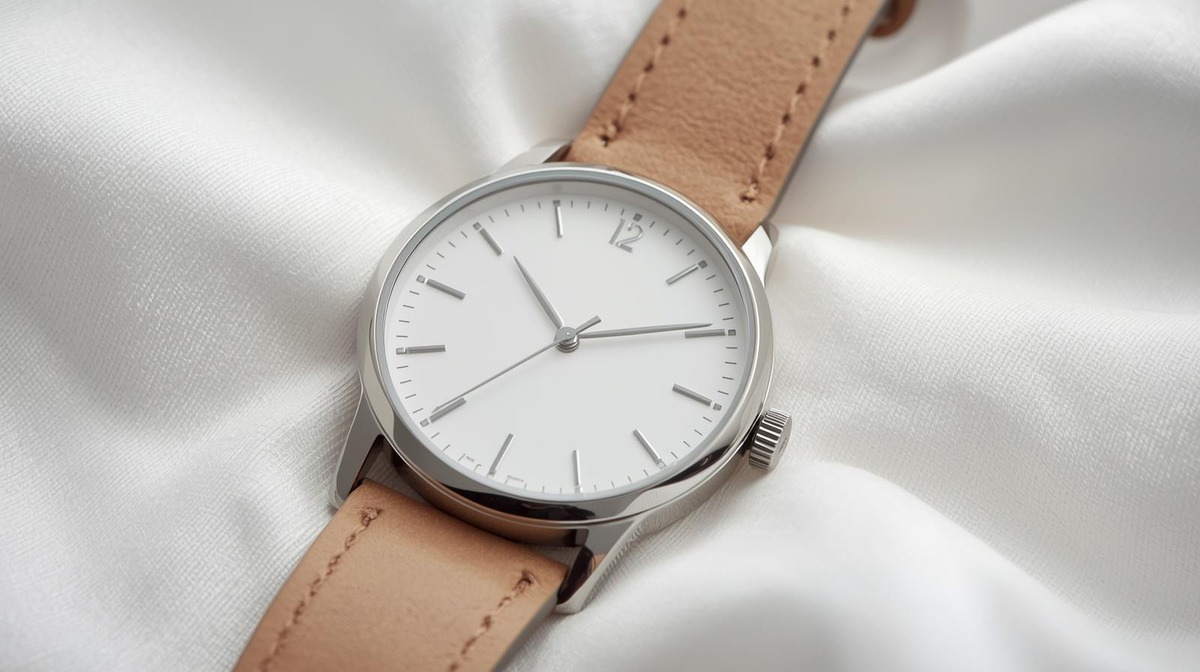
First Communion watches for boys – a ranking of the best models for a special gift that will last for years
which can be a companion for years to come. In this guide, we’ve compiled a selection of models that combine style, functionality and timeless appeal, making it easier to find the perfect watch for a boy – one that suits his age, interests and first ‘grown-up’ choices.
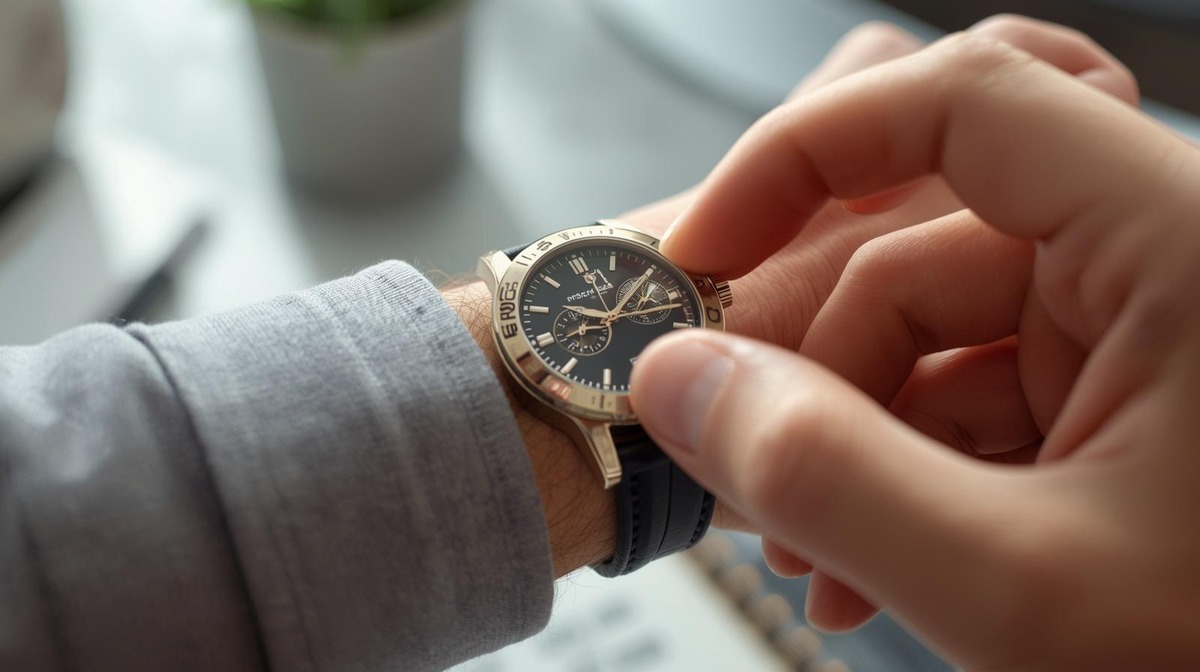
How do you adjust a watch that’s running fast?
Have you noticed that your watch is running fast and are starting to lose confidence in it? Don’t worry – this doesn’t necessarily mean there’s a serious fault. In many cases, it’s a natural characteristic of the mechanism or the result of minor factors that can be quickly diagnosed. Find out what to do if your watch is running fast, when observation is enough, and when specific adjustment or a visit to a watchmaker is needed.
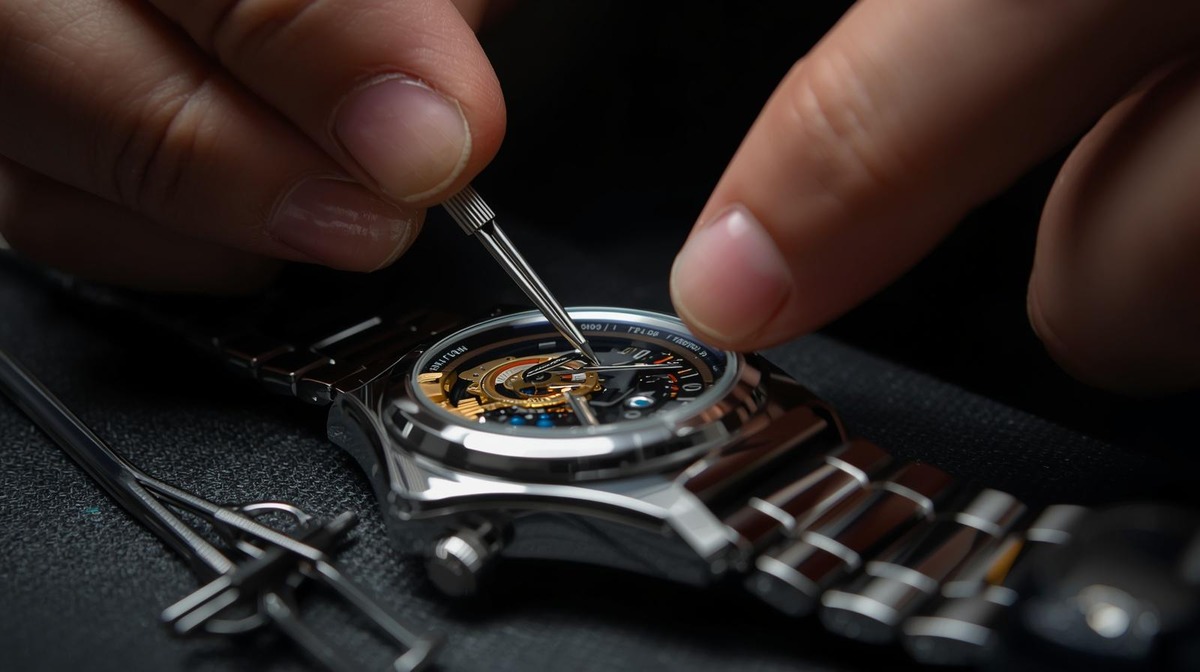
Replacing the battery and closing the watch – what should you watch out for?
Changing a watch battery seems like a simple task – a few minutes, a quick swap, and you’re done. In practice, however, this is a moment when it’s easy to make a small mistake that ends up costing far more than the battery itself. It’s not just about getting the watch working again, but about doing so in a way that’s safe for the movement, the case and… the water resistance. If you want to avoid common pitfalls and be sure that everything has been done properly – check out what you really need to pay attention to.
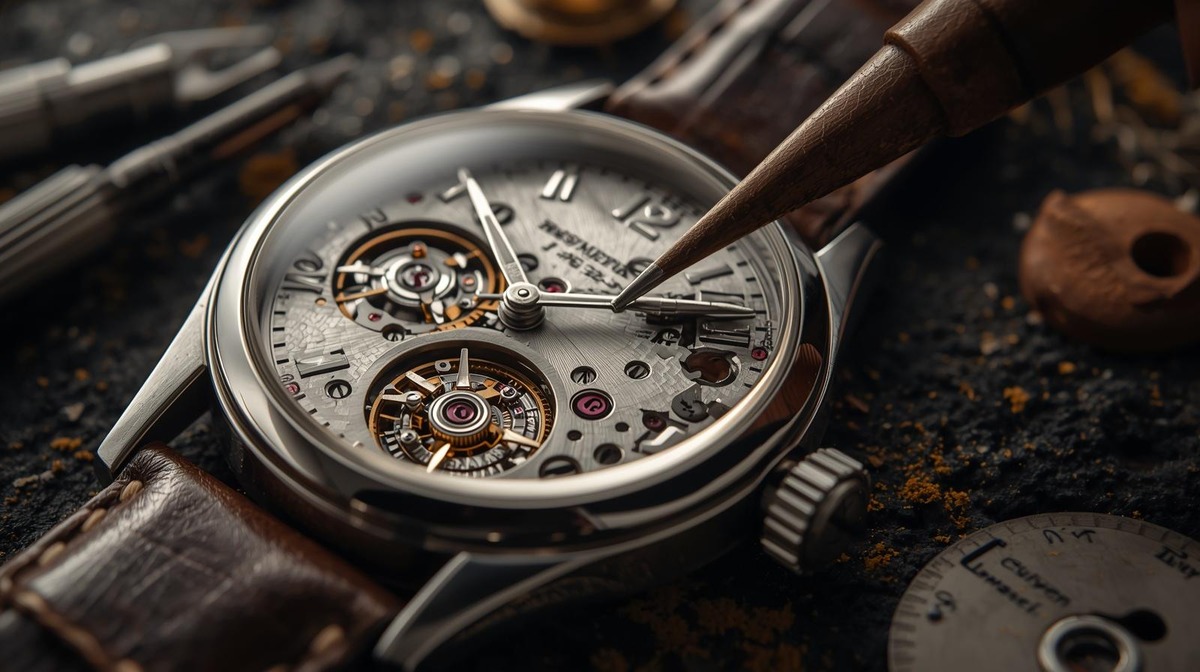
Watch dial restoration – when is it worth it, and when is it better to give it a miss?
Not every watch dial restoration is a good idea – sometimes you improve the appearance, but lose something far more important. The line between refreshing the look and losing the original character is a fine one, and a single decision can affect not only the aesthetics but also the value of the entire watch. If you’re wondering whether restoring watch dials makes sense in your case, it’s worth looking at the issue more broadly – not just in terms of ‘prettier’, but above all ‘better’.
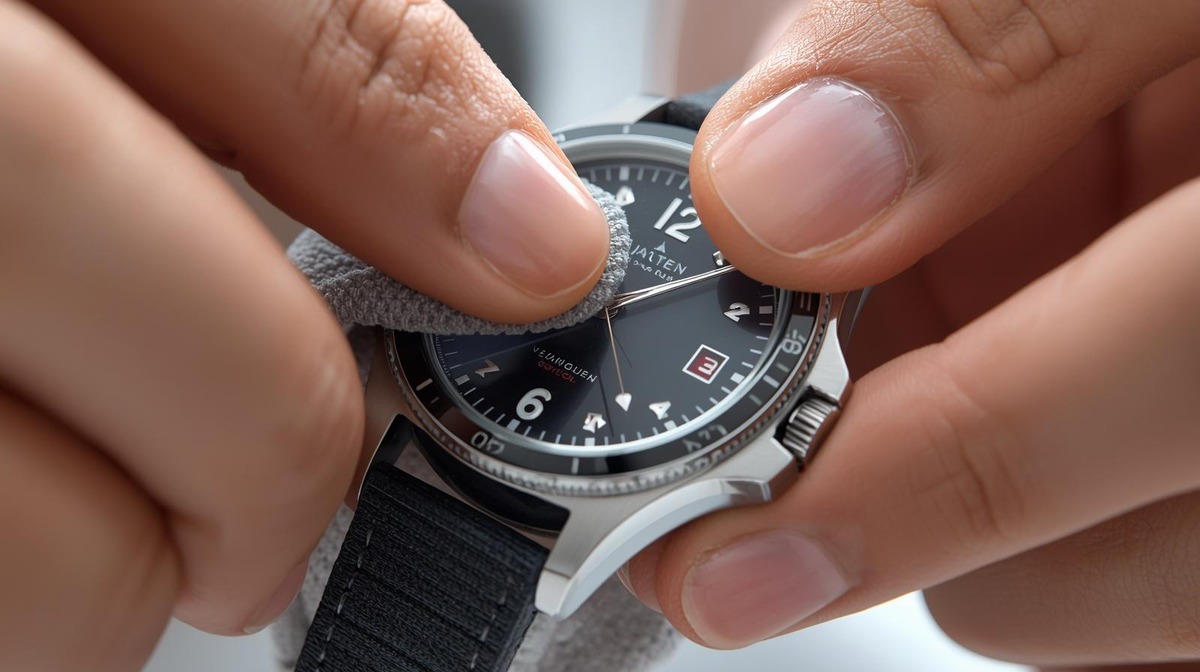
How can I clean my watch face without risking damage?
At first glance, it might seem like just a quick wipe of the glass – but in reality, it’s one of the most common mistakes, which can permanently ruin the appearance of your watch. If you want the dial to look as good as new for years to come, it’s worth knowing what to avoid at all costs and how to clean it safely – without the risk of scratches, tarnishing or costly repairs.