



Quartz vs Automatic – Which Watch is Better for You?
Choosing a watch is not just about the brand or design – it’s primarily about deciding on the mechanism that will power your timepiece. Quartz and automatic watches differ not only in how they operate but also in their purpose, maintenance costs, and prestige. Before selecting a specific model, it’s worth understanding the specifics of both options to determine which mechanism best suits your needs. Find out which choice is right for you.
Quartz or Automatic? Discover the Differences Between Watch Mechanisms
When deciding on a men's watch or a women’s model, you face an important technological choice. The fundamental difference lies in the power source and timekeeping precision. In this article, we’ll discuss the two most popular types of mechanisms.
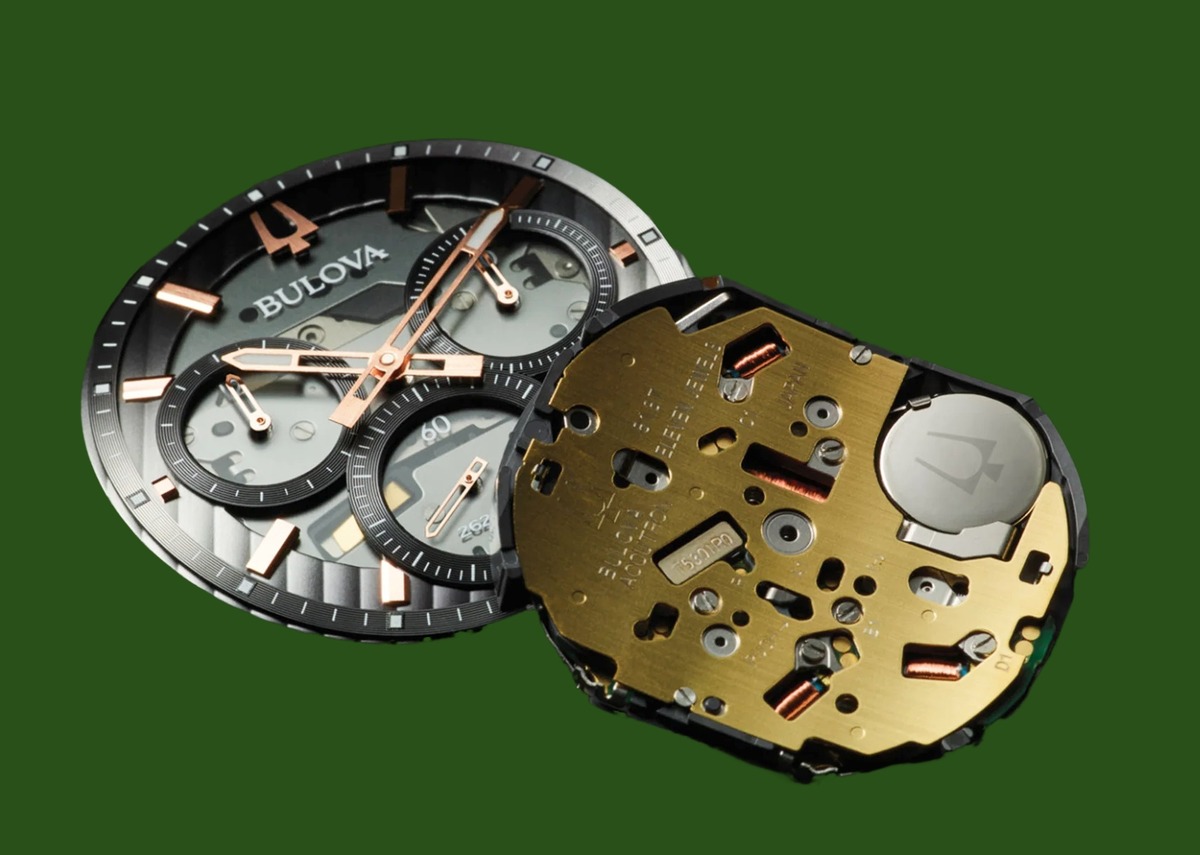
- Quartz watches use a small crystal as the core of their mechanism, which generates highly accurate vibrations when powered by a battery. These vibrations ensure precise time measurement, with deviations of just a few seconds per month.
- In contrast, in automatic watches, the entire process is powered by kinetic energy generated by your wrist movements. The mainspring is wound gradually through rotor oscillations, eliminating the need for a battery. However, it’s important to note that an automatic mechanism requires regular wear – if left unused for several days, the watch will stop.
In summary, the differences between quartz and automatic watches are not only technical but also affect daily use and maintenance requirements.
Automatic vs Quartz – A Choice Tailored to Your Lifestyle
When deciding on the right mechanism, consider your lifestyle and daily activities. For active individuals, athletes, or those with a busy schedule, a quartz watch is often a better choice. It’s more resistant to shocks, doesn’t require daily wear, and offers greater accuracy. Travelers will appreciate how easy it is to adjust the time on a quartz watch when moving across time zones.
On the other hand, an automatic mechanism is perfect for those who value tradition, craftsmanship, and mechanical finesse. This is especially true if you see your watch not only as a tool for measuring time but also as a piece of jewelry or an expression of personal style. Keep in mind the maintenance aspect as well – a quartz watch requires periodic battery replacement, while an automatic model needs regular servicing, which tends to be more expensive.
Quartz and Automatic Mechanisms – Prestige and Value
When choosing between these two options, consider the long-term value of your investment. Automatic watches often retain or even increase their value over time, particularly those from renowned manufacturers. This is due to their mechanical complexity, traditional craftsmanship, and limited production. Quartz counterparts, despite their reliability, are rarely seen as collectibles. The prestige of owning an automatic watch comes from centuries of watchmaking tradition and the artistry involved in their creation. Each automatic mechanism is a miniature masterpiece, composed of hundreds of precisely synchronized components.
That said, prestige and potential collector’s value come with higher purchase and maintenance costs. If you’re looking for a practical and reliable timepiece without straining your budget, a quartz watch might be the better choice.
What to Consider for Maintenance? Hidden Costs of Different Watch Types
The durability and reliability of your watch largely depend on regular maintenance, which varies significantly depending on the mechanism. For quartz watches, the main cost is battery replacement, typically every 2-4 years, which is relatively inexpensive. However, remember to check the condition of the seals during each battery change to maintain the watch’s water resistance. On the other hand, automatic watches require more comprehensive care. A full servicing of an automatic mechanism should be performed every 3-5 years and involves higher costs, including cleaning, lubrication, and adjustment. Additionally, automatic watches are more susceptible to magnetic fields, which can disrupt the mechanism and require professional attention. Some brands also mandate servicing through authorized centers, further increasing maintenance expenses. Regardless of the mechanism, regular maintenance is essential for long-term, trouble-free use.
Which Mechanism Should You Choose to Start Your Watch Journey?
When starting your watch journey, the choice you make can influence your future collecting decisions. For beginners, a quartz mechanism can be an excellent introduction to the world of timepieces. It allows you to familiarize yourself with basic functions and get used to wearing a watch without worrying about winding or precise adjustments. This is especially important if you’re still shaping your preferences for style and functionality. As your passion develops and you gain a deeper understanding of the nuances of watchmaking, transitioning to an automatic watch becomes a natural step. However, there are no strict rules – everything depends on your personal preferences and budget. Many collectors successfully combine both automatic and quartz watches in their collections, appreciating the unique features of each mechanism. The key is finding a balance between practicality, aesthetics, and personal taste.
Looking for women's quartz watches or automatic versions (and more)? Then visit WestWatches online store and choose from hundreds of luxury products perfectly suited to your preferences and style. We look forward to your visit!
See popular articles
Watches for seniors – the top 5 gift ideas for older people
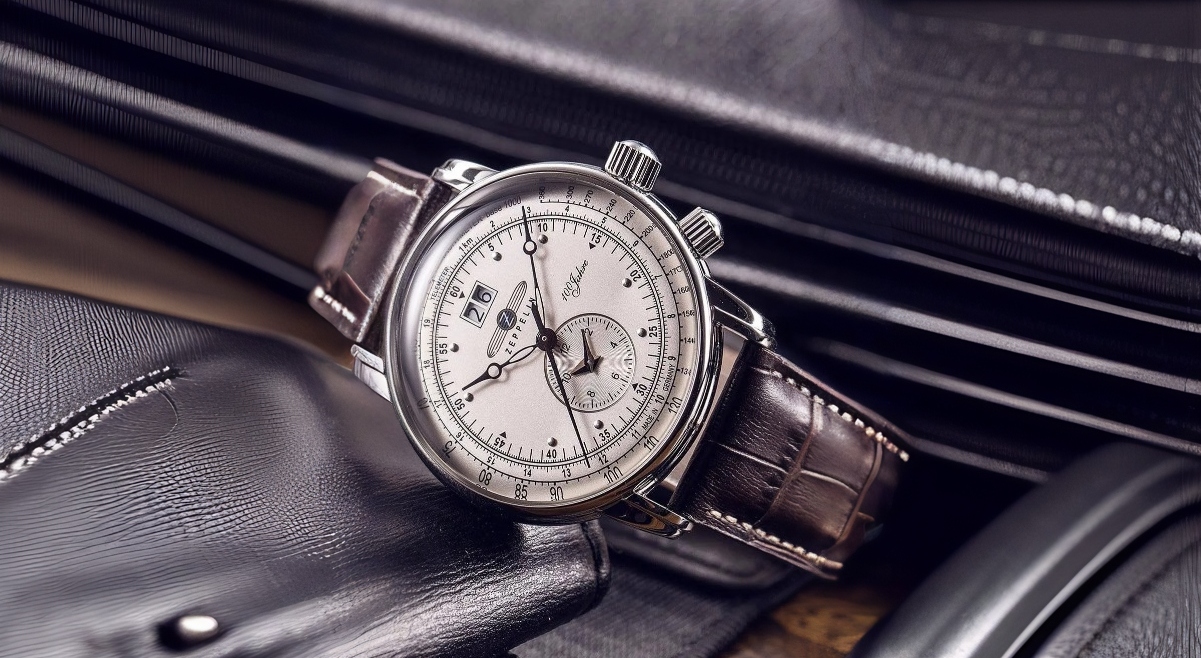
Choosing the right watch for a senior is more than just buying a practical accessory – it’s a decision that affects an older person’s comfort in daily life and their general well-being. This selection features models that combine readability, comfort and timeless style, whilst catering to a range of needs – from elegant classics to durable sports watches.
Which battery for a wristwatch – how not to confuse SR, LR and CR?
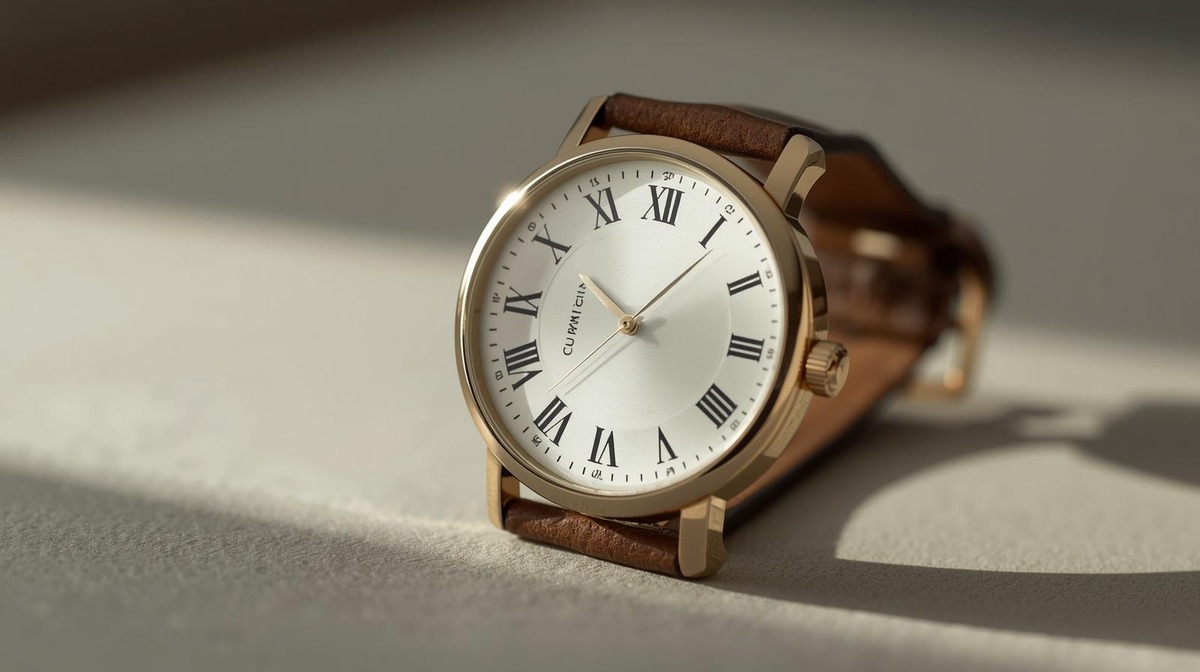
Choosing the right battery for your watch is a topic that often seems trivial… until you find yourself standing in front of a shelf full of different labels and have no idea what to choose. SR, LR, CR, numbers like 377 or 364 – they all look similar, yet the differences are huge and have a real impact on how your watch works. If you want to avoid making the wrong purchase and ensure your watch works exactly as it should, it’s worth learning a few simple rules that will clear up most of your doubts.
Watches for girls for First Communion – a ranking of the best gift options
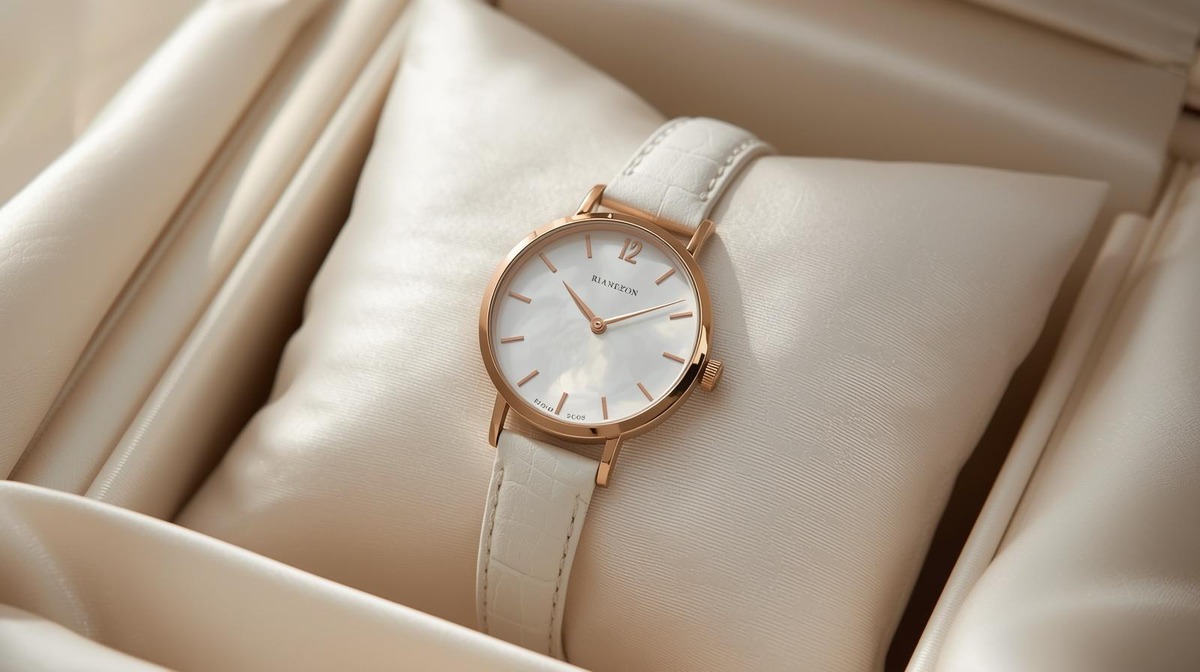
First Holy Communion is a special occasion that deserves an equally special gift. A watch for a girl to mark her First Holy Communion is not only an elegant accessory, but also a keepsake for years to come – a symbol of growing up, personal style and those first important moments captured in time. In this guide, you’ll find suggestions that combine beautiful design, functionality and timeless appeal.

On which wrist should you wear a ladies’ watch? Find out what’s comfortable and what’s just a matter of habit
At first glance, it may seem like a minor detail, but in practice it can make a real difference. Choosing which wrist to wear a watch on isn’t just a matter of habit or fashion – it’s about comfort, functionality and how the watch fits in with your everyday lifestyle. Some people don’t even give it a second thought, whilst others try out different options before finding the right one. If there is any doubt as to whether there is a single ‘correct’ answer – it is worth dispelling it once and for all and looking at the matter from a practical perspective.
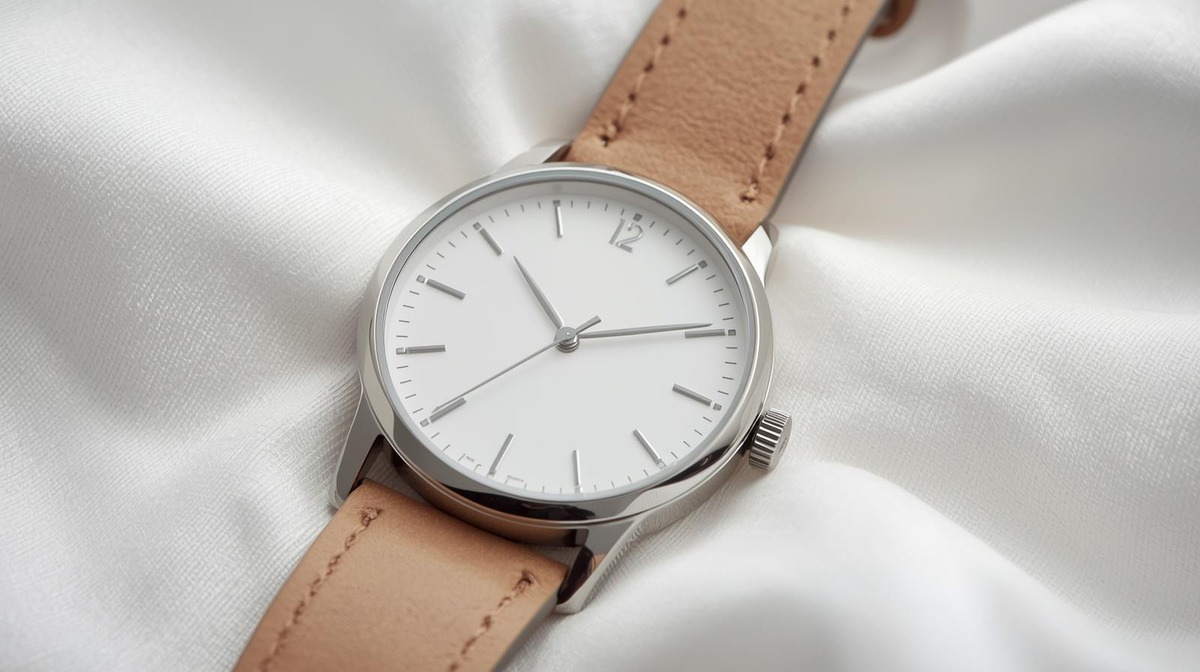
First Communion watches for boys – a ranking of the best models for a special gift that will last for years
which can be a companion for years to come. In this guide, we’ve compiled a selection of models that combine style, functionality and timeless appeal, making it easier to find the perfect watch for a boy – one that suits his age, interests and first ‘grown-up’ choices.
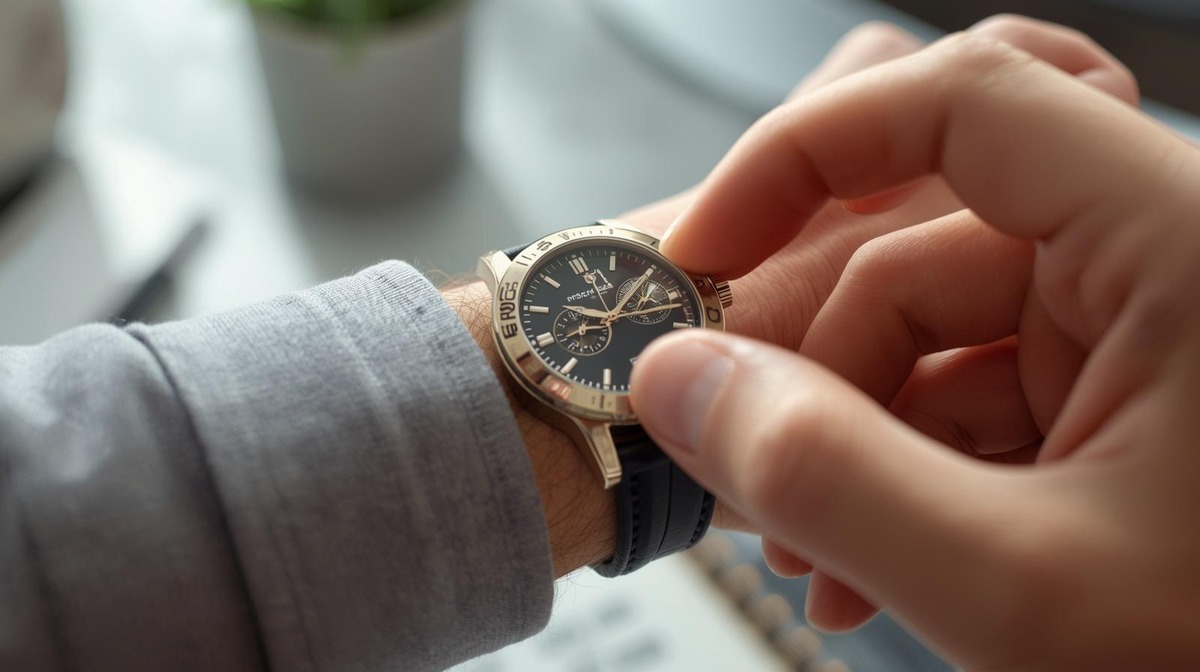
How do you adjust a watch that’s running fast?
Have you noticed that your watch is running fast and are starting to lose confidence in it? Don’t worry – this doesn’t necessarily mean there’s a serious fault. In many cases, it’s a natural characteristic of the mechanism or the result of minor factors that can be quickly diagnosed. Find out what to do if your watch is running fast, when observation is enough, and when specific adjustment or a visit to a watchmaker is needed.
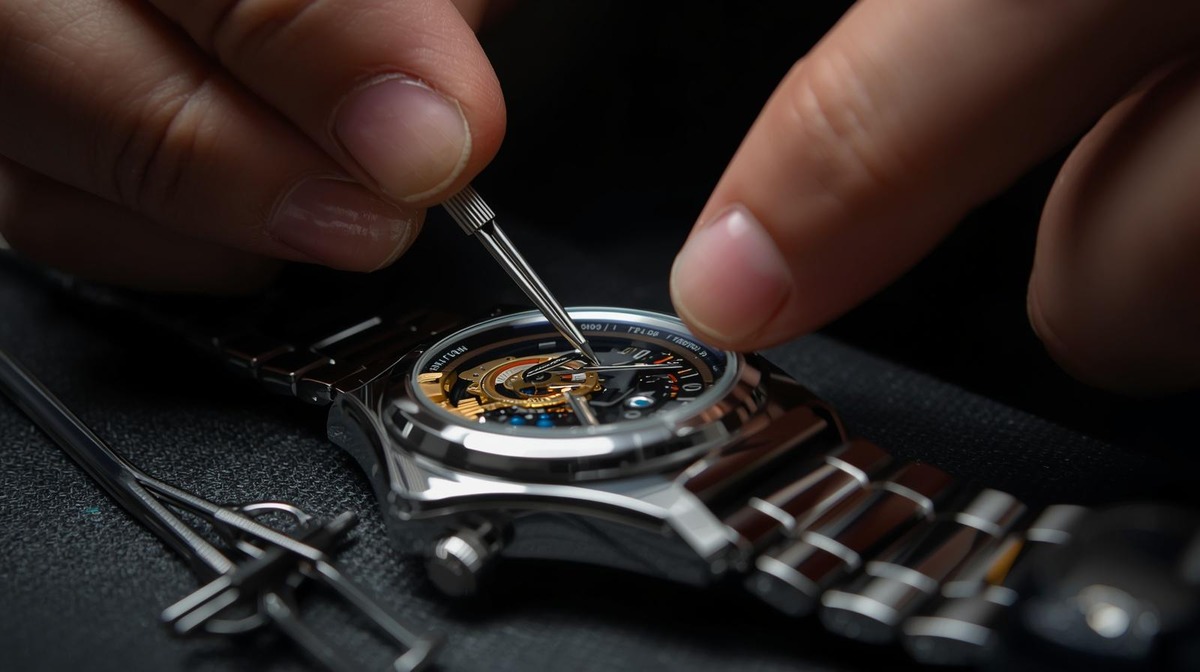
Replacing the battery and closing the watch – what should you watch out for?
Changing a watch battery seems like a simple task – a few minutes, a quick swap, and you’re done. In practice, however, this is a moment when it’s easy to make a small mistake that ends up costing far more than the battery itself. It’s not just about getting the watch working again, but about doing so in a way that’s safe for the movement, the case and… the water resistance. If you want to avoid common pitfalls and be sure that everything has been done properly – check out what you really need to pay attention to.
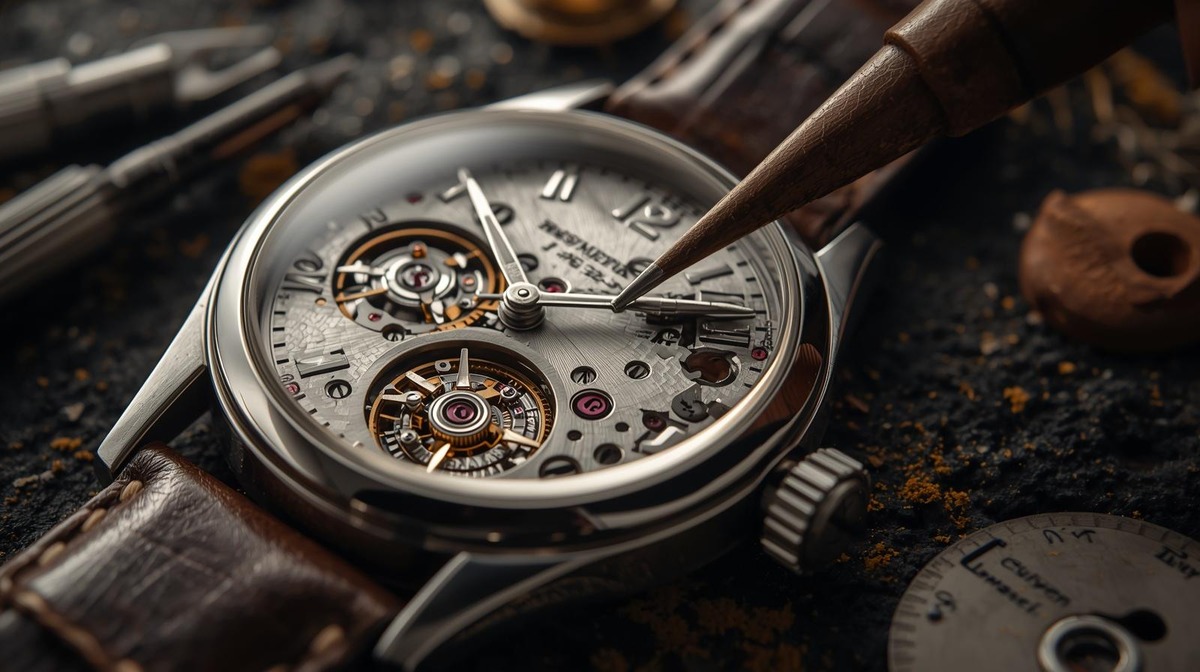
Watch dial restoration – when is it worth it, and when is it better to give it a miss?
Not every watch dial restoration is a good idea – sometimes you improve the appearance, but lose something far more important. The line between refreshing the look and losing the original character is a fine one, and a single decision can affect not only the aesthetics but also the value of the entire watch. If you’re wondering whether restoring watch dials makes sense in your case, it’s worth looking at the issue more broadly – not just in terms of ‘prettier’, but above all ‘better’.
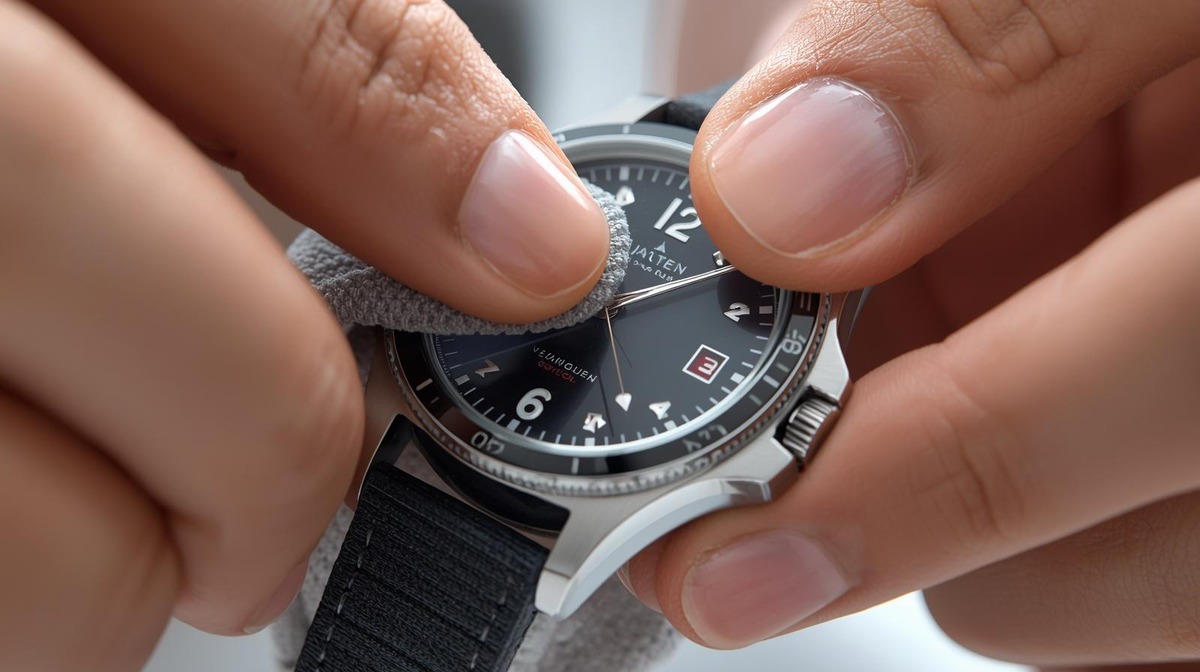
How can I clean my watch face without risking damage?
At first glance, it might seem like just a quick wipe of the glass – but in reality, it’s one of the most common mistakes, which can permanently ruin the appearance of your watch. If you want the dial to look as good as new for years to come, it’s worth knowing what to avoid at all costs and how to clean it safely – without the risk of scratches, tarnishing or costly repairs.