



What does a Swiss watch mean for the buyer and what should you bear in mind beforehand?
A Swiss watch is the dream of many people – a symbol of quality, precision, and good taste. But do only models bearing the inscription "Swiss Made" truly deserve attention? Or could a timepiece from Japan or the United States be an equally informed choice? If you're wondering what the origin of a watch really means, what you're paying for, and what to keep in mind before making a purchase – below you'll find specific, well-organised information to help you make a confident decision.
A Swiss watch – what does it mean for the customer?
When you see the discreet inscription "Swiss Made" on a dial, it's not merely a marketing detail. It's information about the origin of the movement, assembly, and quality control, all of which must meet very specific standards. For you, this means one thing – you're buying a product that has passed strict procedures and been assembled from components meeting a defined standard. Swiss watches are associated with precision for good reason. High movement culture, refined case and dial details, solid materials – these are elements that genuinely affect wearing comfort and durability. In practice, this means fewer unexpected failures and greater predictability of performance over the years.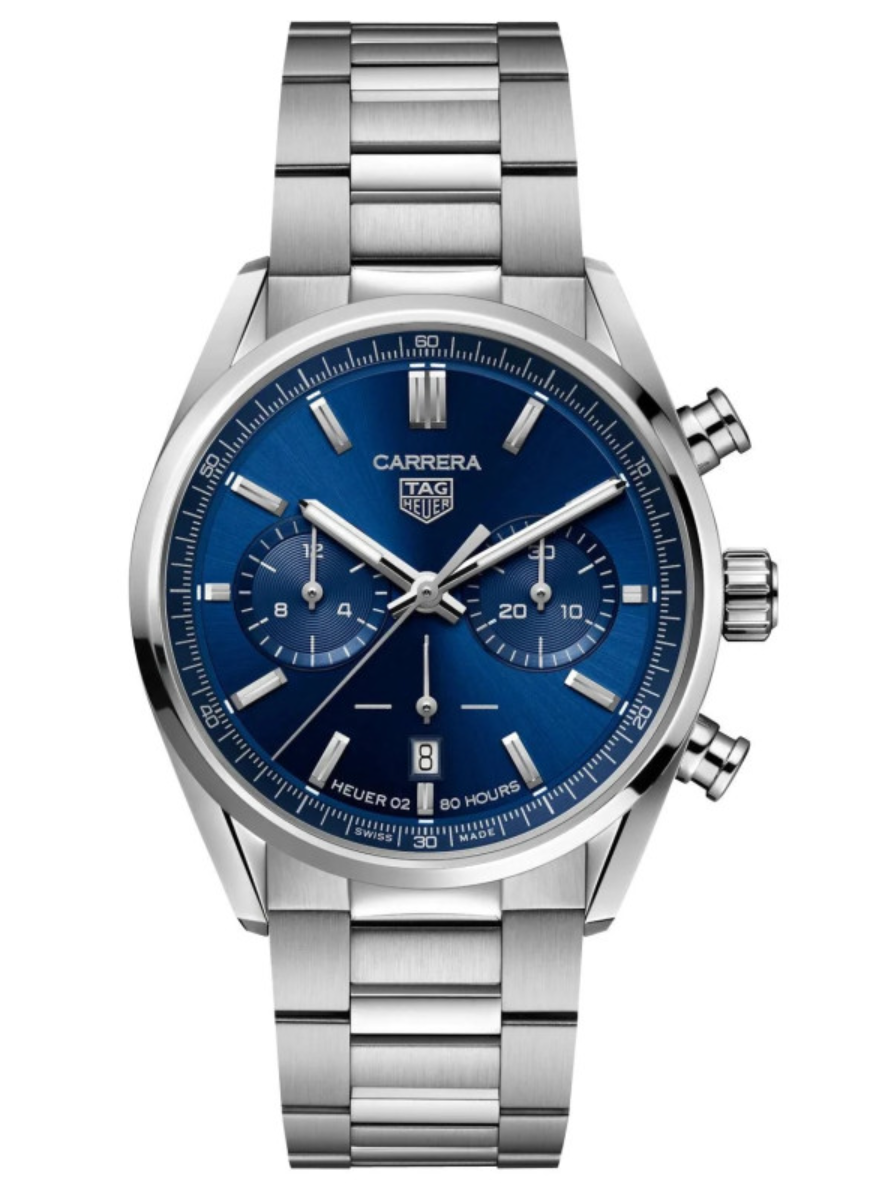
TAG Heuer Carrera Chronograph Automatic 42 mm CBN2011.BA0642 is a striking example of contemporary Swiss watchmaking – a precise chronograph with an in-house movement and 80-hour power reserve, enclosed in a perfectly finished steel case. The blue dial with symmetrical counters and a sporty minute scale demonstrates how the Carrera heritage combines with modern engineering and timeless elegance.
It's also worth looking at the bigger picture. When choosing Swiss mechanical men's watches, you're investing in more than just timekeeping. You're buying history, expertise, and service infrastructure that matters during long-term ownership. Swiss mechanical watches are designed with longevity in mind – they can be regulated, serviced, and passed on. This is an entirely different philosophy from mass-produced, seasonal models. And that's exactly what you experience as a customer – greater confidence in your decision and the reassurance that your choice is no accident.
Swiss watches – which brands stand out?
The market is broad and highly diverse. At its pinnacle are brands such as Rolex, Patek Philippe, and Audemars Piguet – the absolute elite of global watchmaking, where price goes hand in hand with collector-grade craftsmanship. In these manufactures, enormous emphasis is placed on hand finishing, movement complications, and limited production runs. These are watches built with generations in mind. In this price tier, you're buying not only precision, but also prestige and investment value, which matters greatly to many people.
If, however, you're looking for solid quality within a more accessible budget, there are very concrete options. Davosa, Epos, Cover, Certina, Tissot, Luminox, and Adriatica offer models that combine Swiss origin with a sensible price point. You'll find both classic Swiss watches on a bracelet and sportier models with a distinct character.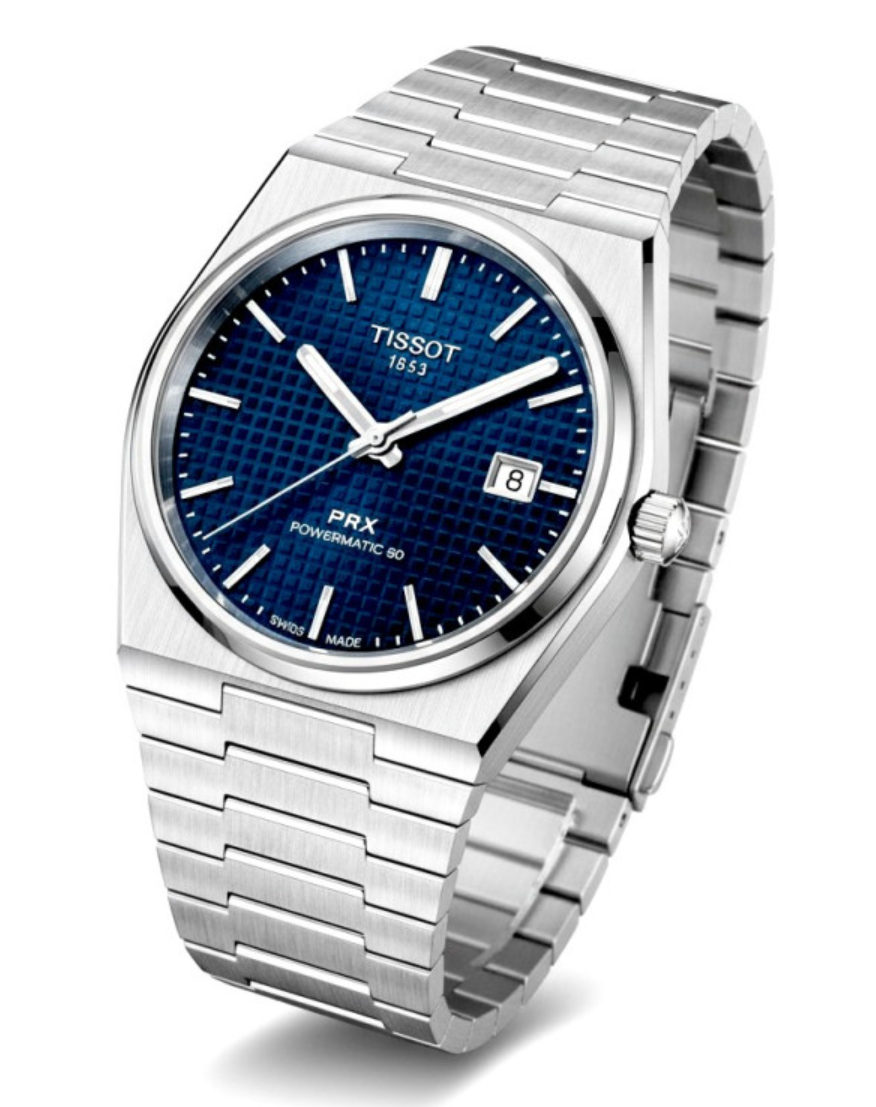
Tissot PRX Powermatic 80 40 mm T137.407.11.041.00 is an excellent example of classic Swiss design in a modern guise – a minimalist form, integrated bracelet, and perfect case proportions create a cohesive, timeless whole. Combined with an automatic movement offering an 80-hour power reserve, it demonstrates what Swiss watches mean in practice: precision, quality of execution, and a style that doesn't bow to seasonal trends.
Certina is renowned for its case protection systems and durability, Tissot offers an enormous variety of styles, while Epos stands out with its refined, often exhibition-back cases that put the movement on display. This is a segment where the quality-to-price ratio genuinely makes sense, particularly when buying your first serious timepiece.
What does a Swiss watch mean in the world of watchmaking?
In the watchmaking industry, origin matters. Switzerland has spent decades building its reputation as the centre of precision mechanics, and that legacy continues to pay dividends. Swiss automatic watches are regarded as a benchmark for other manufacturers, especially when it comes to movement finishing standards, accuracy, and quality control. It is here that movements are made which also find their way into many other watch brands worldwide. By choosing such a watch, you're entering a world of established standards and traditions respected globally.
The technological infrastructure also matters. Switzerland is home to specialist companies producing movements, components, and regulation systems. Access to spare parts, authorised servicing, and transparent production standards are genuine advantages you'll appreciate after years of ownership. In practice, this translates to easier maintenance and greater predictability of costs. In the world of watches, this is very important – particularly if you're choosing a model with long-term use in mind, rather than a passing trend.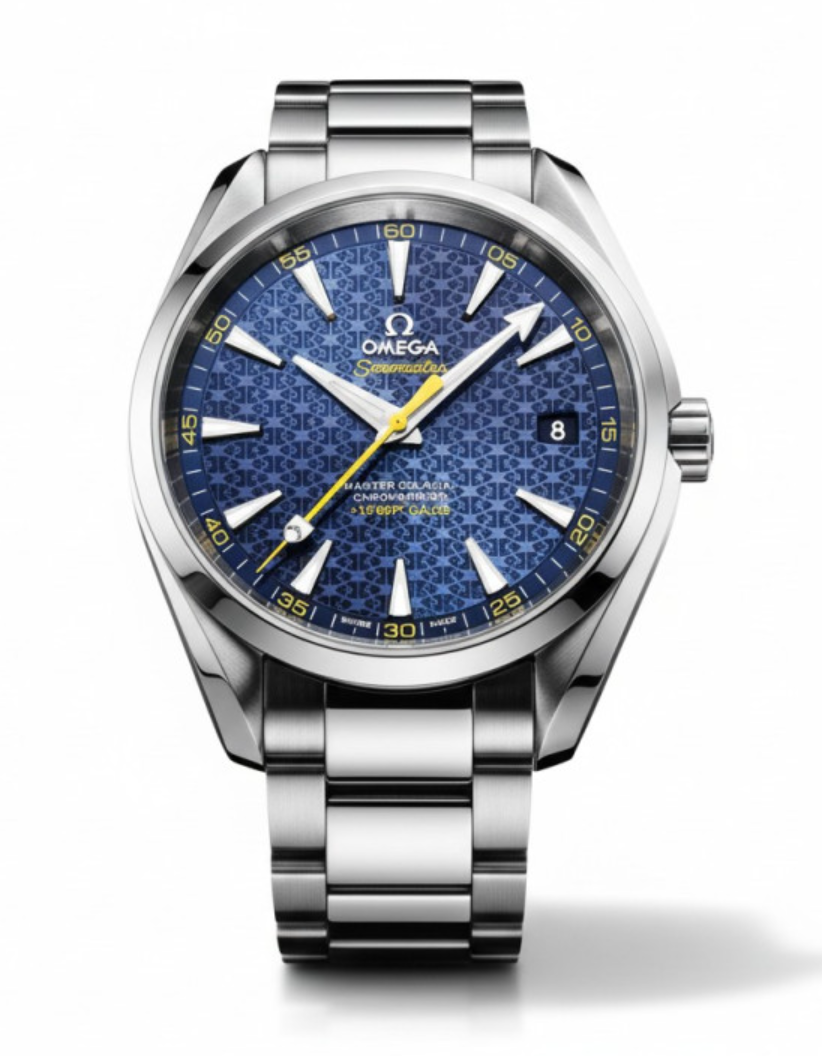
Omega Seamaster Aqua Terra 15'007 Gauss is an exceptional blend of sporting elegance and advanced technology, perfectly showcasing the capabilities of contemporary Swiss watchmaking. An antimagnetic movement resistant to magnetic fields up to 15,000 gauss, a distinctive yellow seconds hand, and the limited-edition nature of the model make this a timepiece for those who expect not only prestige, but genuine innovation.
What sets Swiss watches apart?
The difference isn't always visible at first glance, but it quickly becomes apparent in everyday wear. Precision fitting of components, quality of steel or titanium, balance of the case and bracelet – these details affect wearing comfort. Swiss watches on a bracelet typically feature solid, well-finished links and secure clasps. Nothing is left to chance. Even in the mid-price segment, you'll notice an attention to detail that cheaper models often overlook.
The second consideration is the movement. Swiss automatic watches and classic hand-wound constructions run stably, with a predictable power reserve and good rotor culture. This makes them intuitive and satisfying to use. Add to that the legibility of the dial, the durability of the indices, and the scratch resistance of sapphire crystal. The result is a product that combines aesthetics with functionality – without unnecessary compromise.
Which Swiss watch to buy as a first choice?
If this is your first serious purchase, approach the topic calmly. Think about whether you prefer a classic style or something with a sportier character. Models from Cover, Certina, and Tissot are a very safe starting point – they offer proven movements, sensible prices, and a wide stylistic choice. In this segment, you'll find both elegant Swiss mechanical men's watches on a leather strap and versatile steel bracelet versions suitable for everyday wear.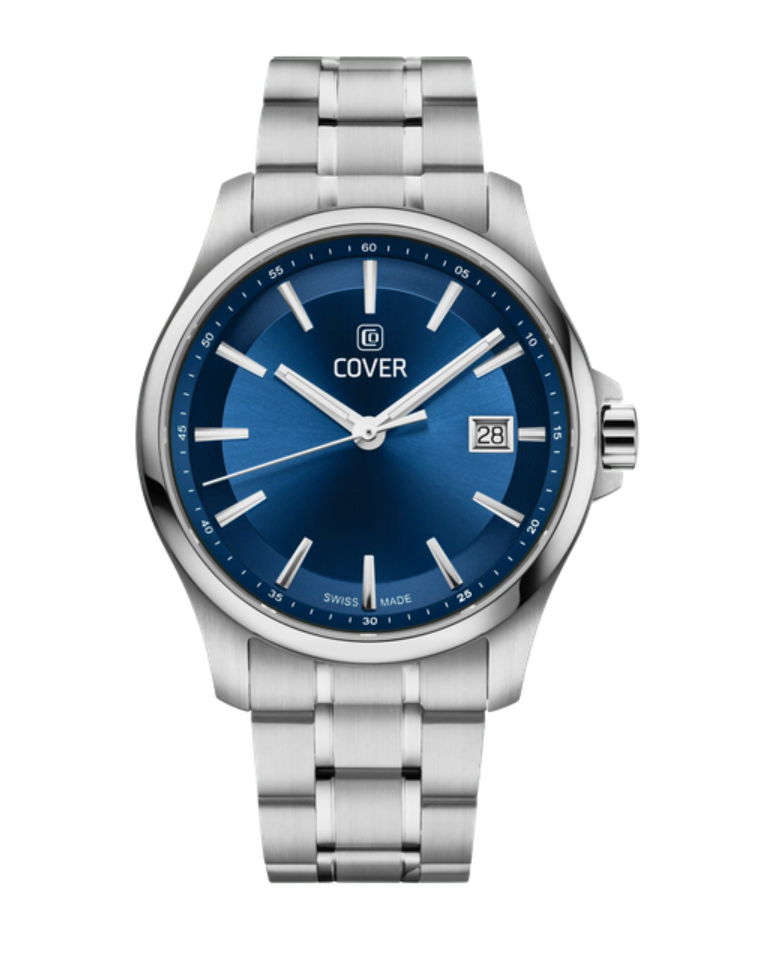
Cover Marville Gent 39 mm CO214.03 is a proposal for those who want to enter the world of Swiss Made watches without the need for a very high budget. A classic steel case, legible blue dial with date display, and minimalist indices show that an accessible price can go hand in hand with solid construction and Swiss quality that provides confidence day to day.
For a first purchase, it's also worth considering Swiss automatic watches, as they offer the full experience of mechanical watchmaking without the need for daily winding. Opt for a legible dial, a proven calibre, and a case sized comfortably for your wrist. Don't be guided purely by trends. Always choose a model that genuinely suits your lifestyle and wardrobe. That way, the watch won't sit in a box – it will become a natural part of your daily routine.
Swiss, Japanese, or American? The competition for Swiss manufactures
In the watchmaking world, timepieces designed in Swiss manufactures are held in enormous esteem. Over the years, a consensus emerged that Swiss watches represent the absolute definition of excellence in every respect. But are Swiss brands the only choice? Absolutely not. You'll also find dozens of outstanding options produced in other countries – not least the USA and Japan, both of which sit firmly at the front of the pack chasing Switzerland.
Watches from Japan
A genuine competitor to Swiss manufactures for many years has been Japanese brands. Among them, it's worth highlighting Citizen, Seiko, and Orient, whose catalogues include already iconic lines such as Eco-Drive, Turtle Diver, Mako II, and Ray II.
Why are they worth considering? Primarily because of their remarkable timekeeping precision, solid build quality, and the highest level of functionality. Japanese watches offer stopwatches, date displays, water resistance, and all the other features demanded by the most discerning watch enthusiast.
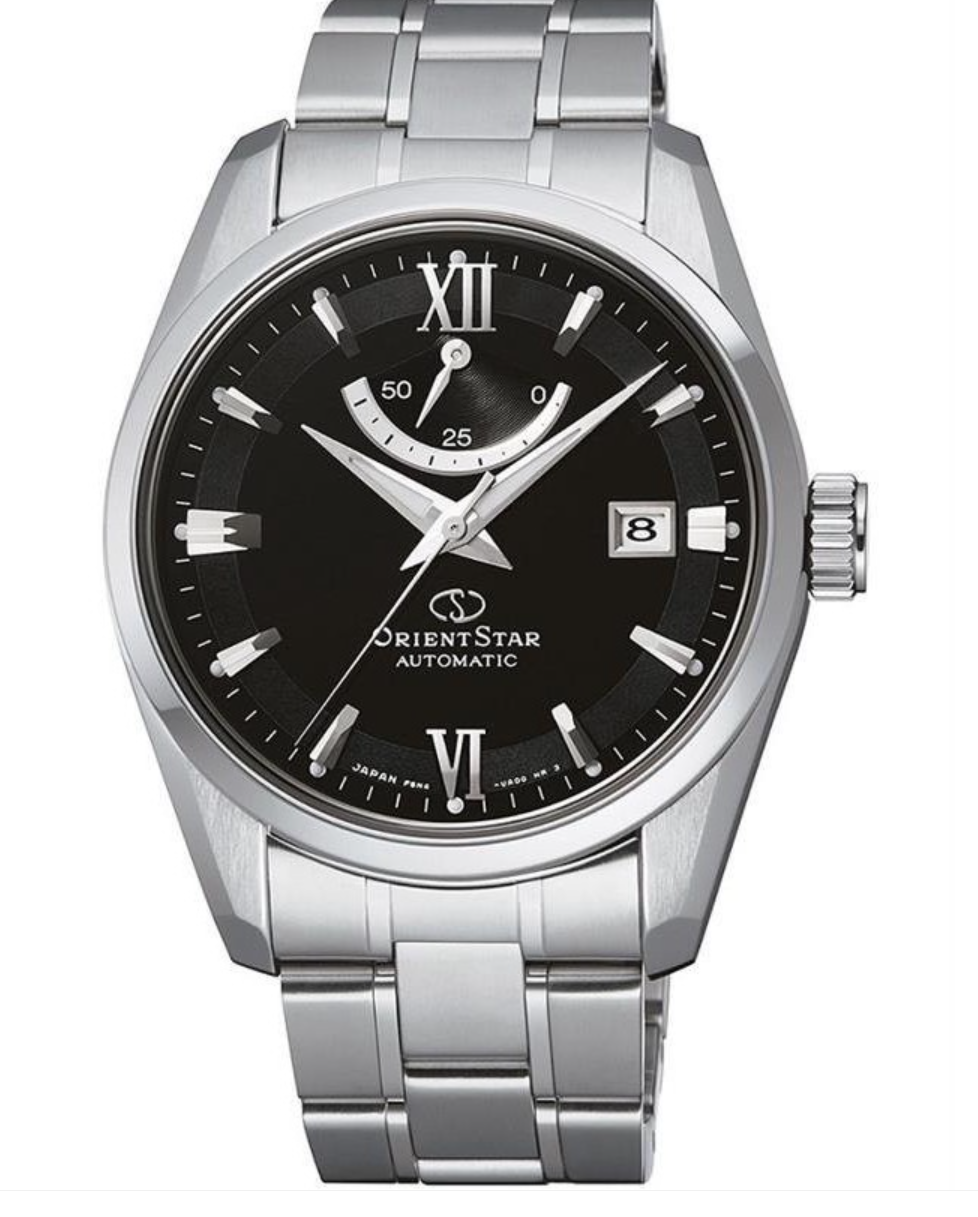
Orient Star Contemporary Classic Automatic 39 mm RE-AU0004B00B is an elegant example of Japanese precision in a premium guise – a classic, well-proportioned case, a legible black dial, and a distinctive power reserve indicator create a cohesive, refined whole. The automatic movement and careful finishing of every detail show that Orient Star can deliver a level of quality that competes without compromise against considerably more expensive European alternatives.
It's worth looking even higher up the range, as brands such as Orient Star and Grand Seiko prove that Japan competes successfully in the premium segment too. In Grand Seiko's case, we're talking about hand-finished cases, immaculate polishing, proprietary Spring Drive movements, and impressive accuracy that genuinely rivals many luxury Swiss constructions. Orient Star, meanwhile, offers refined mechanical models with a visible power reserve and very solid finishing, which can comfortably be compared with watches costing significantly more. Importantly, the differences in build quality, precision, and wearing comfort are not always perceptible day to day, while the price difference is often considerable – and that is precisely the great advantage of Japanese manufacturers, combining technological precision, durability, and refined aesthetics with a far more accessible budget.
Watches from the United States
The United States is also an enormously significant point on the watchmaking map. The country's calling card is Bulova, though the Ball brand also deserves recognition. In both cases, you'll encounter primarily classic timepieces with a light, sporty character. American brands are distinguished by their attention to every detail. Here, you have every right to expect absolute reliability across the board.
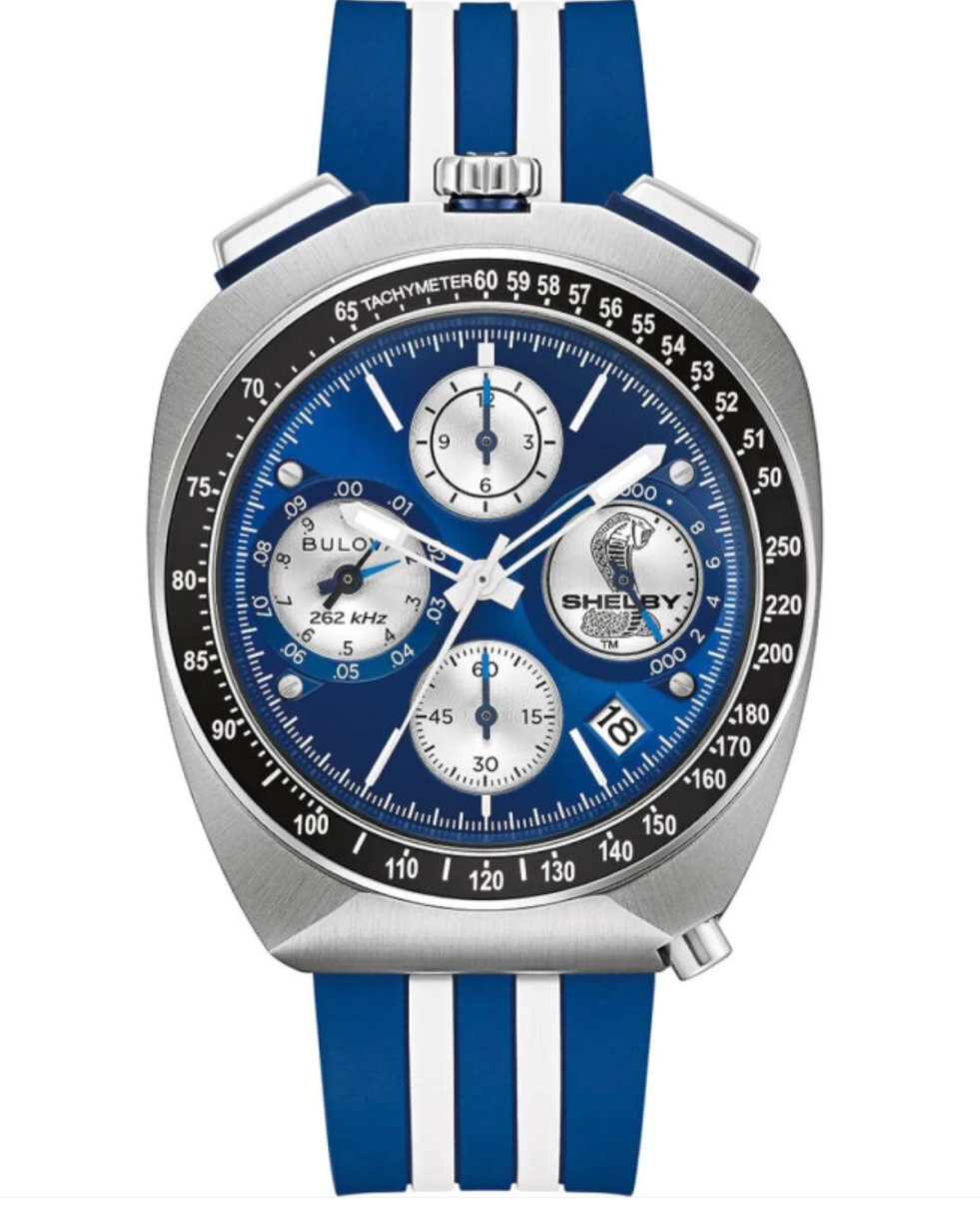
Worth emphasising is that American watches – much like their Swiss counterparts – attract customers with appealing design. This is often highly original (as with the Bulova Computron), though you'll also find models with decidedly more conventional styling. Particular attention should be paid to Bulova's Precisionist line or the classic Fireman models bearing the Ball logo.
The Timex brand also deserves a mention, having built its position over the years through affordable, durable models with a timeless character. It's a manufacturer that proves the American watch market is diverse and offers options suited to different needs and budgets.
Is it worth paying for "Swiss Made"?
The "Swiss Made" label is today used intensively in marketing, and there's no denying that the price often includes a premium for prestige, brand heritage, and the long-standing reputation of Swiss watchmaking. You're therefore paying not only for the movement itself, but also for tradition and recognition. At the same time, it's difficult to deny the label its significance – it remains a marker of high build quality, rigorous production standards, and refined quality control. In practice, it's the assurance that you're receiving a top-tier product, designed for durability, serviceability, and years of use.
If, however, you're considering the ideal model for your needs, it's worth broadening your perspective. At the WestWatches online watch store, you'll find a wide selection of both Swiss watches and timepieces from Japan and the United States, suited to different budgets and expectations. This allows you to compare styles, movements, and the philosophies of individual brands, and then choose the watch that best meets your needs – regardless of which country it comes from.

Krzysztof Szopa
Watch Expert
An expert associated with WestWatches.pl, a destination that has been delivering watches for every occasion for years. Drawing on extensive experience in the watchmaking and jewellery industry, he shares his knowledge with passion, offering professional advice both in the online and physical store. He specialises in selecting original watches, watch accessories, and jewellery that combine exceptional quality with competitive prices. His goal is to help customers find the perfect product that meets their expectations and reflects their personal style.

See popular articles
316L, 904L and surgical steel – what is your watch made of?
Most steel watches, from affordable models to luxury constructions, are made of 316L steel. 904L steel contains more nickel, chromium and molybdenum, and therefore offers higher corrosion resistance, but in itself it does not mean greater scratch resistance. The term “surgical steel”, in turn, does not point to one strictly defined alloy. In watches it most often refers to 316L, but without a specific material designation it may simply be a marketing name. If you are choosing a watch for years, look therefore not only at the words “stainless steel”, but also at the grade of steel, which components are made of the given material and how they are finished.
Japanese or Swiss watches? We compare quality, movements and prices
If you are wondering whether Japanese or Swiss watches are better, the name of the country alone will not give you a good answer. In both cases you will find simple models for relatively little money, solid mid-range automatics and designs belonging to the world's watchmaking high end. Far more about quality will be told to you by the specific movement, the way the case and bracelet are made, the crystal, quality control, accuracy and price. Check how Japanese watches really differ from Swiss ones and what to pay attention to before you choose a model for yourself.
The lifespan of a quartz watch – how long does it really last, and when is it no longer worth repairing?
We value quartz watches above all for their accuracy, convenience and modest day-to-day demands. That does not mean, however, that they can run indefinitely and need nothing more than a new battery once every few years. Over time, the components of the movement itself also wear out, and the moment a watch starts giving trouble can look completely different depending on the model, the way it is used and the availability of parts. So how long can a quartz watch last, what wears out in it most often and when does repair still make sense? Check what its lifespan really depends on.
The second hand on a watch – why does it jump, move smoothly or stop?
The way the seconds hand moves can tell you a lot about a watch's movement, but it is not an infallible test. A single distinct jump per second most often points to quartz, several small movements per second are typical of a mechanical movement, and an almost continuous glide is associated with Spring Drive. There are exceptions, however: there is a quartz watch with a sweeping seconds hand, and a mechanical watch that makes exactly one jump per second. What is more, a stopped hand does not have to mean a fault. Check how to read these signals and when you really need a watchmaker's help.

How do you set an automatic watch? Date, time and time zone 21:00–3:00
An automatic watch does not need a battery, but it does require a little knowledge from its owner. Setting the time or date seems simple, yet the wrong moment or the wrong way of using the crown can affect how the movement works. Many questions concern changing the date at night, moving the hands backwards and restarting a watch after a longer break. Check how to set an automatic watch correctly, what to pay attention to with the crown and why people often talk about particular caution between 9:00 pm and 3:00 am.

Wodoszczelność 10 ATM i 20 ATM – czy możesz pływać i nurkować z takim zegarkiem?
Co naprawdę oznacza 10 ATM lub 20 ATM na zegarku i czy takie oznaczenie pozwala bez obaw wejść do basenu, morza albo nurkować? Same liczby mogą być mylące, dlatego sprawdź, jak czytać klasę wodoszczelności i dobrać zegarek do aktywności w wodzie.
Water resistance 3 ATM – what does it mean and what can you do with it?
3 ATM water resistance means the watch is prepared above all for rain, accidental splashes and brief contact with water during everyday activities. It does not mean that you can swim with it, shower in it or submerge it to a depth of 30 metres. It is precisely the “30 m” marking that most often misleads. It is the result of a pressure test carried out under controlled conditions, not a declared working depth. So if you see 3 ATM, 3 bar or Water Resistant 30 m on the case back or in the specification, treat the watch as resistant to everyday moisture, but not as a watch for water activities.
Rolex-style watches – the best alternatives to the Submariner, Explorer and Datejust
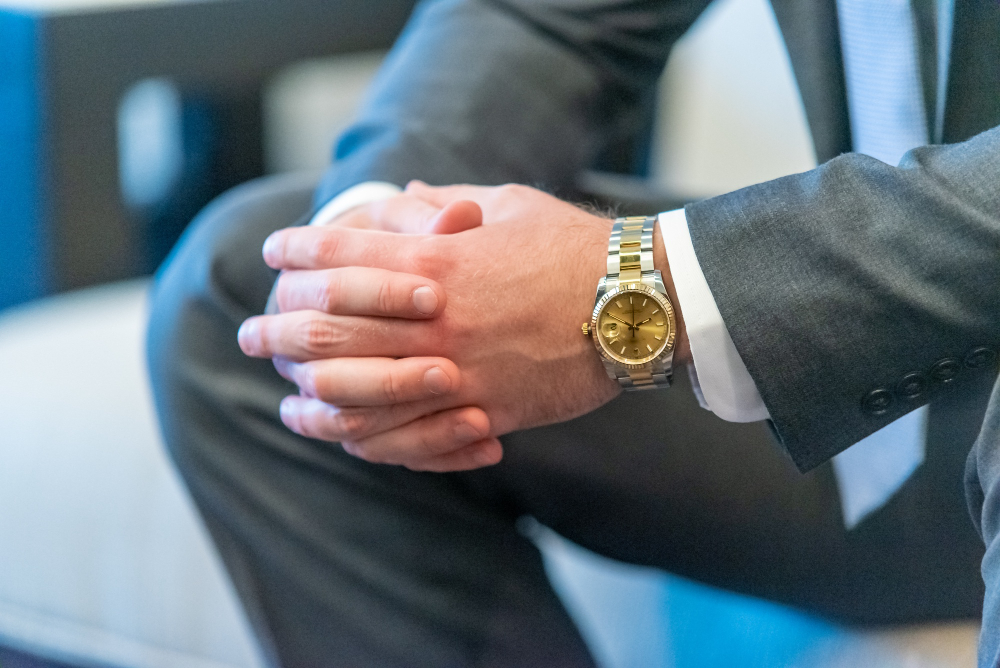
For years Rolex has been one of the most important style benchmarks in the watch world, but its price is not within everyone's reach. That is why it is worth looking at watches similar to Rolex and models inspired by its styling, which offer their own character, solid build quality and much more affordable prices. We are not talking about counterfeits here, but about legitimate watches from other brands that draw on similar solutions and design language. Check out watches inspired by Rolex's style and choose the model that suits your style and budget.
A bronze watch – why does each one change over time?
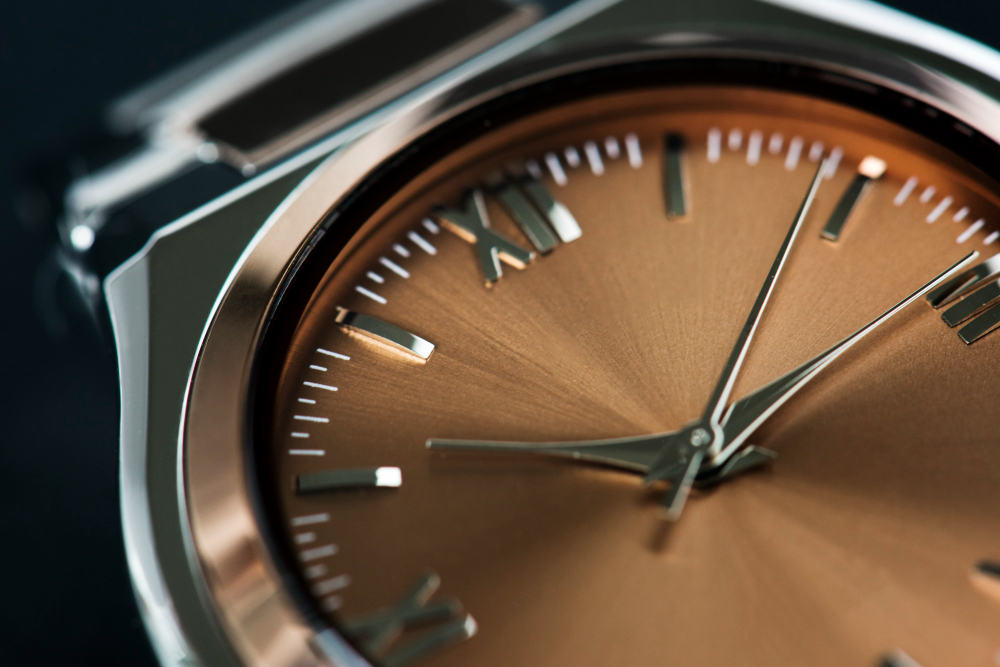
A bronze watch stands out because its appearance changes along with its owner. The case gradually darkens, turns matte and develops a patina, so two identical models can look completely different after just a few months. This is the greatest advantage of bronze, but also a trait you need to accept before buying. If you expect a watch that keeps its factory shine for years, steel may be a better direction. If, on the other hand, you like vintage looks, signs of use and the natural ageing of a material, bronze gives an effect that is hard to achieve in any other metal.