



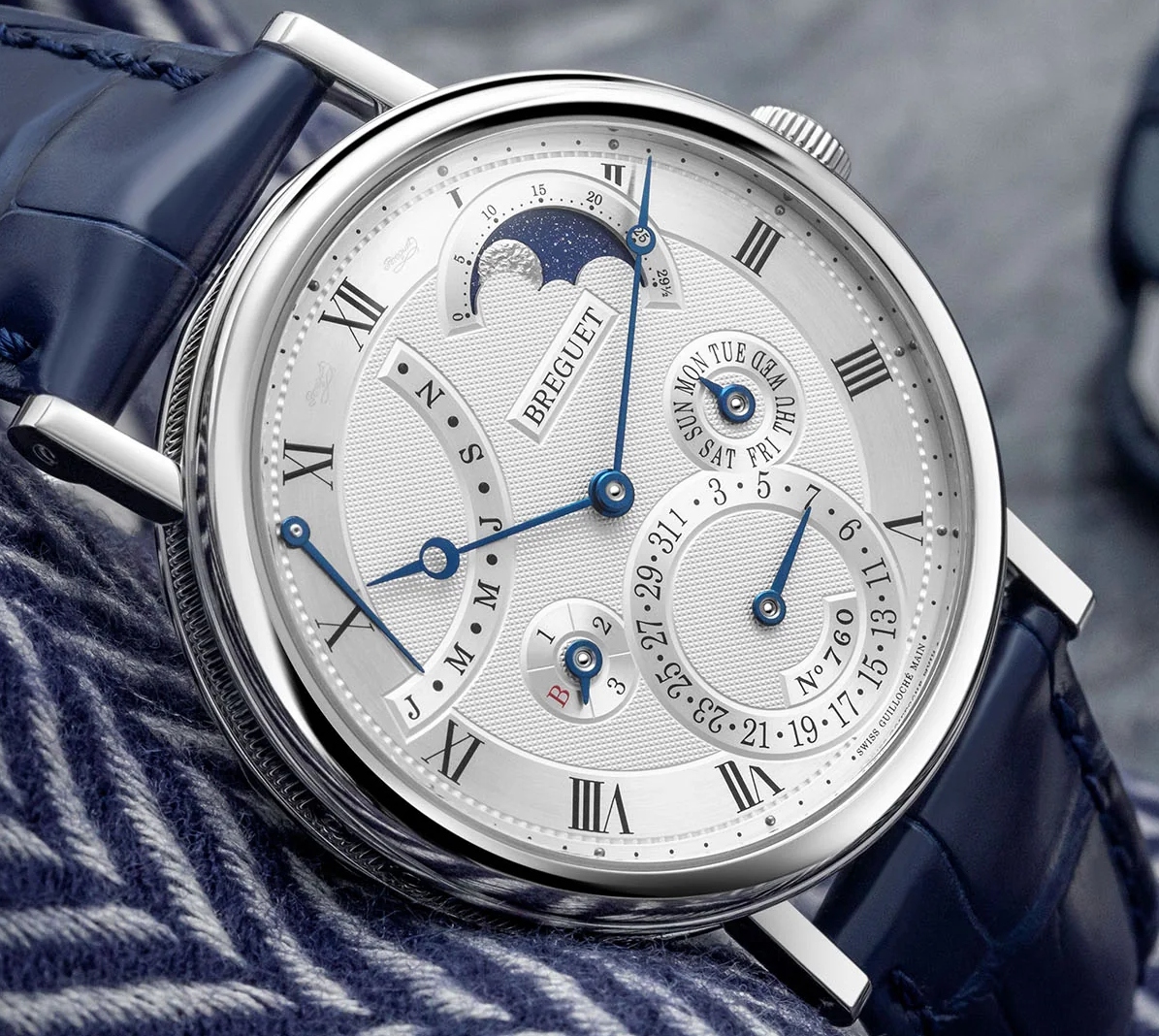
The Secrets of Men's Perpetual Calendar Watches: How to Choose Models That Combine Precision with Elegance?
Men's watches have always served not only as practical tools for measuring time but also as sophisticated symbols of status, class, and refined taste. Among the many models available on the market, perpetual calendar watches hold a special place. They are not only masterpieces of watchmaking but also elements of men’s jewelry that combine functionality with unmatched style. But how do you choose the right model? What makes a perpetual calendar watch so exceptional? In this post, we’ll explore the fascinating world of these extraordinary timepieces and reveal what to look for when purchasing one.
Why Choose a Perpetual Calendar Watch?
Perpetual calendar watches are works of art that transcend the boundaries of time. They feature one of the most advanced mechanisms, automatically adjusting to the varying lengths of months and even accounting for leap years. This means such a watch won’t require a date adjustment for decades—or, in some cases, even centuries. It’s an exceptional example of precision engineering that marries beauty and functionality.
Perpetual calendar watches are symbols of excellence, precision, and luxury. By purchasing such a model, you’re investing in a timeless piece that will endure the test of time both technically and aesthetically. For this reason, they are particularly prized by collectors and individuals seeking more than just an ordinary timepiece.
Visit our watch store, where you’ll find a wide selection of luxury models from renowned brands.
What Makes a Perfect Perpetual Calendar?
Understand the Mechanism That Makes It Exceptional
Before purchasing a perpetual calendar watch, it’s essential to understand what makes this mechanism so extraordinary. At the heart of every perpetual calendar is a complex system of gears that accurately calculates the length of each month and accounts for leap years. Some models can display the correct date for over 100 years before needing a single adjustment.
When considering the right watch, pay attention to the manufacturer and the brand’s reputation. The best perpetual calendar watches come from the workshops of renowned Swiss manufacturers that have specialized in luxury watchmaking for decades. Brands like Patek Philippe, Audemars Piguet, and Vacheron Constantin are synonymous with unparalleled quality and precision.
How to Choose a Perpetual Calendar Watch That Reflects Your Style?
Strike a Balance Between Elegance and Functionality
When buying a perpetual calendar watch, remember that it is not just an advanced tool but also a piece of men’s jewelry. Selecting the right model should therefore be thoughtful and tailored to your individual style and needs.
The first step is determining whether you prefer a classic or modern design. Classic perpetual calendar watches feature elegant, minimalist dials often made from high-quality materials such as enamel or precious stones. They exude subtlety and understated elegance, pairing perfectly with suits or formal attire.
Conversely, modern models often combine traditional craftsmanship with contemporary design, offering bolder shapes, larger dials, and innovative materials such as ceramic, titanium, or carbon fiber. Such a watch works well for both everyday wear and more casual outfits.
Materials to Consider
Invest in Quality That Lasts for Generations
When selecting a perpetual calendar watch, the materials used in its construction play a crucial role. Luxury watches, including those with perpetual calendars, are typically crafted from the highest quality materials. From the type of metal used for the case to the leather straps, every component matters and impacts the watch’s price and durability.
For the case, common materials include stainless steel, gold (white, yellow, rose), and platinum. Gold and platinum are not only elegant but also incredibly durable, making them ideal choices for a lifetime investment. Stainless steel, while less costly, can also be an excellent choice, particularly if you prefer a more modern or sporty look.
As for straps, leather is a classic choice, especially for elegant watches. It’s worth considering the type of leather—alligatorskin straps are the most durable and exclusive, not only resistant to wear but also aging beautifully. Rubber or synthetic straps are also increasingly popular, offering greater durability and comfort, particularly in warmer climates or during physical activities.
What to Look for When Buying a Perpetual Calendar Watch?
Understand Technical Details and Avoid Pitfalls
Before purchasing a perpetual calendar watch, it’s worth carefully analyzing all its features and capabilities. The perpetual calendar is just one of many complications a watch might have. Additional features such as a moon phase indicator, chronograph, or power reserve indicator are worth considering. Each of these functions impacts not only the watch’s appearance but also its everyday practicality.
When selecting the right model, pay attention to the dial’s readability. Perpetual calendar watches often feature intricate dials with additional indicators alongside standard hour and minute hands. It’s essential for the watch to be not only beautiful but also functional—the dial should be clear and legible, with all indicators easily accessible.
Don’t forget about servicing. Due to their complexity, perpetual calendar watches require regular maintenance and servicing. Before purchasing, check whether the chosen brand offers a high-quality service network and whether spare parts are readily available. By investing in a perpetual calendar watch, you’re investing in a precise mechanism that requires proper care to serve you for years.
The Final Note on Your Choice
Men’s perpetual calendar watches are not just tools for measuring time but masterpieces that combine the precision of watchmaking with the elegance of luxury jewelry. Choosing the right model requires understanding both the mechanisms and the aesthetics that best suit your preferences. Remember, a perpetual calendar watch is an investment for years to come—both technically and emotionally. Whether you choose a classic model with timeless elegance or a modern timepiece with bold design, such a watch will become an integral part of your style, reflecting your personality and refined taste.
See popular articles
316L, 904L and surgical steel – what is your watch made of?
Most steel watches, from affordable models to luxury constructions, are made of 316L steel. 904L steel contains more nickel, chromium and molybdenum, and therefore offers higher corrosion resistance, but in itself it does not mean greater scratch resistance. The term “surgical steel”, in turn, does not point to one strictly defined alloy. In watches it most often refers to 316L, but without a specific material designation it may simply be a marketing name. If you are choosing a watch for years, look therefore not only at the words “stainless steel”, but also at the grade of steel, which components are made of the given material and how they are finished.
Japanese or Swiss watches? We compare quality, movements and prices
If you are wondering whether Japanese or Swiss watches are better, the name of the country alone will not give you a good answer. In both cases you will find simple models for relatively little money, solid mid-range automatics and designs belonging to the world's watchmaking high end. Far more about quality will be told to you by the specific movement, the way the case and bracelet are made, the crystal, quality control, accuracy and price. Check how Japanese watches really differ from Swiss ones and what to pay attention to before you choose a model for yourself.
The lifespan of a quartz watch – how long does it really last, and when is it no longer worth repairing?
We value quartz watches above all for their accuracy, convenience and modest day-to-day demands. That does not mean, however, that they can run indefinitely and need nothing more than a new battery once every few years. Over time, the components of the movement itself also wear out, and the moment a watch starts giving trouble can look completely different depending on the model, the way it is used and the availability of parts. So how long can a quartz watch last, what wears out in it most often and when does repair still make sense? Check what its lifespan really depends on.
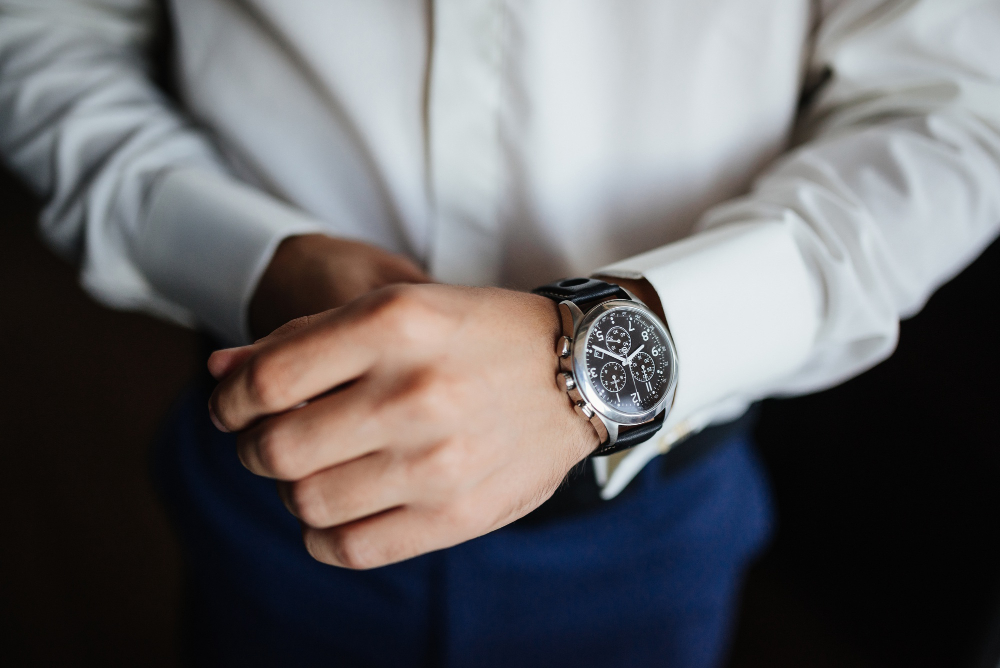
The second hand on a watch – why does it jump, move smoothly or stop?
The way the seconds hand moves can tell you a lot about a watch's movement, but it is not an infallible test. A single distinct jump per second most often points to quartz, several small movements per second are typical of a mechanical movement, and an almost continuous glide is associated with Spring Drive. There are exceptions, however: there is a quartz watch with a sweeping seconds hand, and a mechanical watch that makes exactly one jump per second. What is more, a stopped hand does not have to mean a fault. Check how to read these signals and when you really need a watchmaker's help.

How do you set an automatic watch? Date, time and time zone 21:00–3:00
An automatic watch does not need a battery, but it does require a little knowledge from its owner. Setting the time or date seems simple, yet the wrong moment or the wrong way of using the crown can affect how the movement works. Many questions concern changing the date at night, moving the hands backwards and restarting a watch after a longer break. Check how to set an automatic watch correctly, what to pay attention to with the crown and why people often talk about particular caution between 9:00 pm and 3:00 am.

Wodoszczelność 10 ATM i 20 ATM – czy możesz pływać i nurkować z takim zegarkiem?
Co naprawdę oznacza 10 ATM lub 20 ATM na zegarku i czy takie oznaczenie pozwala bez obaw wejść do basenu, morza albo nurkować? Same liczby mogą być mylące, dlatego sprawdź, jak czytać klasę wodoszczelności i dobrać zegarek do aktywności w wodzie.
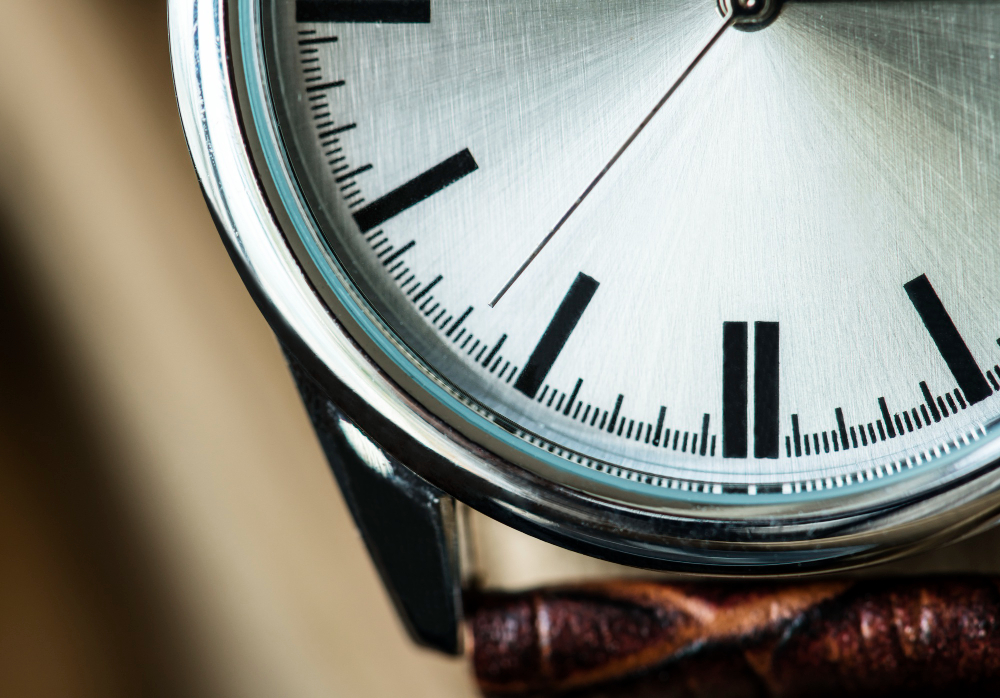
Water resistance 3 ATM – what does it mean and what can you do with it?
3 ATM water resistance means the watch is prepared above all for rain, accidental splashes and brief contact with water during everyday activities. It does not mean that you can swim with it, shower in it or submerge it to a depth of 30 metres. It is precisely the “30 m” marking that most often misleads. It is the result of a pressure test carried out under controlled conditions, not a declared working depth. So if you see 3 ATM, 3 bar or Water Resistant 30 m on the case back or in the specification, treat the watch as resistant to everyday moisture, but not as a watch for water activities.

Rolex-style watches – the best alternatives to the Submariner, Explorer and Datejust
For years Rolex has been one of the most important style benchmarks in the watch world, but its price is not within everyone's reach. That is why it is worth looking at watches similar to Rolex and models inspired by its styling, which offer their own character, solid build quality and much more affordable prices. We are not talking about counterfeits here, but about legitimate watches from other brands that draw on similar solutions and design language. Check out watches inspired by Rolex's style and choose the model that suits your style and budget.
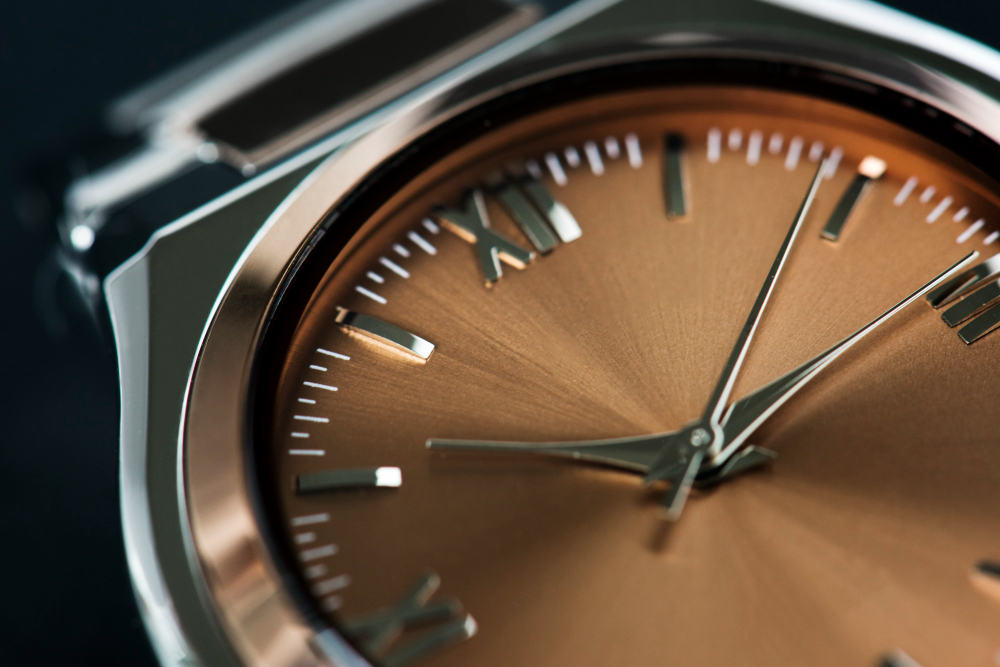
A bronze watch – why does each one change over time?
A bronze watch stands out because its appearance changes along with its owner. The case gradually darkens, turns matte and develops a patina, so two identical models can look completely different after just a few months. This is the greatest advantage of bronze, but also a trait you need to accept before buying. If you expect a watch that keeps its factory shine for years, steel may be a better direction. If, on the other hand, you like vintage looks, signs of use and the natural ageing of a material, bronze gives an effect that is hard to achieve in any other metal.