



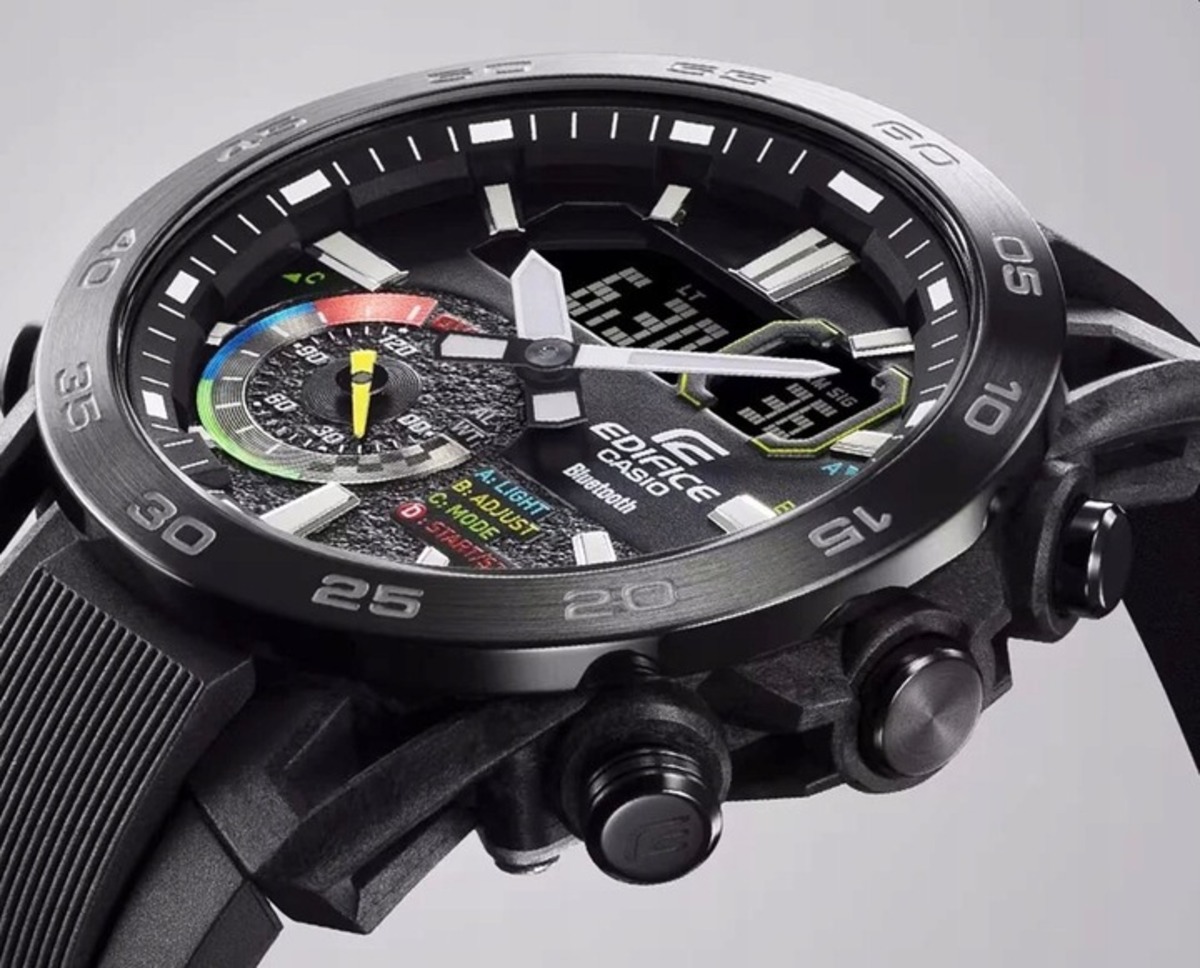
Types of watch glass - learn the differences between mineral, sapphire and acrylic
Choosing the right glass in a watch is more than just a matter of aesthetics - it's a decision that affects the durability, comfort and daily use of the timepiece. Whether you're considering mineral, sapphire or acrylic glass, it's worth learning about their strengths and weaknesses in order to make an informed choice - and not just "by eye."
Mineral or sapphire? Find out which watch glass will survive everyday life unscathed
On a daily basis, you don't pay attention to how many times your watch snags on something on the run - a doorknob, a table, a backpack, a corner of a cabinet. And then suddenly comes that moment when you look at the dial and see.... a scratch. And here comes the key question: mineral or sapphire glass? If you choose the wrong one, then even the most expensive mechanism and the most beautiful strap won't help - the dial stops looking like new, and the watch loses all its charm.
Mineral glass is definitely more flexible and therefore does not break so easily when falling. It is able to cushion some of the force, which is why it is often used in everyday watches. But unfortunately - this also means that it is more prone to scratches. Sapphire glass, on the other hand, is almost impossible to scratch, but for that it is more fragile - a stronger impact can shatter it. Everyday use, then, is a balancing act: if you move around a lot, play sports, constantly hook your hand on something - it may be better to bet on hardened mineral glass. If, on the other hand, you want something classic, worn occasionally and you care about looking perfect for years - sapphire glass will be a hit.
There's no one answer for everyone - the types of watch glasses respond to different needs and lifestyles. So if you're wondering which one will survive your daily life, first look at what situations you actually wear the watch in and what you expect from it.
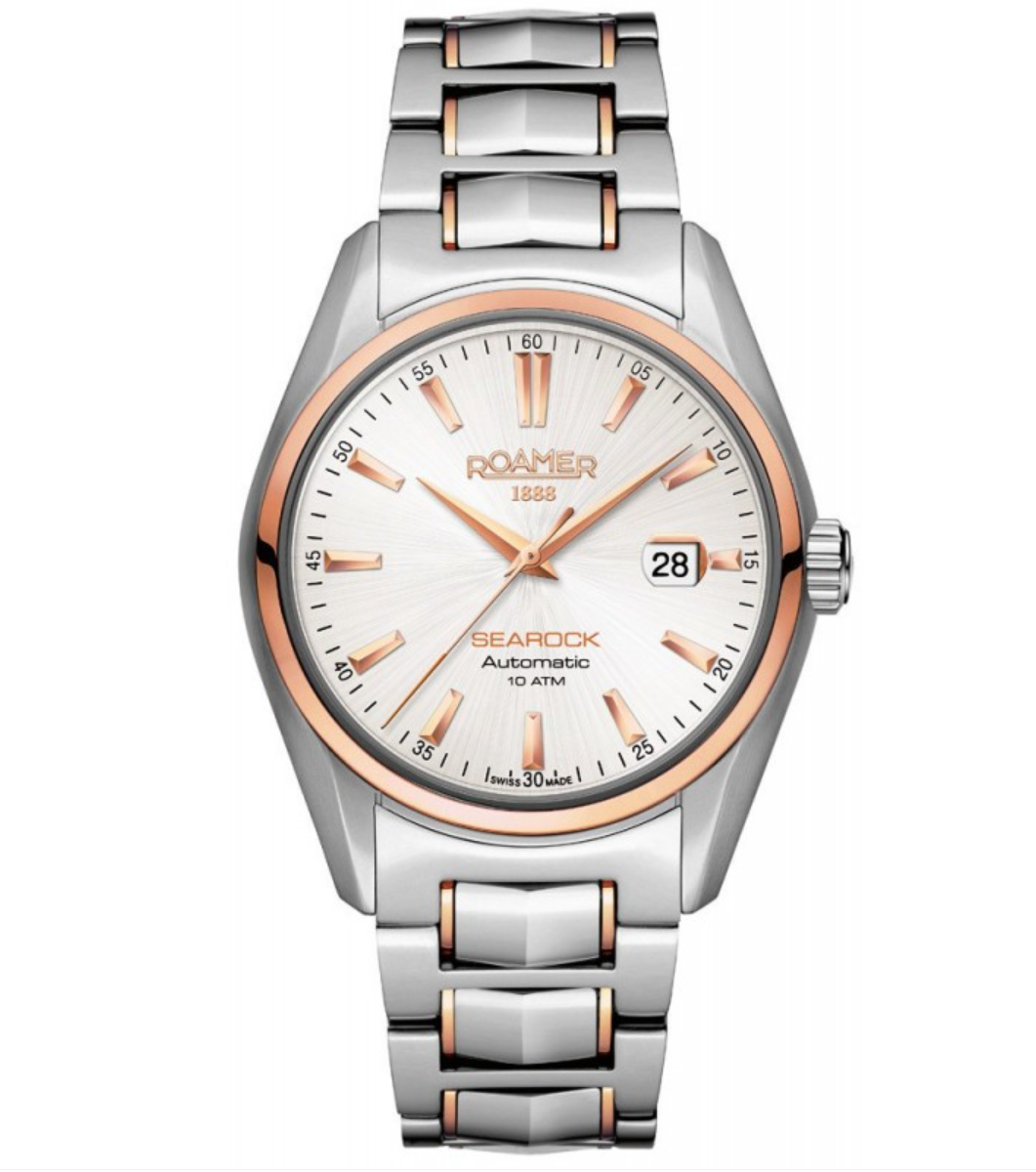
The Roamer Searock Automatic 210633 49 25 20 is an elegant Swiss watch with automatic movement, sapphire crystal glass and 10 ATM water resistance, which impresses with a sophisticated combination of steel and rose gold.
Don't be fooled by the shine - here's what really counts in a watch glass
At first glance, most glasses look similar - smooth, shiny, clear. But this is where the biggest pitfall lies. Because although you may think that every glass in a watch works the same, the reality is quite different. Hardness, temperature resistance, polishability and even weight - all these make a difference. And more than it might seem at first glance.
The Mohs scale is something worth knowing, even if you are not a watch freak, and it will help you understand why some watches look like new after years, while others have visible scratches after just a few weeks. Mineral glass falls somewhere in the middle - not too hard, not too soft. Sapphire glass is a nine on this scale - second only to diamond. But the higher the hardness, the lower the resistance to breakage. In contrast, the acrylic glass in the watch has a hardness of barely 1-2, but can withstand a solid impact without any damage.
So, if you care about more than just a shiny effect under the light, look deeper. The types of glasses in watches differ more than the gloss shows. It is worth taking a moment not to be tempted only by the appearance - what counts is what is "inside", or rather - what is outside, but invisible at first glance.

CASIO G-SHOCK Bluetooth Step Tracker GBD-200-2ER is a durable sports watch with pedometer function and scratch-resistant mineral glass, perfect for daily challenges and an active lifestyle.
Acrylic glass – plastic failure or brilliant choice for active people?
Many people dismiss acrylic right off the bat because it sounds cheap and... plastic-y. What a shame, because acrylic glass in a watch can really surprise you positively – especially when impact resistance matters to you. We're not talking about luxurious appearance or prestige here, but practical use. Acrylic is a lightweight, flexible material that easily absorbs shock, and instead of cracking, it simply deforms slightly. That's a huge advantage if your watch often lands on the floor, hits the edge of a cabinet, or you wear it while cycling or running.
Yes, it's true – acrylic scratches easily. But unlike sapphire or mineral glass, most scratches can simply be... polished out. All you need is the right compound and a bit of patience. What's more, hesalite crystals are often found even in cult models, like Omega's Moonwatch, where they're deliberately kept to preserve the historical character.
It's the perfect option for sports watches or for people who simply value practicality over flashiness. Not every model needs to look like an exhibit in a jewelry showcase – sometimes what matters is that the watch simply endures more than it appears to. So if you're looking for something lightweight, shock-resistant, and hassle-free to maintain – acrylic is definitely not a "plastic failure."
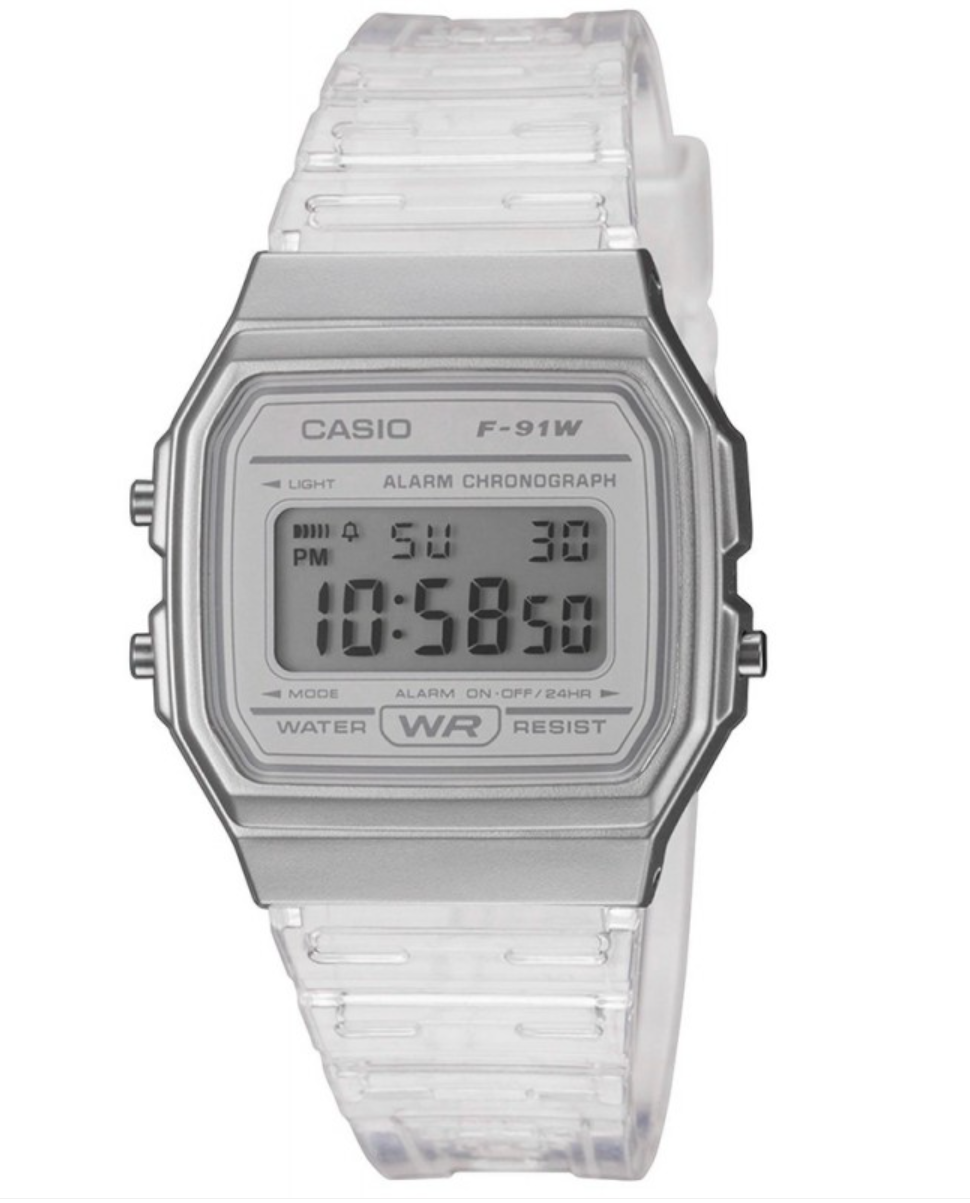
Casio Vintage F-91WS-7EF is a lightweight and stylish watch in a semi-transparent version with classic retro design, equipped with digital display, alarm and stopwatch functions, and acrylic glass.
Before you buy a new watch – see which glass best fits your lifestyle
A watch is more than just a tool for checking time. It's an element of your style, and often a daily companion in everything you do. That's why before you decide on a specific model, it's worth looking not only at the movement, but also at... the glass. What glass in a watch will be best? It mainly depends on you and your lifestyle.
If you work at a desk every day, your risk of damaging the watch is lower. In such a situation, sapphire glass can be ideal – elegant, transparent, scratch-resistant. On the other hand, if you travel frequently, work physically, or simply tend to be "hands-on everywhere," mineral glass will work better – cheaper, but more flexible and less prone to cracking. Or maybe you're looking for a watch for a child or something for workouts? Then acrylic glass will be a safe, flexible, and practical solution.
It's not worth buying a watch with your eyes only. Think about how you wear it, in what situations, and what's most important to you – durability, appearance, or maybe easy maintenance? Types of glass in watches aren't just technical differences – they're decisions that can affect daily comfort of use. So don't be afraid to ask questions, check, and choose consciously. In the online watch store WestWatches, you'll find a wide selection of models with different types of glass – from mineral, through sapphire, to hardened – matched to different needs, styles, and budgets.
Mohs scale in practice – what can scratch your glass and how to protect against it
If you want to really understand why your watch looks like it's been through a war after a few weeks, while your friend has worn his for two years without a single scratch – you need to know one thing: the Mohs scale. It's precisely what allows you to predict how scratch-resistant your watch glass will be. And although it sounds scientific, in practice it's quite simple.
The Mohs scale is a ten-point ranking of material hardness, where 1 is the softest and 10 is the hardest (diamond). Acrylic glass in a watch ranks very low – only 1–2, so you can scratch it even with your fingernail. Mineral glass scores 4–5 points, which means it can handle a bit more, but can still succumb to sharper objects. Sapphire glass rates a 9 – only diamond or something equally hard can scratch it. And this is exactly why men's and women's watches with such glass look so good even after years.
But be careful – high hardness is one thing, and resistance to shattering is another. Hard materials are brittle, so sapphire glass can crack upon impact, even if it has no scratches on it. So if you tend to bang your hand against everything within reach, hardness isn't the only parameter worth looking at. This is further proof that types of glass in watches have more nuances than they seem.
See popular articles
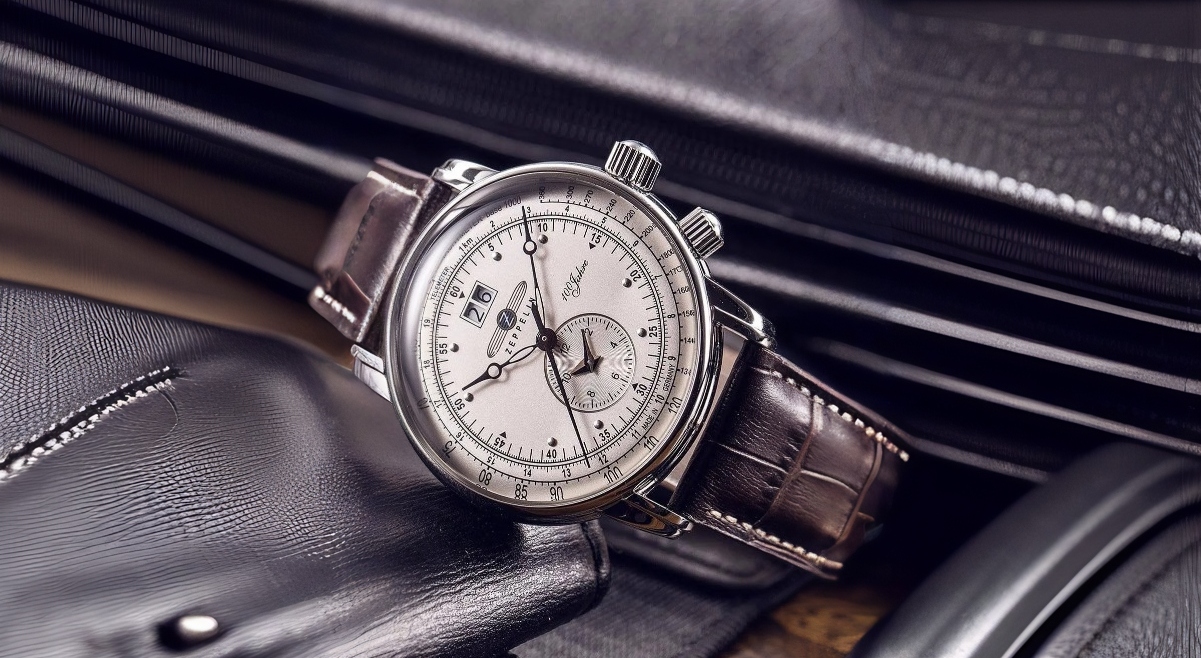
Watches for seniors – the top 5 gift ideas for older people
Choosing the right watch for a senior is more than just buying a practical accessory – it’s a decision that affects an older person’s comfort in daily life and their general well-being. This selection features models that combine readability, comfort and timeless style, whilst catering to a range of needs – from elegant classics to durable sports watches.
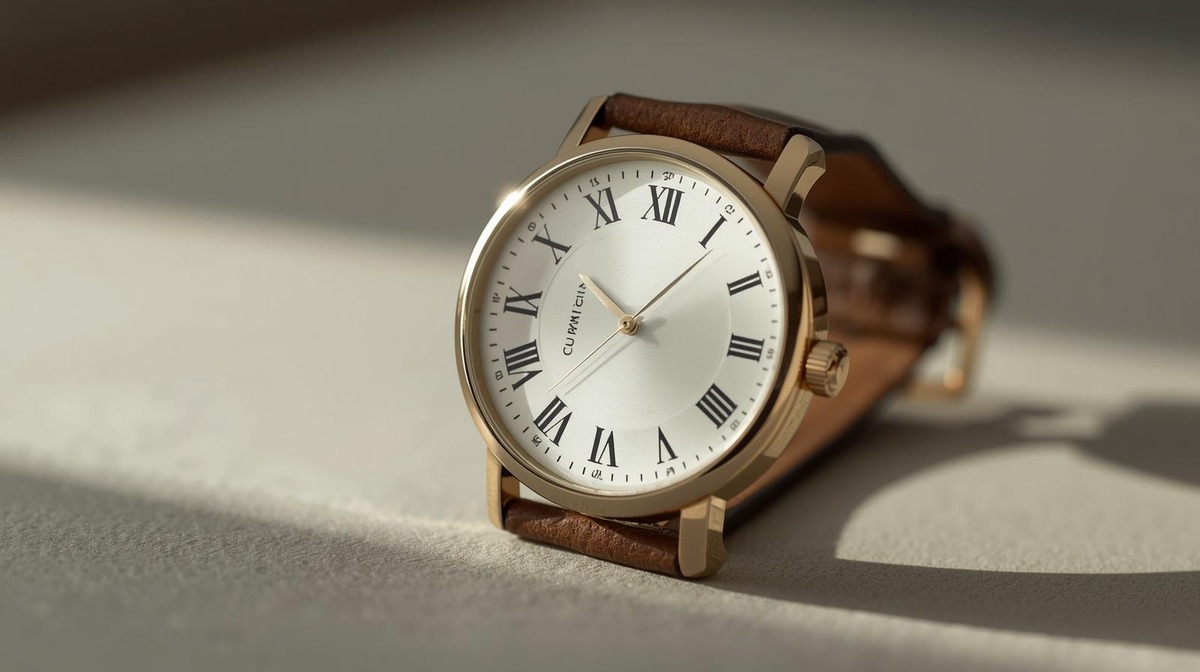
Which battery for a wristwatch – how not to confuse SR, LR and CR?
Choosing the right battery for your watch is a topic that often seems trivial… until you find yourself standing in front of a shelf full of different labels and have no idea what to choose. SR, LR, CR, numbers like 377 or 364 – they all look similar, yet the differences are huge and have a real impact on how your watch works. If you want to avoid making the wrong purchase and ensure your watch works exactly as it should, it’s worth learning a few simple rules that will clear up most of your doubts.
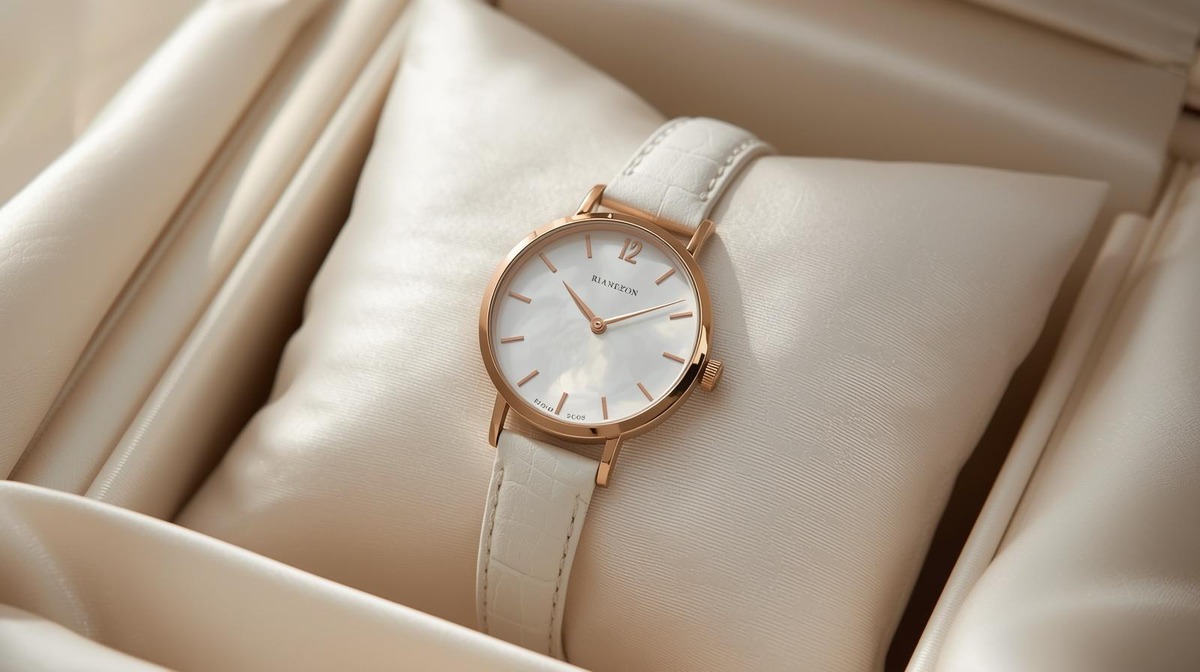
Watches for girls for First Communion – a ranking of the best gift options
First Holy Communion is a special occasion that deserves an equally special gift. A watch for a girl to mark her First Holy Communion is not only an elegant accessory, but also a keepsake for years to come – a symbol of growing up, personal style and those first important moments captured in time. In this guide, you’ll find suggestions that combine beautiful design, functionality and timeless appeal.
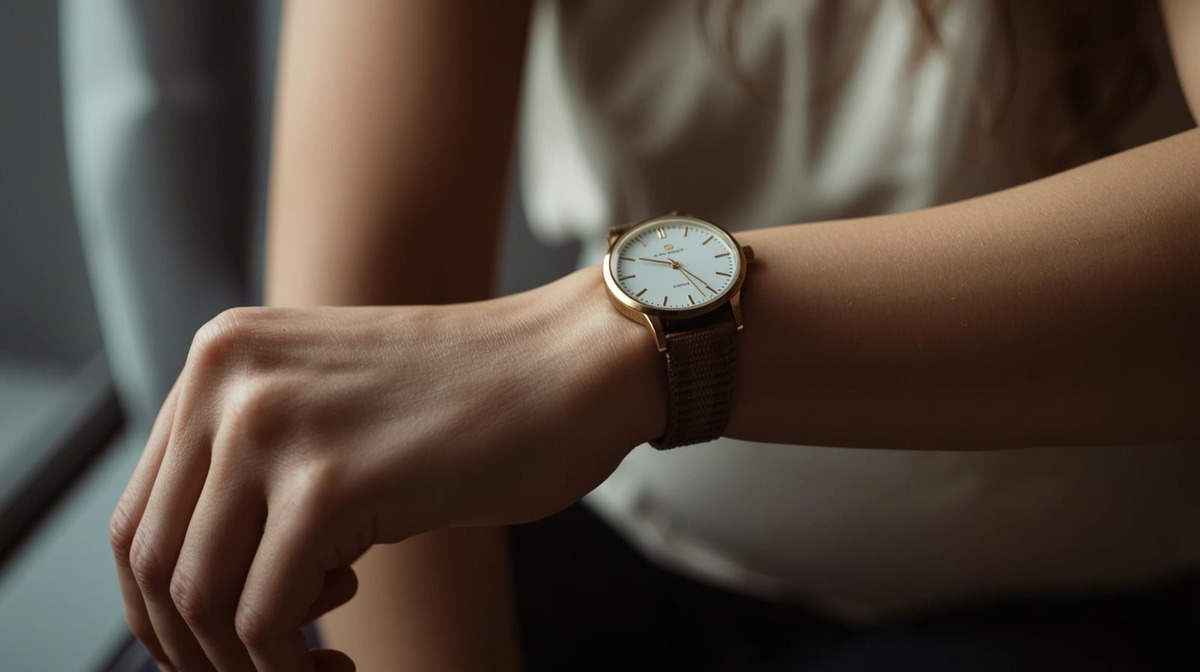
On which wrist should you wear a ladies’ watch? Find out what’s comfortable and what’s just a matter of habit
At first glance, it may seem like a minor detail, but in practice it can make a real difference. Choosing which wrist to wear a watch on isn’t just a matter of habit or fashion – it’s about comfort, functionality and how the watch fits in with your everyday lifestyle. Some people don’t even give it a second thought, whilst others try out different options before finding the right one. If there is any doubt as to whether there is a single ‘correct’ answer – it is worth dispelling it once and for all and looking at the matter from a practical perspective.
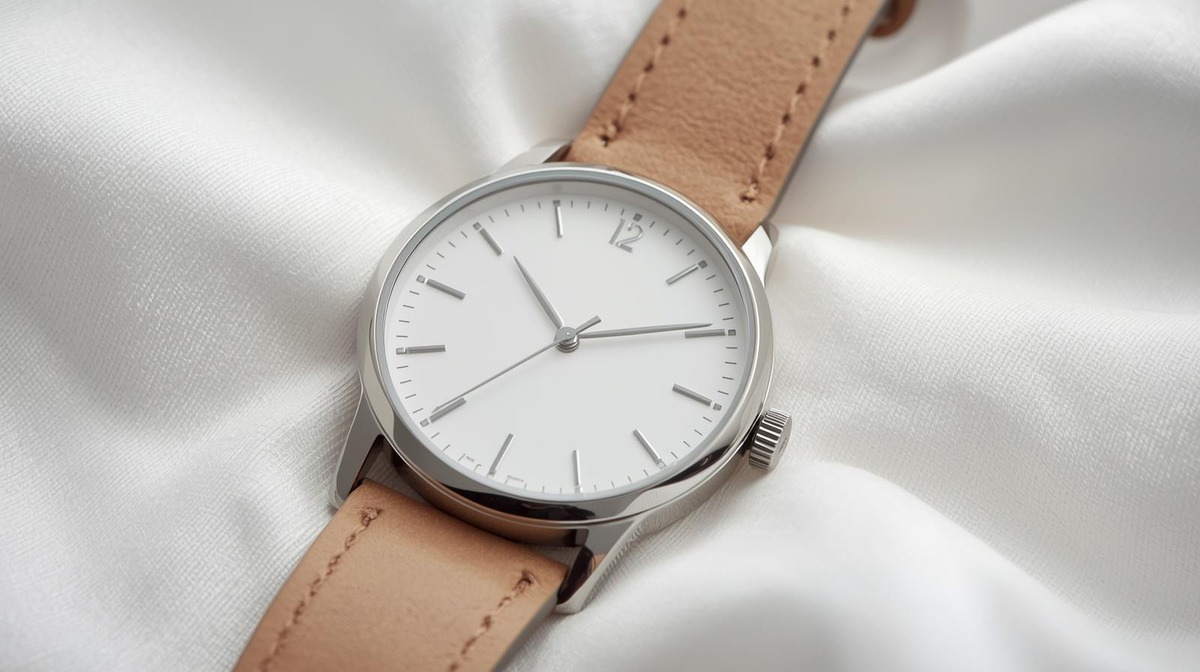
First Communion watches for boys – a ranking of the best models for a special gift that will last for years
which can be a companion for years to come. In this guide, we’ve compiled a selection of models that combine style, functionality and timeless appeal, making it easier to find the perfect watch for a boy – one that suits his age, interests and first ‘grown-up’ choices.
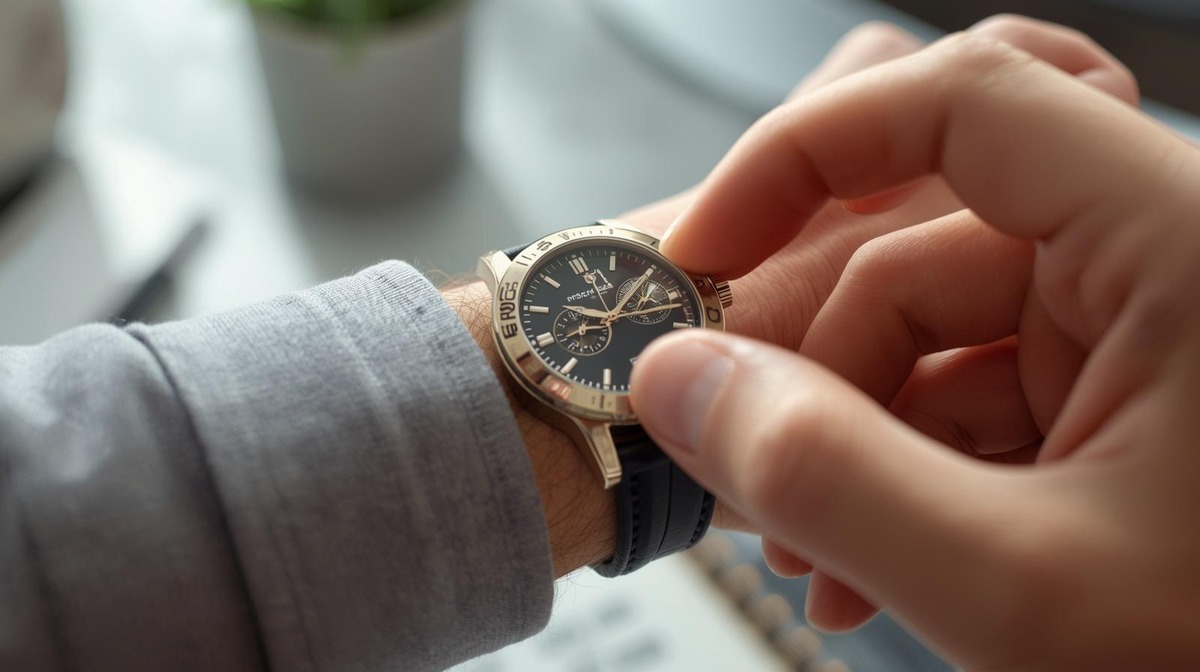
How do you adjust a watch that’s running fast?
Have you noticed that your watch is running fast and are starting to lose confidence in it? Don’t worry – this doesn’t necessarily mean there’s a serious fault. In many cases, it’s a natural characteristic of the mechanism or the result of minor factors that can be quickly diagnosed. Find out what to do if your watch is running fast, when observation is enough, and when specific adjustment or a visit to a watchmaker is needed.
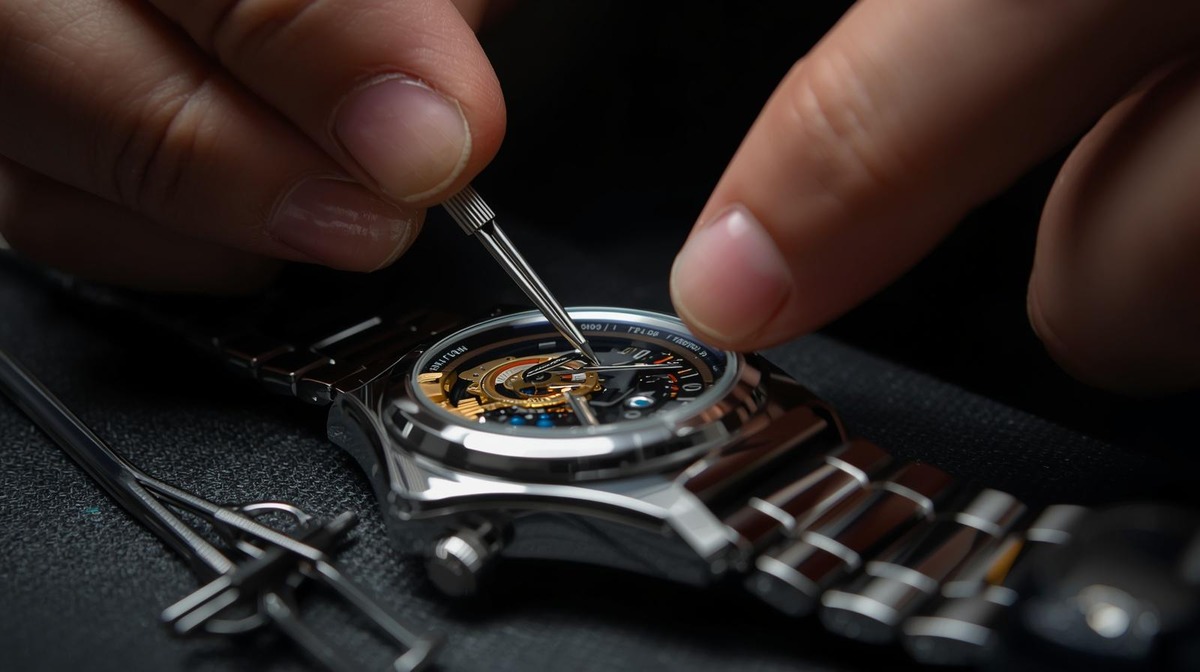
Replacing the battery and closing the watch – what should you watch out for?
Changing a watch battery seems like a simple task – a few minutes, a quick swap, and you’re done. In practice, however, this is a moment when it’s easy to make a small mistake that ends up costing far more than the battery itself. It’s not just about getting the watch working again, but about doing so in a way that’s safe for the movement, the case and… the water resistance. If you want to avoid common pitfalls and be sure that everything has been done properly – check out what you really need to pay attention to.
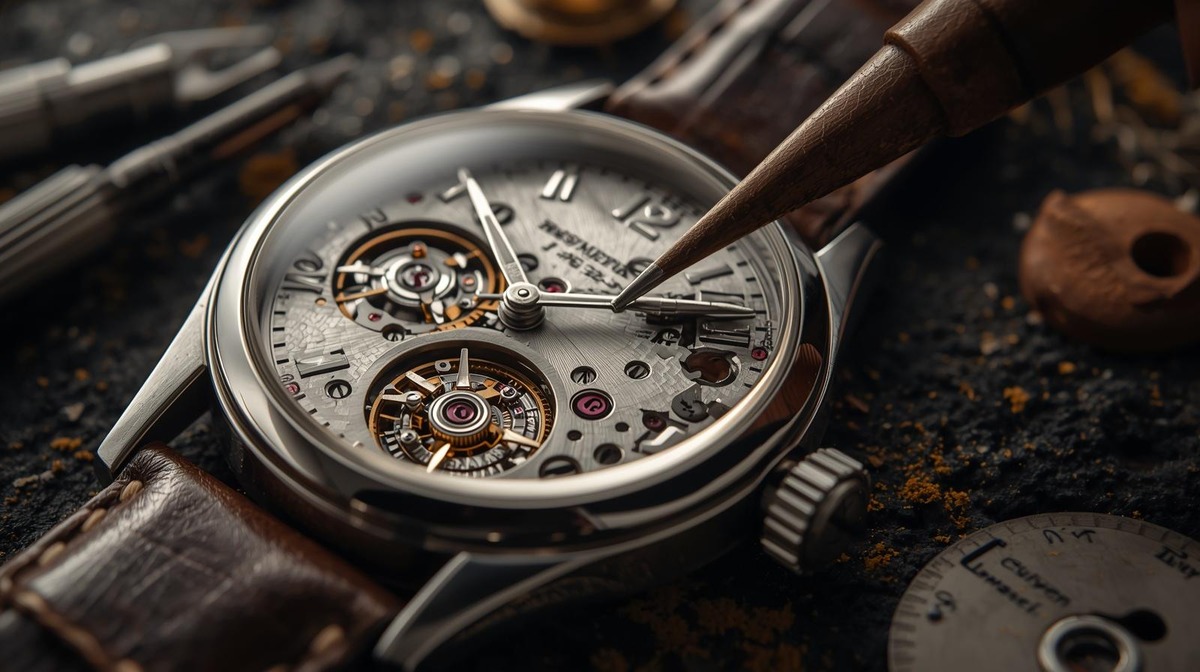
Watch dial restoration – when is it worth it, and when is it better to give it a miss?
Not every watch dial restoration is a good idea – sometimes you improve the appearance, but lose something far more important. The line between refreshing the look and losing the original character is a fine one, and a single decision can affect not only the aesthetics but also the value of the entire watch. If you’re wondering whether restoring watch dials makes sense in your case, it’s worth looking at the issue more broadly – not just in terms of ‘prettier’, but above all ‘better’.
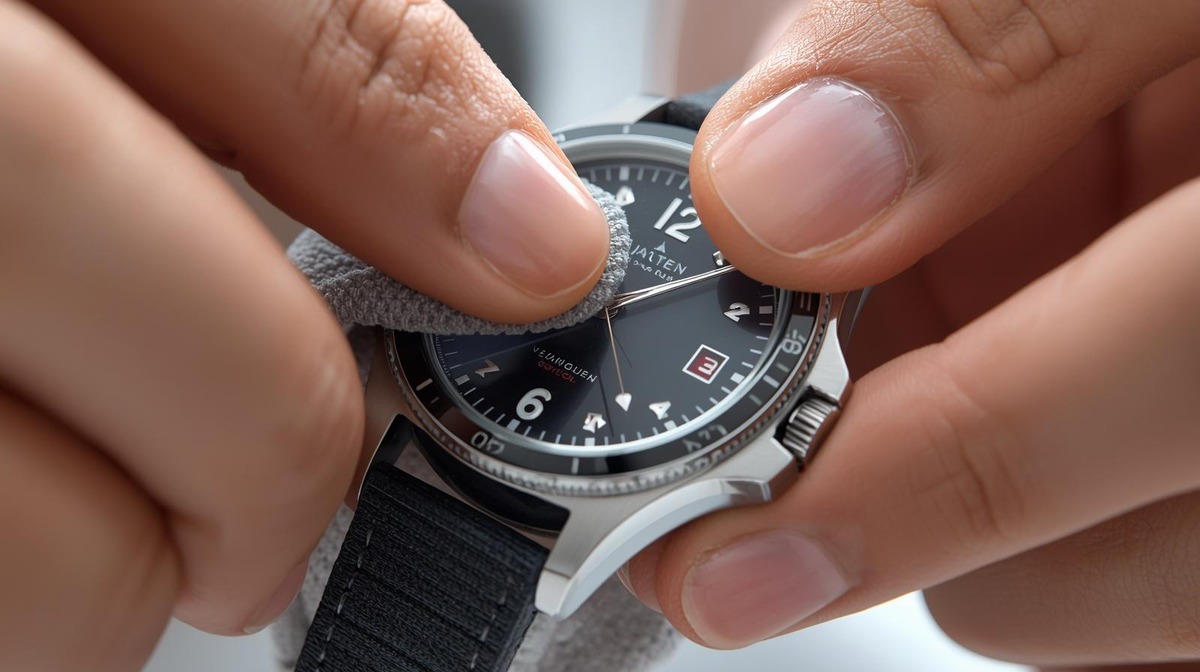
How can I clean my watch face without risking damage?
At first glance, it might seem like just a quick wipe of the glass – but in reality, it’s one of the most common mistakes, which can permanently ruin the appearance of your watch. If you want the dial to look as good as new for years to come, it’s worth knowing what to avoid at all costs and how to clean it safely – without the risk of scratches, tarnishing or costly repairs.