



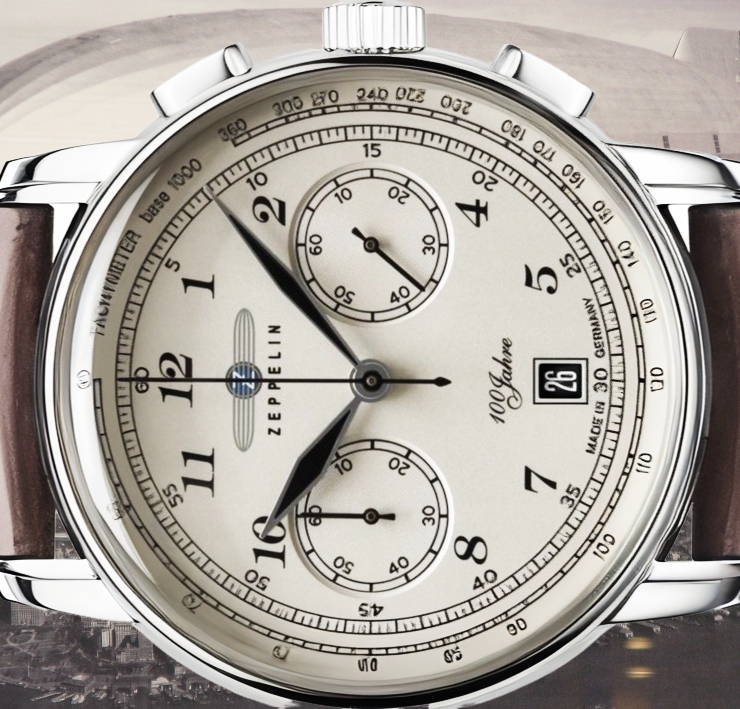
What are the markings on the watch face for and how do you read them?
Watches can hide more than they show at first glance. From subtle indices to advanced subdials – every detail has its meaning. If you've ever wondered what the markings on a watch dial are for and how to read them properly, this guide will clear up all doubts.
Watch dial markings without secrets – find out what they mean and how to read them like a professional
At first glance, everything looks quite simple – a dial, hands, numbers. But if you look more closely, watch dial markings can reveal much more than just the current time. It's the details that determine the functionality and style of a timepiece. Hour indices are not just elements that make reading easier – in many cases, their form can suggest the watch's purpose, e.g., sports, diving, or classic. Arabic numerals are the most legible, which is why they often appear in utility models. Roman numerals, on the other hand, are a nod to elegance and tradition, reserved rather for dress watches.
It's also worth paying attention to less obvious elements. Sometimes instead of numbers, you'll find so-called non-numeric indices, which take the form of simple lines (batons), dots, diamonds, or arrows. Each of these variants gives the watch a different character and contrary to appearances – is not chosen randomly. Understanding these markings can help you not only use your watch comfortably on a daily basis, but also better match the model to your lifestyle and aesthetic preferences. If you're looking for a timepiece for years to come, knowledge of these details really comes in handy.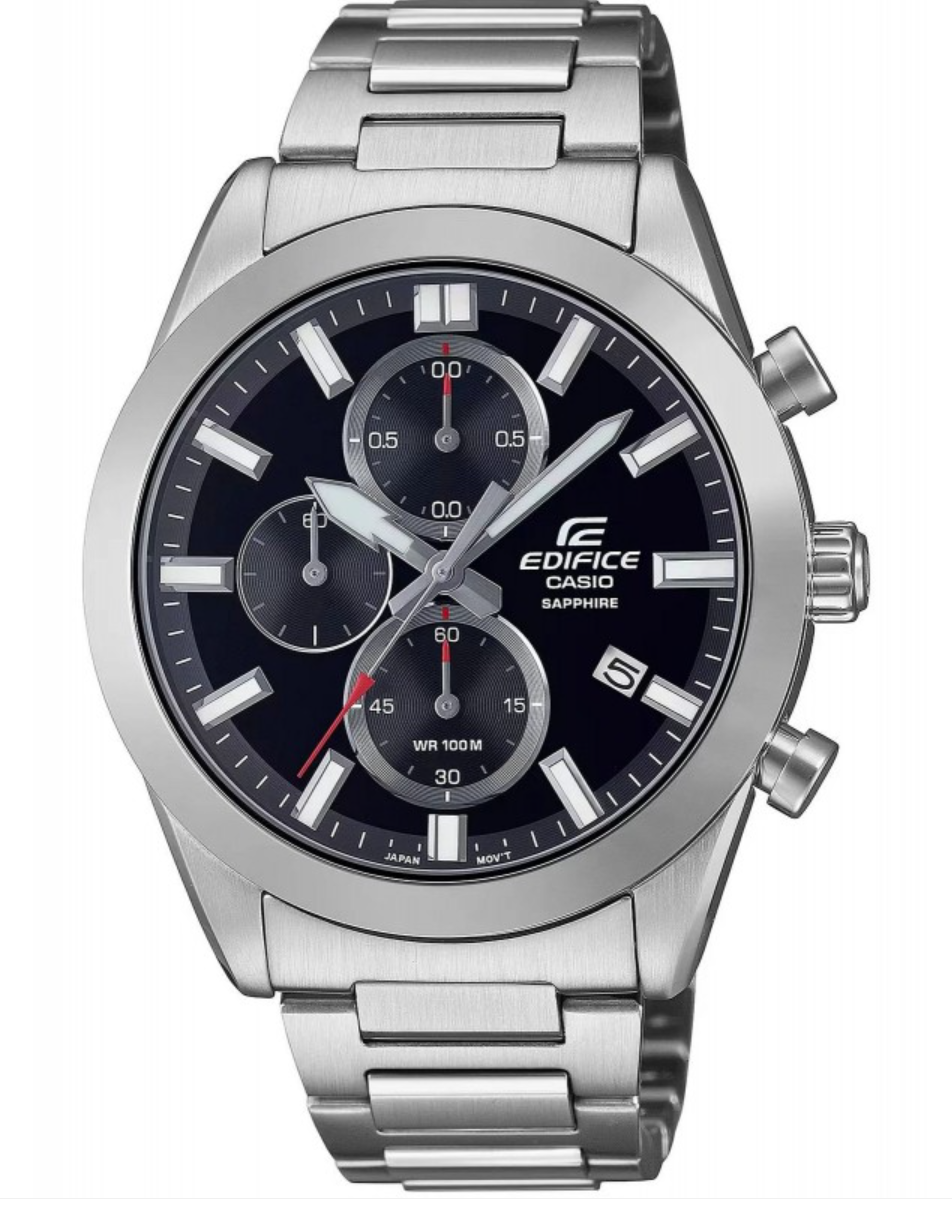
Casio Edifice Chronograph 41mm EFB-710D-1AVUEF is an elegant watch with sapphire crystal and precise chronograph that perfectly combines sporty character with classic style. The steel bracelet and 100m water resistance make it a reliable choice for everyday wear and special occasions.
What are the small dials on a watch for? Discover which ones show time and which show something more
Small circular cutouts, placed somewhere on the main dial, often look intriguing, but many people associate them more with decoration than with a specific function. Meanwhile, subdials are some of the most practical markings on a watch dial. If you've ever seen a model with three additional dials, it was most likely a chronograph – that is, a watch with a stopwatch function. Each subdial is responsible for something different: seconds, minutes, and sometimes even hours. In practice, you can therefore measure any time intervals without losing sight of the current time.
Some women's watches and men's watches offer more than just time measurement. On one of the subdials, you might see, for example, a power reserve indicator, which tells you how many hours of operation remain until the next winding of the quartz movement. In travel models, you'll find a second time zone (GMT) – ideal if you frequently change locations or work with clients from another continent. There are also dials showing moon phases – perhaps not very practical, but undoubtedly eye-catching and appreciated by collectors. And one more thing: not every "small seconds" is part of a chronograph – in many models, it works independently, indicating seconds with a completely separate mechanism.
Watch dial description – what does it say about the style, function, and class of a timepiece? Learn the signs that tell more than the hour
When choosing a watch, you usually look at the overall appearance, strap, maybe the brand. But it's precisely the watch dial description that reveals the most about its character and purpose. If a watch has a simple, uniform surface with classic numbers – it will probably pair well with formal styling. On the other hand, a more complex dial, full of details, hands, and markings, suggests a functional model, often with a sporty or specialized purpose. Also pay attention to the style and finish of the hands – they can be thin and elegant, like in Alpha-type watches, or massive and distinctive, like the popular "Mercedes" hand in diving watches.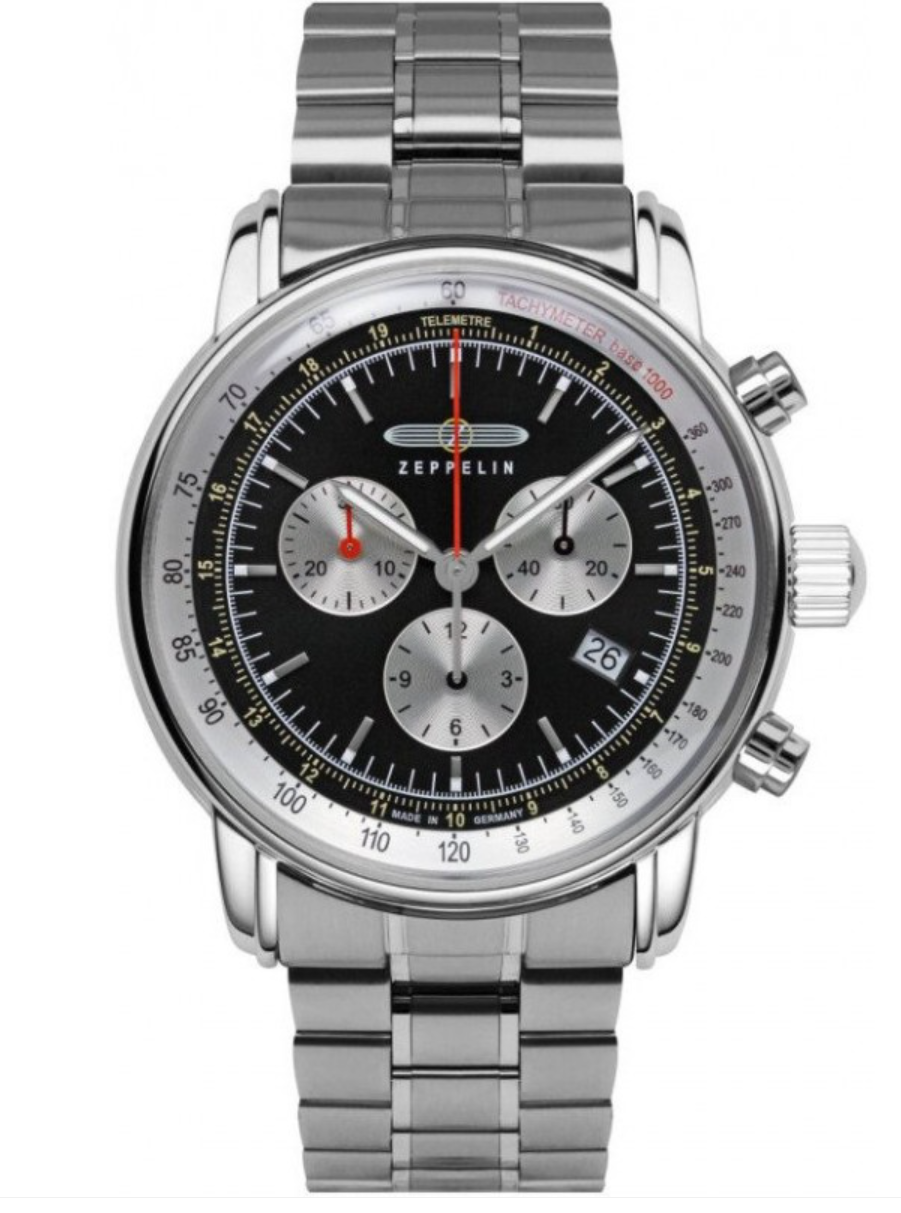
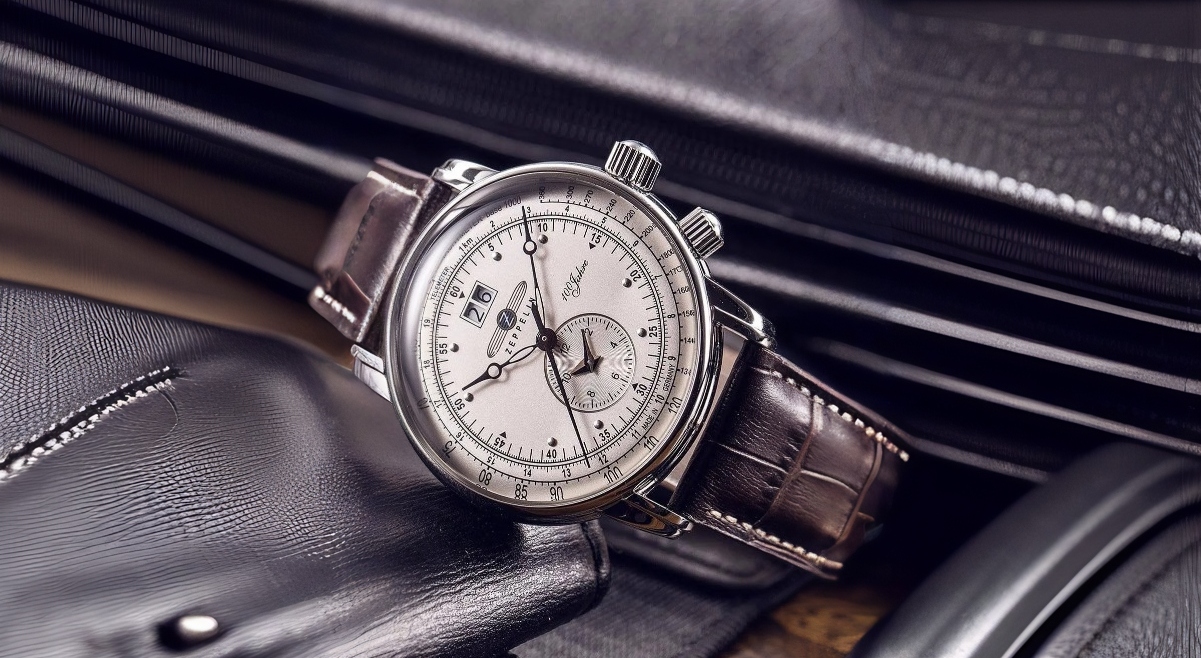
Zeppelin LZ14 Marine Chronograph 8888MB-2 is a watch for those who value precision, elegance, and technical details. It stands out not only with its classic appearance, but also with a functional dial featuring chronograph, tachymeter, and date display – all in perfect harmony.
Aesthetic elements that often indicate quality workmanship are also significant. Guilloché, decorative engravings on the dial, are used in more expensive models to give them depth and a luxurious character. Sunburst or perlage finishes are also not just for decoration – they can affect how light reflects off the dial surface, which in turn improves its legibility. If you want a watch that combines appearance with functionality, it's worth taking a moment to understand exactly how each dial element affects daily use and perception of the watch as a whole.
It's also worth paying attention to what type of crystal protects the watch dial. There are three most commonly encountered types – acrylic, mineral, and sapphire – and each has different properties. Sapphire crystal is the most scratch-resistant and used mainly in higher-end watches, while mineral is a compromise between durability and price, ideal for daily use.
What do the dials on a watch mean? From Super-LumiNova to open heart – discover fascinating symbols hidden on the dial
Men's watches and women's watches are not just tools for measuring time, but also small mechanical works of art, full of hidden functions and details. If you're wondering what the dials on a watch mean, look carefully – many of them carry more information than it might seem. Example? Watches with date displays – from classic windows showing the day of the month, to more advanced functions like perpetual calendars that automatically account for months of different lengths and leap years. In sports watches, you'll also encounter bezels with tachymeter or compass markings that allow you to measure speed or determine cardinal directions.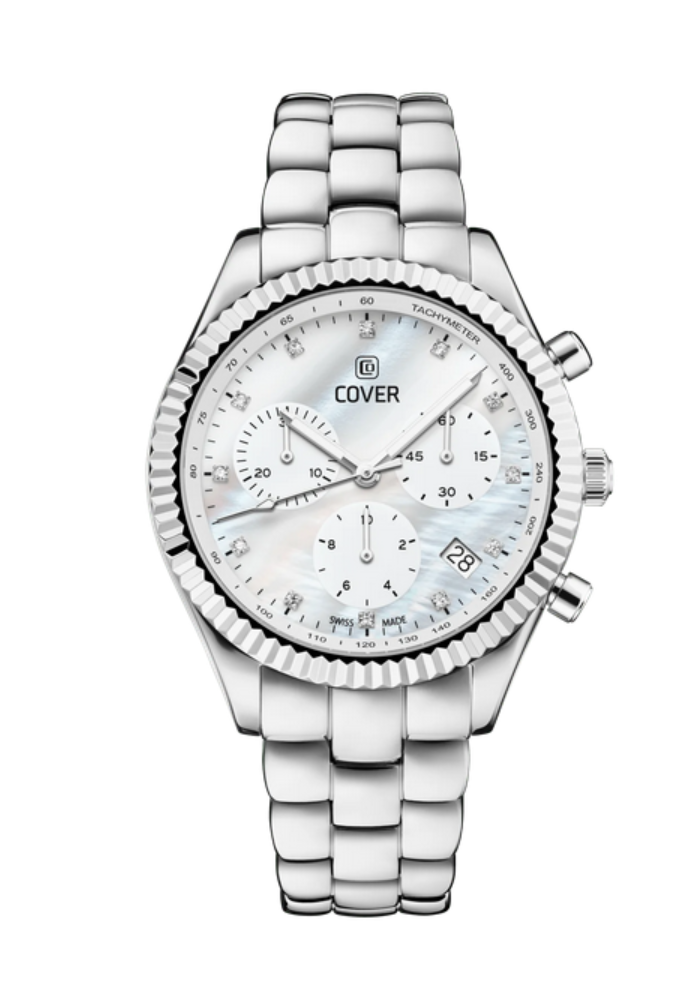
Cover Valentina 38mm CO207.03 is a luxury watch in gold finish, decorated with a mother-of-pearl dial and indices set with crystals. The elegant design combined with Swiss precision makes it an ideal accessory for special occasions.
And what if you want your watch to be readable in the dark? Then pay attention to the type of illumination. Super-LumiNova, Neobrite, or Tritium are different technologies that ensure visibility of markings even in complete darkness – and each works slightly differently. Additionally, there are open heart and skeleton solutions that allow you to peek inside the watch. These aren't just flashy tricks, however – in many cases, it's a conscious design decision that emphasizes the class of the movement and its precision. It's worth understanding these symbols because they give the watch character – and often affect its market value and practicality.

Krzysztof Szopa
Watch Expert
Expert associated with the WestWatches.pl brand, a place that has been providing watches for every occasion for years. Thanks to many years of experience in the watchmaking and jewelry industry, he passionately shares his knowledge, offering professional advice both in the online store and stationary shop. He specializes in selecting original watches, watch accessories, and jewelry products that combine exceptional quality with competitive prices. His goal is to help customers find the ideal product that will meet their expectations and emphasize their style.

See popular articles
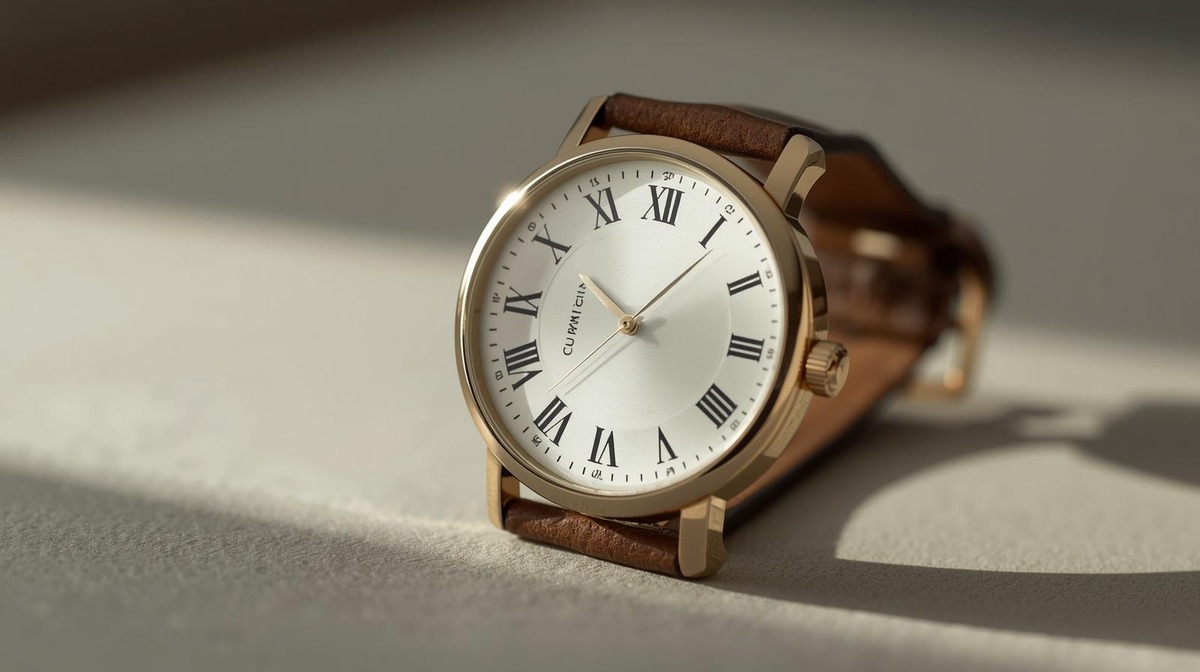
Watches for seniors – the top 5 gift ideas for older people
Choosing the right watch for a senior is more than just buying a practical accessory – it’s a decision that affects an older person’s comfort in daily life and their general well-being. This selection features models that combine readability, comfort and timeless style, whilst catering to a range of needs – from elegant classics to durable sports watches.
Which battery for a wristwatch – how not to confuse SR, LR and CR?
Choosing the right battery for your watch is a topic that often seems trivial… until you find yourself standing in front of a shelf full of different labels and have no idea what to choose. SR, LR, CR, numbers like 377 or 364 – they all look similar, yet the differences are huge and have a real impact on how your watch works. If you want to avoid making the wrong purchase and ensure your watch works exactly as it should, it’s worth learning a few simple rules that will clear up most of your doubts.
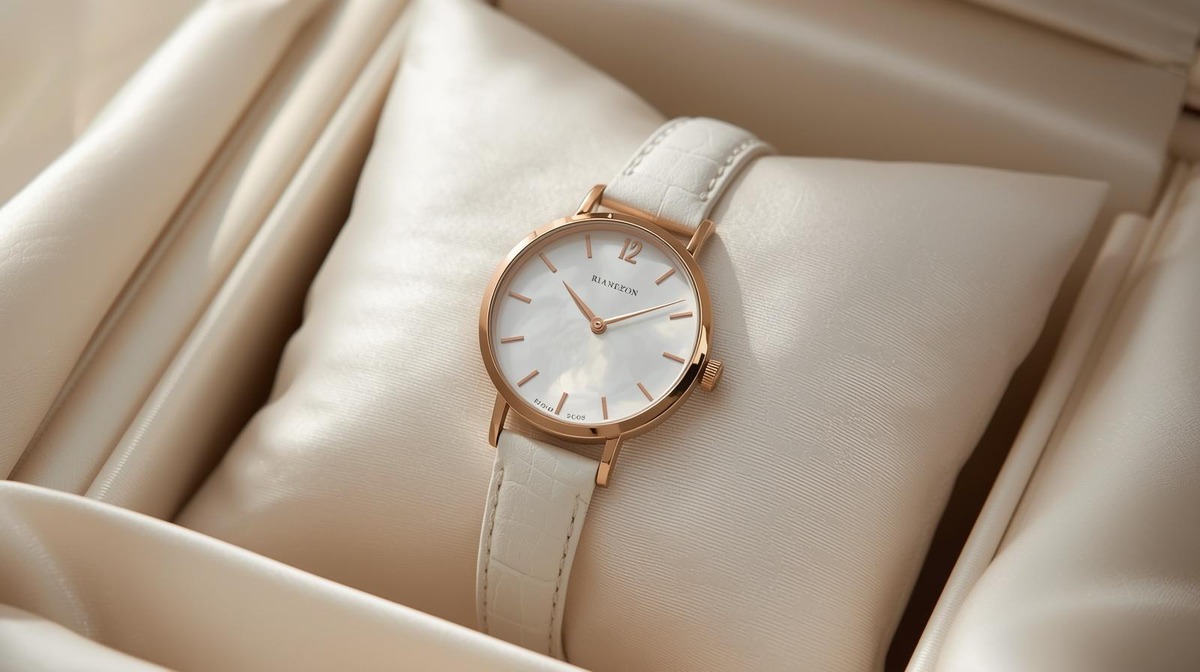
Watches for girls for First Communion – a ranking of the best gift options
First Holy Communion is a special occasion that deserves an equally special gift. A watch for a girl to mark her First Holy Communion is not only an elegant accessory, but also a keepsake for years to come – a symbol of growing up, personal style and those first important moments captured in time. In this guide, you’ll find suggestions that combine beautiful design, functionality and timeless appeal.

On which wrist should you wear a ladies’ watch? Find out what’s comfortable and what’s just a matter of habit
At first glance, it may seem like a minor detail, but in practice it can make a real difference. Choosing which wrist to wear a watch on isn’t just a matter of habit or fashion – it’s about comfort, functionality and how the watch fits in with your everyday lifestyle. Some people don’t even give it a second thought, whilst others try out different options before finding the right one. If there is any doubt as to whether there is a single ‘correct’ answer – it is worth dispelling it once and for all and looking at the matter from a practical perspective.
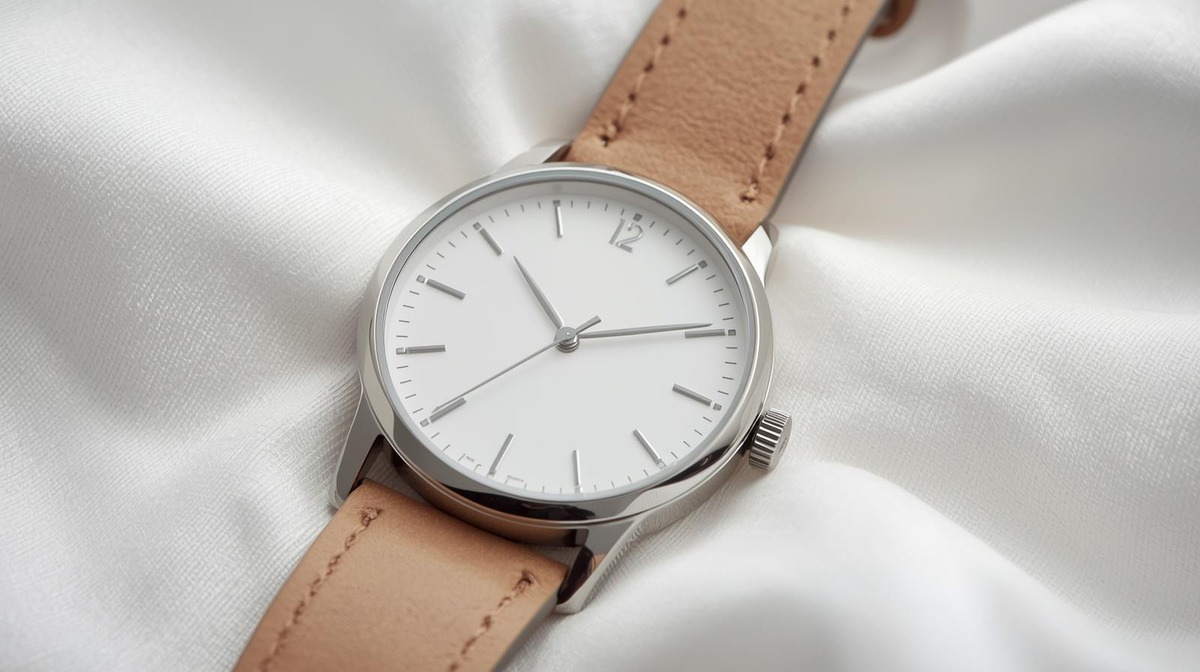
First Communion watches for boys – a ranking of the best models for a special gift that will last for years
which can be a companion for years to come. In this guide, we’ve compiled a selection of models that combine style, functionality and timeless appeal, making it easier to find the perfect watch for a boy – one that suits his age, interests and first ‘grown-up’ choices.
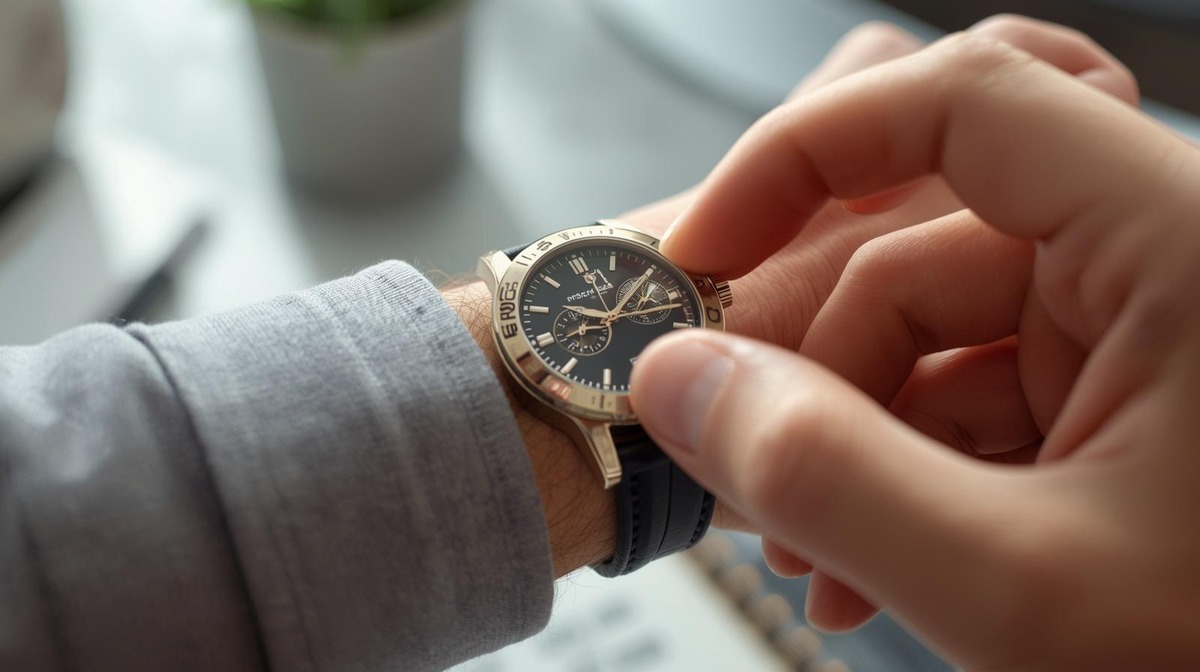
How do you adjust a watch that’s running fast?
Have you noticed that your watch is running fast and are starting to lose confidence in it? Don’t worry – this doesn’t necessarily mean there’s a serious fault. In many cases, it’s a natural characteristic of the mechanism or the result of minor factors that can be quickly diagnosed. Find out what to do if your watch is running fast, when observation is enough, and when specific adjustment or a visit to a watchmaker is needed.
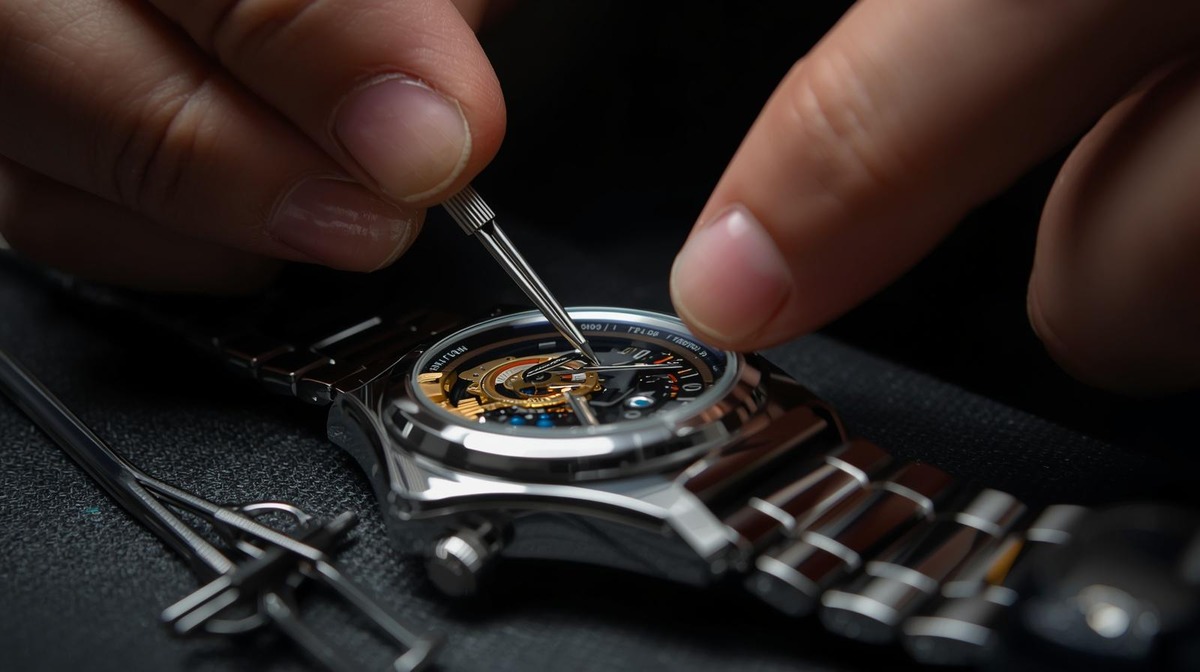
Replacing the battery and closing the watch – what should you watch out for?
Changing a watch battery seems like a simple task – a few minutes, a quick swap, and you’re done. In practice, however, this is a moment when it’s easy to make a small mistake that ends up costing far more than the battery itself. It’s not just about getting the watch working again, but about doing so in a way that’s safe for the movement, the case and… the water resistance. If you want to avoid common pitfalls and be sure that everything has been done properly – check out what you really need to pay attention to.
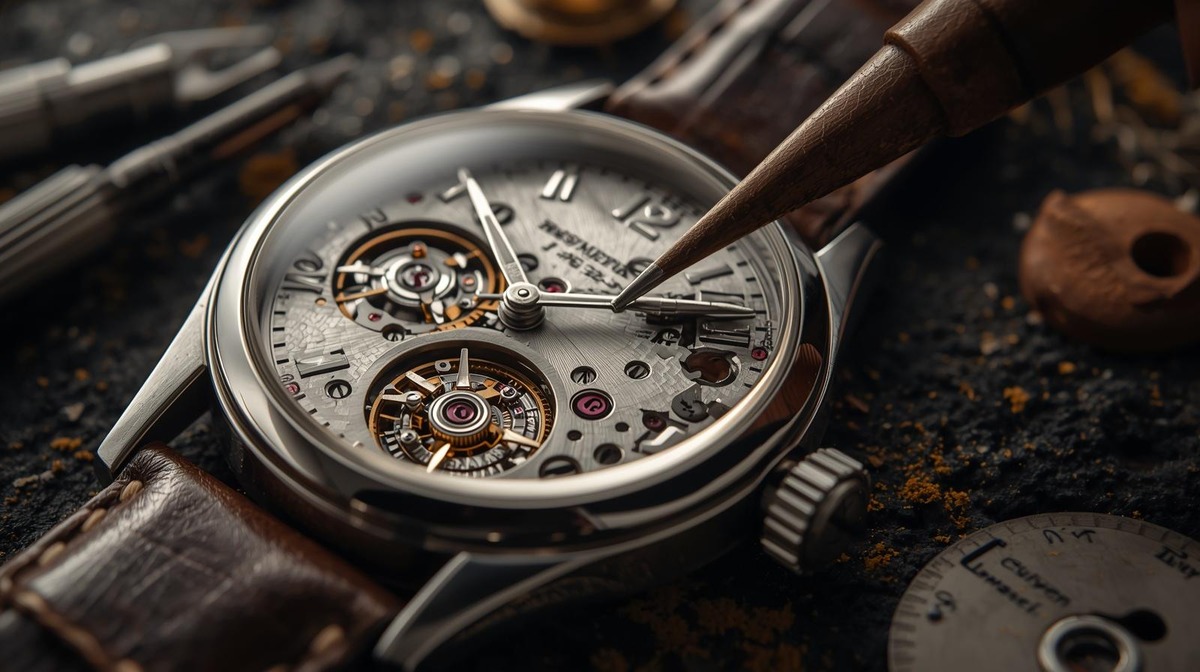
Watch dial restoration – when is it worth it, and when is it better to give it a miss?
Not every watch dial restoration is a good idea – sometimes you improve the appearance, but lose something far more important. The line between refreshing the look and losing the original character is a fine one, and a single decision can affect not only the aesthetics but also the value of the entire watch. If you’re wondering whether restoring watch dials makes sense in your case, it’s worth looking at the issue more broadly – not just in terms of ‘prettier’, but above all ‘better’.
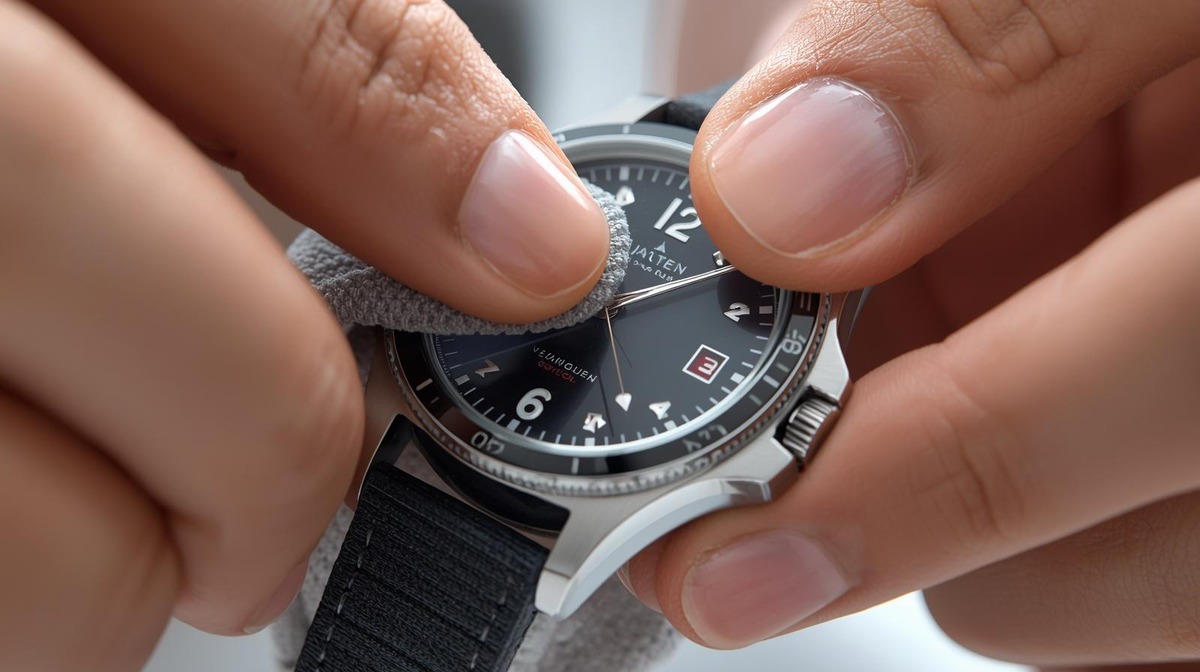
How can I clean my watch face without risking damage?
At first glance, it might seem like just a quick wipe of the glass – but in reality, it’s one of the most common mistakes, which can permanently ruin the appearance of your watch. If you want the dial to look as good as new for years to come, it’s worth knowing what to avoid at all costs and how to clean it safely – without the risk of scratches, tarnishing or costly repairs.