



How to choose a watch for extreme sports?
An extreme sports watch is more than just a gadget. It is your mobile command center – durable, precise, and reliable when conditions become uncomfortable. If you are planning trekking, climbing, diving, or intensive field work, a well-chosen model can determine not only your comfort but also your safety. How to choose one, what to look for, and which features really matter? Check out this practical guide created for those who are not afraid of challenges.
Not every watch can survive a storm – find out which watches for active people can handle extreme conditions
If you're going on an expedition where mud, rain, dust, and impacts are the norm, you can't rely on a regular smartwatch. An expedition watch should be designed to withstand much more than accidental splashes in the kitchen. Every detail counts here – from the type of case, through the glass, to the way the mechanism is protected against external factors. Models made of hardened resin, titanium, or stainless steel are the minimum if you plan on doing anything more than walking in the park.
Many users of men's sports watches only realize this after the fact – when the device breaks on the first fall or stops working after brief contact with water. Meanwhile, G-shock watches have been proving for years that they are designed for those who do not accept compromises. MIL-STD-810G standards and water resistance of 10-20 ATM are not marketing slogans, but a real guarantee that the watch will withstand shocks, vibrations, extreme temperatures, and large pressure differences.
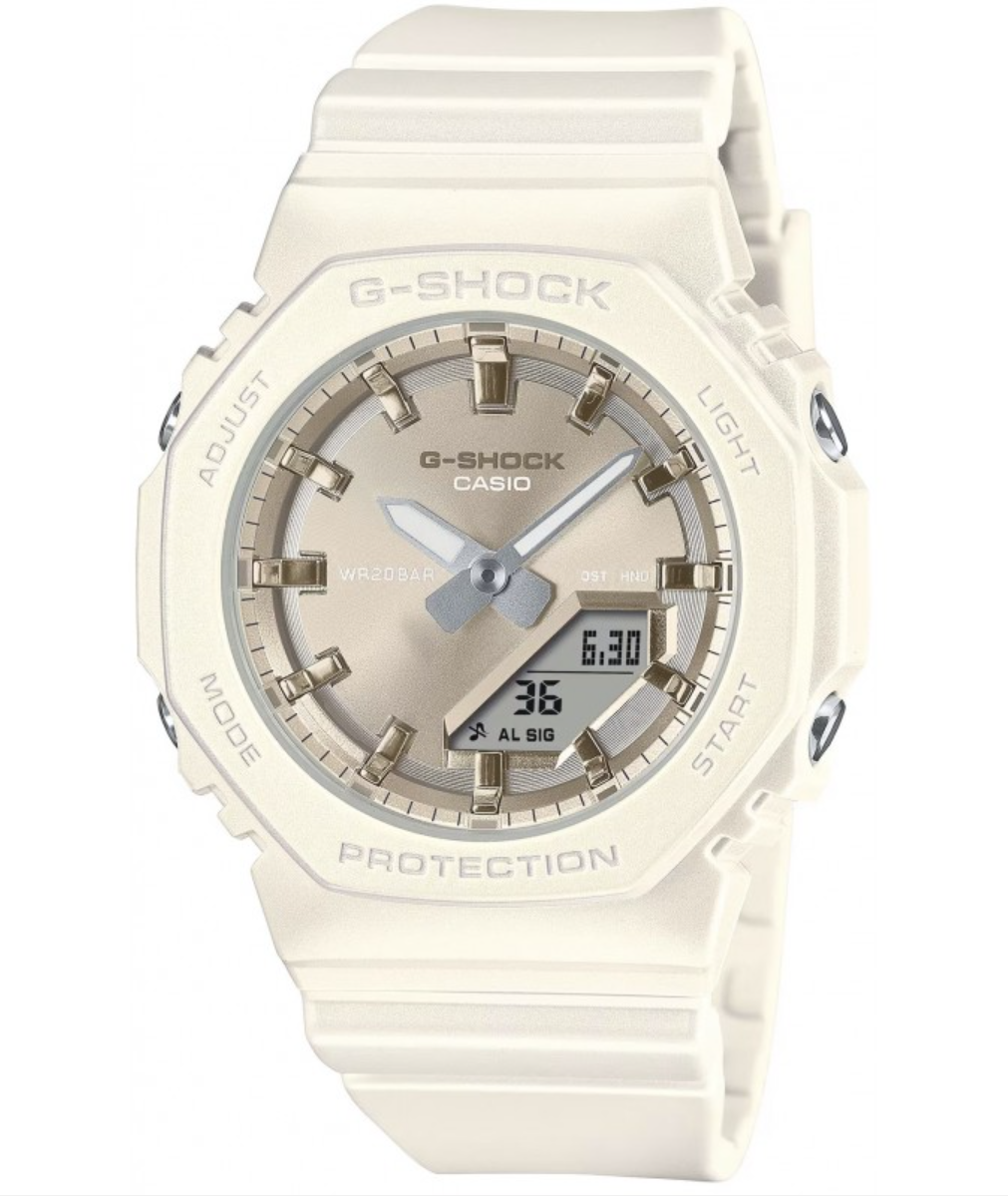
Casio G-Shock Women 40mm GMA-P2100ST-7AER is a stylish and exceptionally durable watch for women, combining elegant pearl colors with shock resistance and water resistance up to 200 m. Ideal for active women who value a combination of functionality and fashionable design.
A watch for special tasks must also have a durable face – sapphire crystal or Gorilla Glass is now standard for models that will survive more than one season of outdoor adventures. If you have been on more than one climb or had an intense day of work in the field, you know how quickly a regular watch can lose its functionality. That's why you shouldn't buy one at random – invest in a watch for active people, designed to survive where most electronics fail.
Does your watch know where you are? If not, you have a problem.
A durable case is useless if it lacks efficient and precise navigation. In extreme conditions, it is location, the ability to find your way back, and access to offline maps that determine your safety. A watch for athletes cannot rely solely on a single GPS band – today, the absolute minimum is multi-band GNSS, which works with systems such as GLONASS, Galileo, and Beidou. Only then can you count on signal stability even in ravines, dense forests, or high mountains.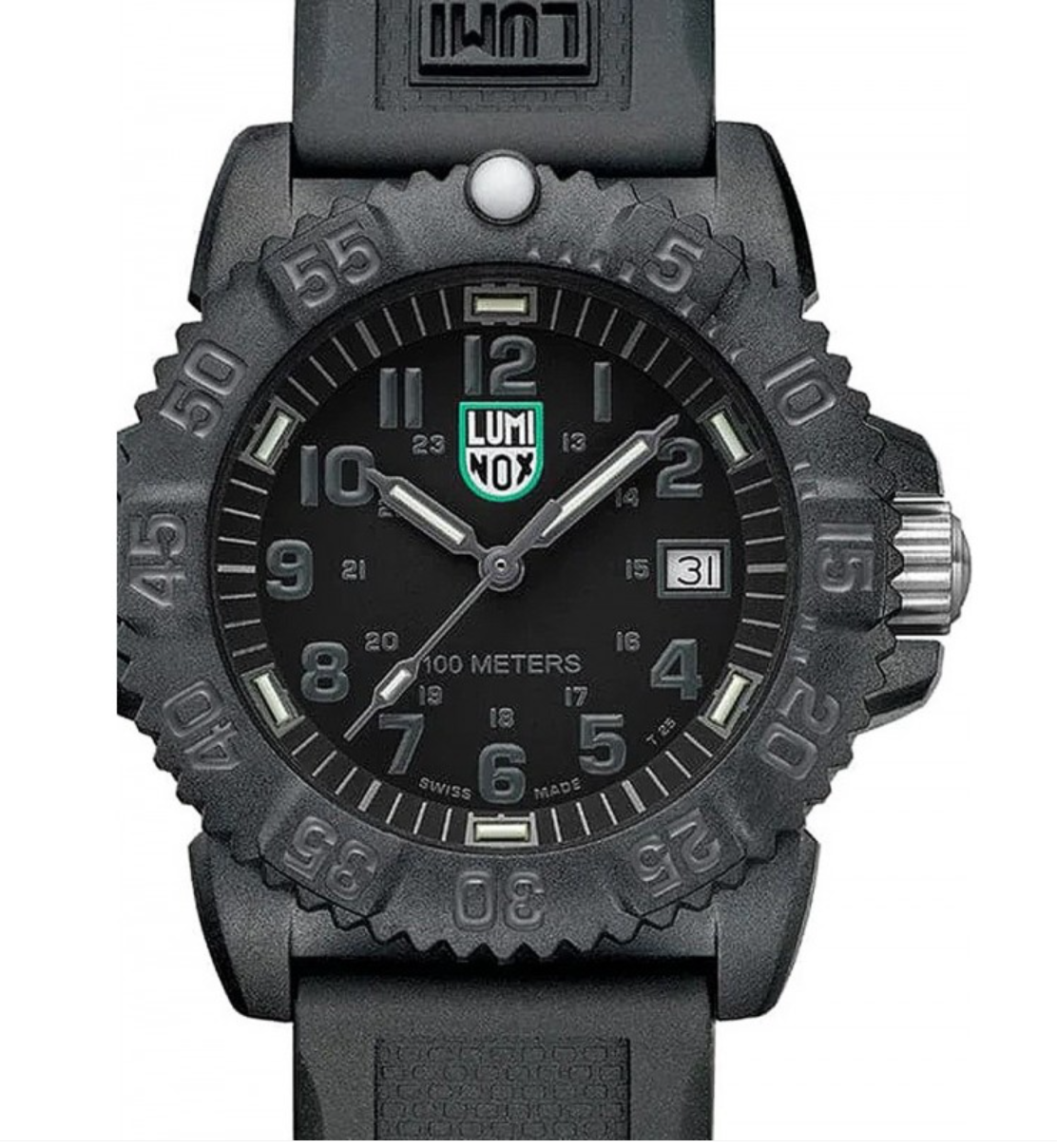
The Luminox Sea Lions X2.2072 is a rugged tactical watch with 100 m water resistance, designed for reliability in all conditions. Its all-black design with tritium illumination ensures readability both day and night.
It's not just about knowing where you are. Features such as turn-by-turn navigation, trackback, topographic maps, and route planning are elements that have a real impact on the comfort and safety of traveling in difficult terrain. These are not gadgets—they are life-saving systems that can make a difference in an emergency.
When choosing a watch for physical work or mountain expeditions, you need to choose a device that knows more than you do – or at least tells you where you are, where to go next, and how to get back quickly. Even the best physical condition cannot replace an efficient GPS watch when your sense of direction begins to fail and weather conditions become unpredictable.
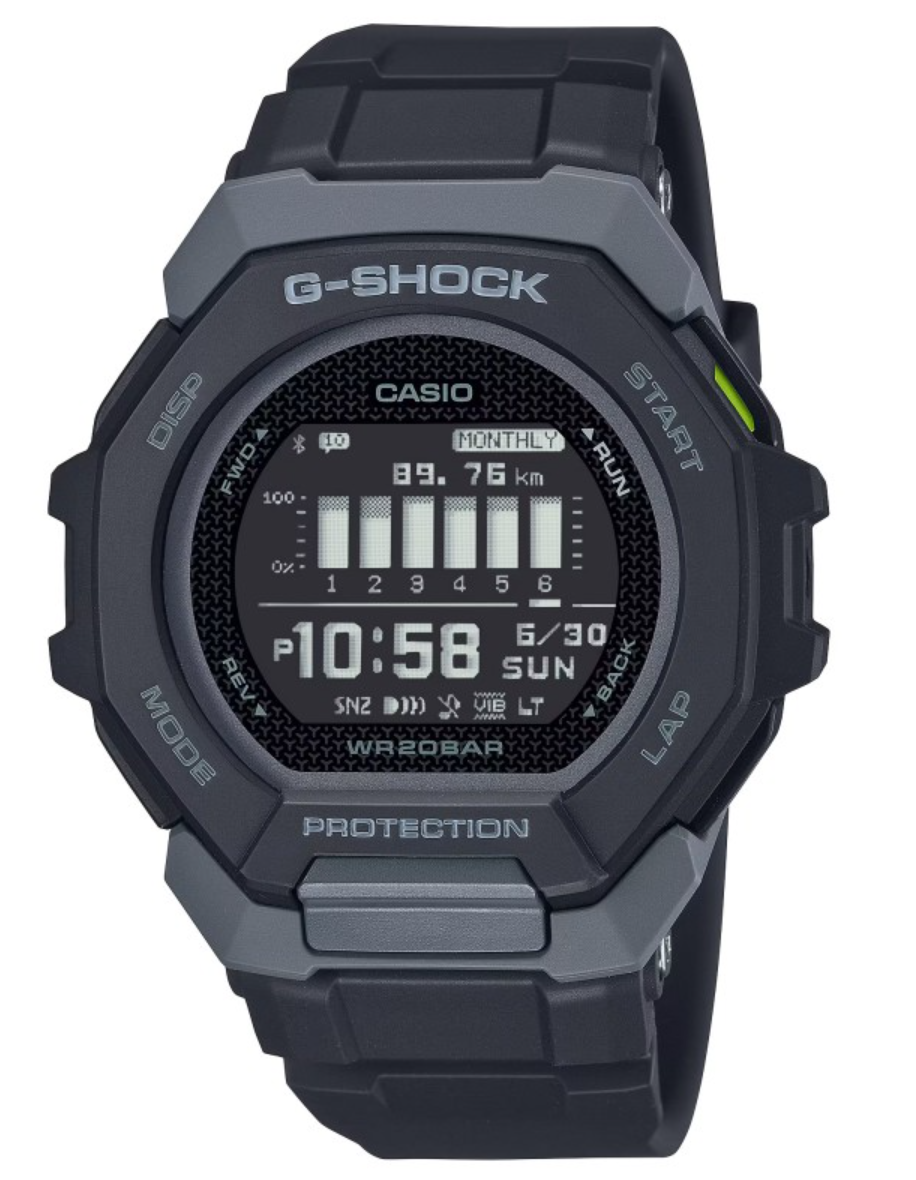
The Casio G-Shock G-Squad 46mm GBD-300-1ER is a watch designed for extreme challenges, combining the legendary durability of G-Shock with a precise GPS module. Reliable in the toughest conditions, it provides accurate route tracking and training parameters in all circumstances.
A watch for athletes – choose the highest quality and water resistance
A watch for athletes should not only be accurate and comfortable, but above all, resistant to water and changing weather conditions. For outdoor activities such as kayaking, diving, trail running, or climbing, the absolute minimum is 10 ATM water resistance, which allows you to use your watch freely even during intense contact with water. For more demanding disciplines – such as freediving or expeditions in high humidity conditions – it is worth aiming for models offering 20 ATM or more and equipped with additional security features such as a screw-down crown and reinforced case construction.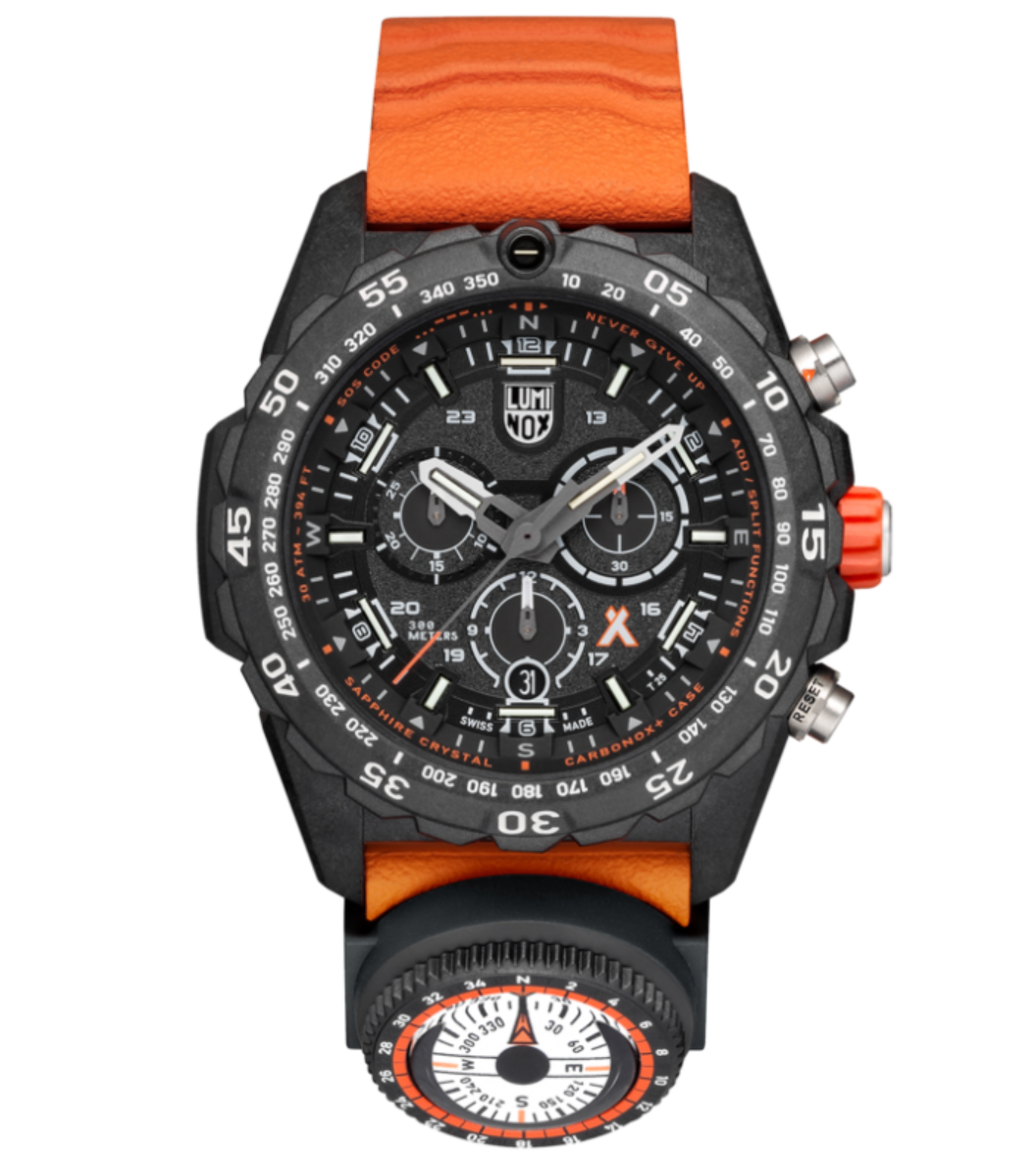
The Luminox Bear Grylls Chronograph 45mm XB.3749 is an extreme outdoor watch, created in collaboration with the famous traveler and equipped with a compass and water resistance up to 300 m. Its robust Carbonox™ construction and chronograph functions make it a reliable companion in the most challenging conditions.
Particularly noteworthy here are watches for extreme expeditions from Luminox, which have gained recognition among divers, soldiers, and survival enthusiasts. The brand's models combine military durability with reliability, offering high water resistance, readability in the dark, and shock- and mud-resistant mechanisms. If you are looking for a sports watch that will not let you down in the rain, underwater, or when tackling muddy trails, Luminox watches will be one of the best choices – they are designed with challenges in mind, not just style.
When looking for a watch that can withstand the challenges of extreme sports, it is worth choosing models designed for durability, precision, and resistance to conditions in which standard devices fail. Shock resistance, advanced GPS systems, water resistance of at least 10 ATM, and a range of practical functions are not extras, but a necessity for anyone planning intense expeditions or working in difficult terrain. If you are looking for a model that can handle wherever you go, check out the offer of the WestWatches online watch store – there you will find watches for expeditions that have been created for extreme conditions and people who do not succumb to them.

Krzysztof Szopa
Watch expert
An expert associated with WestWatches.pl, a place that has been providing watches for every occasion for years. Thanks to many years of experience in the watchmaking and jewellery industry, he passionately shares his knowledge, offering professional advice both in the online store and in the brick-and-mortar shop. He specialises in selecting original watches, watch accessories and jewellery that combine exceptional quality with competitive prices. His goal is to help customers find the perfect product that meets their expectations and emphasises their style.

See popular articles
316L, 904L and surgical steel – what is your watch made of?
Most steel watches, from affordable models to luxury constructions, are made of 316L steel. 904L steel contains more nickel, chromium and molybdenum, and therefore offers higher corrosion resistance, but in itself it does not mean greater scratch resistance. The term “surgical steel”, in turn, does not point to one strictly defined alloy. In watches it most often refers to 316L, but without a specific material designation it may simply be a marketing name. If you are choosing a watch for years, look therefore not only at the words “stainless steel”, but also at the grade of steel, which components are made of the given material and how they are finished.
Japanese or Swiss watches? We compare quality, movements and prices
If you are wondering whether Japanese or Swiss watches are better, the name of the country alone will not give you a good answer. In both cases you will find simple models for relatively little money, solid mid-range automatics and designs belonging to the world's watchmaking high end. Far more about quality will be told to you by the specific movement, the way the case and bracelet are made, the crystal, quality control, accuracy and price. Check how Japanese watches really differ from Swiss ones and what to pay attention to before you choose a model for yourself.
The lifespan of a quartz watch – how long does it really last, and when is it no longer worth repairing?
We value quartz watches above all for their accuracy, convenience and modest day-to-day demands. That does not mean, however, that they can run indefinitely and need nothing more than a new battery once every few years. Over time, the components of the movement itself also wear out, and the moment a watch starts giving trouble can look completely different depending on the model, the way it is used and the availability of parts. So how long can a quartz watch last, what wears out in it most often and when does repair still make sense? Check what its lifespan really depends on.
The second hand on a watch – why does it jump, move smoothly or stop?
The way the seconds hand moves can tell you a lot about a watch's movement, but it is not an infallible test. A single distinct jump per second most often points to quartz, several small movements per second are typical of a mechanical movement, and an almost continuous glide is associated with Spring Drive. There are exceptions, however: there is a quartz watch with a sweeping seconds hand, and a mechanical watch that makes exactly one jump per second. What is more, a stopped hand does not have to mean a fault. Check how to read these signals and when you really need a watchmaker's help.

How do you set an automatic watch? Date, time and time zone 21:00–3:00
An automatic watch does not need a battery, but it does require a little knowledge from its owner. Setting the time or date seems simple, yet the wrong moment or the wrong way of using the crown can affect how the movement works. Many questions concern changing the date at night, moving the hands backwards and restarting a watch after a longer break. Check how to set an automatic watch correctly, what to pay attention to with the crown and why people often talk about particular caution between 9:00 pm and 3:00 am.
Wodoszczelność 10 ATM i 20 ATM – czy możesz pływać i nurkować z takim zegarkiem?
Co naprawdę oznacza 10 ATM lub 20 ATM na zegarku i czy takie oznaczenie pozwala bez obaw wejść do basenu, morza albo nurkować? Same liczby mogą być mylące, dlatego sprawdź, jak czytać klasę wodoszczelności i dobrać zegarek do aktywności w wodzie.
Water resistance 3 ATM – what does it mean and what can you do with it?
3 ATM water resistance means the watch is prepared above all for rain, accidental splashes and brief contact with water during everyday activities. It does not mean that you can swim with it, shower in it or submerge it to a depth of 30 metres. It is precisely the “30 m” marking that most often misleads. It is the result of a pressure test carried out under controlled conditions, not a declared working depth. So if you see 3 ATM, 3 bar or Water Resistant 30 m on the case back or in the specification, treat the watch as resistant to everyday moisture, but not as a watch for water activities.
Rolex-style watches – the best alternatives to the Submariner, Explorer and Datejust
For years Rolex has been one of the most important style benchmarks in the watch world, but its price is not within everyone's reach. That is why it is worth looking at watches similar to Rolex and models inspired by its styling, which offer their own character, solid build quality and much more affordable prices. We are not talking about counterfeits here, but about legitimate watches from other brands that draw on similar solutions and design language. Check out watches inspired by Rolex's style and choose the model that suits your style and budget.
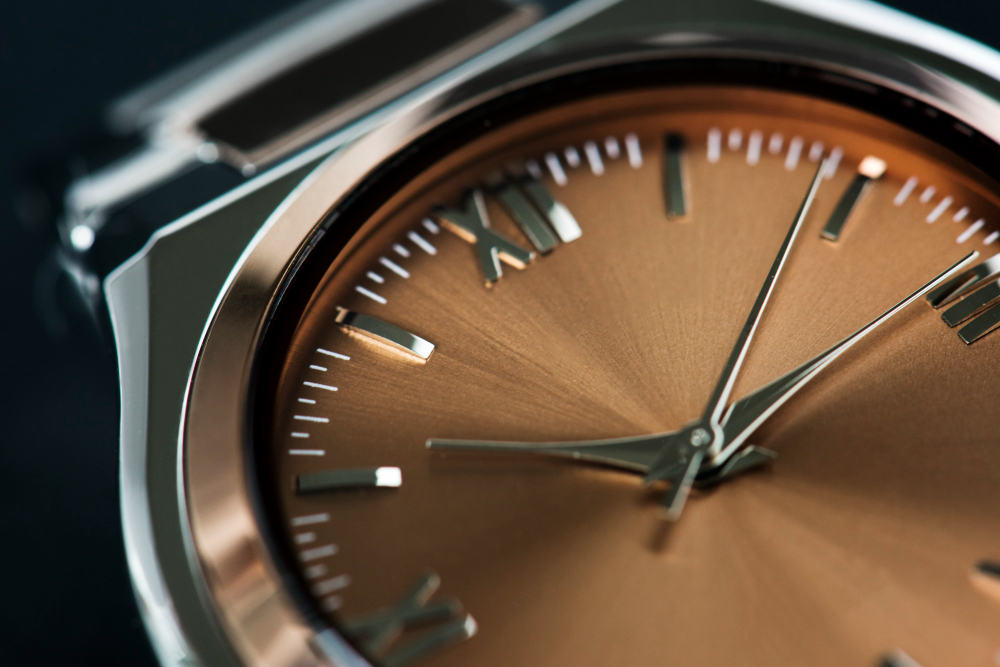
A bronze watch – why does each one change over time?
A bronze watch stands out because its appearance changes along with its owner. The case gradually darkens, turns matte and develops a patina, so two identical models can look completely different after just a few months. This is the greatest advantage of bronze, but also a trait you need to accept before buying. If you expect a watch that keeps its factory shine for years, steel may be a better direction. If, on the other hand, you like vintage looks, signs of use and the natural ageing of a material, bronze gives an effect that is hard to achieve in any other metal.