



PVD coating in watches – durability, colours and everything you need to know before buying
PVD coating is a solution that you will increasingly encounter in modern watches. It gives them a unique look, increases their resistance to everyday use and allows you to enjoy lasting colour for years to come. However, before you decide on a watch with this finish, it is worth knowing how this technology works and in which situations it works best.
PVD in watches – technology from laboratories that has found its way onto your wrist
Until a few decades ago, Physical Vapor Deposition technology was mainly known in scientific and industrial circles, where it was used to protect the surfaces of tools and machine parts. Today, it is used in the world of watches on an increasingly large scale. Thanks to this technology, manufacturers can offer models that not only look more modern, but also stand out with their significantly higher resistance to external factors. The coating process takes place in special vacuum chambers, resulting in an extremely thin but durable layer that permanently bonds with the surface of the case or bracelet. This is not just a decoration, but a fully-fledged protective technology that has changed the approach to watch design.

Why is a PVD watch scratch-resistant? Discover its true durability.
One of the most frequently highlighted advantages of PVD is its scratch resistance, which significantly exceeds that of traditional case finishing methods. This is due to the exceptional hardness of the coating itself, which creates a protective barrier for steel or titanium. Of course, it is not an absolutely indestructible material – intense impacts or contact with sharp objects can leave marks – but in everyday use, you will notice that the watch retains its original appearance for much longer.
It is worth noting that PVD does not peel or chip, as is the case with traditional gold plating or painting. The coating bonds with the substrate at the molecular level, which means that there is no unsightly chipping on the case. For someone who treats a watch as an everyday accessory, this is a huge advantage. You can wear it to work, to meetings or even on weekend trips without worry – the risk of rapid surface wear is much lower, especially if you choose proven Swiss watches or highly regarded American watches.
Black elegance or golden glamour? What colours and effects does PVD produce in practice?
What makes PVD unique is not only its protective properties, but also its unlimited aesthetic possibilities. With this technology, you can choose from watches in deep matte black, striking gold, elegant silver, or even bolder colours such as bronze or navy blue. For manufacturers, this is a great opportunity to stand out, and for you, it is a chance to find a model that perfectly matches your style.
It is also important to note that the colour obtained with PVD lasts much longer than in the case of painting or simple galvanic coatings. The watches do not lose their distinctive appearance so quickly and look just as good for years to come. So if you want an accessory that combines functionality with a distinctive design, PVD gives you a huge range of choices – from minimalist classic men's watches to luxurious models in shades of gold.
Thanks to PVD technology, you can enjoy not only classic black or gold, but also bolder colours that fit in perfectly with current trends. If you are interested in what shades dominate this season and how to match them with your everyday outfits, check out our post on the most fashionable colours for summer.

PVD and everyday use – when it works and when it is better to choose steel
A watch with a PVD coating is perfect for many situations, but it is worth bearing in mind that it is not a universal solution for everyone. If you wear your watch mainly at the office or at business meetings, PVD will be a perfect choice – it ensures elegance and durability, and does not require overly complicated care. It works equally well in sports models, where resistance to sweat or moisture is key.
On the other hand, with extreme use, e.g. in physical work conditions, a PVD watch may be exposed to greater wear and tear. Despite its durability, the coating still has a certain thickness and is not eternal. Therefore, if you are looking for a watch that will accompany you in literally all conditions, consider solid stainless steel models. This solution is less visually appealing, but in many cases more practical. The choice therefore depends largely on your lifestyle and how intensively you plan to use your timepiece – regardless of whether you are interested in watches to go with a suit or more versatile automatic ladies' watches.
How to care for a watch with a PVD coating so that it will serve you for years? Simple care rules
If you decide to buy a watch with a PVD coating, you need to remember a few simple rules that will significantly extend its life. First of all, avoid contact with aggressive chemicals – cleaning agents, solvents or perfumes can affect the appearance of the surface. The best solution is to clean it regularly with a soft microfibre cloth, which will preserve its shine and remove dust and minor dirt.

Zeppelin Atlantic Automatic – a classic watch with an automatic movement, leather strap and subtle dial, inspired by the tradition of German watchmaking. See the Zeppelin 8470-5 model.
How to care for a watch with a PVD coating on a daily basis?
- Avoid harsh detergents and solvents, which can weaken the surface coating.
- Remove the watch during intense physical activity if there is a risk of contact with hard surfaces.
- Store in a box or case when not in use to protect it from accidental damage.
- Do not expose to prolonged sunlight, which may affect colour fastness.
- Check the condition of the bracelet and clasp to avoid excessive friction in particularly vulnerable areas.
PVD coating in practice – what to remember
PVD coating is a technology that combines aesthetics, functionality and durability, making watches with this finish stand out both in terms of appearance and resistance to everyday challenges. It is a solution that will appeal to those who value modern design, but also a practical approach to accessories. When you choose a PVD watch, you get a timepiece that, with proper care, will retain its original shine for many years, remaining not only a tool for measuring time, but also a distinctive element of style.

Krzysztof Szopa
Watch expert
An expert associated with WestWatches.pl, a place that has been providing watches for every occasion for years. Thanks to many years of experience in the watchmaking and jewellery industry, he passionately shares his knowledge, offering professional advice both in the online store and in the brick-and-mortar shop. He specialises in selecting original watches, watch accessories and jewellery that combine exceptional quality with competitive prices. His goal is to help customers find the perfect product that meets their expectations and emphasises their style.

See popular articles

How to Change a Watch Strap? A Simple Step-by-Step Guide
Changing a watch strap is easier than you think – all you need is the right tool, a few careful moves and a new strap that fits the case. On classic models you have to release the spring bars, while a quick-release system lets you do it without any extra tools. The whole process can take just a few minutes, and the result? Your watch gets a completely new look. Find out how to remove the old strap, fit a new one and avoid scratching the case.
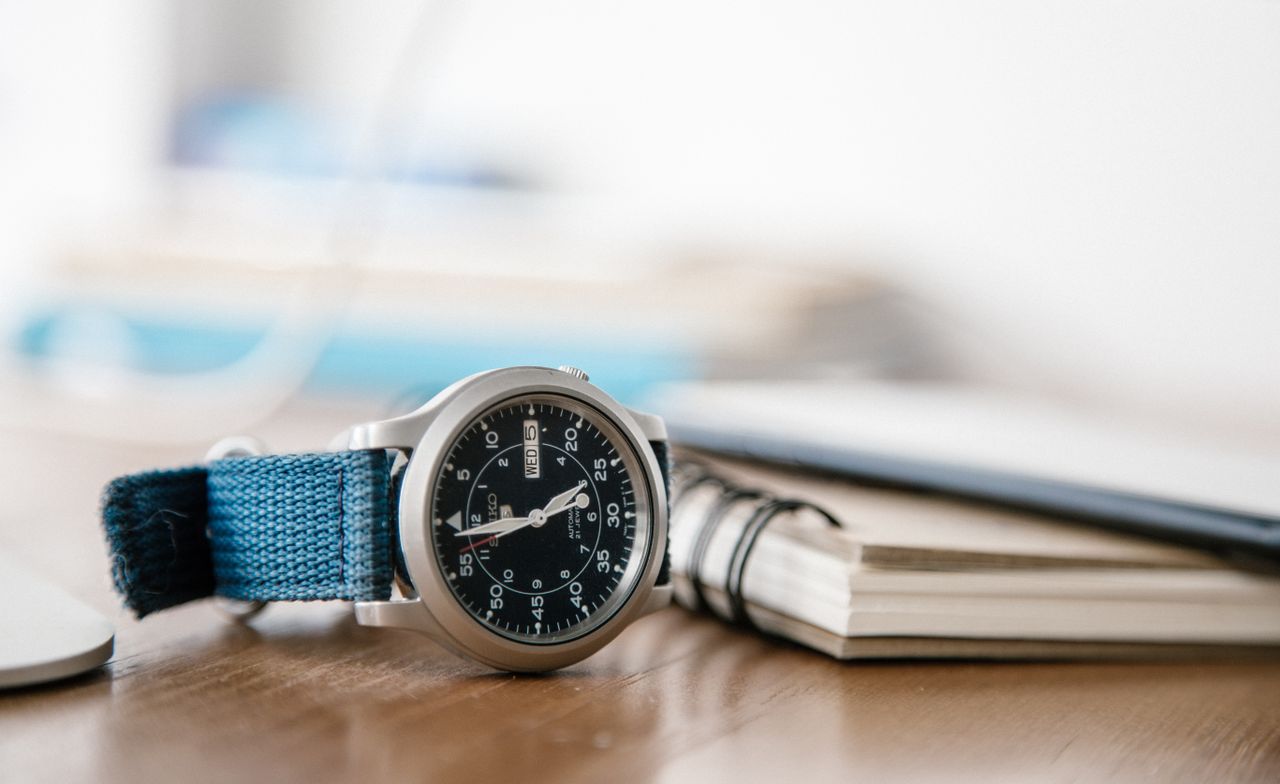
Fabric Watch Straps – How Do Perlon, Canvas, Rally and Bund Differ?
A good strap can completely change the look of a watch – but which one should you choose? Perlon is light and breathable, canvas stands out with its woven texture, rally catches the eye with sporty perforations, and bund gives a watch an aviation character. Although they are often mentioned together, not all of them are fabric straps – a rally strap is usually perforated leather, and a bund is a design with an additional pad. Find out how these four styles differ and which one suits your watch best.
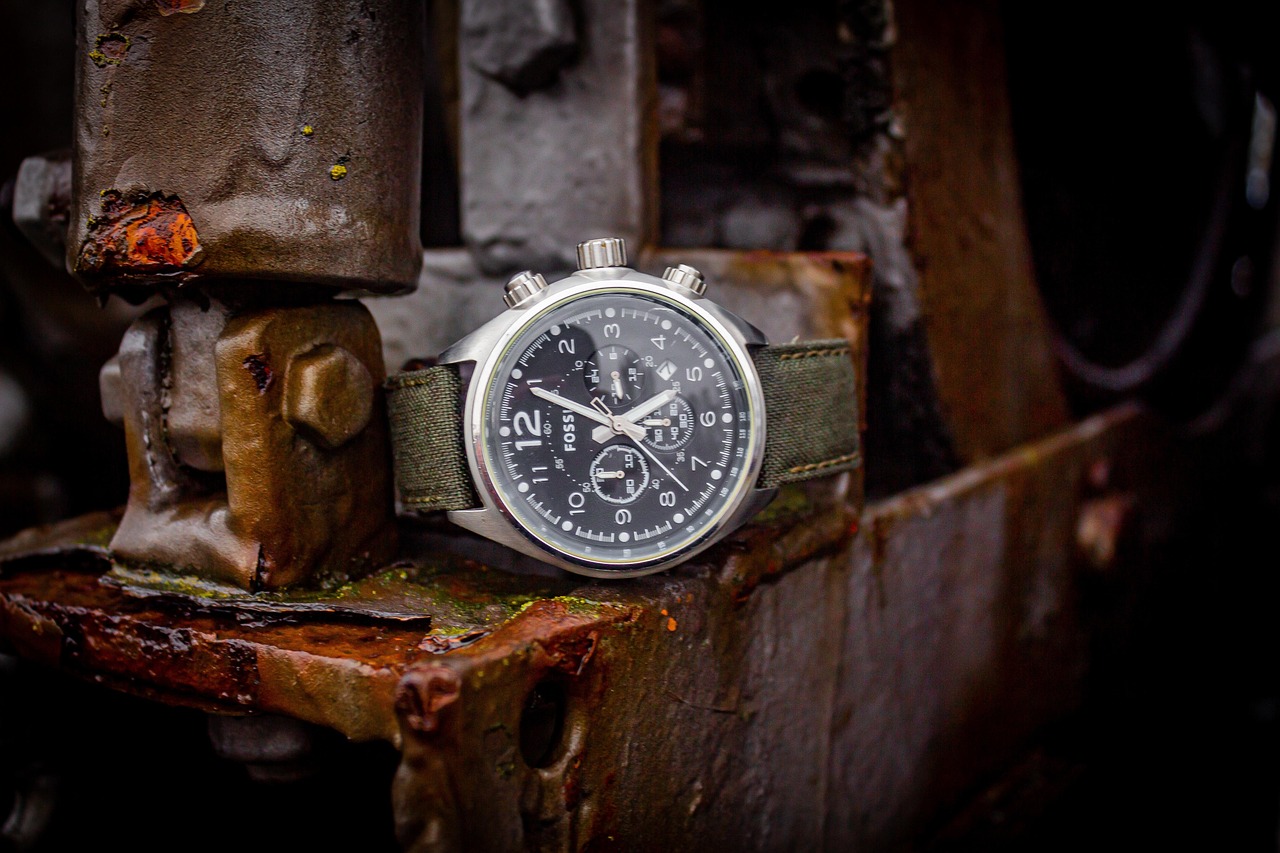
NATO Strap – How to Fit It and How Does It Differ from a Zulu? A Practical Guide
A NATO strap is a lightweight fabric watch strap that threads under the case instead of attaching separately on each side. You can fit it yourself in a few simple steps. Compared with a Zulu strap, it is usually thinner, has flatter hardware and an extra layer of material under the watch. Find out how to fit a NATO strap correctly, how the two designs differ and how to choose the right size.
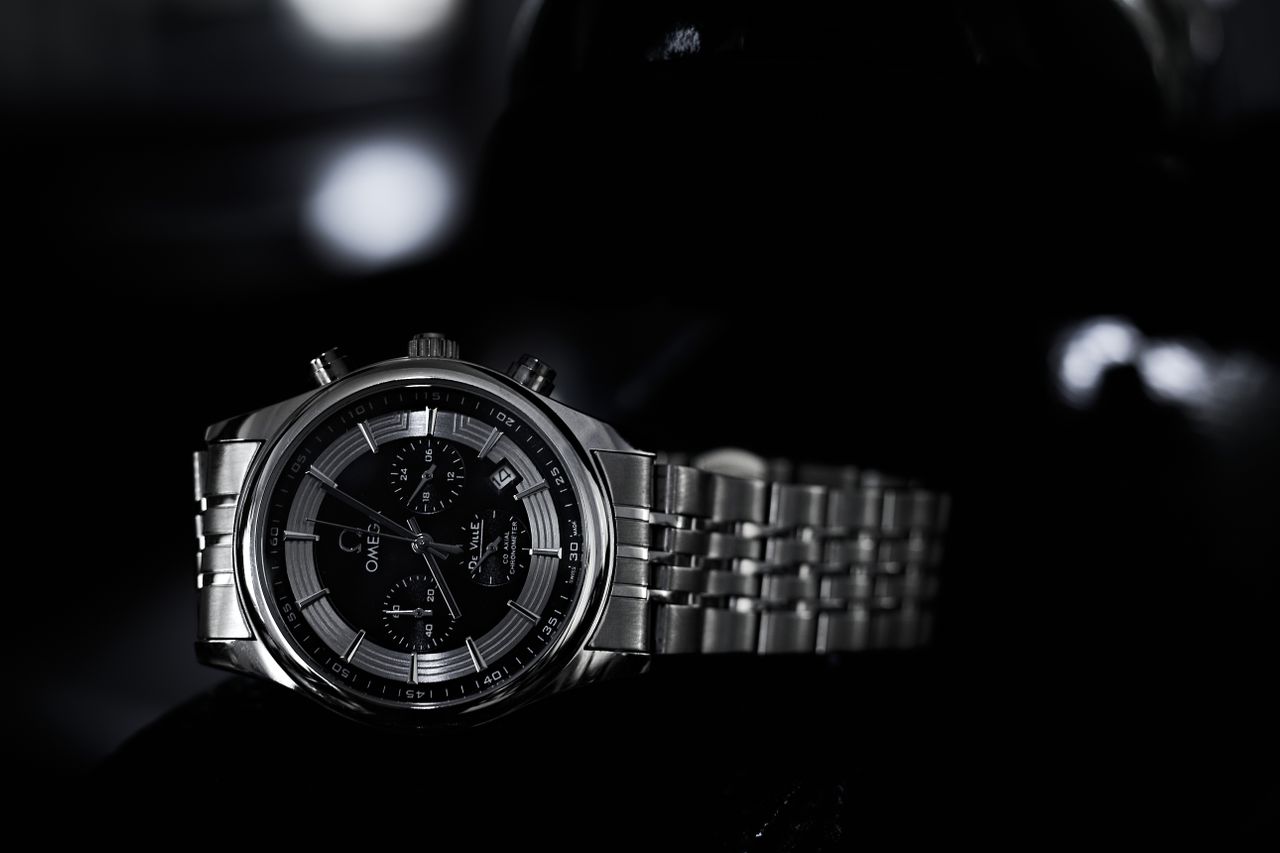
Types of Watch Bracelets – Oyster, Jubilee, President and Mesh. Which One to Choose?
Oyster works for everyday wear, Jubilee adds elegance, President emphasises a luxury character, and mesh offers lightness and flexibility. Each of these constructions sits differently on the wrist and changes the look of the watch. The differences are not just about the number of links, but also about comfort, weight and the type of clasp. Discover the main types of watch bracelets and find out which one best suits your style and your watch case.
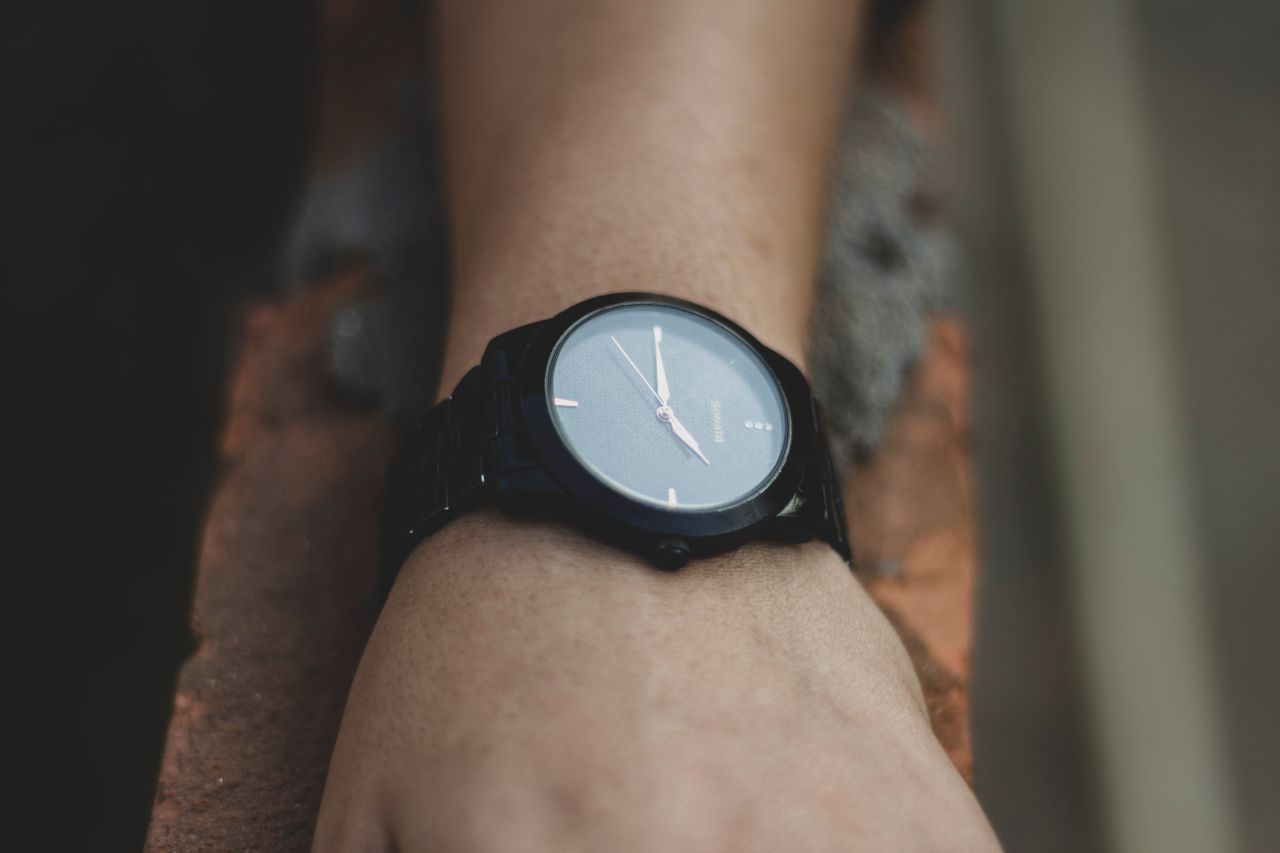
GADA – One Watch for Work, Weekends and Travel. How to Choose It?
One watch can go with a shirt, jeans, a blazer and even the swimming pool. That is the whole idea behind GADA (Go Anywhere, Do Anything). Instead of several models for different occasions, you choose one that combines comfort, durability and a timeless look. The safest choice is a steel case of 36–41 mm, 100 m water resistance and a legible dial in a neutral colour. Find out what to look for to choose a watch you will actually wear every day.
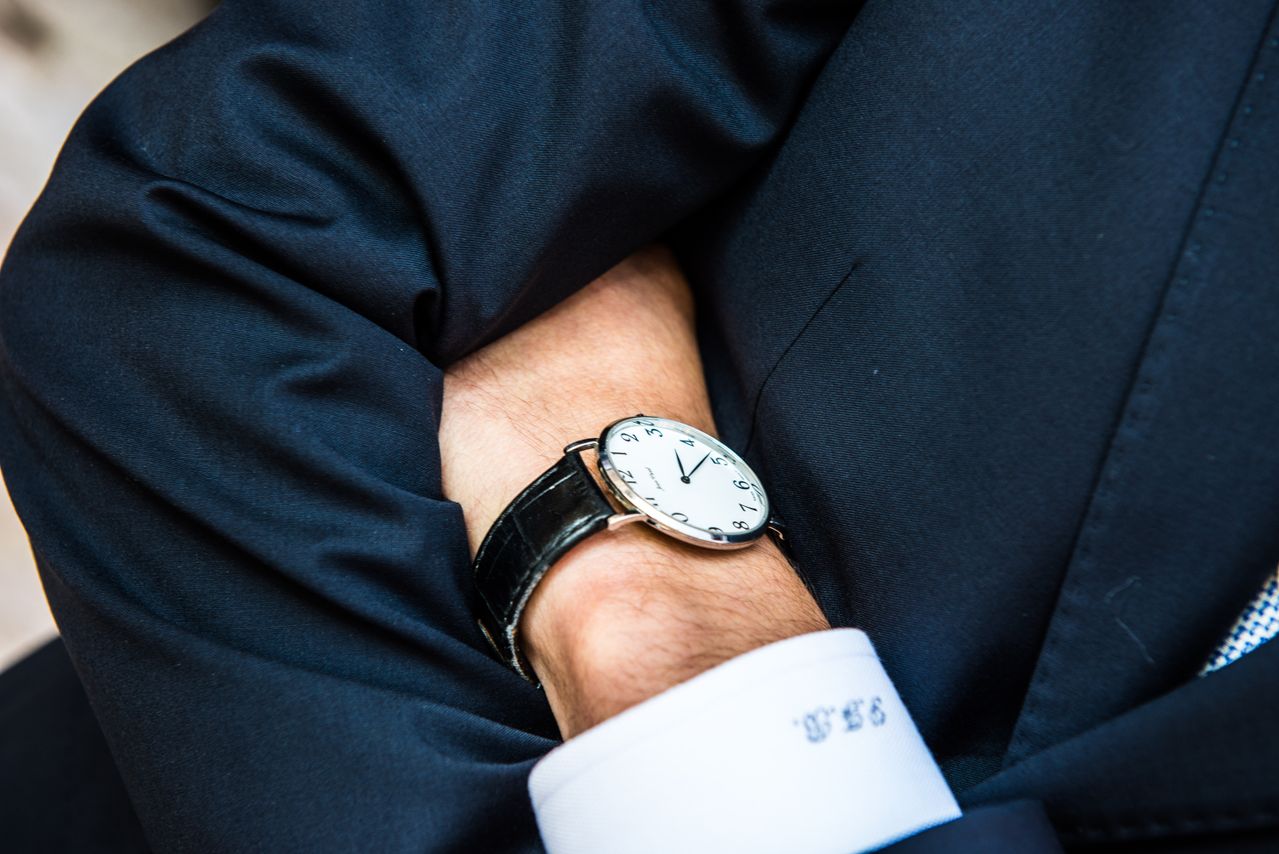
Tuxedo Watch – Black Tie and White Tie Rules
Zegarek do smokingu można nosić, ale nie każdy model pasuje do wieczorowej elegancji. Przy dress code black tie najlepiej sprawdzi się cienki zegarek na czarnym skórzanym pasku, schowany pod mankietem koszuli. White tie wymaga większej powściągliwości – do fraka tradycyjnie wybiera się zegarek kieszonkowy albo całkowicie rezygnuje z odmierzania czasu na nadgarstku. Sprawdź, jak dobrać zegarek, żeby zachować zasady etykiety i uniknąć modowego faux pas.
316L, 904L and surgical steel – what is your watch made of?
Most steel watches, from affordable models to luxury constructions, are made of 316L steel. 904L steel contains more nickel, chromium and molybdenum, and therefore offers higher corrosion resistance, but in itself it does not mean greater scratch resistance. The term “surgical steel”, in turn, does not point to one strictly defined alloy. In watches it most often refers to 316L, but without a specific material designation it may simply be a marketing name. If you are choosing a watch for years, look therefore not only at the words “stainless steel”, but also at the grade of steel, which components are made of the given material and how they are finished.
Japanese or Swiss watches? We compare quality, movements and prices
If you are wondering whether Japanese or Swiss watches are better, the name of the country alone will not give you a good answer. In both cases you will find simple models for relatively little money, solid mid-range automatics and designs belonging to the world's watchmaking high end. Far more about quality will be told to you by the specific movement, the way the case and bracelet are made, the crystal, quality control, accuracy and price. Check how Japanese watches really differ from Swiss ones and what to pay attention to before you choose a model for yourself.

The lifespan of a quartz watch – how long does it really last, and when is it no longer worth repairing?
We value quartz watches above all for their accuracy, convenience and modest day-to-day demands. That does not mean, however, that they can run indefinitely and need nothing more than a new battery once every few years. Over time, the components of the movement itself also wear out, and the moment a watch starts giving trouble can look completely different depending on the model, the way it is used and the availability of parts. So how long can a quartz watch last, what wears out in it most often and when does repair still make sense? Check what its lifespan really depends on.