



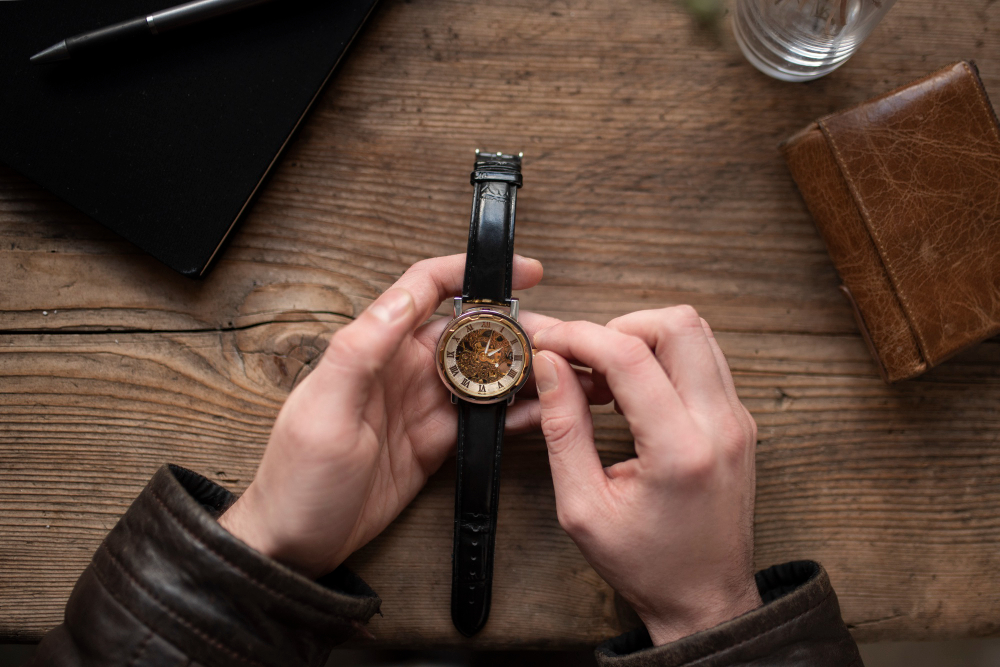
Butterfly clasp for watches – what is it and how to use it?
At first glance, it's just a way of fastening a strap, but in practice, a butterfly clasp can completely change how you wear your watch on a daily basis. It affects comfort, security, strap durability, and the perception of the entire timepiece – often more so than the case or movement itself. If you want to know why some watches are a pleasure to put on while others become irritating after just a few hours, this is exactly the element to start with.
Butterfly Clasp – What Is It Really and Why Is There No Room for Chance in Luxury Watches?
A butterfly clasp is a precise mechanism for fastening a strap or bracelet that combines aesthetics with functionality and genuinely impacts the comfort of daily watch wear. This isn't a "tacked-on" detail or a designer's whim – in higher-end watches, it serves a precisely planned technical and practical role. The construction based on two symmetrically folding wings that close toward the center makes the mechanism almost invisible once fastened, and the entire bracelet looks like a uniform, cohesive whole. This effect is what makes watches with such a solution perceived as more refined and visually "cleaner."
In practice, this means several very specific things that make a huge difference in daily use. Pressure is distributed evenly on the wrist, without the point pressure known from classic pin buckles. The clasp doesn't protrude, doesn't catch on shirt cuffs, doesn't dig into the skin during extended wear. According to studies on watch-wearing ergonomics, as many as 62–68% of users report significantly higher comfort with deployant-type clasps compared to traditional buckles. These are numbers that are hard to ignore – especially if you wear your watch for many hours daily, not just "on special occasions."
It's worth adding that butterfly clasps work excellently with handmade leather straps, especially those made from natural leather. Thanks to this solution, the strap isn't bent at a single point, which significantly reduces wear and allows it to retain its original shape and aesthetics longer. This has real significance for hand-stitched straps, where material durability and precision finishing matter. Additionally, the butterfly doesn't disrupt the strap's line, doesn't draw attention away from the leather's texture and stitching, and the whole thing looks cohesive and elegant – like a thoughtfully designed set, not a random combination./Grudzień 2025/PASEK SKÓRZANY HANDMADE TEKLA 20MM CZARNY – NIEBIESKIE PRZESZYCIA PS20CZA-6.png)
Handmade leather strap Tekla 20 mm combines classic black with striking blue stitching that gives the watch a sporty-elegant character. Natural leather, solid finishing, and universal width make it an excellent choice for daily wear and subtle style changes to your watch.
How to Use a Butterfly Clasp Step by Step So You Don't Fight with Your Watch Every Time?
A butterfly clasp works intuitively, but only when you understand its logic – without it, the first attempts can be surprisingly irritating. Contrary to appearances, the problem isn't the mechanism's complexity, but rather lack of habit. Most users accustomed to classic buckles try to operate it "by force," and that's the easiest path to frustration. The key here is understanding that everything happens symmetrically and calmly, without pulling and without excessive pressure.
In models equipped with side buttons, simply press both sides simultaneously and the springs will do the rest of the work. The characteristic sound when opening doesn't indicate damage – quite the opposite, it's a sign that the mechanism is working properly. In variants without visible buttons, what matters is the right angle and gentle finger movement, not force. The clasp should open by itself, not be "pried apart." This is a subtle difference, but it makes a huge change in user comfort.
Putting on the watch also looks different than with a traditional buckle. You fully unfold the clasp, pass the bracelet through your wrist, and only then adjust the length. In most available models, you have:
- from 5 to even 10 adjustment holes,
- differences of approximately 5 mm circumference,
- ability to set the perfect size once.
After this stage, the watch closes with one smooth motion, without having to "aim" for the hole in the watch strap each time. Consumer behavior studies show that over 70% of butterfly clasp users don't want to return to classic buckles after a week, precisely because of the convenience and repeatability of the motion. This is a solution that very quickly becomes a habit – and a well-designed habit means no daily irritation.
It's also worth remembering that once set, the clasp doesn't require constant adjustment, which is a huge plus for watches worn daily. You don't manipulate the pin, don't bend the leather, don't check each time whether everything "fits." You put it on, close it, leave. And that's exactly how it should work in the premium segment./Grudzień 2025/PASEK SKÓRZANY HANDMADE TEKLA 20MM BRĄZOWY – BEŻOWE PRZESZYCIA PS20B-3.png)
Handmade leather strap Tekla 20 mm in brown with beige stitching is a proposition for those who appreciate natural appearance and classic finishing. High-quality leather, solid stitching, and universal design make the strap pair beautifully with both casual and elegant watches, adding a warm, timeless character.
Butterfly Clasp – Advantages, Disadvantages, and Real Limitations That Salespeople Rarely Mention
A butterfly clasp offers high comfort and security, but it's not the perfect solution for everyone – and that's worth saying outright. Its greatest advantage remains stability. Even if one side of the mechanism accidentally unlocks, the other still keeps the watch on the wrist, which significantly reduces the risk of dropping it. Watchmaker service statistics show that the number of reports related to dropped watches is approximately 45% lower with butterfly clasps than with pin buckles. This is a huge difference, especially for high-value watches.
A major plus is also strap protection, especially leather ones. The absence of constant bending at one point means that strap lifespan extends by up to twice as long, which in the case of more expensive leathers – such as alligator or premium calfskin – has very real financial significance. Add to this the clean look, absence of protruding elements, and cohesiveness of the entire bracelet, which visually elevates the watch's class.
But there are also limitations that are mentioned less often. Size adjustment isn't as flexible as in systems with micro-adjustment, which can be noticeable with temperature changes or hand swelling. The mechanism's thickness can be problematic on very slender wrists, where the clasp may protrude slightly. In cheaper constructions, it also happens that one side doesn't open smoothly, which can be irritating in daily use.
That's why different variants of butterfly clasps are available in the offer, adapted to:
- metal bracelets and leather straps,
- specific widths – 16 mm, 18 mm, 19 mm, 20 mm,
- different tube and pin lengths – from 4.5 mm to 8 mm,
- wearing style – from sporty to formal.
/Grudzień 2025/PASEK SKÓRZANY HIRSCH ARISTOCRAT CZARNY 20mm L 03828050-2-20.png)
Leather strap Hirsch Aristocrat 20 mm is a classic proposition for those who value elegant appearance and high-quality craftsmanship. Natural leather with subtle texture, solid stitching, and comfortable length make the strap perfectly suited to classic and business watches, emphasizing their timeless character.
Conscious choice is fundamental. If the watch is to be worn daily, for many hours, a well-chosen butterfly clasp can genuinely improve quality of life. But only when its construction is matched to the wrist, strap, and usage style – without compromises and without marketing promises without substance. Check out what we've prepared for you in our online watch shop WestWatches and choose the solution that suits you!

Krzysztof Szopa
Watch Expert
An expert associated with the WestWatches.pl brand, a place that has been providing watches for every occasion for years. Thanks to many years of experience in the watchmaking and jewelry industry, he passionately shares his knowledge, offering professional advice both in the online and brick-and-mortar store. He specializes in selecting original watches, watch accessories, and jewelry products that combine exceptional quality with competitive prices. His goal is to help customers find the ideal product that meets their expectations and emphasizes their style.

See popular articles
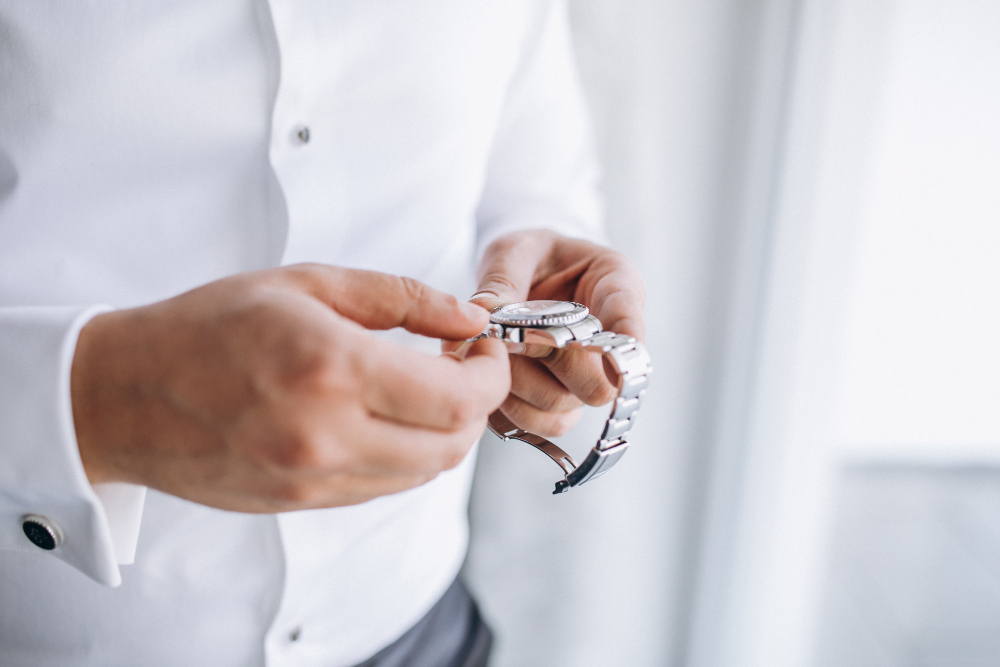
316L, 904L and surgical steel – what is your watch made of?
Most steel watches, from affordable models to luxury constructions, are made of 316L steel. 904L steel contains more nickel, chromium and molybdenum, and therefore offers higher corrosion resistance, but in itself it does not mean greater scratch resistance. The term “surgical steel”, in turn, does not point to one strictly defined alloy. In watches it most often refers to 316L, but without a specific material designation it may simply be a marketing name. If you are choosing a watch for years, look therefore not only at the words “stainless steel”, but also at the grade of steel, which components are made of the given material and how they are finished.
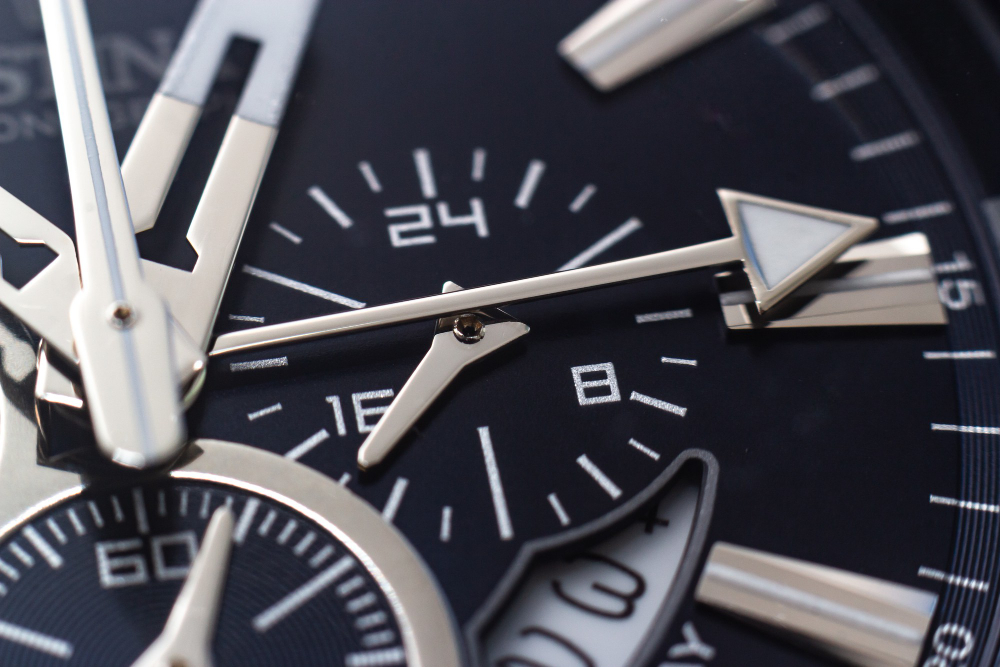
Japanese or Swiss watches? We compare quality, movements and prices
If you are wondering whether Japanese or Swiss watches are better, the name of the country alone will not give you a good answer. In both cases you will find simple models for relatively little money, solid mid-range automatics and designs belonging to the world's watchmaking high end. Far more about quality will be told to you by the specific movement, the way the case and bracelet are made, the crystal, quality control, accuracy and price. Check how Japanese watches really differ from Swiss ones and what to pay attention to before you choose a model for yourself.
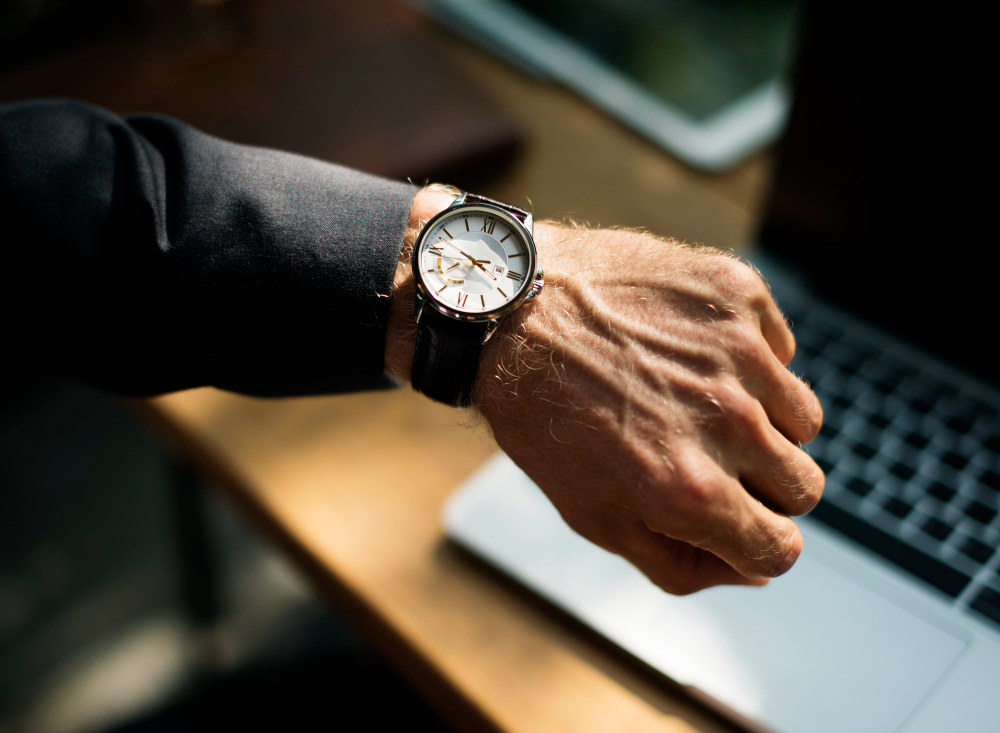
The lifespan of a quartz watch – how long does it really last, and when is it no longer worth repairing?
We value quartz watches above all for their accuracy, convenience and modest day-to-day demands. That does not mean, however, that they can run indefinitely and need nothing more than a new battery once every few years. Over time, the components of the movement itself also wear out, and the moment a watch starts giving trouble can look completely different depending on the model, the way it is used and the availability of parts. So how long can a quartz watch last, what wears out in it most often and when does repair still make sense? Check what its lifespan really depends on.
The second hand on a watch – why does it jump, move smoothly or stop?
The way the seconds hand moves can tell you a lot about a watch's movement, but it is not an infallible test. A single distinct jump per second most often points to quartz, several small movements per second are typical of a mechanical movement, and an almost continuous glide is associated with Spring Drive. There are exceptions, however: there is a quartz watch with a sweeping seconds hand, and a mechanical watch that makes exactly one jump per second. What is more, a stopped hand does not have to mean a fault. Check how to read these signals and when you really need a watchmaker's help.

How do you set an automatic watch? Date, time and time zone 21:00–3:00
An automatic watch does not need a battery, but it does require a little knowledge from its owner. Setting the time or date seems simple, yet the wrong moment or the wrong way of using the crown can affect how the movement works. Many questions concern changing the date at night, moving the hands backwards and restarting a watch after a longer break. Check how to set an automatic watch correctly, what to pay attention to with the crown and why people often talk about particular caution between 9:00 pm and 3:00 am.

Wodoszczelność 10 ATM i 20 ATM – czy możesz pływać i nurkować z takim zegarkiem?
Co naprawdę oznacza 10 ATM lub 20 ATM na zegarku i czy takie oznaczenie pozwala bez obaw wejść do basenu, morza albo nurkować? Same liczby mogą być mylące, dlatego sprawdź, jak czytać klasę wodoszczelności i dobrać zegarek do aktywności w wodzie.
Water resistance 3 ATM – what does it mean and what can you do with it?
3 ATM water resistance means the watch is prepared above all for rain, accidental splashes and brief contact with water during everyday activities. It does not mean that you can swim with it, shower in it or submerge it to a depth of 30 metres. It is precisely the “30 m” marking that most often misleads. It is the result of a pressure test carried out under controlled conditions, not a declared working depth. So if you see 3 ATM, 3 bar or Water Resistant 30 m on the case back or in the specification, treat the watch as resistant to everyday moisture, but not as a watch for water activities.

Rolex-style watches – the best alternatives to the Submariner, Explorer and Datejust
For years Rolex has been one of the most important style benchmarks in the watch world, but its price is not within everyone's reach. That is why it is worth looking at watches similar to Rolex and models inspired by its styling, which offer their own character, solid build quality and much more affordable prices. We are not talking about counterfeits here, but about legitimate watches from other brands that draw on similar solutions and design language. Check out watches inspired by Rolex's style and choose the model that suits your style and budget.
A bronze watch – why does each one change over time?
A bronze watch stands out because its appearance changes along with its owner. The case gradually darkens, turns matte and develops a patina, so two identical models can look completely different after just a few months. This is the greatest advantage of bronze, but also a trait you need to accept before buying. If you expect a watch that keeps its factory shine for years, steel may be a better direction. If, on the other hand, you like vintage looks, signs of use and the natural ageing of a material, bronze gives an effect that is hard to achieve in any other metal.